









Ecological supervision at Bossche Broek
Project brief
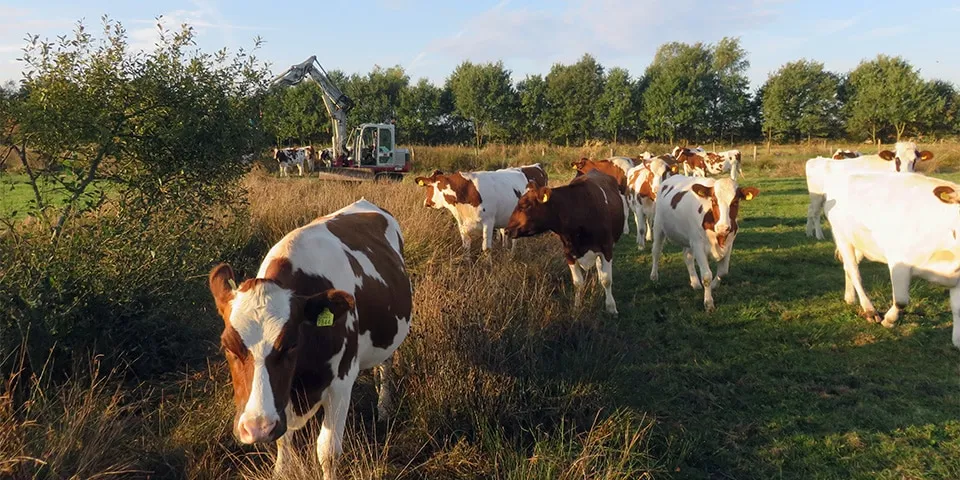
South of ’s-Hertogenbosch lies Bossche Broek, an open, wet nature reserve managed by Staatsbosbeheer. It is part of the Vlijmens Ven, Moerputten and Bossche Broek Natura 2000 site. This nature reserve is suffering from nitrogen deposition. Under the Habitats Directive, the province of North Brabant is responsible for ensuring the conservation of these habitat areas. This is being done through the Nitrogen Action Programme (PAS), which includes restoration measures aimed at developing new nature areas and preserving existing ones.
At the end of 2018, so-called PAS measures were carried out at Bossche Broek, including mowing, removing scrub and dredging or reprofiling watercourses. Culverts were also installed and weirs built. Staatsbosbeheer hopes this will help retain seepage water more effectively and drain acidic rainwater more quickly. Contractor Van Beers Hoogeloon asked Staro Natuur en Buitengebied to write an ecological working protocol and provide ecological supervision of the work.
Approach
Staro wrote an ecological working protocol for carrying out the PAS measures. The requirements set out for each measure were designed to:
- Prevent negative effects on protected species that may be present, including fish, birds, small mustelids, badgers, amphibians, bats and plants
- Prevent the spread of (invasive) non-native species
- Limit pressure on the soil
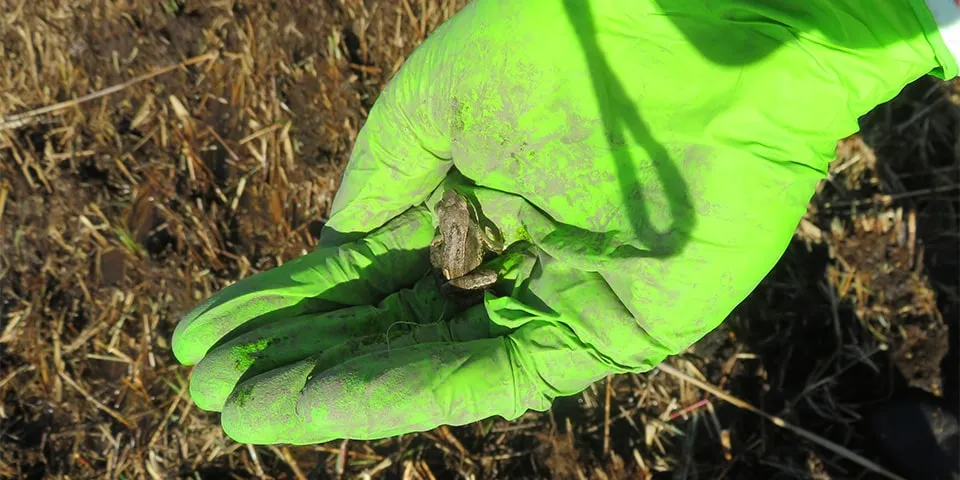
Before work began, Staro briefed staff at a toolbox talk on the relevant points in the ecological working protocol. Locations with high ecological value were also marked for protection, and the ecologist supervised the work on site in consultation with the contractor and Staatsbosbeheer’s site supervisor.
Results
Negative effects on protected species were ultimately prevented, and the spread of invasive non-native species was curbed. Badger and fox setts were marked, and areas containing floating pennywort, an invasive non-native species, were fenced off. Ditch clearance was carried out under Staro’s ecological supervision. Among other measures, spined loaches and crucian carp were caught and released elsewhere. The ditches were only partially mown, to retain sufficient suitable habitat for protected species and prevent pike from accessing the ditches. Areas containing water soldier were left untouched.
Question about this story? Ask your question
Keep following this
Get an email when a new story is published. No account needed.
- SubjectNews







