









Demand for seismic CPT testing is growing

Seismic CPT testing is only used in areas regularly shaken by earthquakes, isn’t it? Yet this technique is increasingly being used in the Netherlands too, and it has nothing to do with Groningen. Gerald Verbeek of Royal Eijkelkamp explains the added value of seismic CPT testing in a country such as the Netherlands.

“Seismic CPT testing is indeed widely used in countries such as Chile and New Zealand,” Verbeek begins. “Buildings and structures in these countries must be designed to withstand earthquakes, given the risk of such natural phenomena. This has not traditionally been the case in the Netherlands, but seismic CPT testing is being used more and more here too. There are many other causes of dynamic forces in the ground, such as trains travelling faster or becoming longer and heavier. Seismic CPT testing is a useful test method for finding out how these forces affect the ground, and for better estimating the horizontal displacement of a foundation.”
17th century
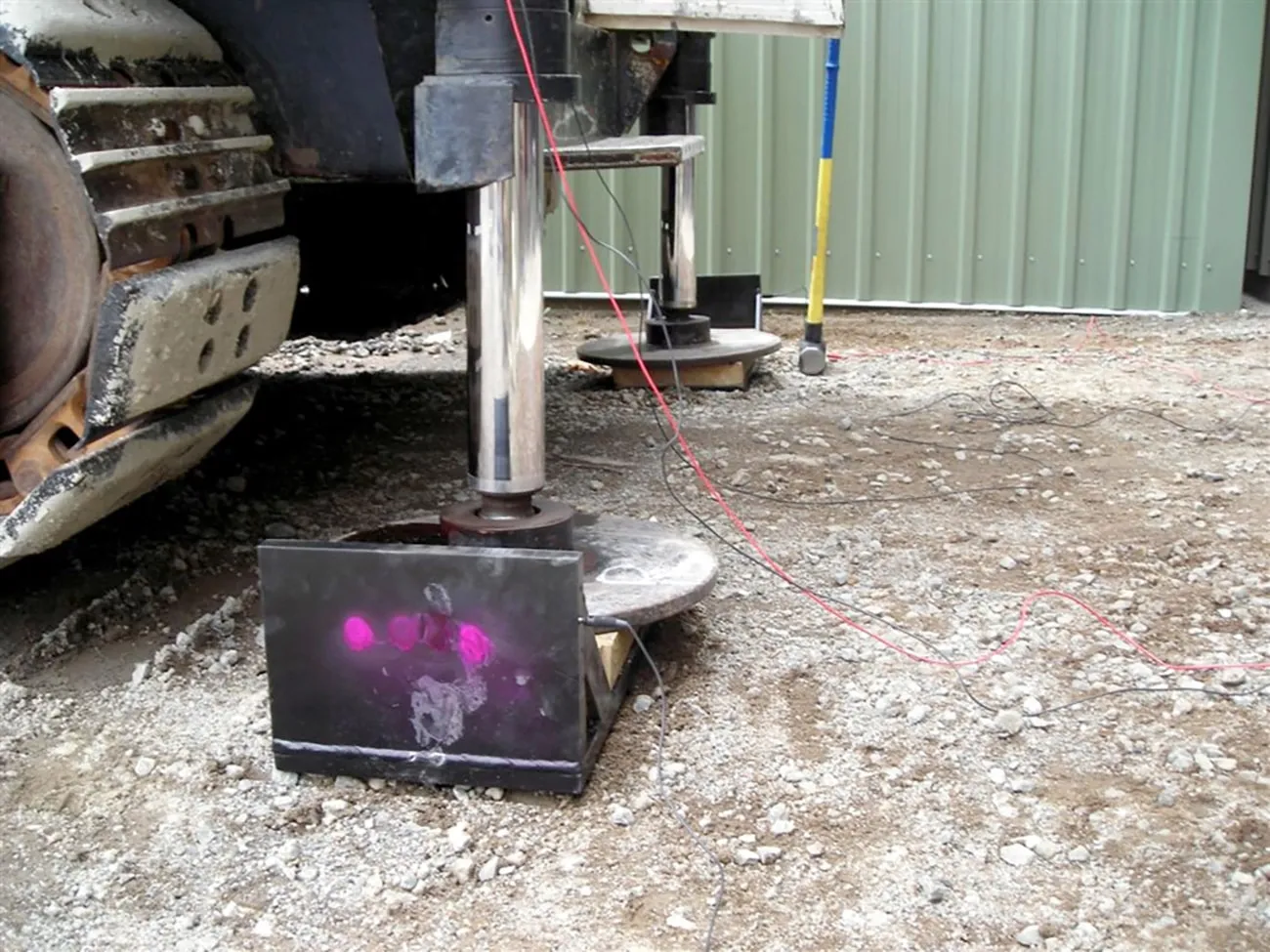
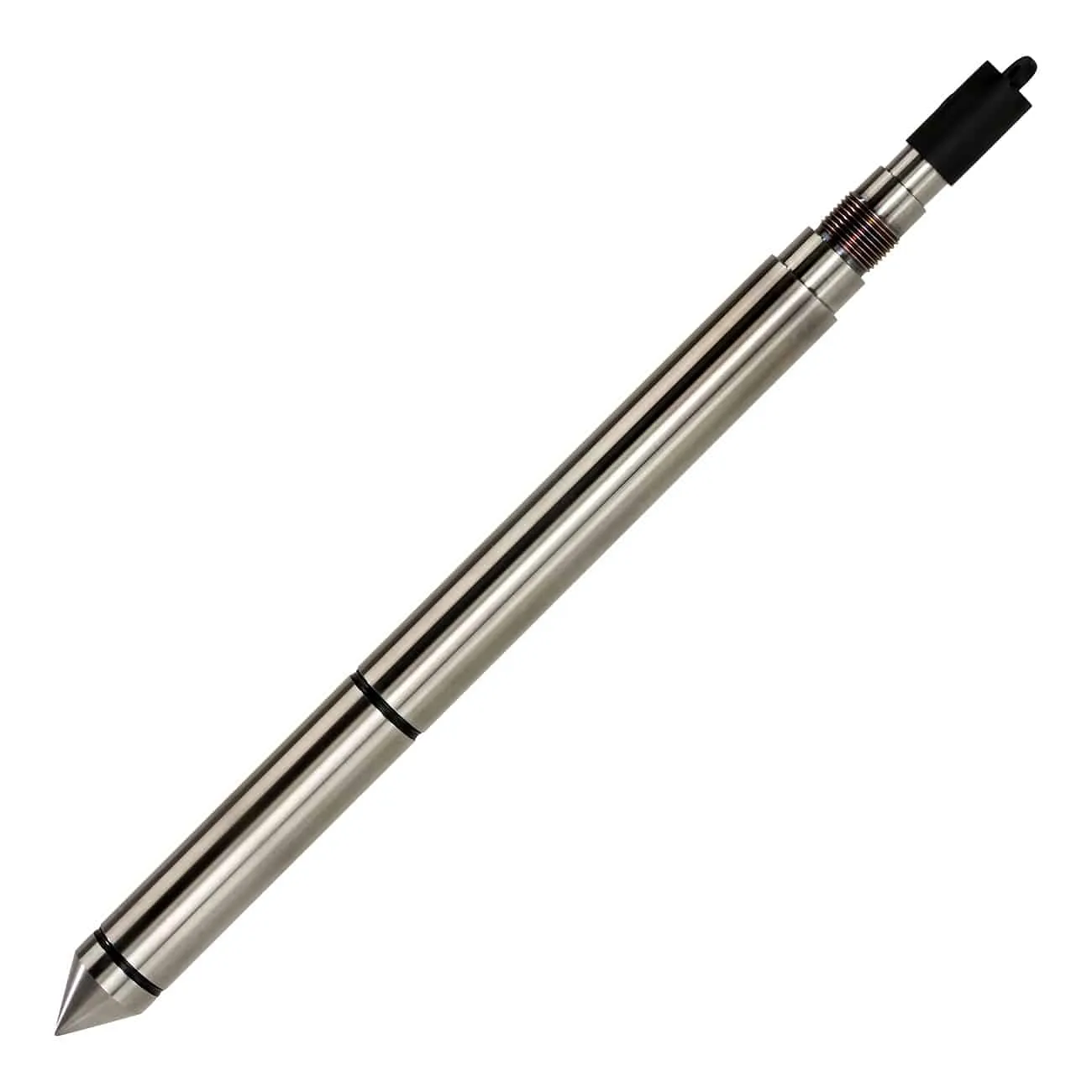
In seismic CPT testing, a seismic wave is generated at the surface. “You push a plate into the ground at ground level, then strike it with a hammer,” Verbeek explains. “The seismic module is located behind the cone. It is simply a sensor that works like a microphone and records when the seismic wave arrives. By combining the time between the plate being struck and the wave arriving with the distance travelled, you can determine the wave’s speed. However, the wave does not travel through the ground in a straight line, but follows the fastest route. This is a long-established principle, formulated by the Frenchman Pierre de Fermat in the 17th century as ‘the principle of least time’. This is often where the analysis goes wrong, because a straight line is assumed, resulting in incorrect conclusions. This is also the main problem with seismic CPT testing: misinterpreting the test results.”
Training
Royal Eijkelkamp has a great deal of in-house expertise in CPT testing, groundwater monitoring, sonic drilling and much more, worldwide. Verbeek, who has lived in the US for a long time, supports (prospective) Eijkelkamp customers with CPT testing. “We try to share as much as possible with our customers the knowledge we gain in the different markets,” he says. “Seismic CPT testing requires more attention and expertise. We help customers analyse the data correctly and determine a number of other parameters at the same time, such as the shear modulus or elastic modulus. Of course, we also sell seismic modules, CPT systems and much more, but we also want to pass on the theory. That way, when our customers start using these techniques, they will do so correctly. That is why we also organise various training courses every year on a wide range of topics, including a recent course on seismic CPT testing. We will run that course again this October.”
Seismic CPT testing therefore has many more applications than simply designing structures in areas with seismic activity. “Dynamic CPT testing is actually a better name, because the method provides insight into soil behaviour under dynamic forces,” says Verbeek. “And this is becoming increasingly important in the Netherlands, not only for railways but also, for example, when installing wind turbines. The Dutch market just needs a little time to get used to it, and we are happy to help.”
Question about this story? Ask your question
Keep following this
Get an email when a new story is published. No account needed.
- SubjectNews







