









‘Building in Water’ conference at Infratech 2023
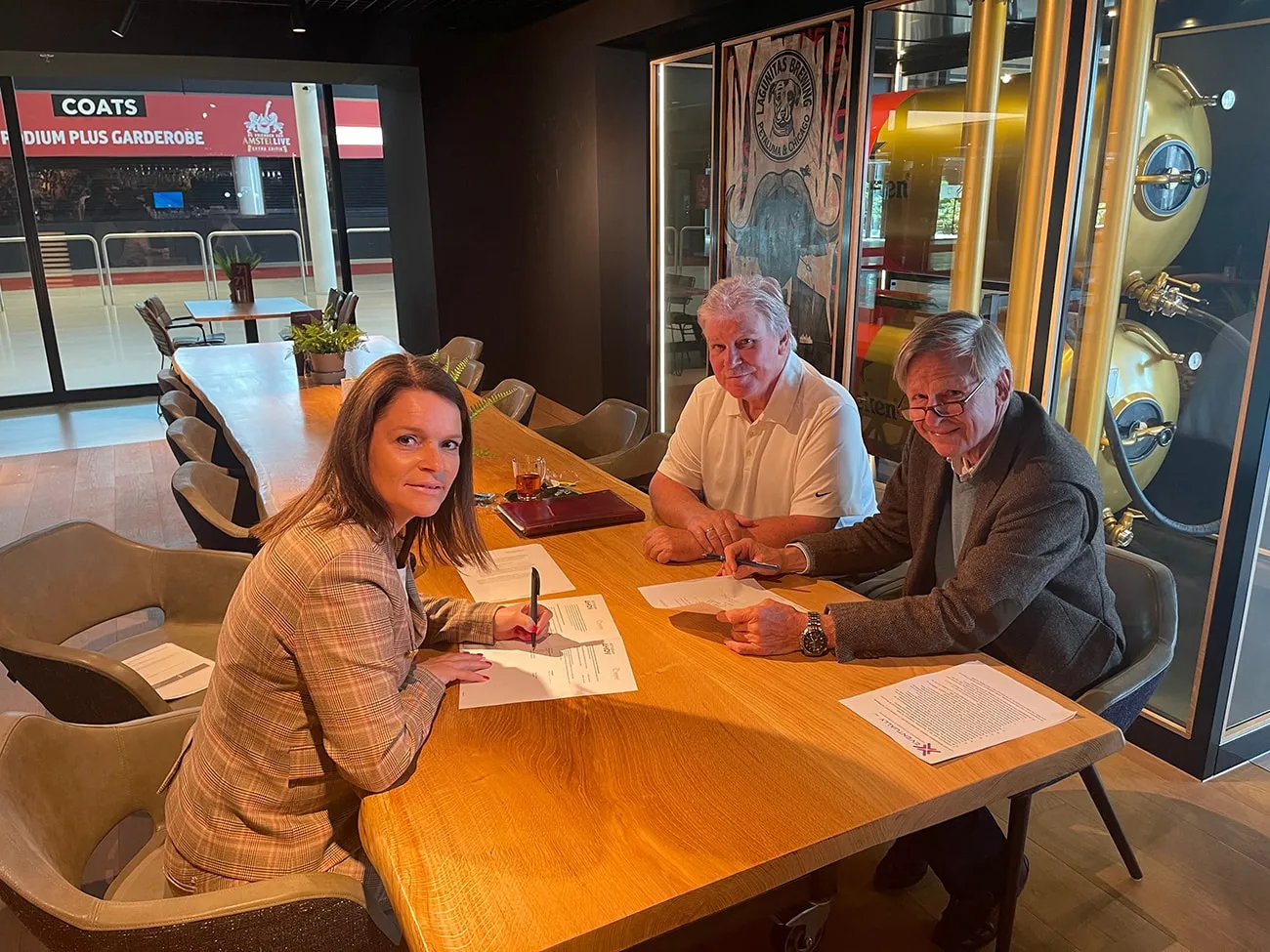
Rotterdam Ahoy and Eventually have decided to join forces to hold the ‘Building in Water’ conference, organised by Eventually, alongside InfraTech at Ahoy. ‘Building in Water’ follows on from the earlier ‘World Water Works’ conference, held at Antwerp Expo on 23 and 24 March 2016.
Visionary ideas for an industrial energy island at the mouth of the Western Scheldt
The symposium will address the construction of an industrial energy island at the mouth of the Western Scheldt, incorporating a flood barrier in the estuary to protect the hinterland, while maintaining access to the ports on the Western Scheldt and providing a second north-south link. The design of a seaport container terminal, with an offshore service harbour on the seaward side, will also be discussed. Other options to be considered include alternative energy sources from solar, wind and tidal power, as well as nature-based solutions.
Issues that concern everyone
The conference programme is being drawn up by Prof. Dr Ir Han Vrijling, professor at TU Delft, and Rein van Vliet of Eventually, with support from industry, trade associations and market leaders. It currently focuses on a maximum of 15 topics, including an official opening. We spoke to Vrijling and Van Vliet about this visionary symposium, covering issues that concern everyone. “If we want to keep the ports on the Western Scheldt safe and accessible and protect the hinterland from rising sea levels, building a flood barrier with locks is more than desirable. We are talking about safety guaranteed for a period of 100 years,” Vrijling begins.
Van Vliet adds: “This flood barrier could also serve as a second north-south road link.” Improving navigational safety on the Western Scheldt is also high on the agenda. Vrijling says: “The winding Western Scheldt is already a difficult tidal waterway. With the huge ships now struggling to make their way through, it is reasonable to expect blockages, as happened in the Suez Canal. To accommodate these colossal ships, the Western Scheldt is repeatedly dredged deeper. We should not want that, given the need to protect nature.”
Returning land to nature and people
Another topic is the gradual relocation of heavy industry from mainland Zeeland to an industrial energy island. “That would free up land for nature and people, for homes and recreation. It would also ease pressure on the existing ports,” says Vrijling. “And if you want to do it properly, the island could generate energy. Perhaps this could be done using other energy-generating solutions, such as a tidal power station. What about developing the island as an ‘energy hub’? Energy could then be stored and distributed.”
A flood barrier at the mouth of the Western Scheldt could protect Antwerp from high water. Van Vliet explains: “That would limit the need to raise dykes and save us 176 km of sea defences. The Sigma Plan would also no longer need further development. Let’s be honest: there are already signs in Antwerp’s port warning people not to park in certain locations, because you could come back to find your car partly submerged. There are also plans to allow silt to build up in the Western Scheldt, reducing the tidal range. A ‘nature-based solution’, then.”
From individual initiatives to a complete overview
“The bottleneck is that there are currently many separate initiatives to make small improvements, but no one has the big picture. We need alternatives to choose from,” Vrijling concludes.
Infratech
Infratech, 15th edition, and the cross-border symposium BOUWEN IN WATER, together from 2023.
The road to the most comprehensive event for the civil engineering sector!
Question about this story? Ask your question
Companies in this story
Keep following this
Get an email when a new story is published. No account needed.
- SubjectNews
- CompanyInfraTech







