









A replacement for mixed granulate in infrastructure and construction projects
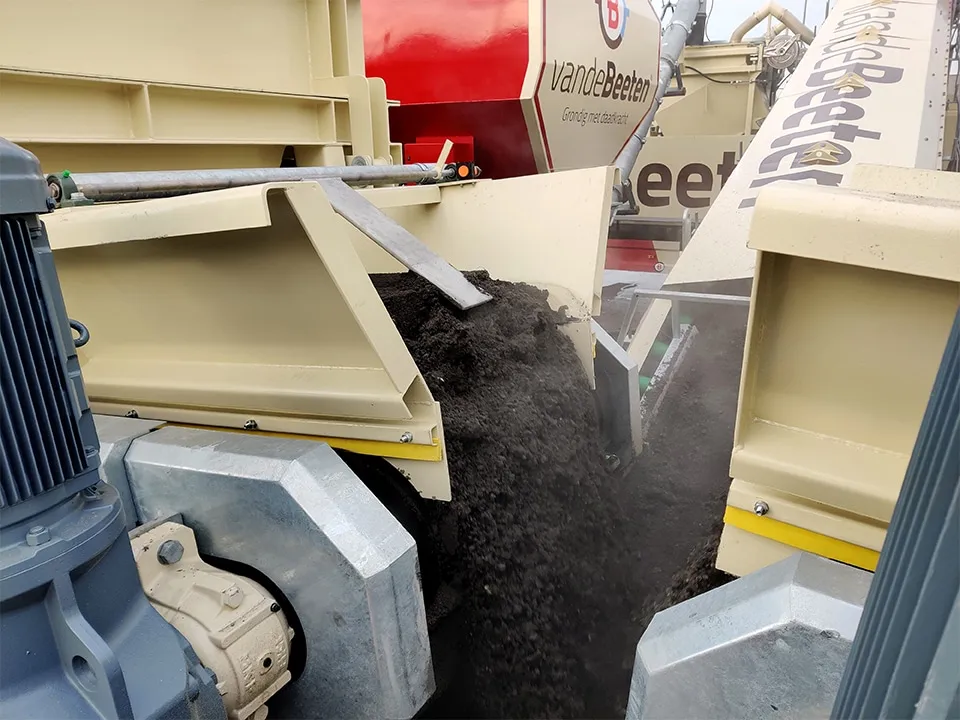
Two years ago, van de Beeten began searching for a replacement for mixed granulate for infrastructure and construction projects.
At the end of 2020, the moment finally arrived: van de Beeten commissioned its new mixing plant and began producing its own granular material.
A lengthy process preceded this. Reusing raw materials was central to the process. Managing Director Bas van de Beeten says: “Ultimately, the process resulted in a product that is strong, circular, sustainable and economically advantageous. This production offers several benefits to both clients and van de Beeten itself. We are proud to now be able to manage the entire process in-house. We are also the only company that both produces the material and immediately uses it.”
Operations Manager Niels Schellekens says: “The raw materials are supplied under certification. We arrange cement deliveries using our own bulk trailer, while the raw materials are transported by ship to the port location. Everything is organised to keep the number of transport movements to a minimum. We want to manage the entire process ourselves, from the arrival of the raw materials through to using our own product.”
Production, mix design and delivery
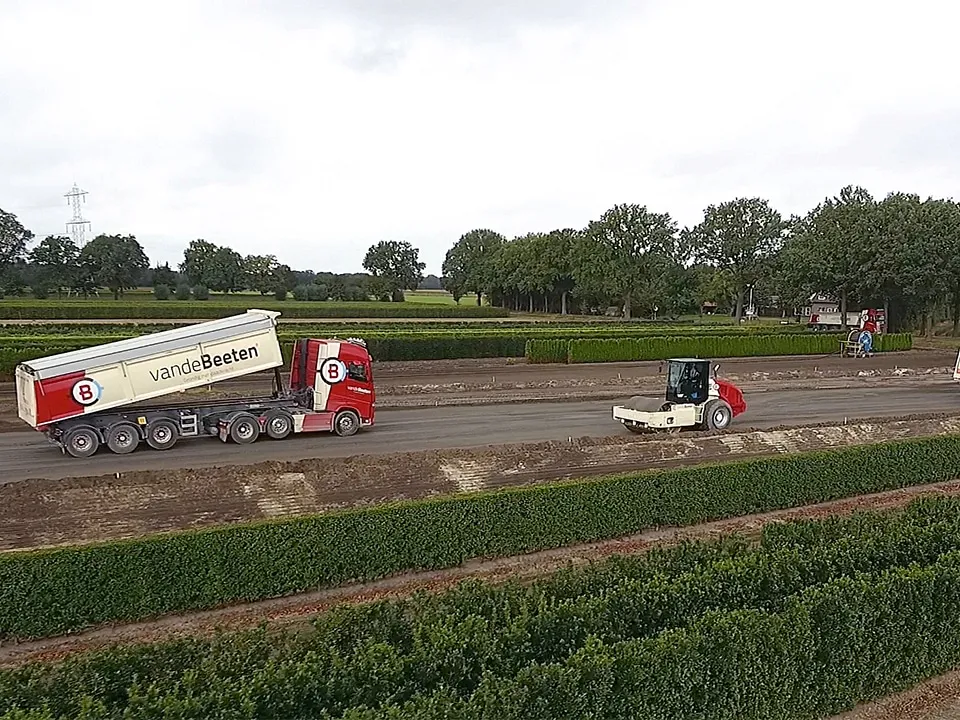
Raw Materials and Trading Manager Ted Kees says: “Thanks to the requirements we have set and the bespoke solutions we provide, we can produce up to 3,000 tonnes a day. We can adjust the mix design down to the last detail, and can also produce other mixes on request. Our granular material, a replacement for mixed granulate, is made from cement and bottom ash. Thanks to our own trailers, van de Beeten can also deliver the finished product to site. Our experienced operators then spread and compact it on site.”
Properties
One major advantage of the finished product is its favourable environmental cost indicator (MKI) score, which is € 0,96 per tonne. This is highly beneficial for BREEAM projects. The product also has a number of other advantages. Alongside the economic benefits, it has a higher compressive strength, produces less mess, and requires fewer thick concrete floors and fewer road plates. It is also a certified construction material that can be used without restrictions.
Ready to move and get started
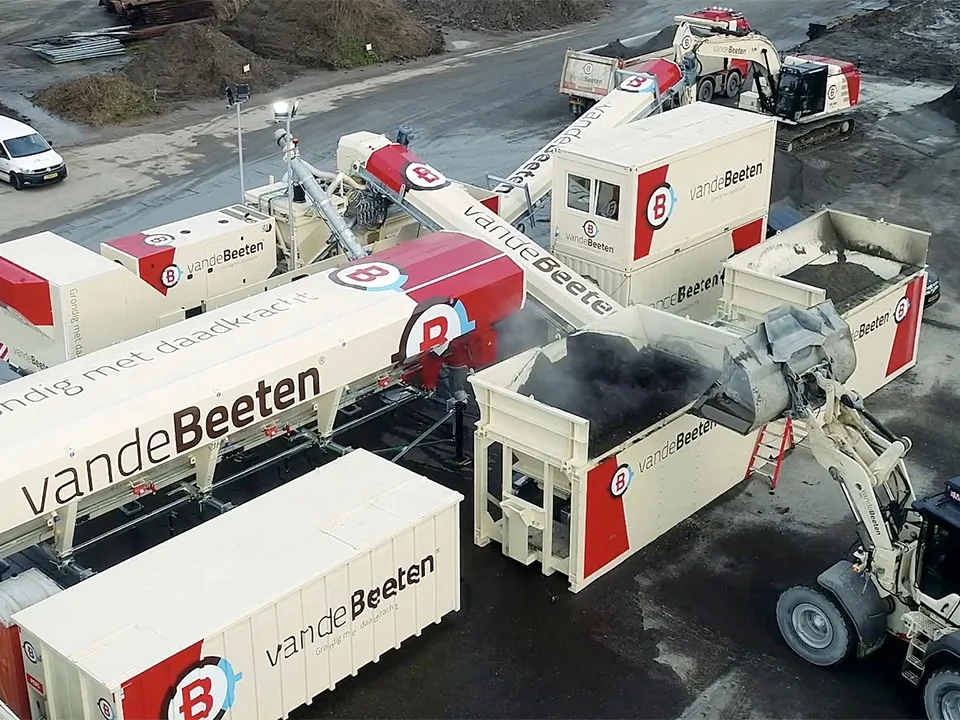
Four lorries are needed to move the entire mixing plant. Even so, its mobility is a major advantage. Ted Kees explains: “Because we can move the entire plant, we can always set it up close to a project. This saves us many kilometres of transport, among other things. The key requirement is having a suitable port location nearby. The mixing plant was first used in Oss at Vissers Ploegmakers. Two years after the original idea, the machine was up and running there within a day.”
Question about this story? Ask your question
Companies in this story

Keep following this
Get an email when a new story is published. No account needed.
- SubjectNews
- CompanyVan de Beeten B.V.







