









Data-driven asset management

A huge amount of data is generated during the construction of an asset such as a bridge. This includes its location, dimensions, the configuration of the systems used, and the origin and use of materials. All this data is essential for more efficient, sustainable and predictable management and maintenance. Until a few years ago, however, the link between the different phases, construction and maintenance, was often not made, meaning that useful data was lost. Fortunately, this is now recognised, and more and more effort is being put into efficiently sharing asset data. CGI is one of the leaders in this field. Through its own iAMLAB, the Infra Assetmanagement Lab, CGI is experimenting with ways to enable data to be shared between different market players and across different construction phases, in a standardised way.
For more efficient and predictable management and maintenance
Many parties are involved in the different life-cycle phases of an asset (design, construction, maintenance, renovation and demolition), says Laurens Lapré, Vice President Consulting Expert at CGI. “Information created at the start of the life cycle is also needed right at the end. Data does not always flow from one phase to the next. As a result, data gathered during construction is missing in the maintenance phase. The solution? Make it easier for clients and contractors to share data across the different phases of an asset. And preferably in a standardised way.”
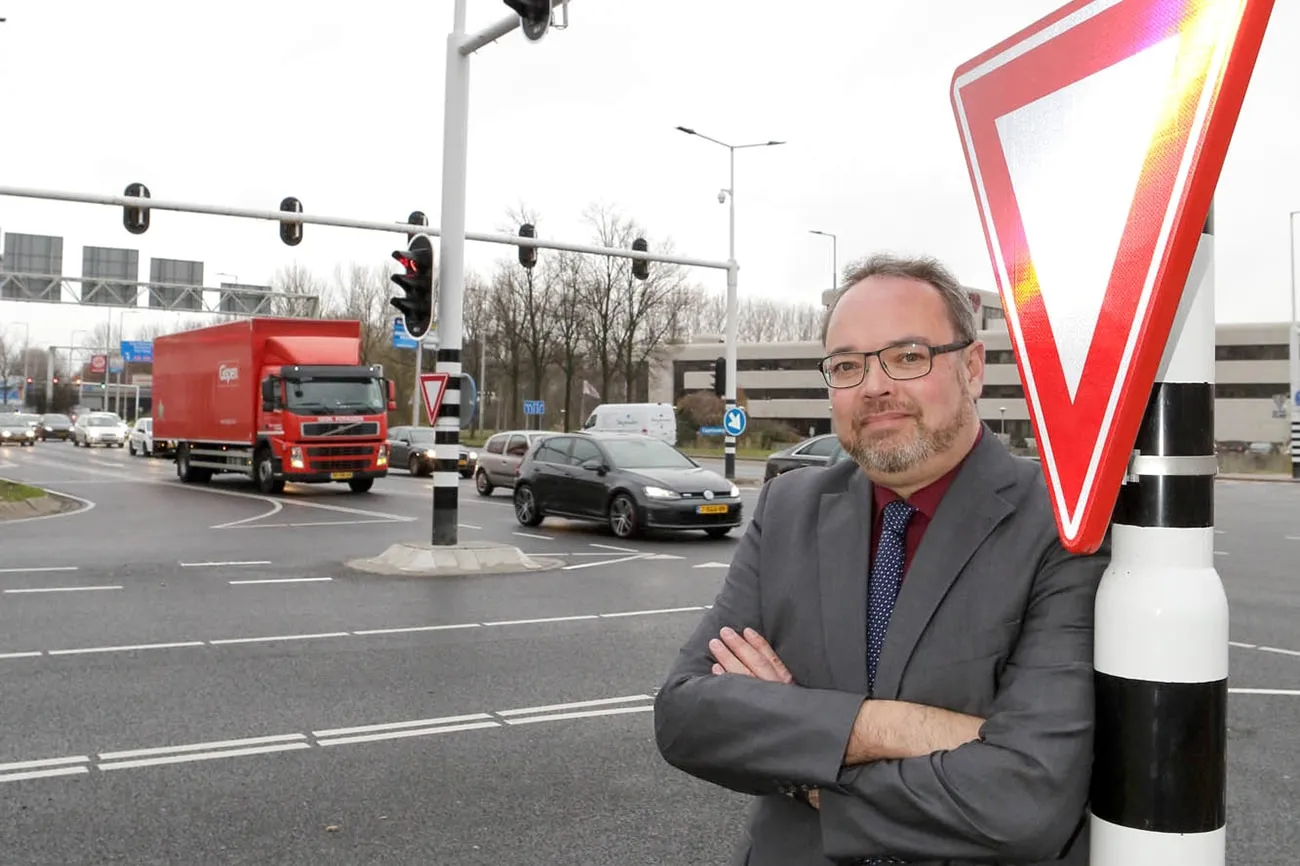
iAMLAB
According to Lapré, a great deal is already being done in the built environment to develop standards, driven by major infrastructure projects and the many sensor data sources now becoming available. Rijkswaterstaat has also launched a programme to achieve data-driven asset management by sharing data and tapping into new data sources (see box, ed.). Data from systems, measurements and sensors is essential for this, but the information is often not held by a single party. Data from multiple parties needs to be brought together to create a complete picture. “We do this first and foremost in our iAMLAB. In a laboratory setting, we can connect different technologies,
test them and combine them with asset data. We can then assess whether the technology is ready for large-scale use in large organisations. Testbeds like these are essential for trialling supply-chain collaboration and data sharing, and for making the value of sharing visible to everyone involved. That buy-in is what determines whether it will actually be implemented in practice later on.”
Legislation and regulations
Getting the technology to work is only the first step, Lapré acknowledges. “The next step is to embed the working method in the process steps. You can build a fantastic model that makes predictions, but if regulations require a physical inspection on site, such a predictive model is of limited use. There is still a major gap between what technology makes possible and how far it fits within current processes, given the legislation and regulations. One important task for our iAMLAB is therefore to explore the extent to which regulations and processes allow new technology to be used. And, above all, what is needed for large-scale implementation. Fortunately, there is considerable interest in Europe in establishing broad European frameworks for agreements, including work on data standards for specific domains. This also covers how different datasets can be linked in a federated way, enabling data to be exchanged securely while the supplying organisation retains control. CGI is closely involved in this as well.” A comparable initiative in the Dutch construction sector is the Digitaal Stelsel Gebouwde Omgeving (DSGO), a set of uniform agreements that provides safe, reliable and controlled access to data in the design, construction and engineering sector.
Information needs to be found before it can be used. “Often the information is there, but it is difficult to find. Or its quality is unknown. Everyone has to reinvent the wheel time and again. That is why we wholeheartedly support initiatives such as DSGO and, at European level, the International Data Space initiatives,” says Lapré. “It is much easier to join an existing network. You often gain access to information you did not know was available. This helps data flow much more freely and creates real value for all parties.”
Data-driven asset management at Rijkswaterstaat
By sharing existing data on Rijkswaterstaat’s assets and using new data sources, Rijkswaterstaat and five maintenance contractors aim to work together towards more data-driven asset management. This initiative is set out in a cooperation agreement, which was recently signed at InfraTech 2023 at Ahoy Rotterdam.
Data-driven asset management makes the management and maintenance of bridges, tunnels and locks more efficient and predictable. Making smarter use of existing data and tapping into new data sources helps inform asset-management decisions about performance, costs and risks. Rijkswaterstaat is exploring and making use of the opportunities through its Data-driven Asset Management programme (DGAM), together with market players, knowledge institutions and other public authorities.
A business enquiry for InfraTech? Get in touch
Companies in this story
Keep following this
Get an email when a new story is published. No account needed.
- SubjectNews
- CompanyInfraTech







