Platform on civil engineering, underground infrastructure, energy, construction equipment & construction machinery
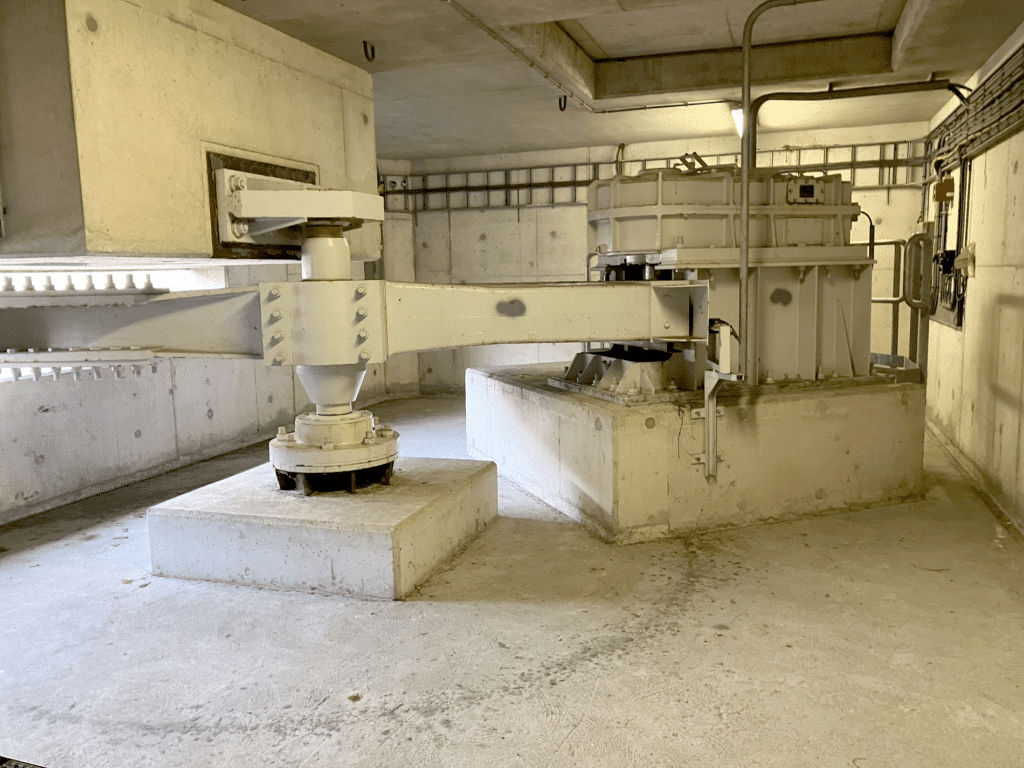
How do you ensure that eight modified and new ‘machines’ within the Krammersluis complex operate safely and comply with the latest European Machinery Directive? That is precisely the challenge facing the specialists at Kader. Kader is supporting the project team in the safe design, implementation, and ultimately CE marking of the individual machines within the renovated lock complex.
Kader’s involvement arose from the need for specialized expertise in the areas of machine safety, functional safety, and their practical implementation. “Because virtually all installations (machines) are undergoing major renovations, Rijkswaterstaat considers this a substantial modification. As a result, these machines scheduled for renovation must be treated as new machines, including a full CE certification process,” explains Dennis van Loon, machine safety consultant at Kader.
Broadly speaking, this involves the yacht locks, the bascule bridge, the push-boat locks, the maintenance yard, and the entirely new spillway and fish migration system. “Each component has its own safety issues,” explains Jorn Harms, a machine safety consultant at Kader. “Some machines are CE-marked as ‘standalone machines,’ while, for example, the roll-up doors in the push-boat locks receive a declaration of incorporation as incomplete machines.”
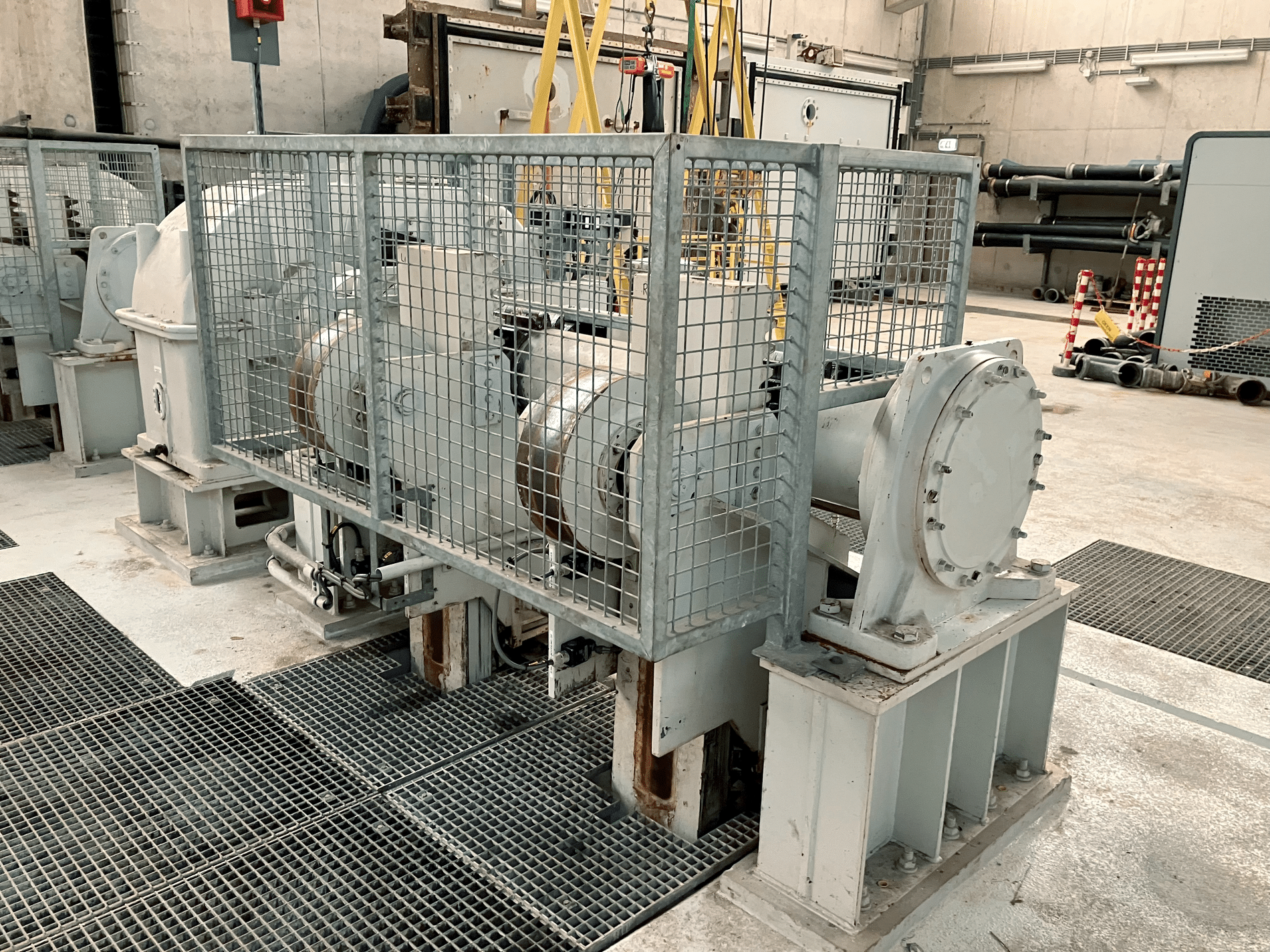
The biggest challenge lies in the combination of scale, technical complexity, and the large number of disciplines involved in the project. “Where civil engineering, mechanical engineering, and electrical engineering intersect, safety risks must be comprehensively assessed and managed,” Jorn emphasizes. “This certainly presents unique challenges, particularly with the upgrade of the push-lock locks.” He cites as an example the new freshwater-saltwater separation system featuring a so-called bubble screen and supplementary freshwater flushing. “This creates new flow patterns in the lock chamber, with direct implications for the safety of shipping. Which gates and leveling devices can be open at the same time? What flow velocities in the lock chamber are still acceptable? How do you prevent translational waves? And how should safety systems respond to these conditions? These are issues for which there are no standard solutions.”
To this end, Kader maps out all scenarios, conducts risk assessments, and translates the results into specific safety requirements for control systems, installations, and user facilities. This involves examining not only the major systems but also walkways, stairs, platforms, cameras, communication devices, and warning signals. Another unique aspect of this project is the new European Machinery Regulation, which must be legally implemented as of January 20, 2027. “It is essentially the successor to the current Machinery Directive, which—in addition to various administrative and documentation-related changes—brings significant changes to this project, particularly in the areas of cybersecurity and safety software,” says Dennis.
To keep the enormous amount of information manageable, a risk module was created in the Relatics requirements management system—which is used within the project—in collaboration with Jorn and Dennis, and all essential health and safety requirements from the Machinery Directive were added. Links have also been established between these requirements, the risks, the control measures, and the design documents that specify how these requirements are met, thereby creating a traceable relationship between the essential health and safety requirements and the design documents in which they are demonstrated. “This ensures that, throughout every design and implementation phase, it can be demonstrated that safety is not only conceived but also actually achieved,” Jorn concludes.