Platform on civil engineering, underground infrastructure, energy, construction equipment & construction machinery
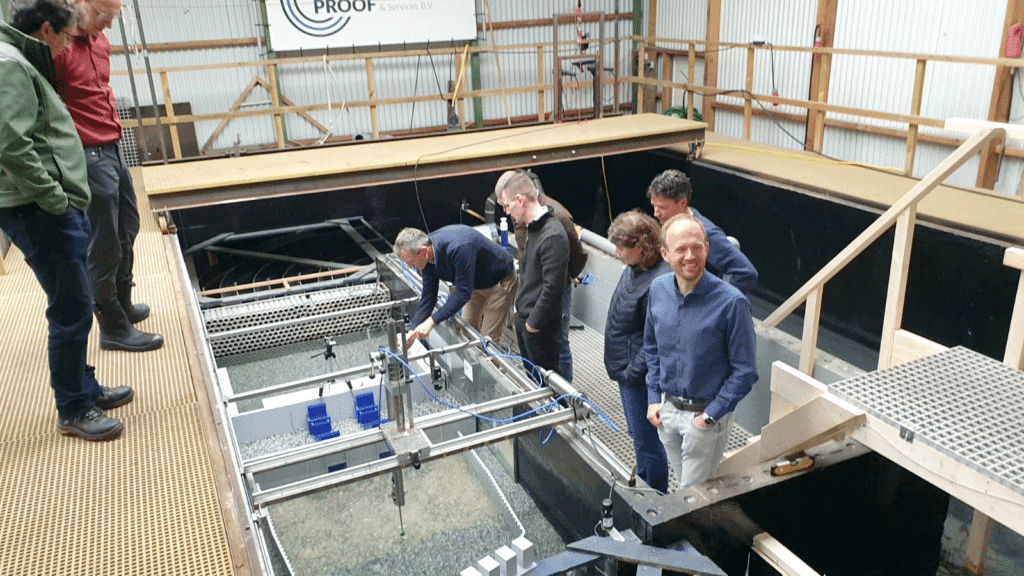
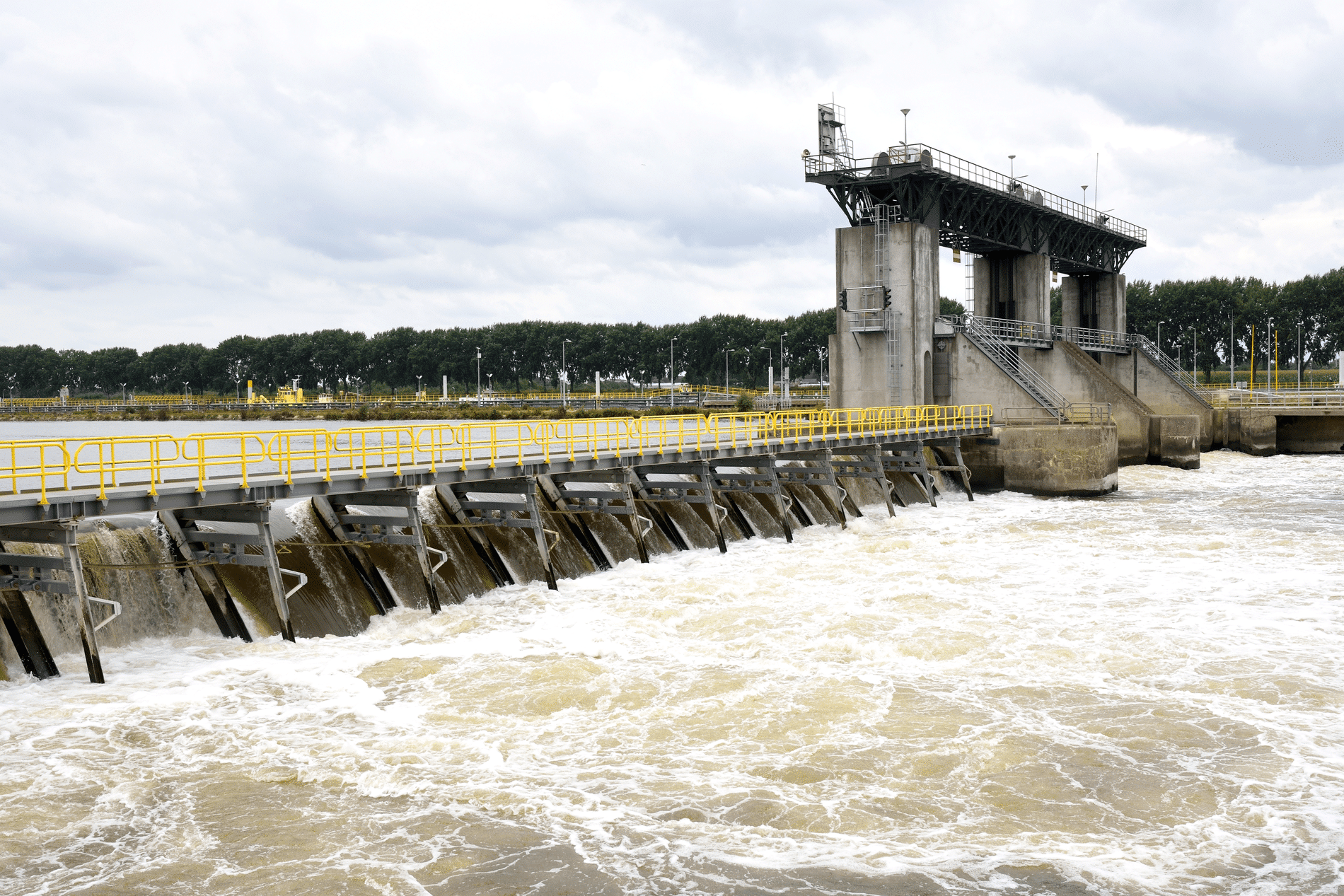
The renovation of the Krammersluizen is one of the most complex hydraulic engineering projects in the Netherlands, involving extensive documentation regarding hydraulic loads. As lead hydraulic engineer within the ZEEKR consortium team, Hessel Voortman Engineering Consultancy ensures coordination among all hydraulic engineering disciplines and translates complex hydraulic loads into concrete design requirements.
The challenge begins right at the foundation of the contract between Rijkswaterstaat and the ZEEKR consortium, Hessel explains. “Water level differences, wave heights, and current conditions are specified in the contract, but they do not yet serve as direct input for the structural engineers. That data must first be converted into the actual forces and loads acting on the lock gates, sluice gates, leveling openings, and other components of the complex.”
The extensive study on hydraulic loads was carried out under Hessel’s leadership, involving various specialists and engineering firms. He also focused on the new spillway fish passage. “This facility not only contributes to water management but also improves migration opportunities for fish,” he says. “The design required extensive numerical analyses and scale model studies. I was also responsible for the substantive direction, specification, and supervision of these studies.”
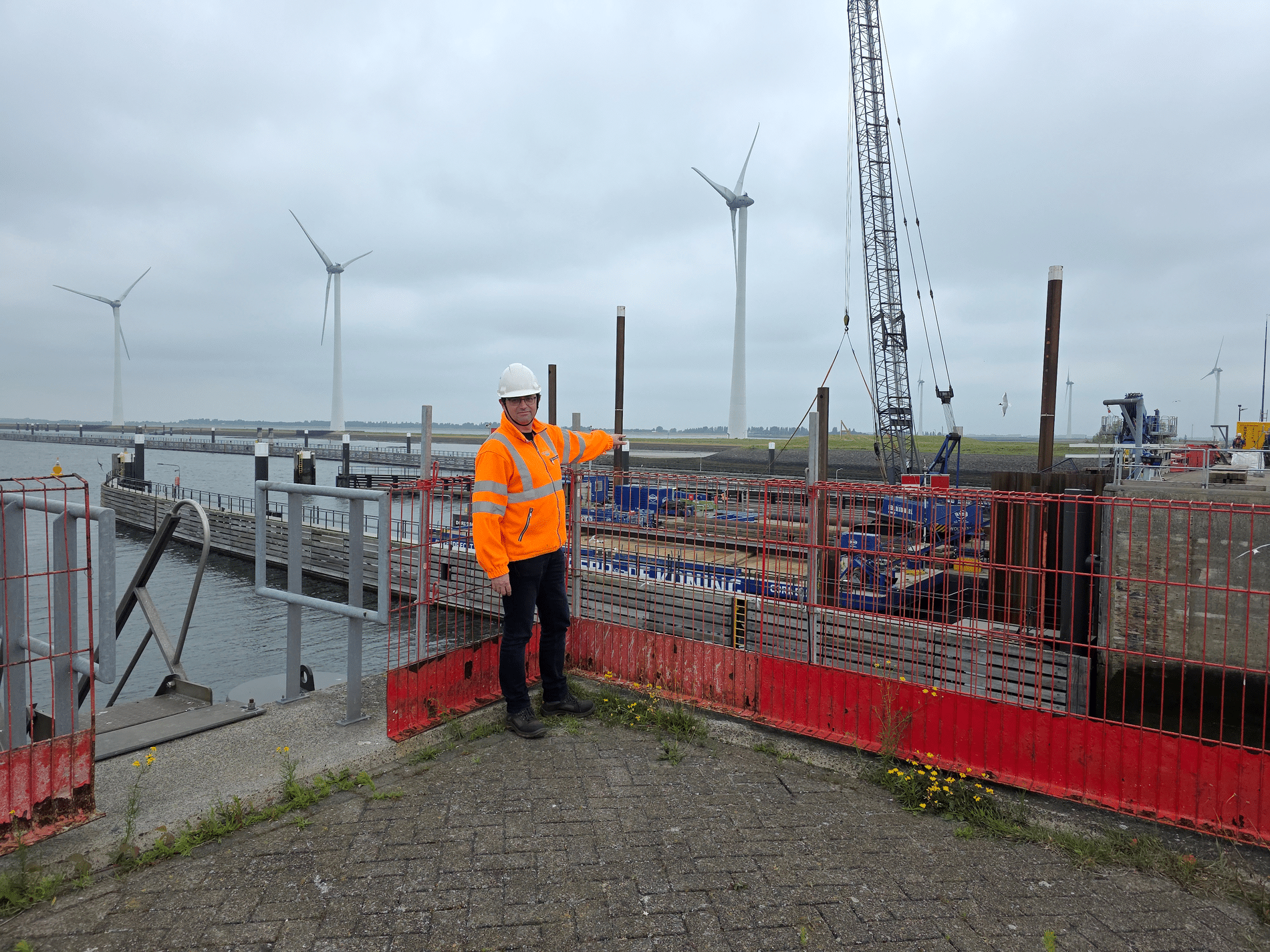
Hessel is currently working on various specialized issues related to implementation. “By using well-chosen analyses, I try to make the implementation process a little easier,” he says. “That’s my business model, anyway. I have a background in science. I’ve always maintained that scientific approach, primarily with the goal of better facilitating implementation.” For example, using advanced analyses, he was able to demonstrate that part of the existing soil protection could be retained. “That saves materials, energy, construction work, and reduces risks.”
According to Hessel, what makes the project special is the large number of issues that converge simultaneously at a single lock complex. “New facilities, renovations of existing components, and implementation challenges are constantly intertwined. As chair of the hydraulic engineering consultation with Rijkswaterstaat, I also help facilitate joint discussions of technical dilemmas and work toward finding solutions that everyone supports.” In this way, in-depth hydraulic engineering knowledge serves as the link between theory and practice, and helps advance the implementation of one of the largest lock renovation projects in the Netherlands.