Platform on civil engineering, underground infrastructure, energy, construction equipment & construction machinery
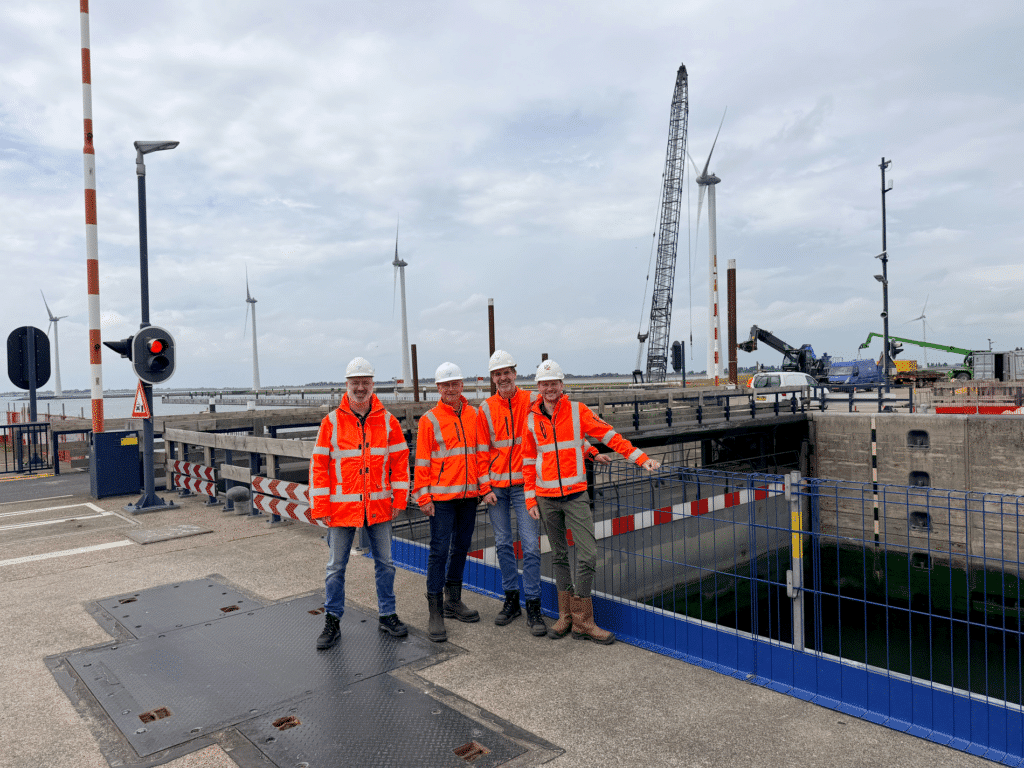
The renovation of the Krammersluizen is one of the most extensive infrastructure projects currently underway. While the lock complex is being fully modernized, shipping must be able to continue uninterrupted. This requires smart organization of management, maintenance, and renovation. Leave that to Amstelland Ingenieurs, a specialist in maintenance and asset management.
“We look at the entire life cycle of a structure. Not just how something is built, but especially how it can be managed safely, reliably, and cost-effectively throughout its intended lifespan,” says Duncan Klene, co-founder of Amstelland Ingenieurs.
Amstelland Ingenieurs, together with Maasstad Ingenieurs, is part of Ingenieursgroep Nederland. Within that group, each company has its own area of expertise. “We specialize in maintenance and asset management and, in that capacity, are involved with the Krammersluizen. Our sister company, Maasstad Ingenieurs, focuses on the design of the technical systems for the new lock complex. In this way, we support clients across various disciplines, guided by the motto: small if possible, large if necessary. Each entity operates independently, but on large-scale projects, the strength of the collective really comes into its own.”
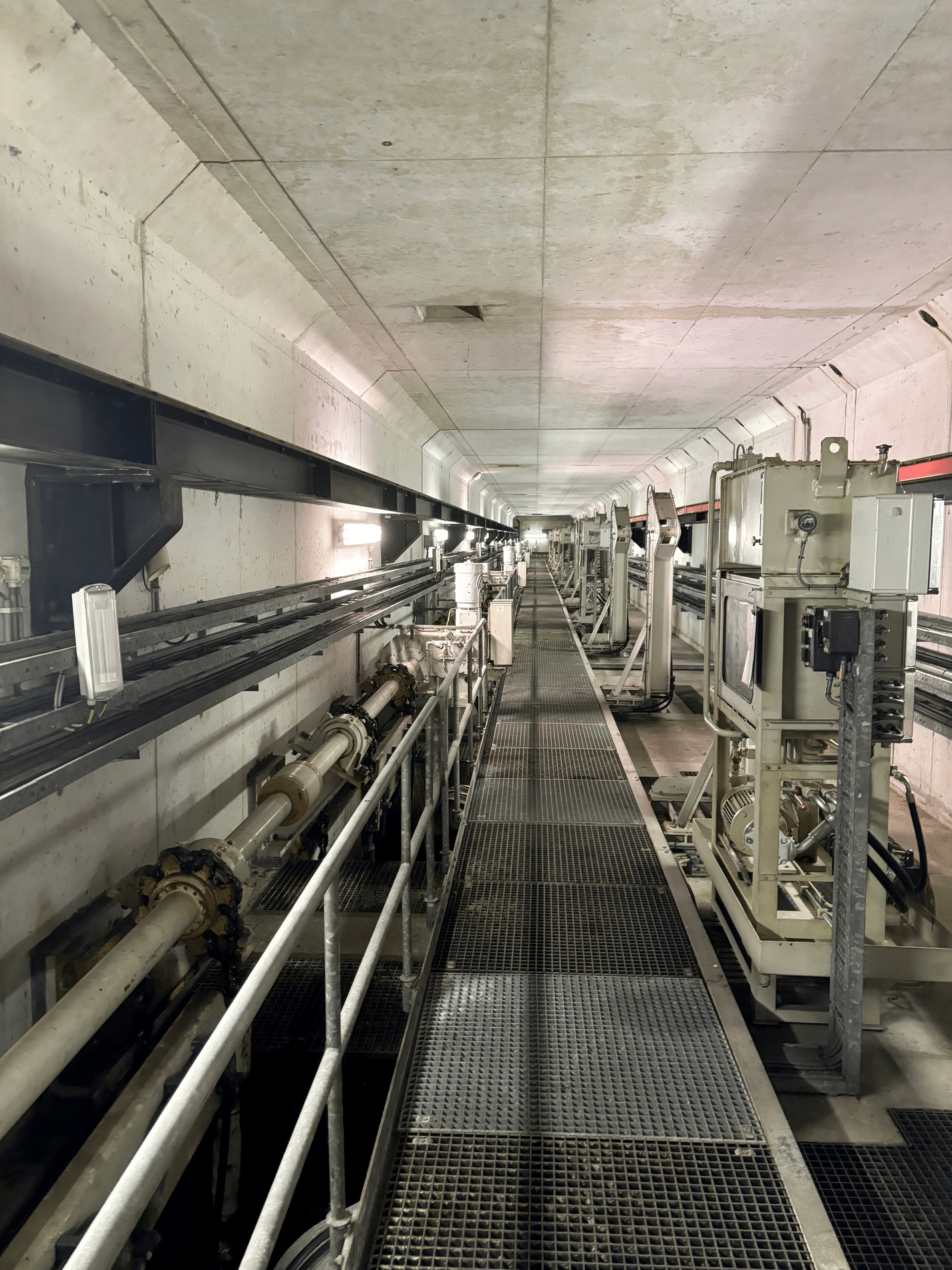
“Our sister company became involved in the project as early as the tender phase. The ZEEKR consortium asked us to help develop the structure of the future maintenance organization and the asset management strategy for the lock complex. While designers are working on the technical solutions for the renovation, we are focusing specifically on the long-term implications for management and maintenance,” says Duncan. “Which design choices lead to lower maintenance costs? How do you ensure that systems remain easily accessible? And how do you prevent future maintenance work from becoming unnecessarily complex? By asking these questions early in the design process, we can create a facility that functions well technically and can also be managed efficiently throughout its entire lifespan.”
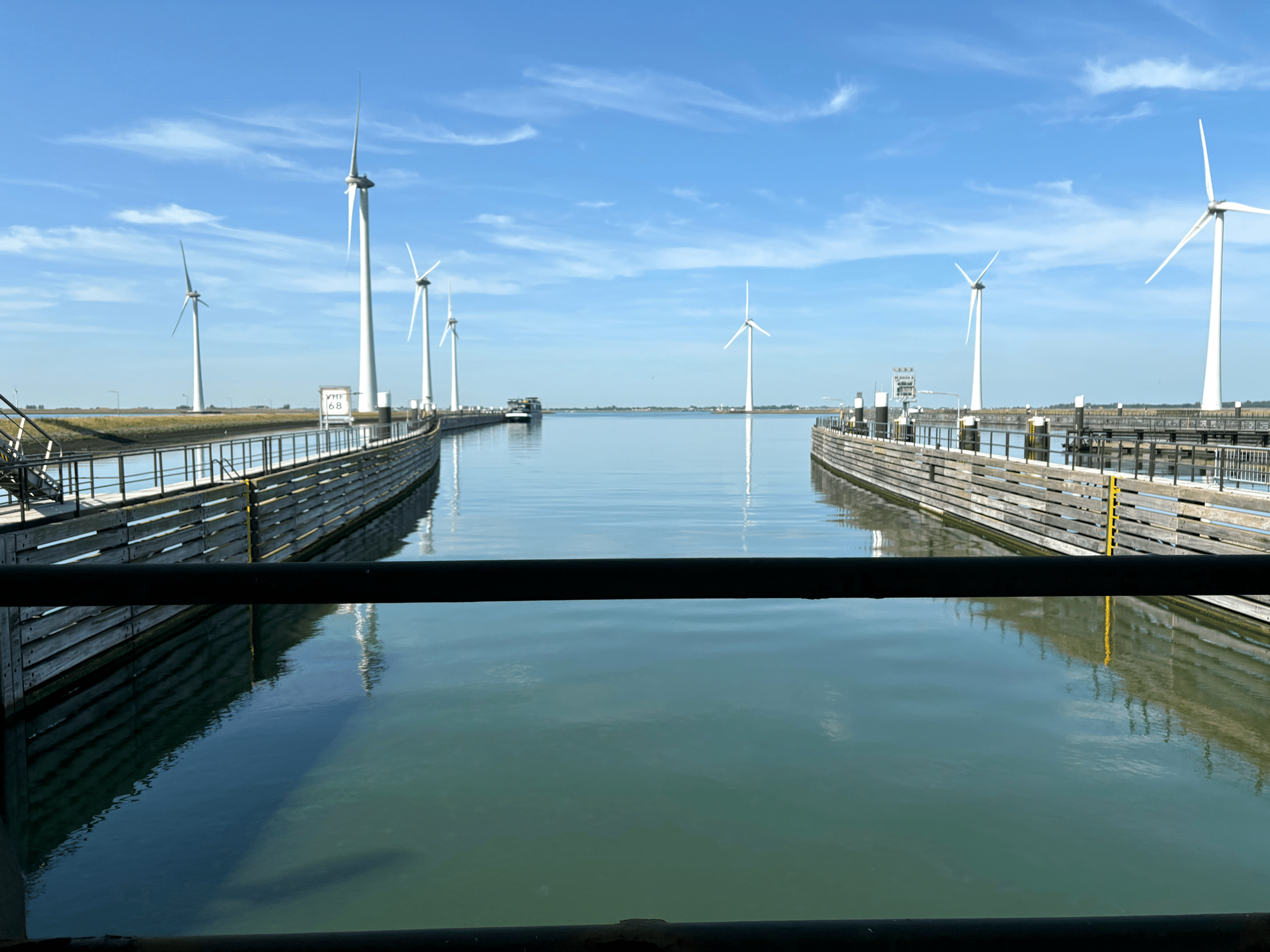
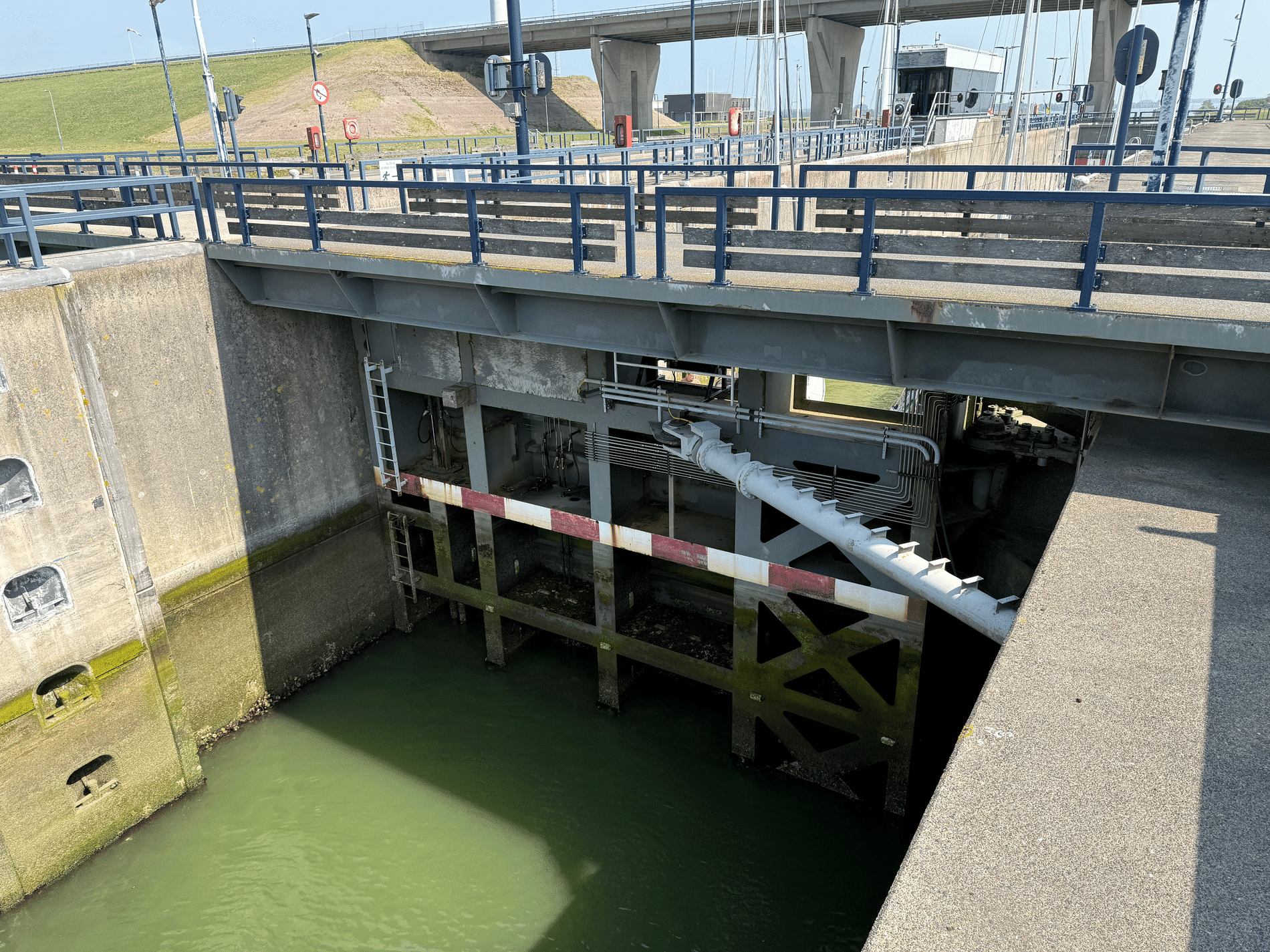
Since March 2025, the ZEEKR consortium has been responsible for the management and maintenance of the existing lock complex. Amstelland Ingenieurs is handling the overall maintenance coordination. “This is taking place right in the middle of the complex renovation project,” Duncan explains. “The Krammer Locks consist of four lock chambers: two for commercial shipping and two for recreational boating. Because not all lock chambers can be taken out of service at the same time, the work is being carried out in phases. While one lock chamber is being renovated, the others must remain available for shipping traffic. That makes the project particularly challenging. You’re essentially constantly monitoring the availability of the complex. Each renovation step has implications for the systems that remain in operation. These systems must function with even greater reliability, precisely because there is temporarily no alternative.”
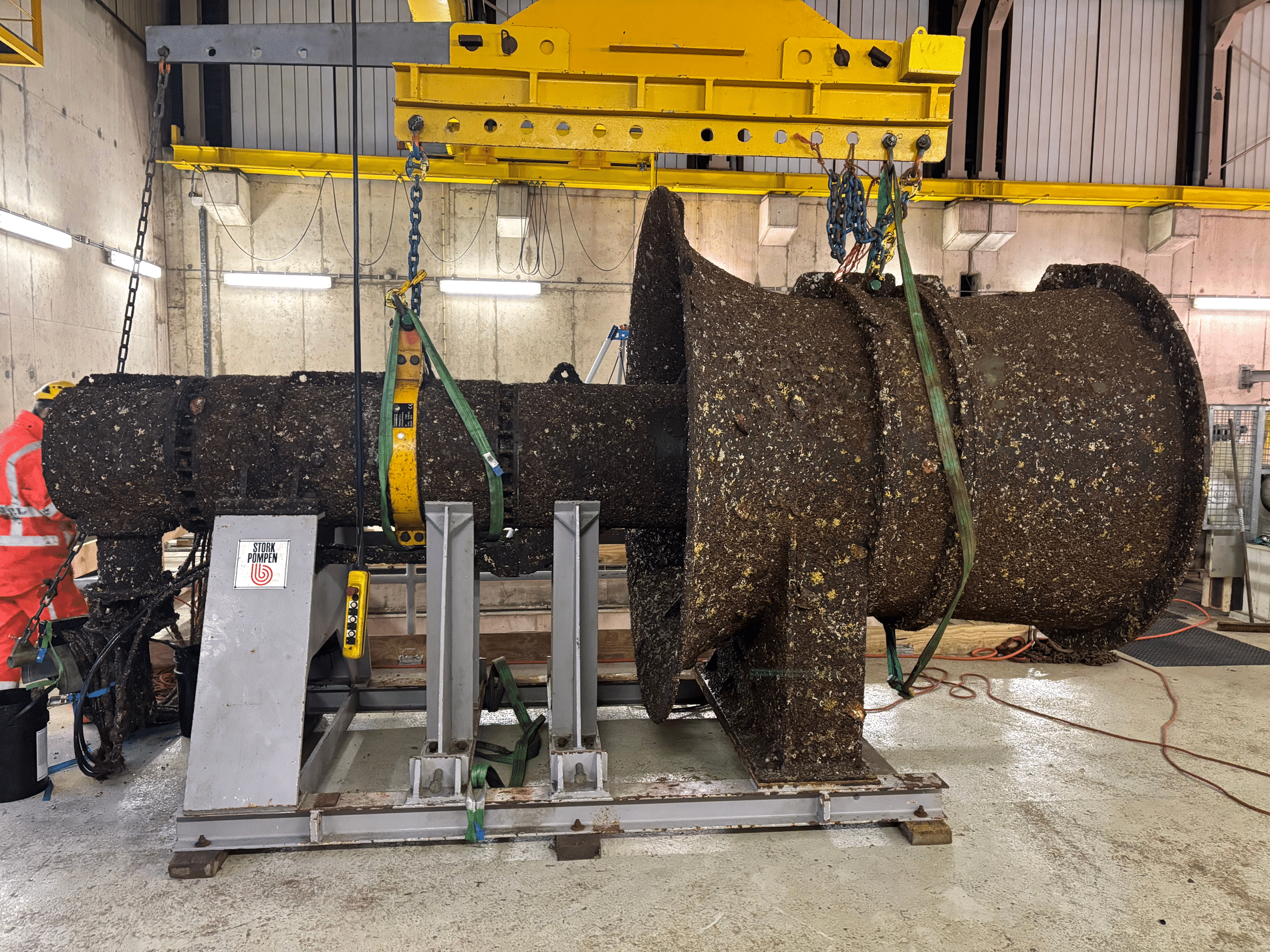
According to Duncan, Amstelland Ingenieurs therefore explicitly serves as the project manager in this initiative. “We manage the maintenance holistically and ensure coordination among all parties involved. This involves aligning civil engineering, mechanical engineering, and electrical engineering maintenance activities. We also handle reporting to Rijkswaterstaat.” The actual maintenance is carried out by specialized partners from the ZEEKR consortium. “Because we maintain an overview, we have control over the entire maintenance program, and work can be carried out efficiently without losing sight of the lock complex’s operational availability.”
One of the first challenges was gaining insight into the actual condition of the farmland. “To ensure that this transition period went smoothly, we conducted a comprehensive baseline assessment in collaboration with a specialized inspection firm. During this process, installations and structures were thoroughly inspected, and risks were systematically identified. This provided valuable insights,” Duncan notes. “This made it clear which components required extra attention during the maintenance phase and also brought to light various risks that fell outside the original scope of the renovation. Together with Rijkswaterstaat, we then assessed which additional measures were needed to ensure the reliability of the complex during the renovation period.“
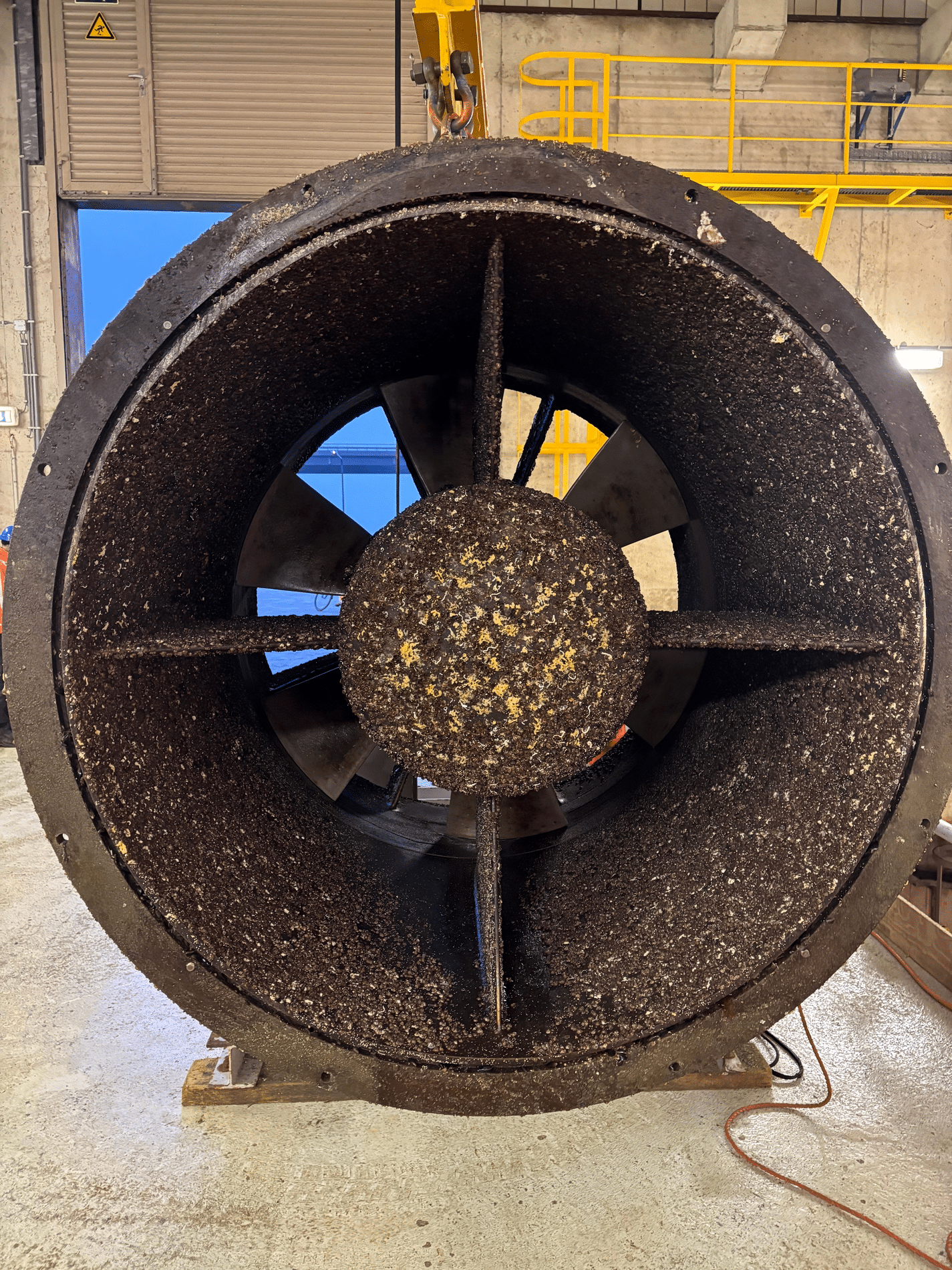
Amstelland Ingenieurs“ contribution is not limited to day-to-day maintenance coordination. The firm is also actively involved in the design of the upgraded systems. Specialists evaluate designs for maintainability, accessibility, safety, and future sustainability. ”In addition, maintenance concepts, work instructions, and maintenance plans are developed that can be implemented immediately upon completion,“ Duncan adds. This integrated approach yields significant benefits. ”If we don’t properly develop a maintenance concept now, we’ll have to deal with it ourselves later during the management phase. That creates a strong incentive to make the right choices up front.”
Collaboration within the project is at least as important as the technology itself. “From day one, we’ve focused on maintaining an open and transparent relationship with Rijkswaterstaat,” Duncan emphasizes. “Risks are discussed in a timely manner with the goal of keeping the lock complex fully operational while minimizing disruption to users. For the ZEEKR and Rijkswaterstaat consortium, we are the party that continuously monitors whether design choices, maintenance strategies, and implementation decisions contribute to the same goal: a safe, reliable, and future-proof lock complex. That is the power of modern asset management.”