Platform on civil engineering, underground infrastructure, energy, construction equipment & construction machinery
The Added Value of Geotechnical Consulting
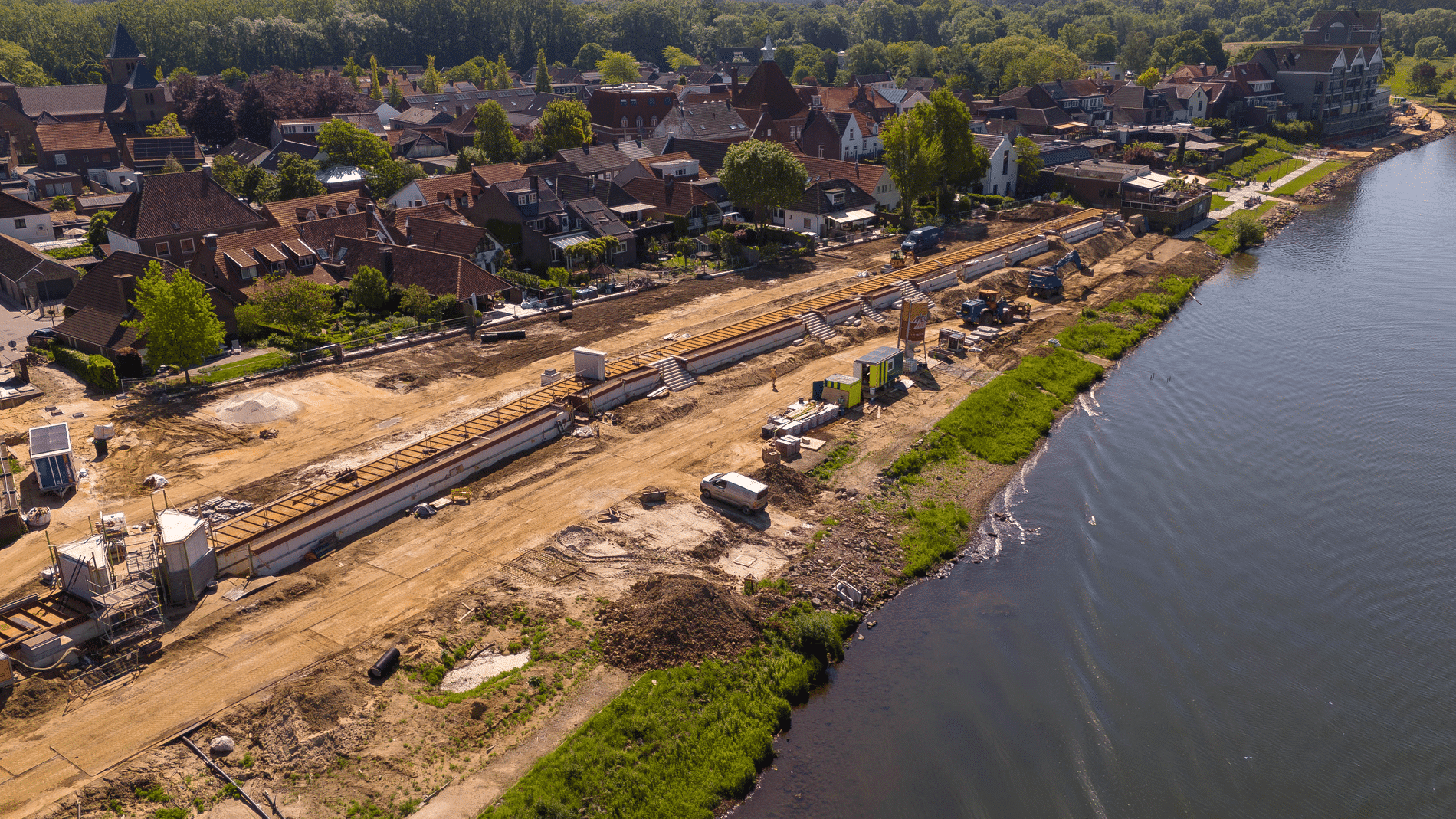
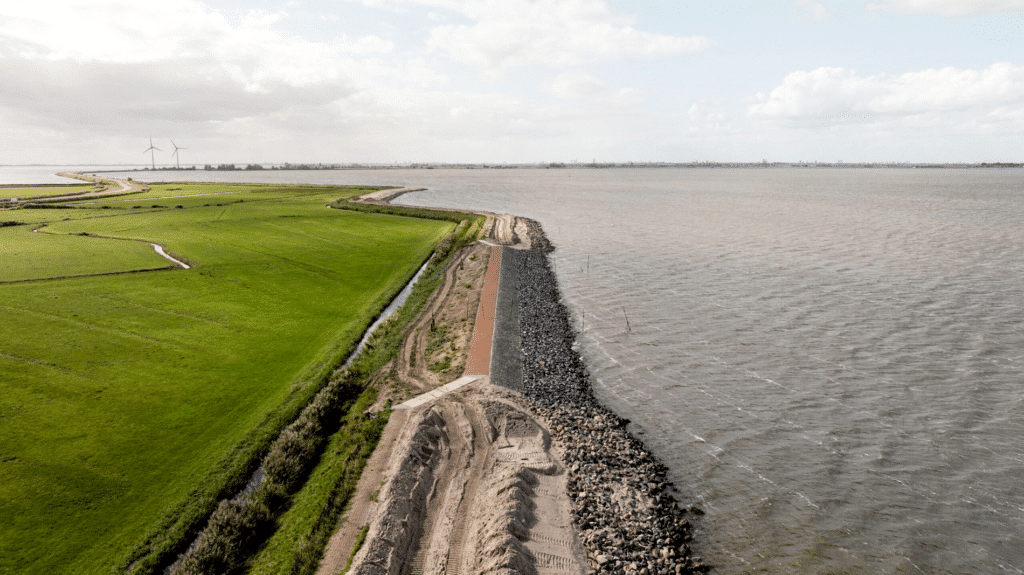
Water safety is central to the dike reinforcement project on Marken. Haskoning’s engineering team was brought on board as early as the tender phase and remains closely involved in the project even now, during the implementation phase. By conducting an in-depth analysis of the subsoil and feasibility, a smarter design was developed—one that requires less embankment and significantly smaller volumes of sand, while maintaining the same level of flood protection. It was precisely this early involvement of geotechnical expertise that proved decisive for the project’s success.
During the tender phase, Haskoning’s specialists assessed the feasibility of the reference design. “It quickly became clear that the original plans were based on using large quantities of sand,” says Clara Spoorenberg, a geotechnical specialist at Haskoning. “That would not only be costly, but also entail risks. The dike is located at the bottom of the Markermeer, where there are thick layers of soft peat. This subsoil is particularly susceptible to settlement and instability. Raising the embankment too heavily or too quickly could lead to shear failure.”
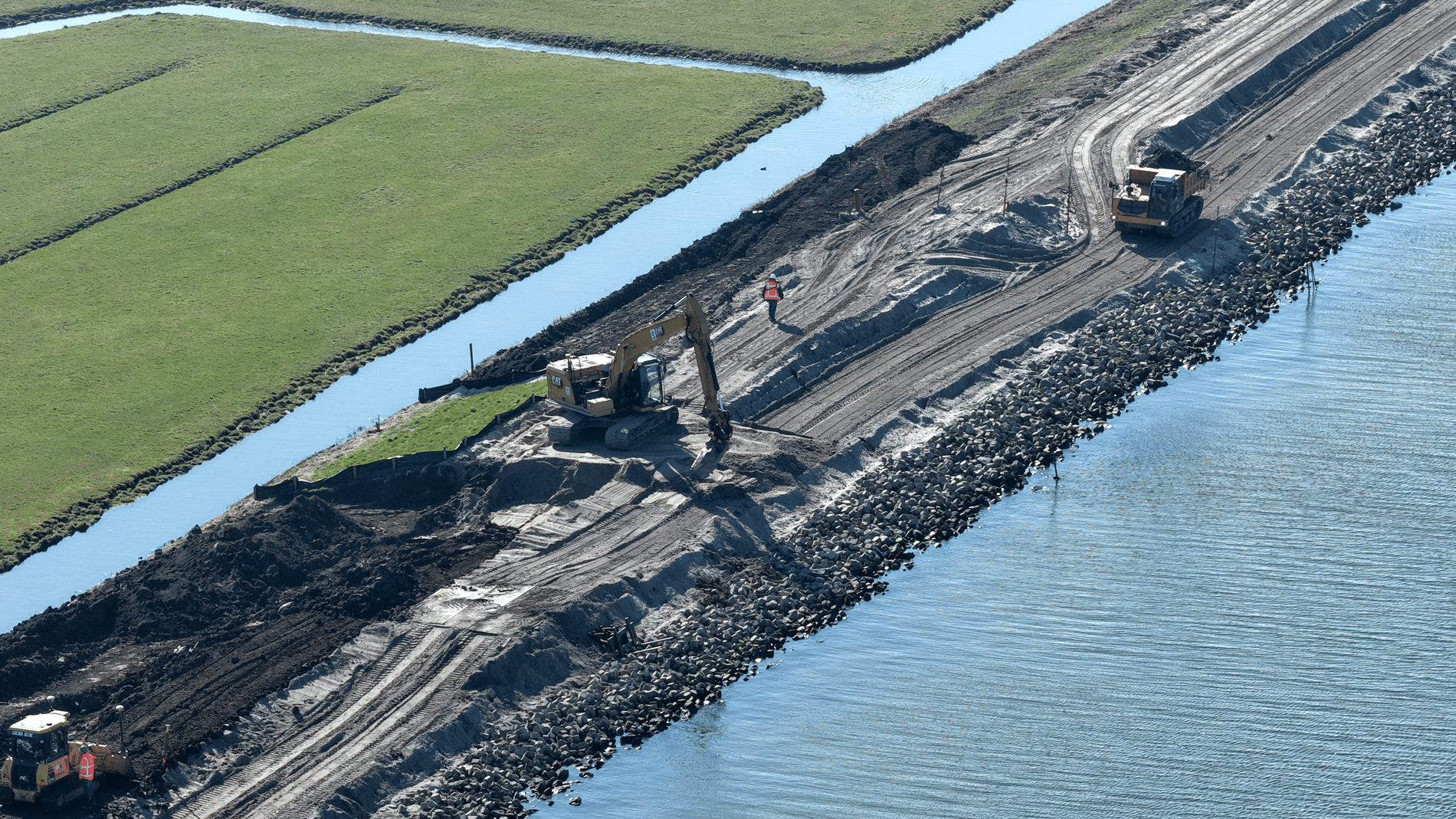
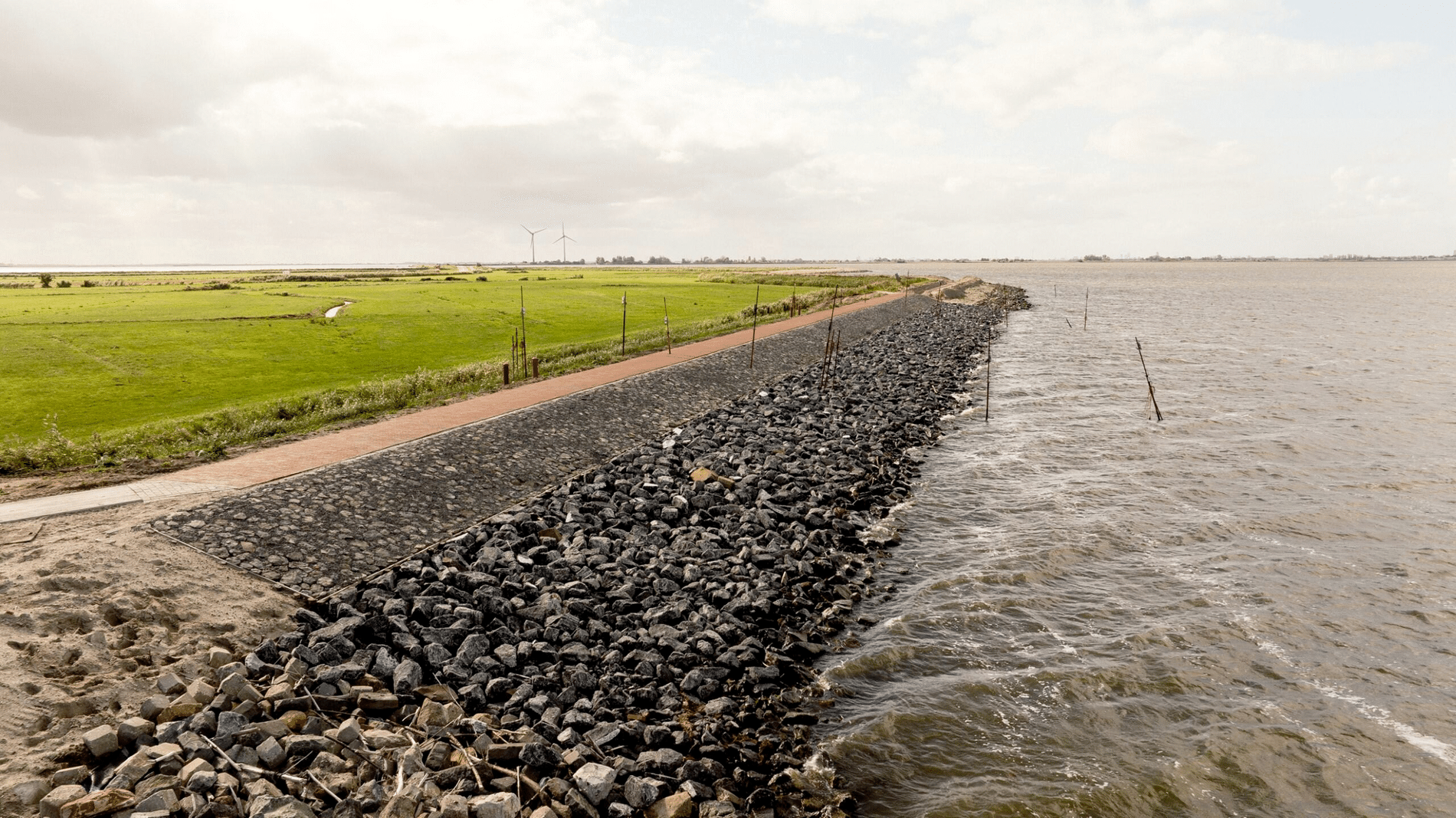
Based on these geotechnical insights, an alternative design was developed. “Instead of a tall, relatively steep dike, we opted for a lower profile with gentler slopes,” explains Spoorenberg. “Because of that gentler slope, the wave run-up is significantly reduced, meaning the dike doesn’t need to be as high to still meet safety requirements. The result: less sand, less settlement, and a design that is simpler and safer to implement. This approach not only yielded technical advantages but also reduced the environmental impact and improved the MKI score. Ultimately, it even helped us win the tender.”
To test this in practice, two test sections, each 100 meters long, were constructed. “These test sections literally served as a testing ground where the contractor consortium could test various construction methods and materials,” says Jan Cirkel, project manager at Haskoning. “Think of variations in stone types, aggregates, and methods of processing and stabilization. In addition, the test sections provided valuable insights into the behavior of the subsoil. Extensive monitoring was conducted to determine how reliable the measurement data was and how well settlement behavior could be predicted. This knowledge formed the basis for the final construction strategy and phasing.”
The design of the new dike makes use of the existing dike as much as possible. “It’s been there for hundreds of years and has already undergone a great deal of settlement,” Spoorenberg explains. “Settlement in that area is therefore limited, and we’re taking full advantage of that. A second important difference lies in the construction sequence. Typically, with this type of dike reinforcement, the dike is raised first, and then vertical drainage is installed. Here, the order was reversed. First, a thin layer of sand was applied, into which vertical drains were installed. Only then were another eight layers of fill, each 50 centimeters thick, added in phases. This approach allowed for better control of the subsoil and made it possible to build faster and with greater certainty.‘
Safety is a constant priority during construction. “The contract stipulates that water safety must not be compromised at any time compared to the original situation,” says Cirkel. “This places high demands on the preparation and justification of every construction step, as laid out in a Water Safety Plan. For every action—such as removing existing revetment or applying layers of sand—it must be demonstrated that stability remains guaranteed. It’s an intensive process of monitoring, analysis, and coordination between design and construction teams.”
The most critical phase—the embankment work—has now been completed, and a robust foundation for the future is in place. According to both engineers, the strength of this project lies unequivocally in the early incorporation of geotechnical advice and the application of that expertise all the way through to the supervision of the construction phase. ‘By making clear-cut decisions as early as the tender phase, we arrived at a design that is not only safer and more sustainable but also easier to implement. With less sand, less risk, and more control—exactly what’s needed when building on sensitive ground.“
Neem dan rechtstreeks contact op met Haskoning.
 Contact opnemen
Haskoning is an independent international consulting and engineering firm specializing in the natural and built environment. With over 6,800 professionals worldwide, we work toward our purpose—Enhancing Society Together—to deliver sustainable and future-proof solutions for clients in sectors such as water, infrastructure, energy, and industry. Within the civil engineering sector, we support governments, contractors, and industry in […]
Bekijk Bedrijfsprofiel