Platform on civil engineering, underground infrastructure, energy, construction equipment & construction machinery
An efficient solution for assembly and power transmission
When it comes to the renovation and maintenance of bridges and other civil engineering structures, reliability and durability are paramount. In practice, existing structures often need to be modified or reinforced, and existing holes and connections do not always fit seamlessly into the new configuration. In such cases, injection bolts offer a well-thought-out and practical solution.
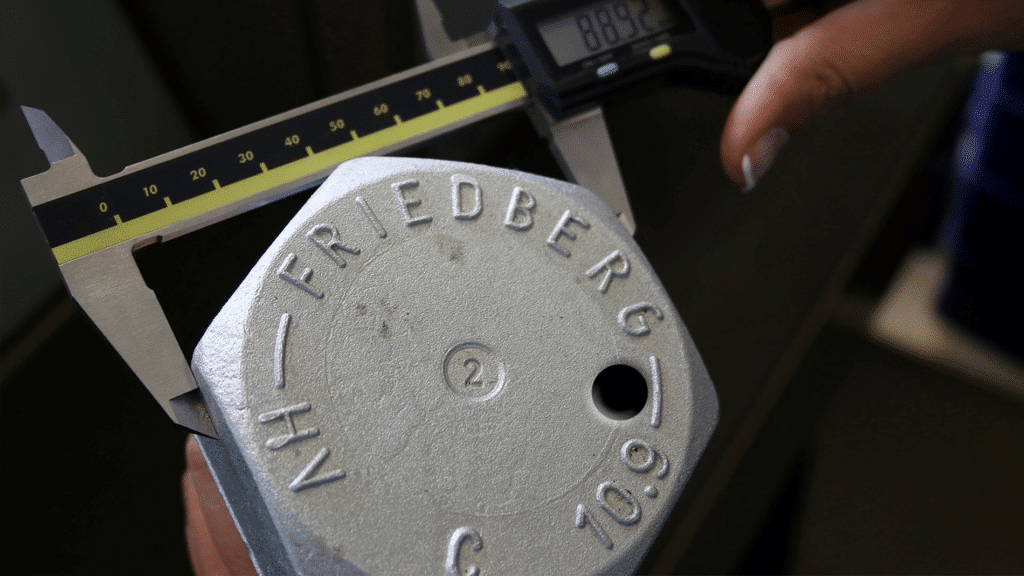
This fastening system uses an HV or SB bolt in combination with a two-component injection resin. By completely filling the drill hole, a play-free connection and efficient force transfer are achieved. Injection bolts are primarily used in steel connections within bridge structures and other projects in the civil engineering sector. In the Netherlands, these systems are supplied by companies such as Stafa Group, which offers solutions using Friedberg HV sets.
The principle behind an injection bolt is relatively simple, but technically very sophisticated. Thomas van Leeuwen, product specialist at Stafa Group, explains: “An injection bolt is an HV or SB bolt that features a hole in the bolt head. After installation, a two-component injection resin can be injected into the drill hole through this channel. The vent groove allows any trapped air to escape, enabling the injection resin to fill the entire drill hole and then cure. This creates a backlash-free fit, which ensures improved force transmission within the joint.”
In bridge renovations, the initial conditions are often the determining factor. “Existing structures are subject to wear and tear, dimensional variations, and limited accessibility,” says Van Leeuwen. “Injection bolts make it possible to utilize existing holes while simultaneously improving the structural integrity of the connection.” Because the resin is injected only after installation, the bolt can first be mounted and aligned. The connection is then permanently secured. This makes the system particularly well-suited for upgrading existing bolt and rivet connections and for situations requiring a play-free connection.
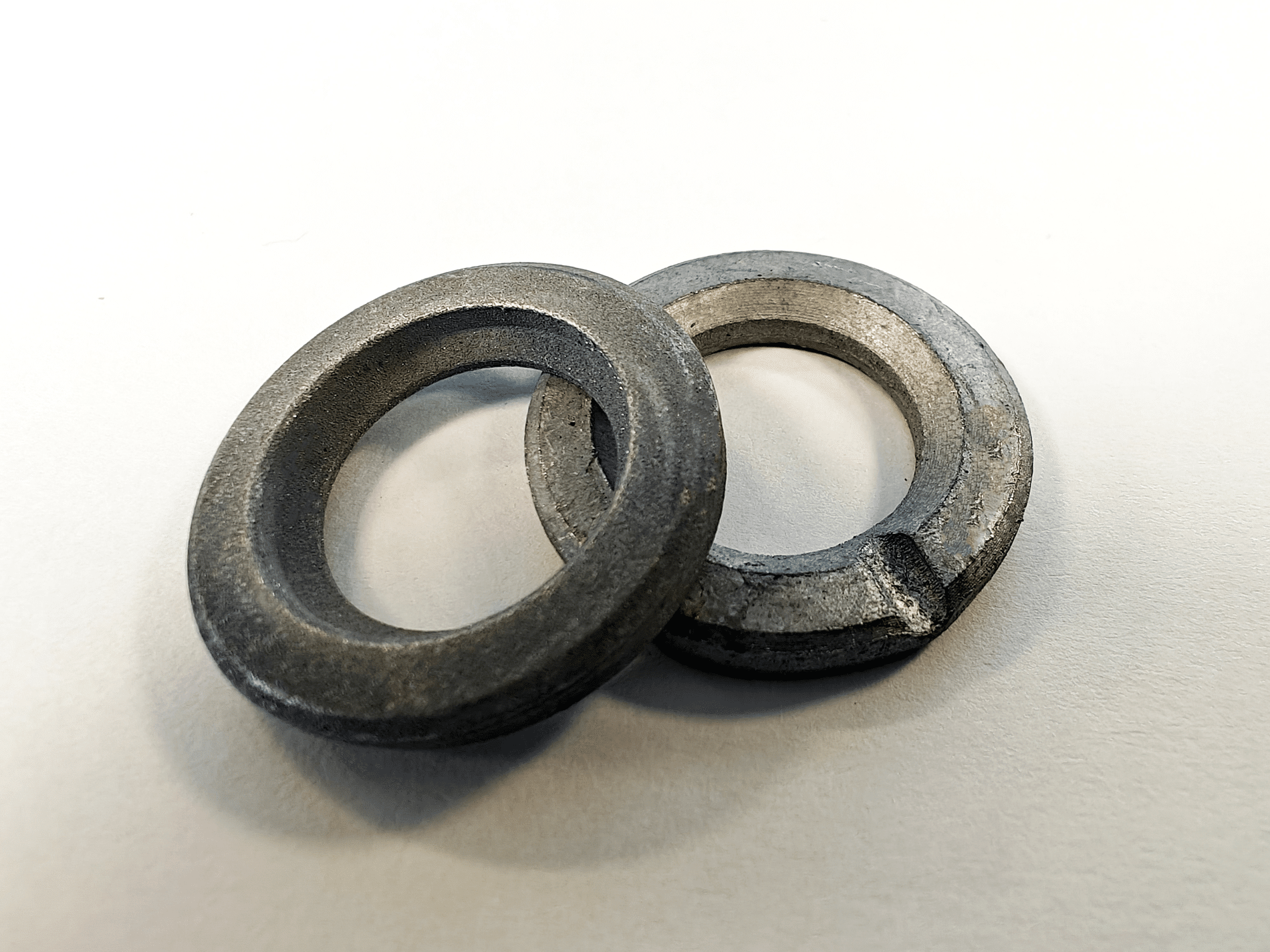
For proper application, it is important that all components are compatible with one another. “An injection bolt system consists of the injection bolt, washers with a groove-and-groove profile, and a two-component injection resin,” explains Van Leeuwen. “At Stafa Group, we supply these systems as a complete package, including the HV solution from the leading German brand Friedberg. We supply not only the bolts but also the corresponding washers and injection resin, so that the system can be used as a whole and its proper functioning is guaranteed.”
With the growing focus on infrastructure renovation and life extension, the use of injection bolts is also on the rise. The system offers a practical and technically sound solution for creating durable and reliable connections in existing steel structures.