Platform on civil engineering, underground infrastructure, energy, construction equipment & construction machinery
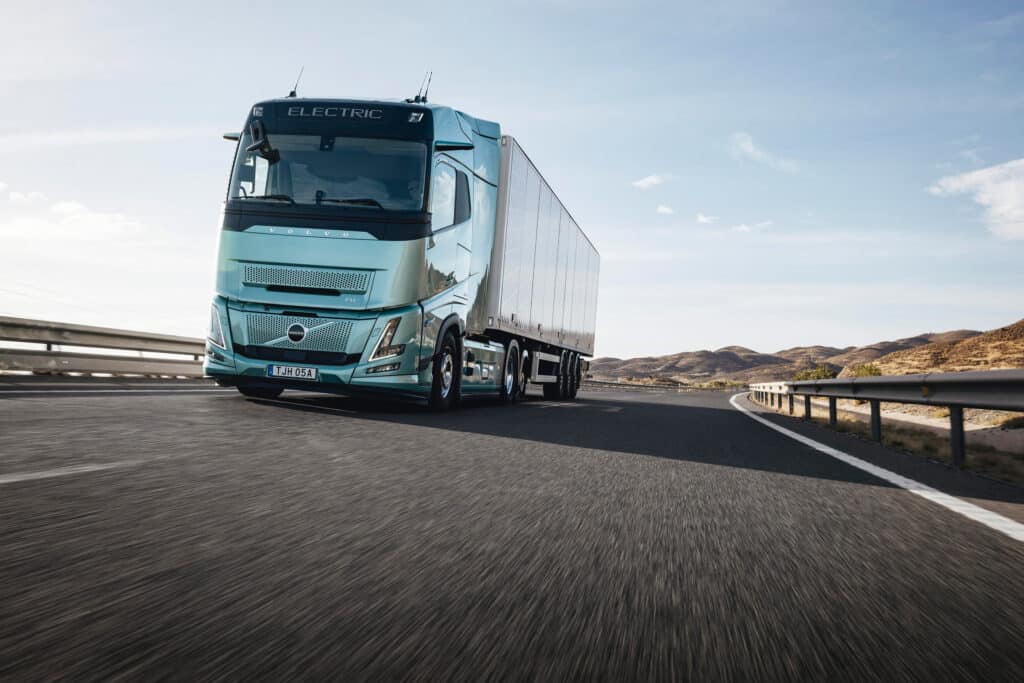
The truck toll will take effect in the Netherlands on July 1, 2026: you will then pay per kilometer driven, at a rate that depends on weight and CO₂ emissions. Make sure every truck has a working toll device installed on time, and read this special report to find out what this means in practice and what steps you need to take to avoid fines.
In line with European agreements, the Netherlands is also introducing a kilometer charge for trucks. The goals include a fairer allocation of road-use costs, encouraging the use of cleaner trucks, and investing in sustainable mobility. A significant portion of the revenue is returned to the sector through programs such as TOGETHER (purchase subsidy for zero-emission trucks).
In short:
Direct cost impact: Starting July 1, 2026, a per-kilometer fee will apply on A-roads, most N-roads, and some provincial roads. The amount of the charge depends on the vehicle’s weight and its CO₂/Euro emission class—similar to tolls in some other countries, such as Germany’s LKW-Maut. If you drive frequently on national and provincial highways, the impact will be greater than if you mainly drive locally.
TCO and margins: The tax affects the variable costs per kilometer. At the same time, motor vehicle tax (MRB) costs are reduced, and opportunities arise by choosing a vehicle in a more favorable CO₂ class—for example, electric driving. Many companies may pass on a portion of any additional costs to their clients.
Grants and reinvestment: The government uses the proceeds from the truck toll partly to fund subsidy programs such as AanZET. This makes it more attractive to invest in electric trucks, and the tax supports the energy transition.