Platform on civil engineering, underground infrastructure, energy, construction equipment & construction machinery

Are you never sick, do you exercise a lot, work hard and have more energy than a can of Red Bull? Yet suddenly your shoulder plays up because you did extra work because you were a little behind schedule? It's insidious to think that the pain in your shoulder will go away on its own. You're super fit and can get a lot of work done.
Yet the pain can remain present for months. If you do nothing about this, you can continue to suffer from this injury for a long time. While the solution is closer than you think. Working in the construction and infrastructure sector is wonderful, but it is also hard on your body. That is why it is important to think about your future now. Employees can therefore undergo a medical examination every four years from the age of twenty: the PAGO. This medical examination is expanded to include a DIA advisory interview, in which you take a closer look at your own work situation: are you still in your place? Do you want to continue to grow? And what do you need for this?
Together we call this a DIA, which stands for ‘sustainable employability analysis. The PAGO, short for ’periodic occupational health examination,‘ begins with examinations by a physician's assistant. Among other things, he or she looks at your height, weight, eyes, hearing, lungs, pulse, blood pressure and blood. And, for workers over the age of 40, he or she takes a heart monitor. It looks at the health risks from your occupation and the risk of cardiovascular disease. You discuss the results with a company doctor. At this meeting you will receive advice for referral or further guidance.
Then you'll have an interview with a DIA advisor. With him or her you will discuss three themes: ‘Work safely’, ‘Look ahead’ and ‘Have fun’. You will be challenged to think about your own sustainable employability. This leads to a DIA action plan, which consists of two parts: the PAGO report and a DIA action plan. Use your DIA action plan to determine how you want to grow in safe, healthy and motivated work. You can also think about a training or lifestyle program to keep up your work.

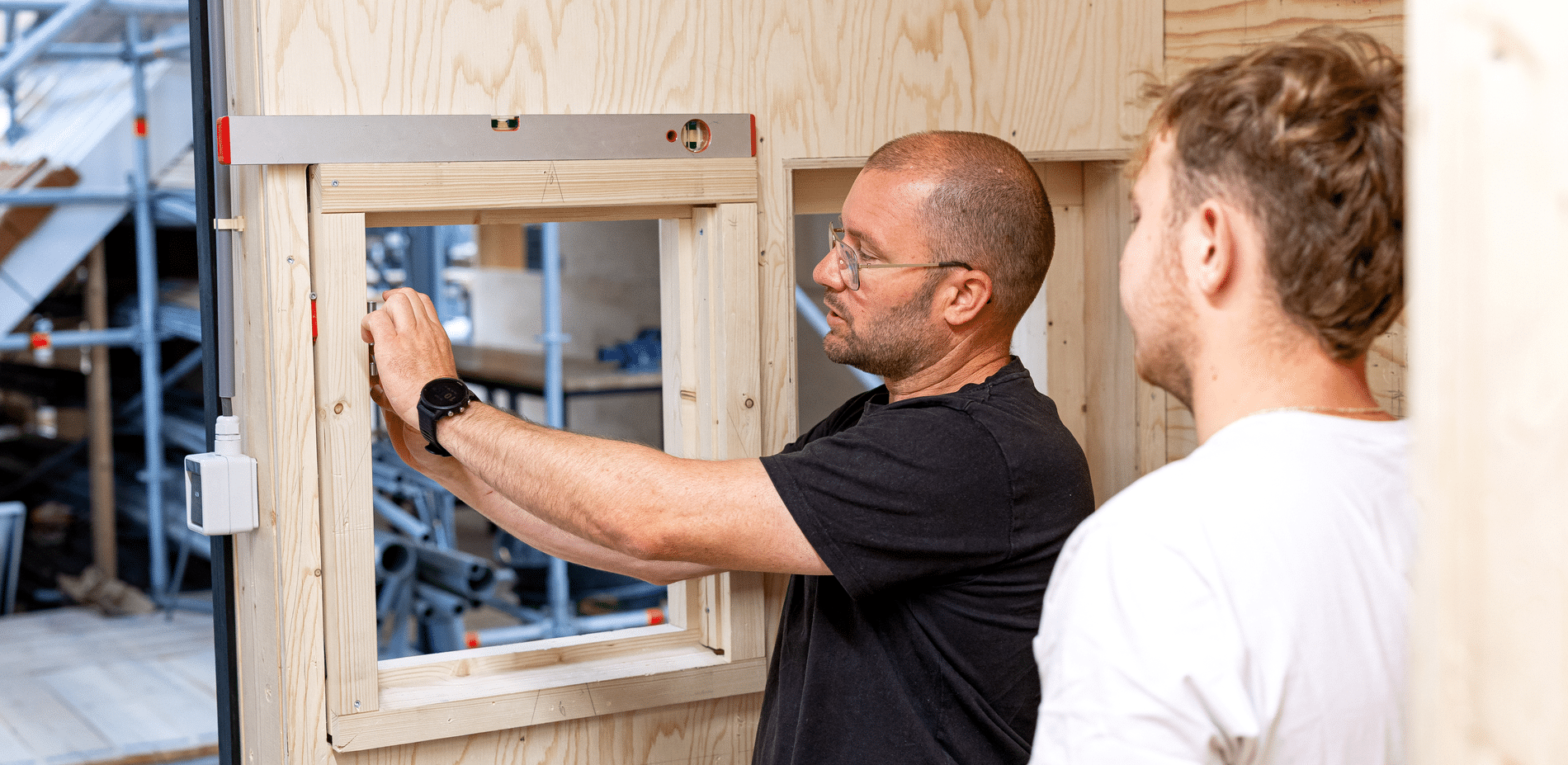
Of course you check your tools every day: is the battery charged? Can you work safely? It is important to also check your body regularly, because your body is your most important tool. In the case of the example at the beginning of this article about the sore shoulder: carpenter Bas can talk about it. “I found out during my PAGO that I was making the same movement too often. The company doctor gave me two exercises that took me five minutes a day at most. After two weeks, the symptoms were completely gone,” Bas says. “So the PAGO is very valuable.”
Employers in the construction and infrastructure sector can also do their part to ensure safe and healthy work, so that employees can enjoy their jobs more and be more employable for longer. This benefits everyone: employers, employees and clients. Employers in the construction and infrastructure sector organize this ‘health and safety care’ for their employees. This occupational health care consists of prevention care and absenteeism care. Employers choose an occupational health and safety service contracted by the sector to provide preventive care.
For absenteeism care, as an employer you can go to a health and safety service of your choice. Prevention care includes the PAGO and the DIA consultation. Every employer is required to offer this DIA to its employees. However, an employee is not obliged to go to the DIA. Therefore, this is where you as an employer play an important role. Motivate your employees to go, because it is better to prevent complaints than to cure them. You prevent dropout early and show good employment practice.
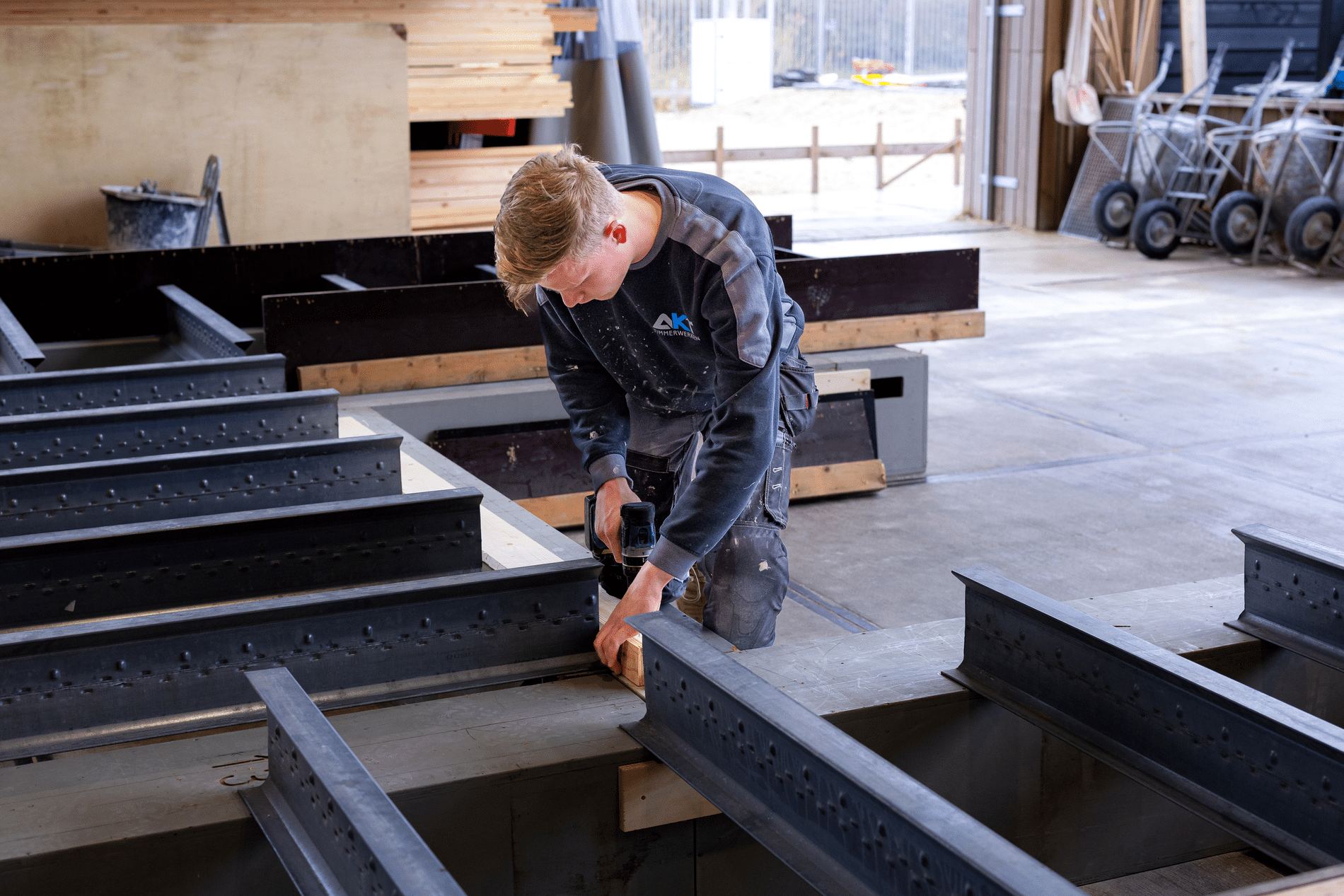
That the PAGO can change a lot was also demonstrated by the example of Pieter, who saw that one of his employees arrived at work every day tired. “I asked him if he was sleeping well. He said he had tried everything, going to bed on time, for example. But that he got out of bed tired every day,” Pieter says. “He looked like he could take a nap anywhere on the construction site. That's how he felt and that's not safe.”
He urged his colleague to go to the medical examination. During the PAGO, he found out he had sleep apnea. This hidden enemy can even stay under the radar for eight years before it is discovered. “After getting help for this, he slept better. This allowed him to work as usual. You can also help employees with symptoms to make work easier through arrangements. With the goal that someone can work for you longer,” Pieter is clear. “Together you can achieve so much.”