Platform on civil engineering, underground infrastructure, energy, construction equipment & construction machinery
Searching for Contaminants
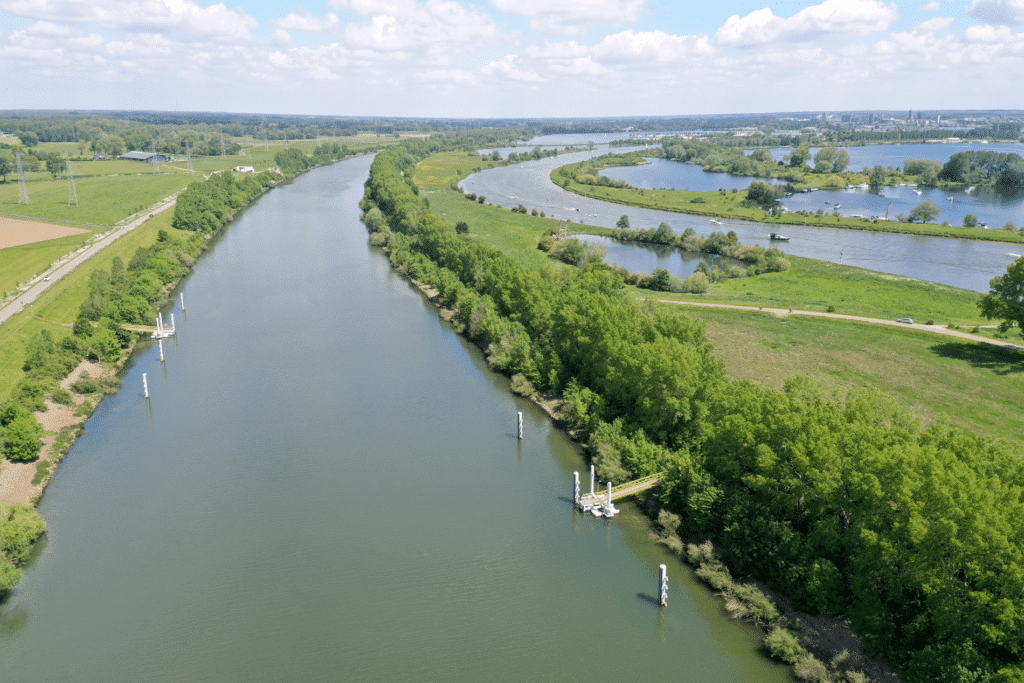
With a length of approximately 1,000 kilometers, from its source in France to the North Sea, the Meuse is one of the most important rivers in Western Europe. For the Netherlands and Belgium, the river is even vital: an estimated seven million people depend on water from the Meuse for their drinking water. It therefore makes sense that Rijkswaterstaat and the relevant drinking water companies are keeping a close eye on water quality. They thought they had water quality under control, but more and more substances are being detected that do not belong there.
There are legal standards for many chemical substances in water. “If a concentration exceeds that standard, it can be harmful to people and the environment,” says Roel Kwanten, coordinator for emerging substances and water quality at Rijkswaterstaat. “At the same time, our society produces hundreds of thousands of chemical substances, for the majority of which no standard is available. These are called ‘emerging substances’: substances for which we do not know whether they are harmful.” Past incidents have shown just how vulnerable the Meuse River is. In 2015, a discharge of pyrazole led to months-long restrictions on drinking water production. Substances such as melamine, PFAS, and, more recently, a fungicide also caused concern. Such events underscore the importance of early detection.
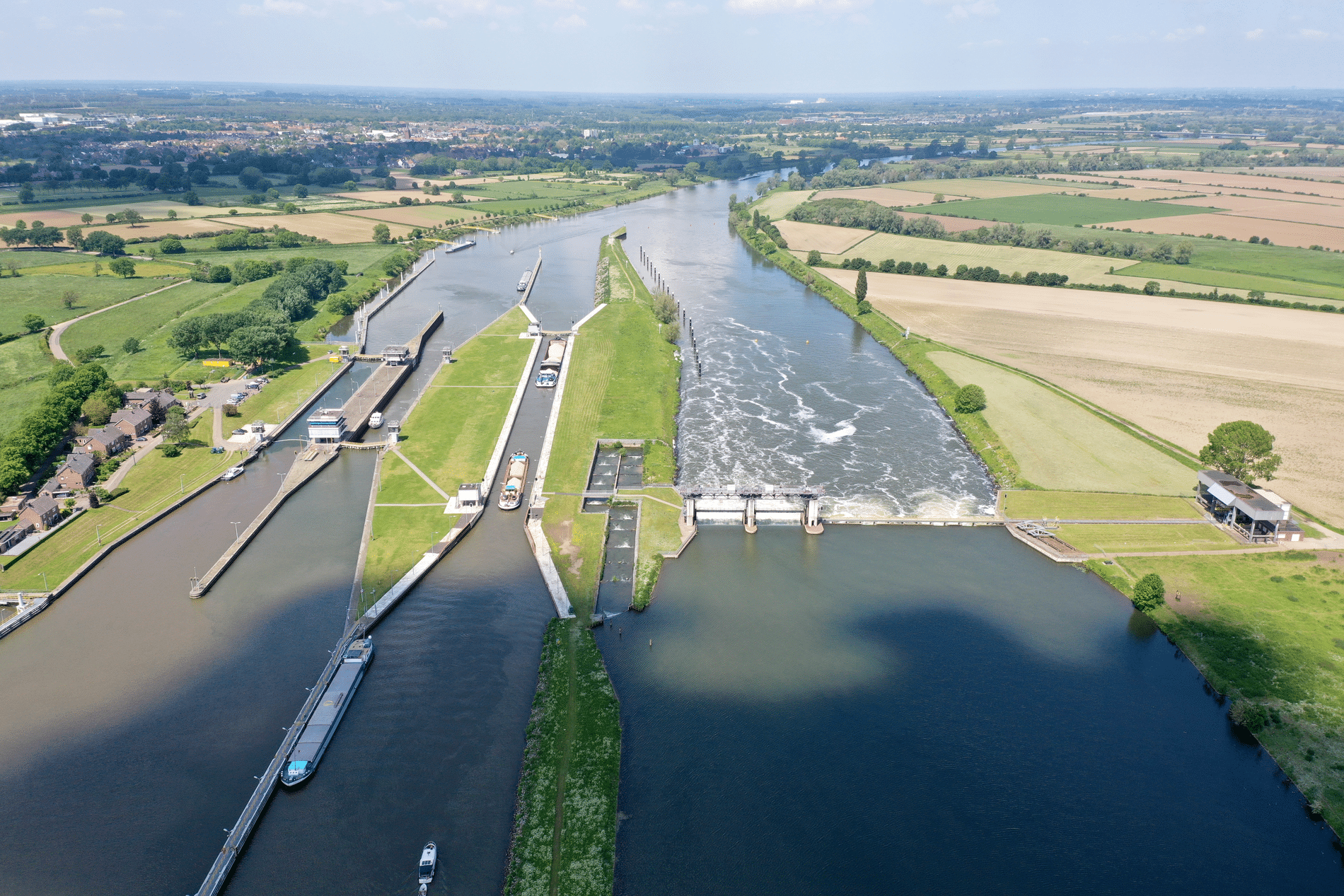
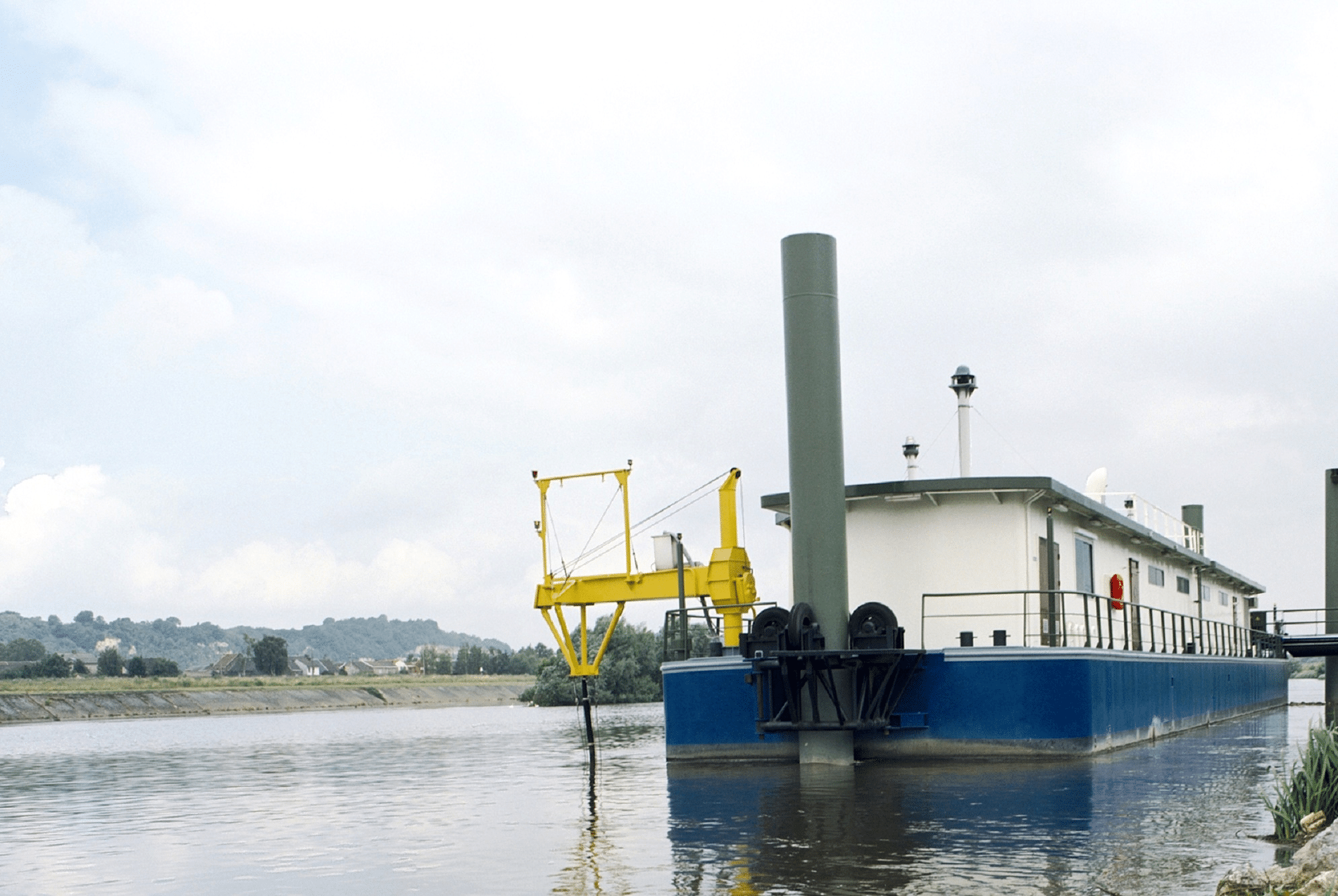
Rijkswaterstaat monitors water quality in two ways. Through the Monitoring of the Country’s Hydrological Condition (MWTL) program, samples are taken monthly at fixed monitoring points. These samples are analyzed in the laboratory for approximately 2,000 substances. “Along the Meuse, there are key monitoring sites at Eijsden, Stevensweert, Belfeld, and Keizersveer,” says Kwanten. “The results are publicly available at waterinfo.rws.nl. In addition, real-time monitoring takes place from the floating laboratory near Eijsden. If a threshold value is exceeded, an alarm is triggered. Drinking water companies then decide for themselves whether to temporarily halt the intake of water from the Meuse, so that contaminated water does not enter the drinking water treatment process.” On average, there are about thirty alarm notifications per year.
The Meuse River basin consists of many tributaries that ultimately flow into the Meuse. “Pollutants can originate from industry, agriculture, households, or foreign sources,” Kwanten notes. “That is why we are collaborating with water boards and drinking water companies within the Clean Meuse Water Chain. We’re also consulting with Belgium, France, and Germany, partly within the framework of the European Water Framework Directive.” For the coming years, Kwanten identifies four categories of substances that could negatively impact water quality: PFAS, microplastics, pharmaceutical residues, and agricultural pesticides. “PFAS are persistent, hardly break down at all, and can be harmful even at very low concentrations. At the same time, they are widespread in consumer products and industrial applications, such as in pizza boxes, nonstick coatings, and even lipstick.”
Kwanten emphasizes that Rijkswaterstaat operates as an implementing agency under the Ministry’s authority. This means that it advises, monitors, and enforces within the applicable policy framework. At the same time, there is widespread public concern about whether that framework is strict enough, especially when it comes to substances with potentially significant health risks, such as PFAS. The RIVM has already indicated that people are ingesting more PFAS through food and drinking water combined than the limit value allows. In addition, there is the so-called “cocktail effect”: the combined effect of multiple substances acting simultaneously. This, combined with low river flows—which result in less dilution—means that water quality is under pressure. One thing is certain: without continuous monitoring, rapid alert procedures, and close cooperation between government agencies and drinking water companies, the Meuse would be far more vulnerable as a source of drinking water.