Platform on civil engineering, underground infrastructure, energy, construction equipment & construction machinery
From hiking trail to salvage area
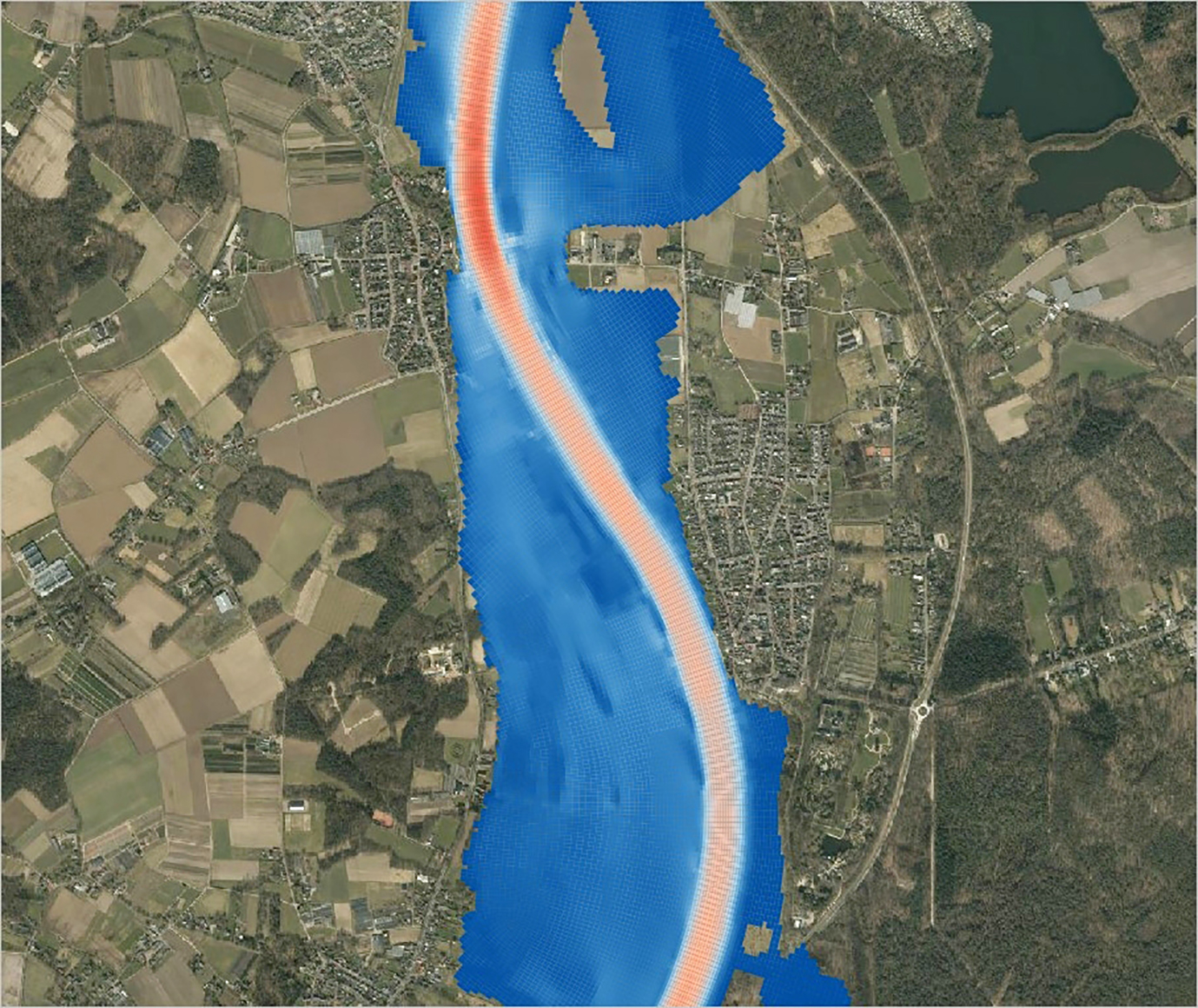
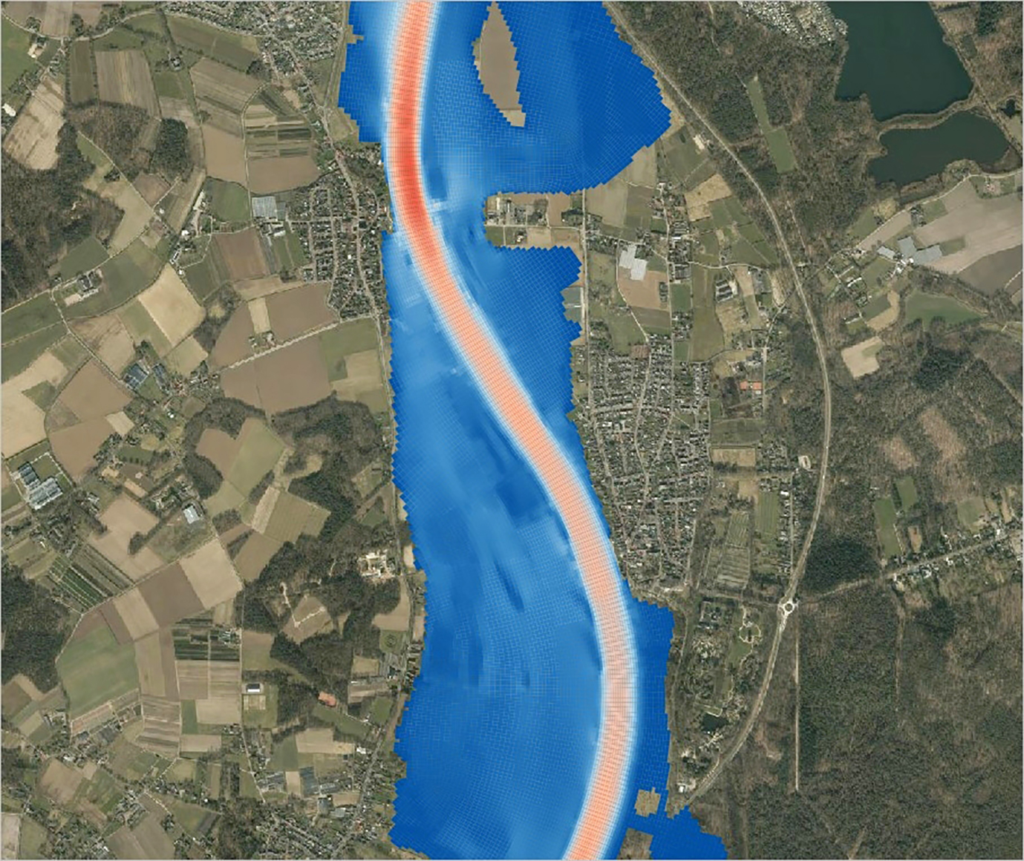
In the Arcen dike reinforcement project, the wishes of the Arcen Dike Zone Alliance and the interests of the Limburg Water Board and Rijkswaterstaat play an important role. It is precisely at this intersection that hydrologist Ron Agtersloot comes into the picture. Using 2D and 3D flow models, he investigates the effects of design choices on water levels and river flow and translates these findings into practical solutions.
“I always call them ‘little calculations,'” says Ron. Behind that modest description lies a field of expertise in which precise calculations provide insight into the consequences of design choices for water levels, flow, navigation, and the available space for the river.
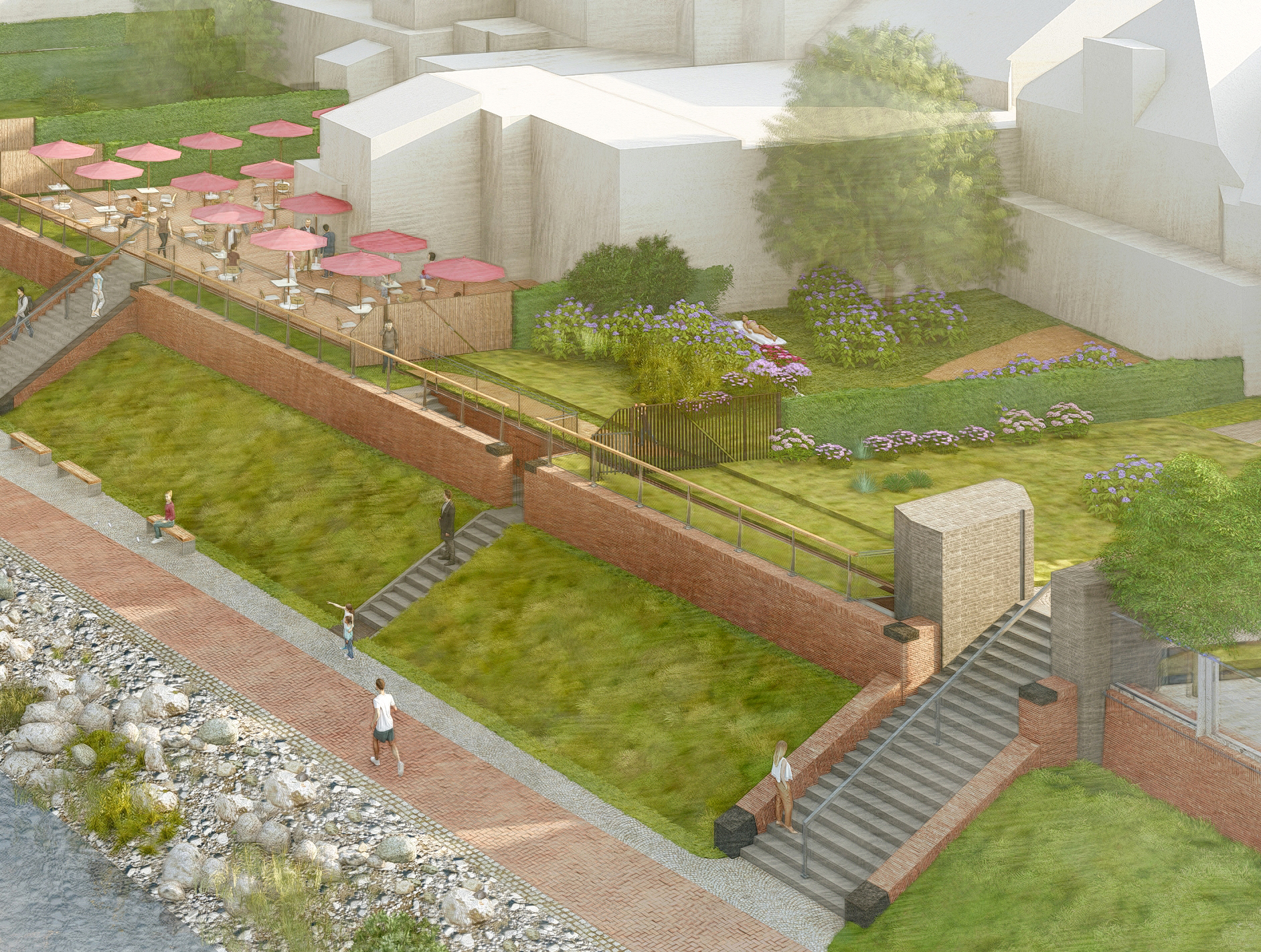
During the dike reinforcement project in Arcen, Ron was brought in as soon as additional requirements might affect the basic design. “A walking path at the foot of the dike, a different landing spot for the ferry, or a lookout point may seem like minor changes, but they can reduce the amount of space available to the river. Using river models, I can determine whether such adjustments are possible within Rijkswaterstaat’s guidelines or whether the design needs to be modified.”
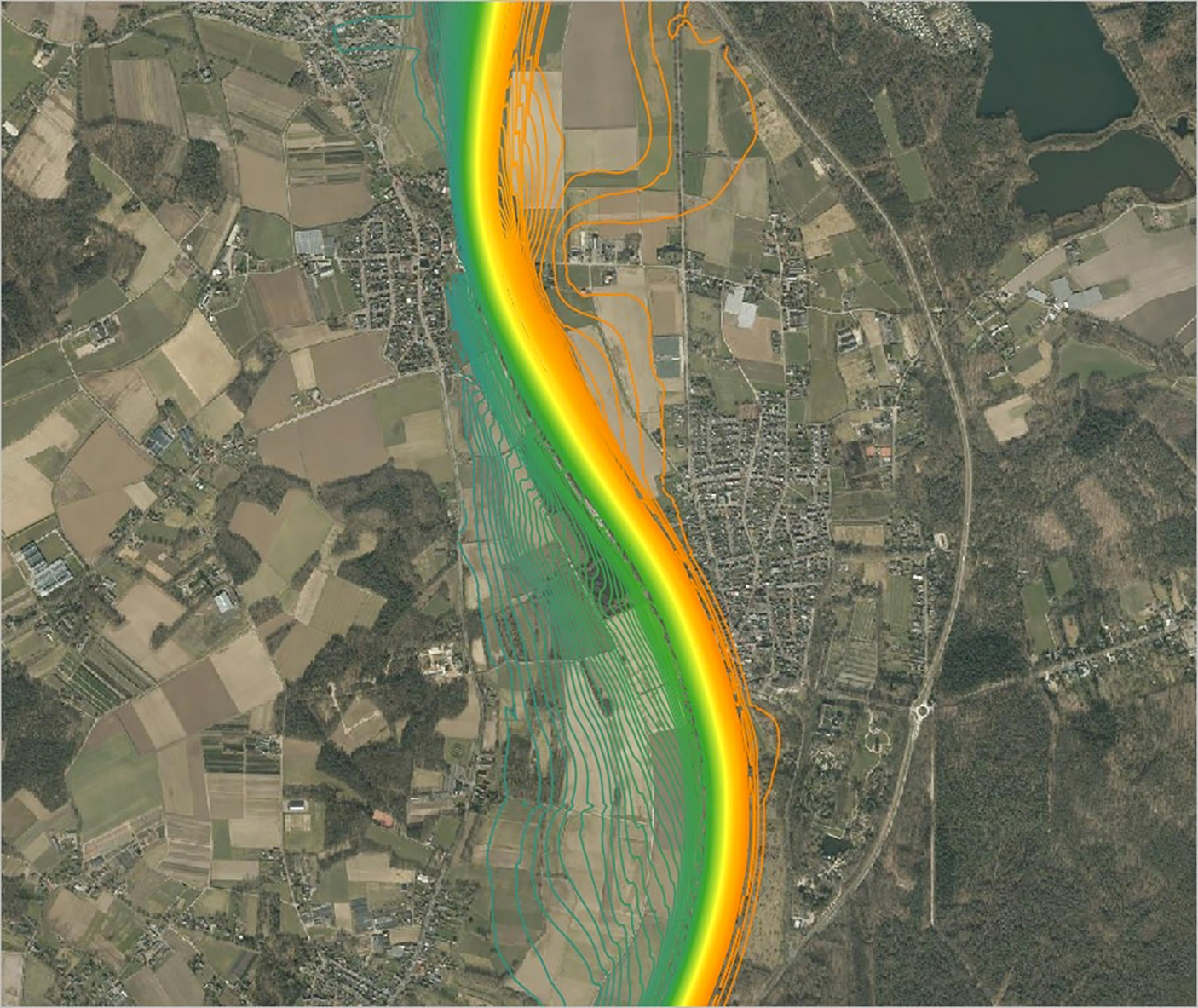
This happened, for example, at the watermill in Arcen, where the plan was to finish a sheet pile wall with stacked stones. Although the change seemed minor, it did result in a reduction in the river’s flood storage capacity. His expertise also played a key role at the Lommerbroek flood storage area. There, a solution had to be found that would allow the area to flood at the right moment during high water, without the use of an emergency levee and with as little impact on the river as possible. By analyzing various design options, a solution was found with minimal adjustments that was acceptable to the Arcen Alliance Dike Zone, the Limburg Water Board, and Rijkswaterstaat.
“The best part about this job is that you can use calculations to show the effect of a design change,” Ron concludes. “That way, you can make an informed decision about what is and isn’t possible.”