Platform on civil engineering, underground infrastructure, energy, construction equipment & construction machinery
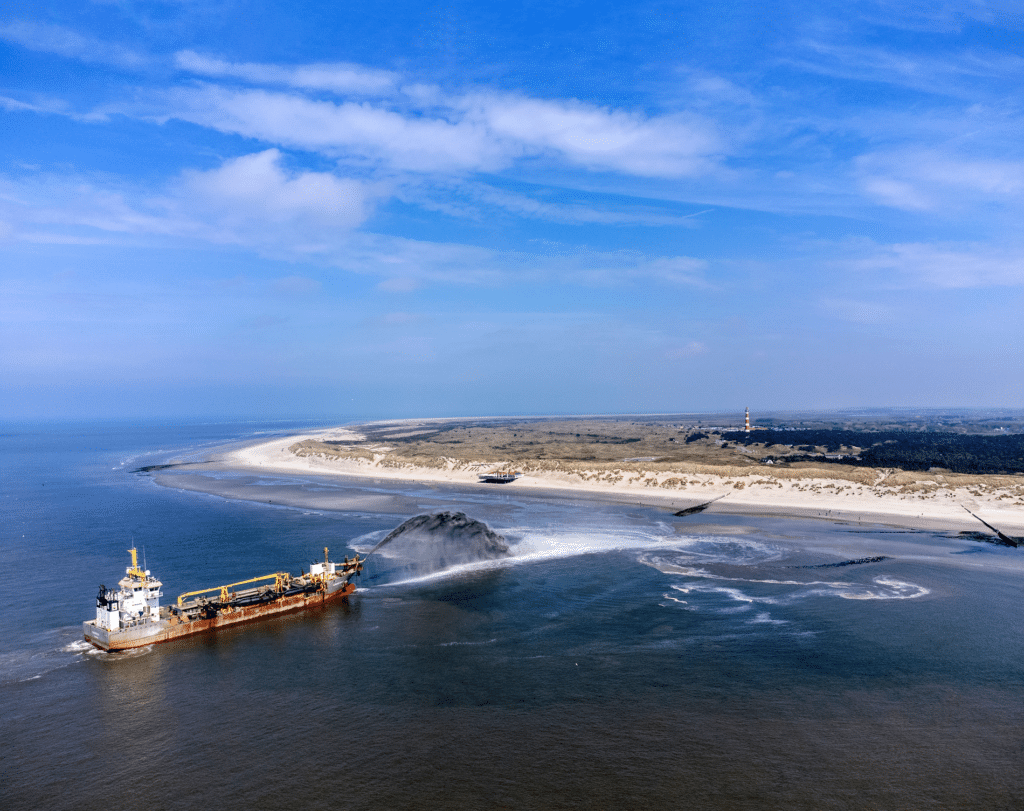
The Netherlands is inextricably linked to water. From dike reinforcement and coastal maintenance to waterways, ports, and climate adaptation: hydraulic engineering forms the foundation of a safe, accessible, and livable country. According to Andrea Vollebregt, director of the Association of Hydraulic Engineers, that role will only become more important in the coming years. “The challenges are growing, while pressure on resources, people, and raw materials is increasing. That is precisely why investment in innovation, collaboration, and trust between clients and contractors will become all the more important in the coming years.”
Dutch hydraulic engineering is highly regarded internationally. “Not only because of the high level of expertise and true craftsmanship, but also because our sector develops solutions for global challenges such as climate change, water safety, and sustainability,” says Andrea. “Those same challenges, of course, also exist in our own country. Rising sea levels, longer periods of drought, and increasingly extreme precipitation call for a different approach to the Netherlands” infrastructure. Whereas water used to be drained as quickly as possible, the emphasis is now increasingly on retaining water, without losing sight of safety.”
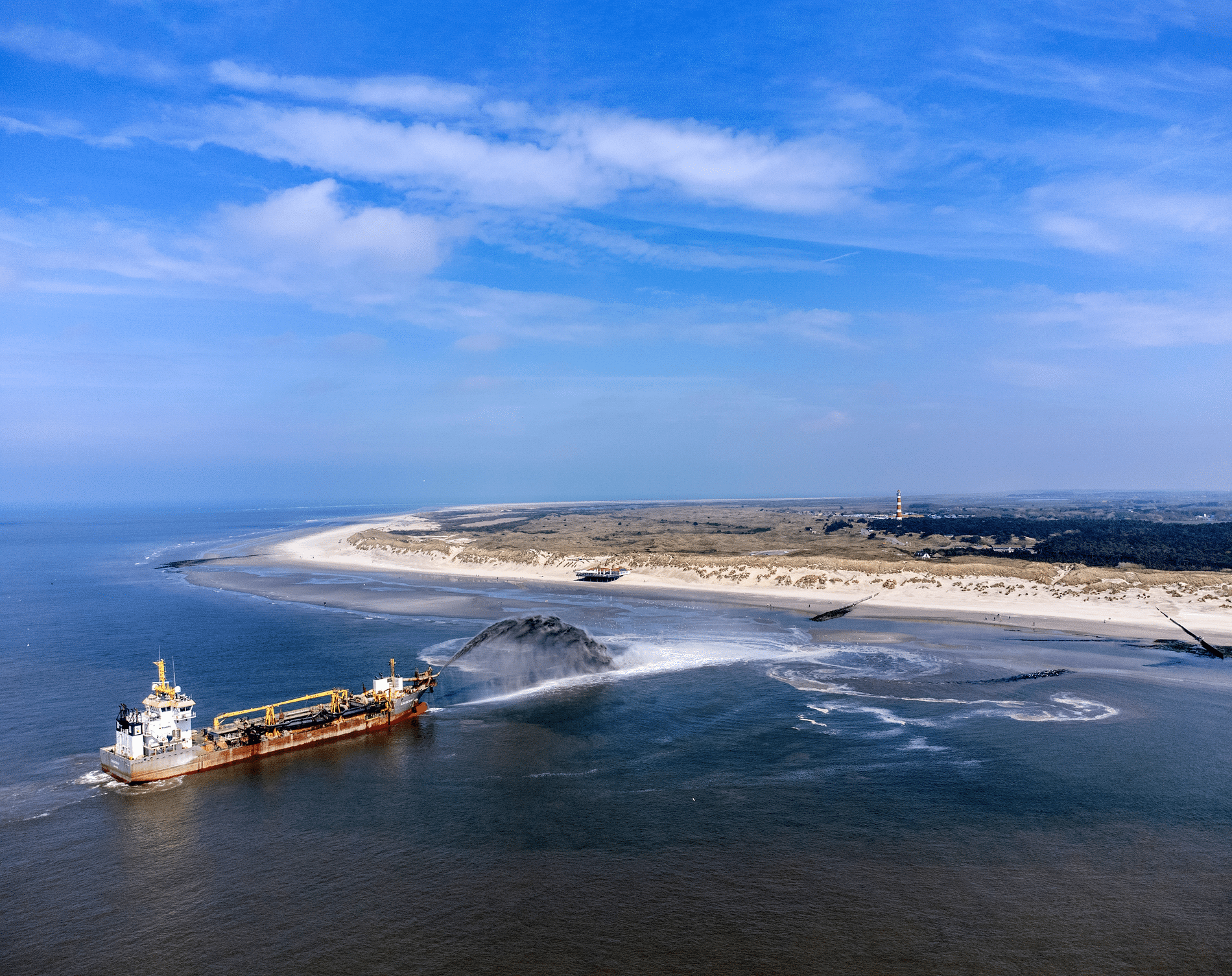
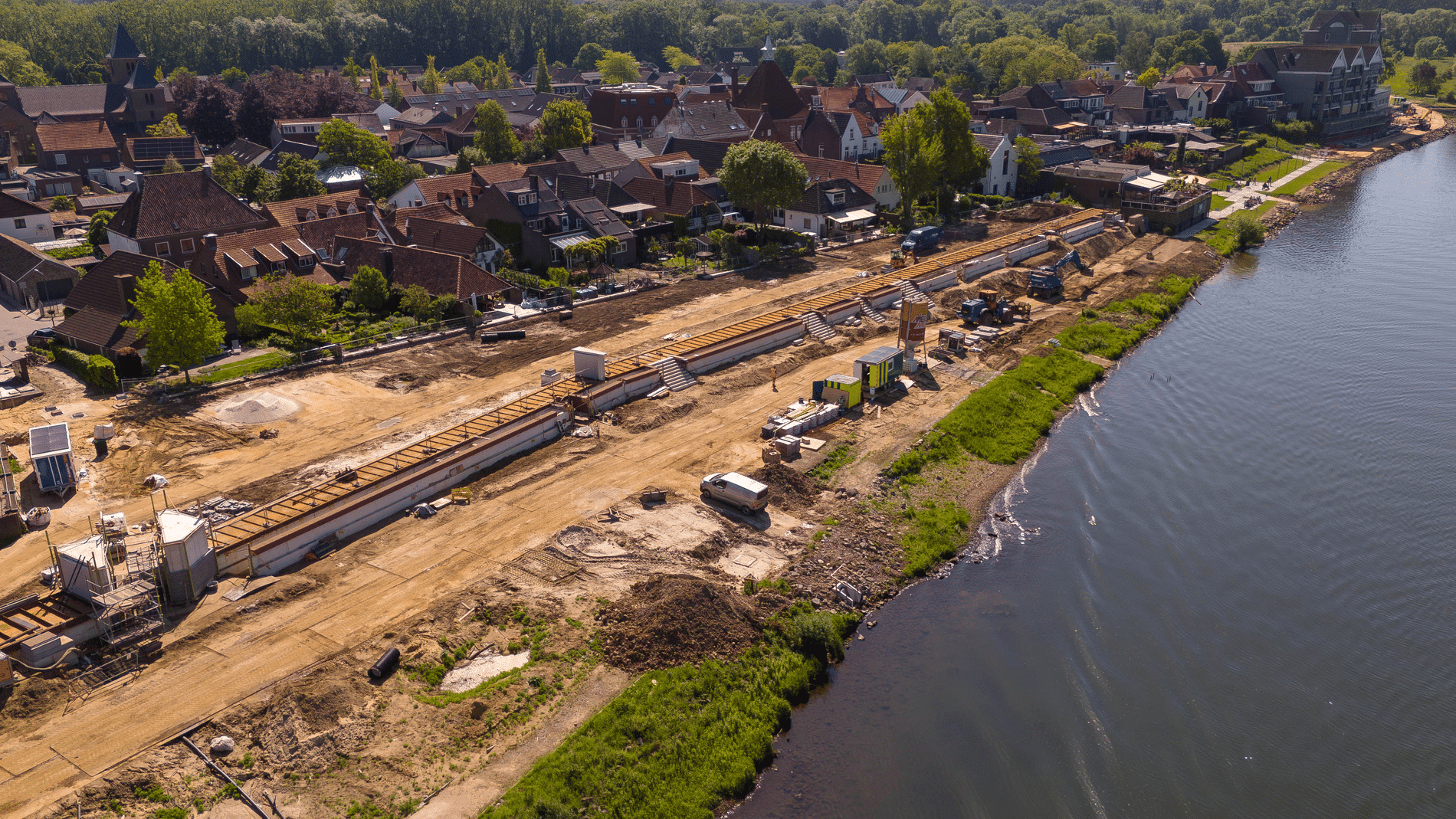
At the same time, the sector faces a substantial implementation agenda. “The Flood Protection Program is continuing in full swing, as are beach nourishment projects, bank reinforcement, and the maintenance of ports and waterways,” Andrea summarizes. “In addition, the Water Framework Directive requires substantial efforts. We must comply with European standards by the end of 2027 at the latest. That means that clients and market participants will have to work together to implement a large number of measures in the coming years.”
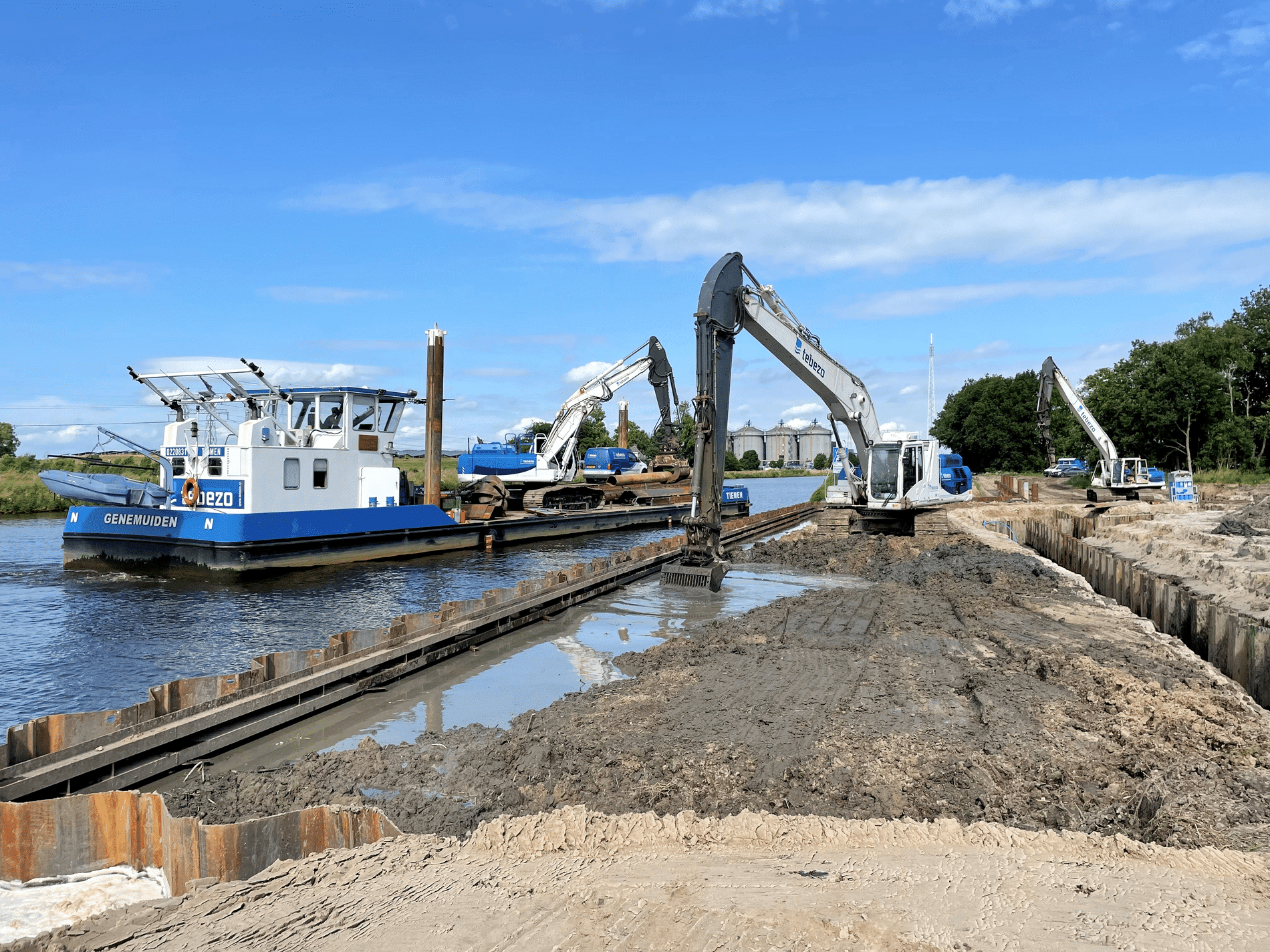
Sustainability is also driving change in hydraulic engineering. “The sector has been investing for years in zero-emission equipment, electrification, and new propulsion technologies such as hydrogen. It’s not just the machines that are changing; work methods are also becoming smarter and more sustainable,” according to Andrea. She also notes that circularity is a complex challenge. “Regulations often limit the reuse of raw materials, while the extraction of primary construction materials such as sand, clay, and gravel is under pressure. That makes innovation necessary, but it also requires realistic framework conditions.”
Innovation doesn’t happen on its own, Andrea believes. “It requires financial flexibility, courage, and mutual trust. Clients can involve market participants in projects at an earlier stage, so that contractors” implementation expertise is leveraged as early as the planning phase. Especially with complex projects, allowing for unforeseen circumstances is essential. Only by working together can projects be completed faster, smarter, and more efficiently.”
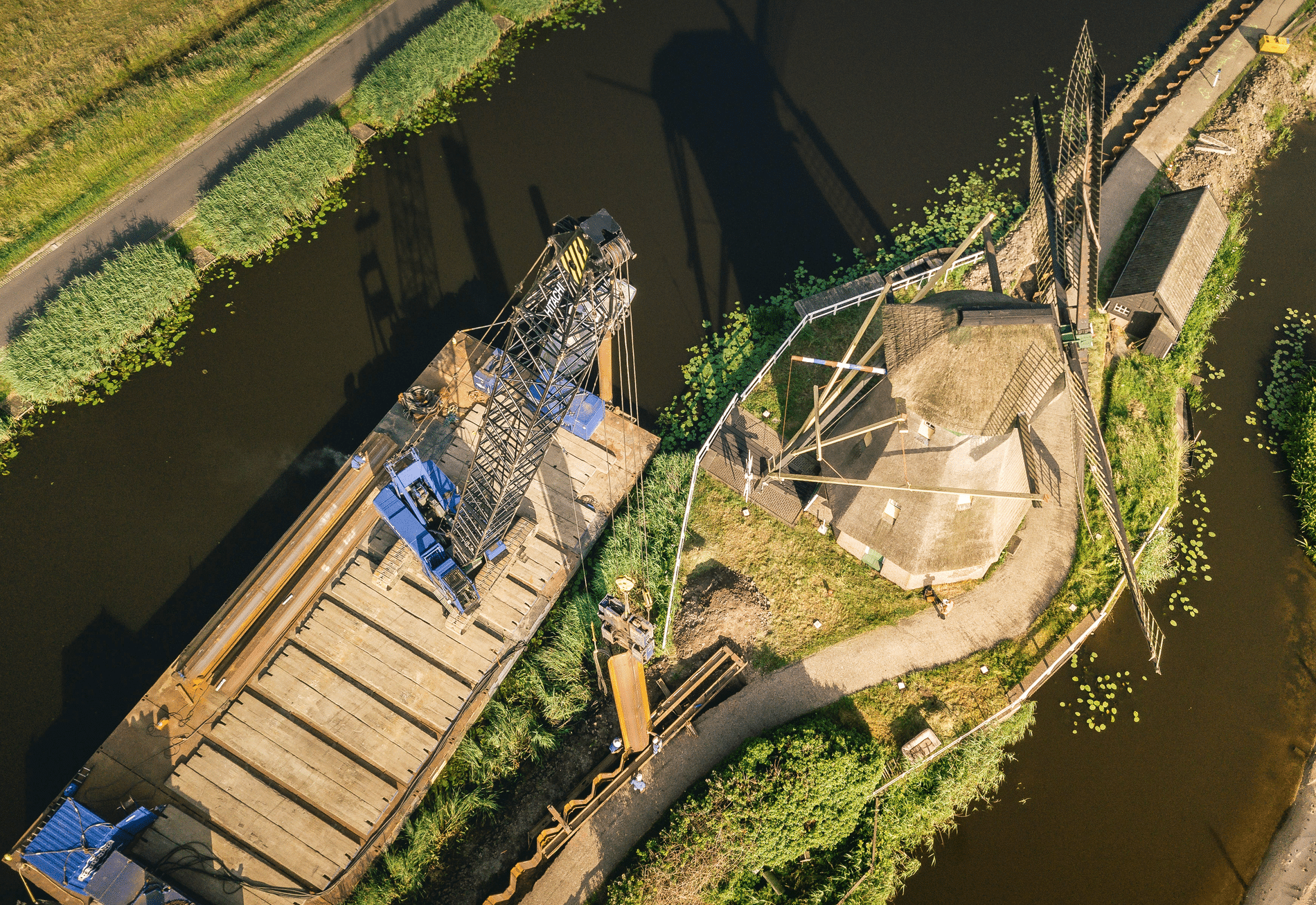
On top of that, there’s another major challenge: securing enough skilled workers. “Enrollment in hydraulic engineering programs is declining, while the need for technical talent is actually growing. That’s why, as an industry, we’re fully committed to getting young people excited about a career in hydraulic engineering from an early age—for example, through our own job market campaign ‘kieswaterbouw.nl’ and by hosting a hydraulic engineering activity at the ‘You Build the Future’ theme park in Harderwijk. In addition, we’re working to integrate hydraulic engineering knowledge into maritime and civil engineering programs. Because working on water means working on the future of the Netherlands.”
Andrea rightly points out that the government faces difficult choices. “Rijkswaterstaat must set priorities due to limited financial resources, while a large portion of the water infrastructure is nearing the end of its technical lifespan. As an industry association, we have been asked to contribute our ideas on this matter—including how we can address these challenges more quickly, more efficiently, or possibly at a lower cost. However, there is no question that additional funding will ultimately be needed to maintain and renovate the Netherlands” (water-related) infrastructure.”
Without sufficient investment in dikes, locks, pumping stations, ports, and waterways, not only will water safety be compromised, but so will the Netherlands“ economic strength, Andrea emphasizes. ”It’s up to us, together with clients and policymakers, to continuously convey that message to politicians in the House of Representatives. Water safety and the Netherlands’ (water-related) infrastructure really need to receive more attention.”