Platform on civil engineering, underground infrastructure, energy, construction equipment & construction machinery
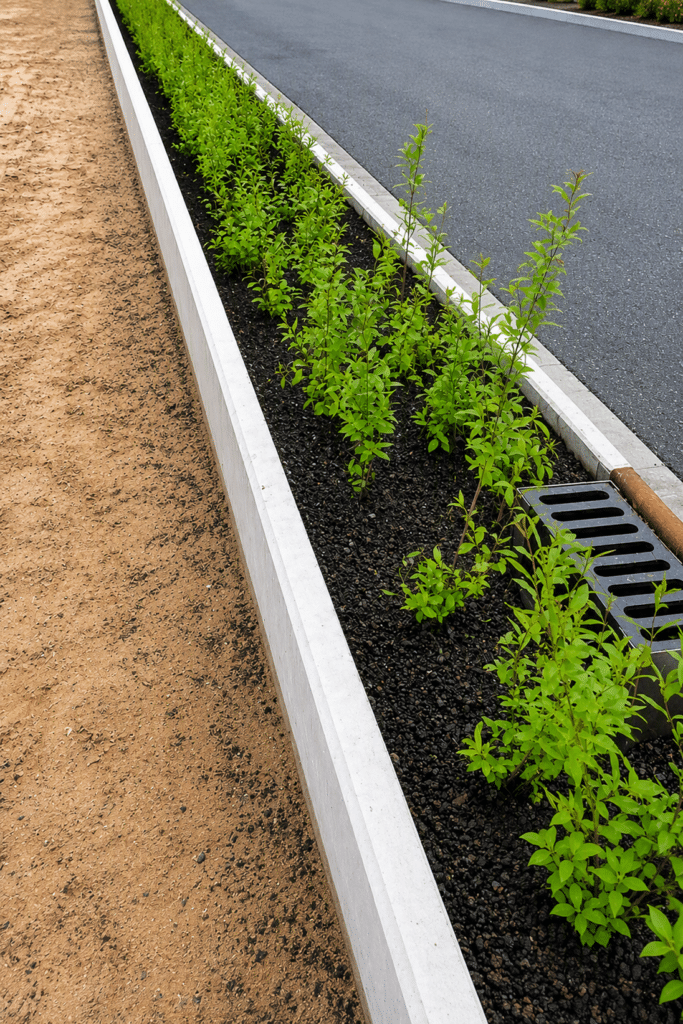
A storm drain has been doing the same thing for decades: draining rainwater and trapping debris. But what if that same manhole could also provide insights into how an infiltration system is functioning, warn of a potential clog, or identify areas prone to flooding? With that in mind, TBS-SVA Group collaborated with Ireckon City to develop a smart manhole sensor. Not to collect more data, but to give managers earlier insight into the operation of entire water systems.
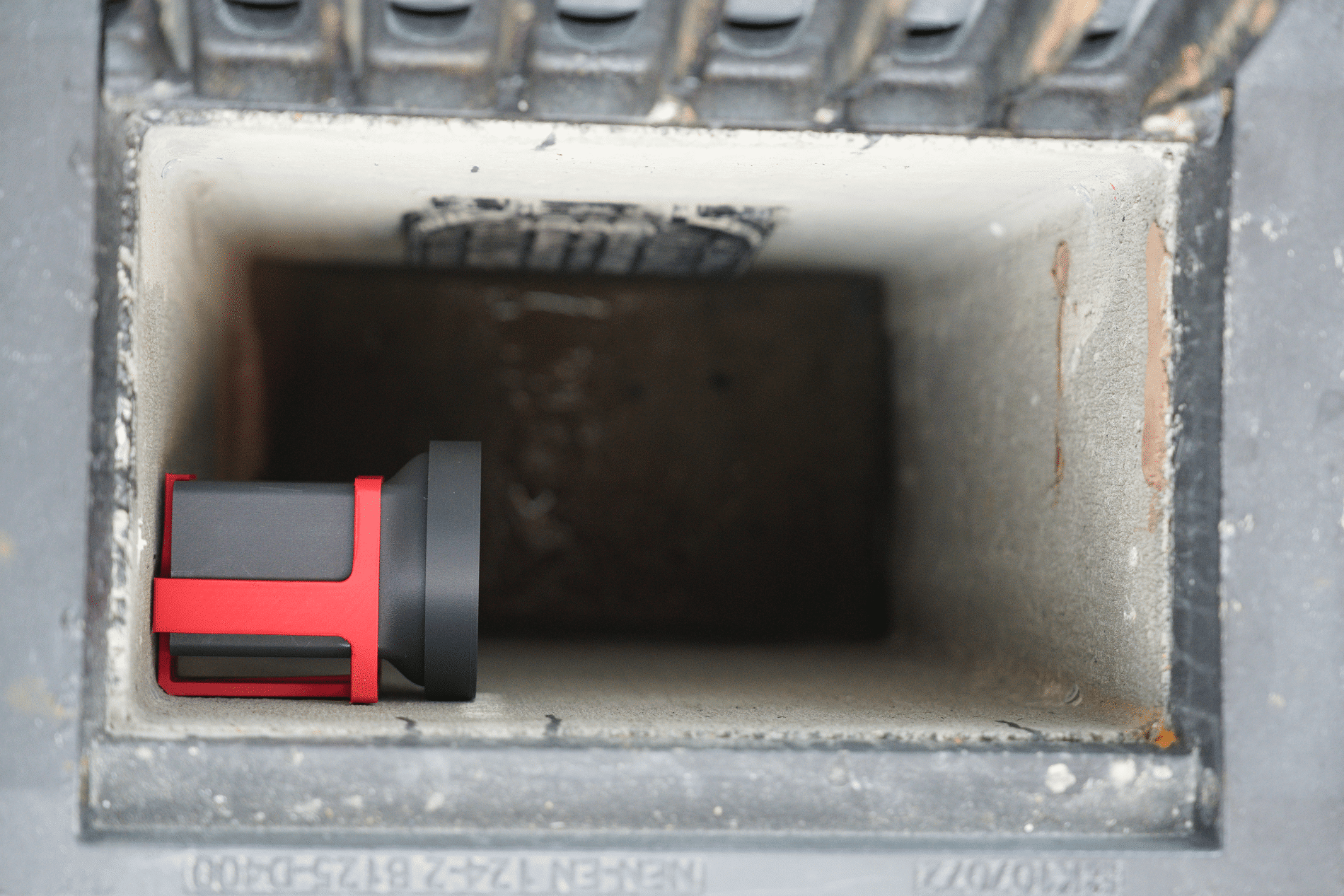
There are millions of street and sidewalk drains in the Netherlands. They are everywhere, easily accessible, and located exactly where rainwater enters a drainage system. It was precisely this that led Jack Theunissen, R&D Manager for Integrated Water Management at TBS-SVA Group, to see an opportunity to give the drain an additional function. “Why shouldn’t we use that existing infrastructure as a monitoring point?”
With that in mind, the TBS-SVA Group set out to find a practical way to continuously monitor water levels in storm drains—not by tearing open entire systems or installing additional measuring points, but by using a compact sensor that can be easily placed in an existing storm drain. “The technology for measuring has been around for some time, but the challenge was to make it robust and easy to maintain for use in public spaces.”
TBS-SVA Group found the right partner in Ireckon City to develop a sensor that operates reliably, does not interfere with maintenance, and can be easily integrated.
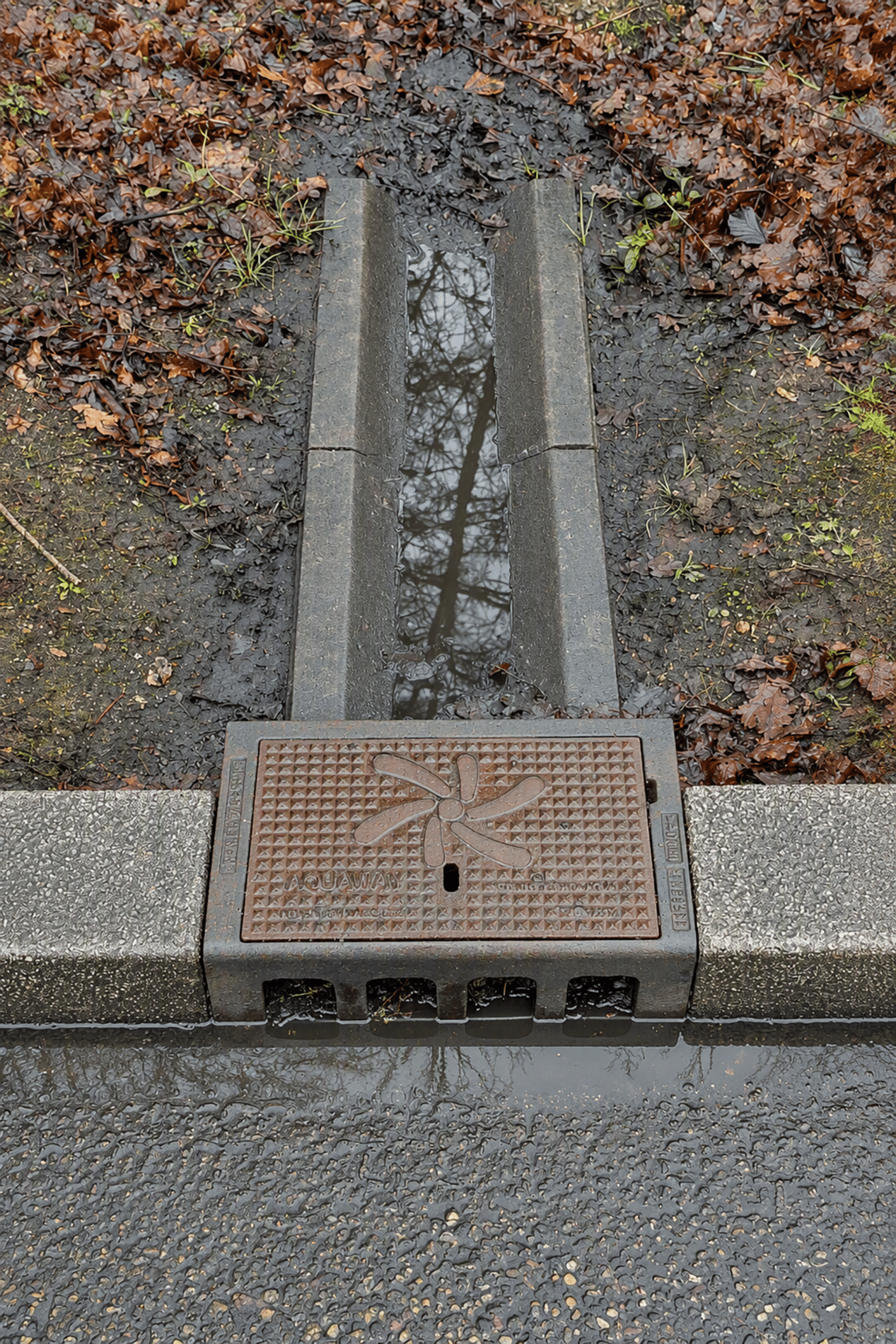
The sensor continuously measures the water level in the drain. “If a catch basin remains full for an extended period after a heavy rainstorm, that’s an indication that something isn’t functioning properly somewhere in the system,” Jack explains. “That could be a clog, but it could also be an infiltration system that isn’t processing enough water.” The catch basin thus serves not only as a drainage point but also as an indicator of the functioning of infiltration systems and the underlying sewer system.
According to Jack, the manhole sensor is part of the development of Smart City applications, in which objects are increasingly providing real-time information. “The data can be imported into existing management systems or into the Ireckon City platform. This allows anomalies and blockages to be detected earlier and maintenance to be tailored to the actual situation.”
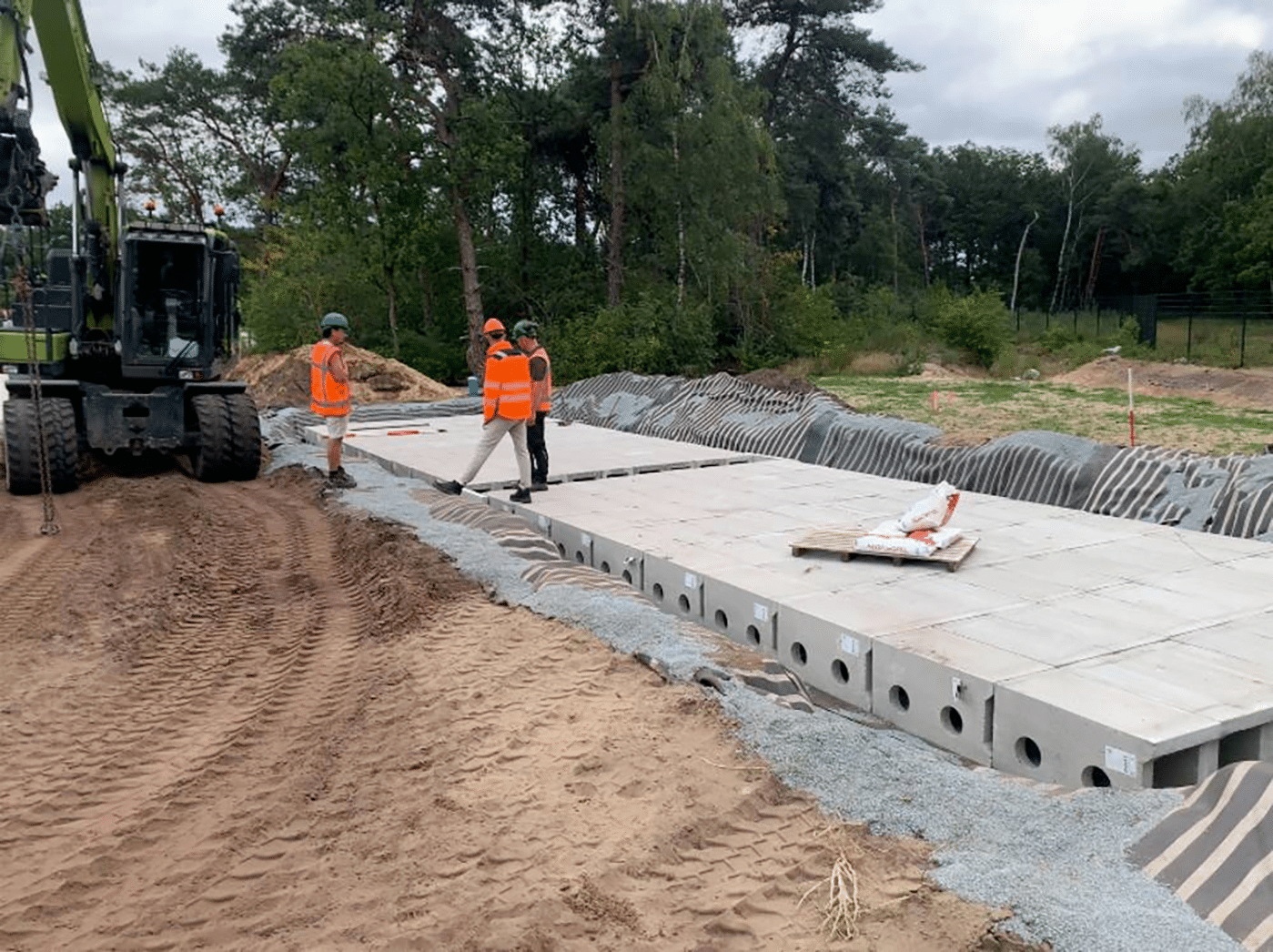
According to Commercial Director Willy Bruckers, smart monitoring only truly delivers value when it is properly integrated with physical water management solutions. “We don’t just develop smart technologies; we also provide the infrastructure that collects, stores, and infiltrates rainwater.”
As the largest manufacturer of street and sidewalk drains in the Netherlands, TBS-SVA Group offers a complete package of climate-adaptive solutions. Above ground with the Mini Raingarden and underground with products such as Citykross, Gullybox, and wadi drains, which collect, store, and infiltrate rainwater in a controlled manner.
“By collecting rainwater locally and allowing it to infiltrate in a controlled manner, we not only reduce flooding but also improve water quality.”
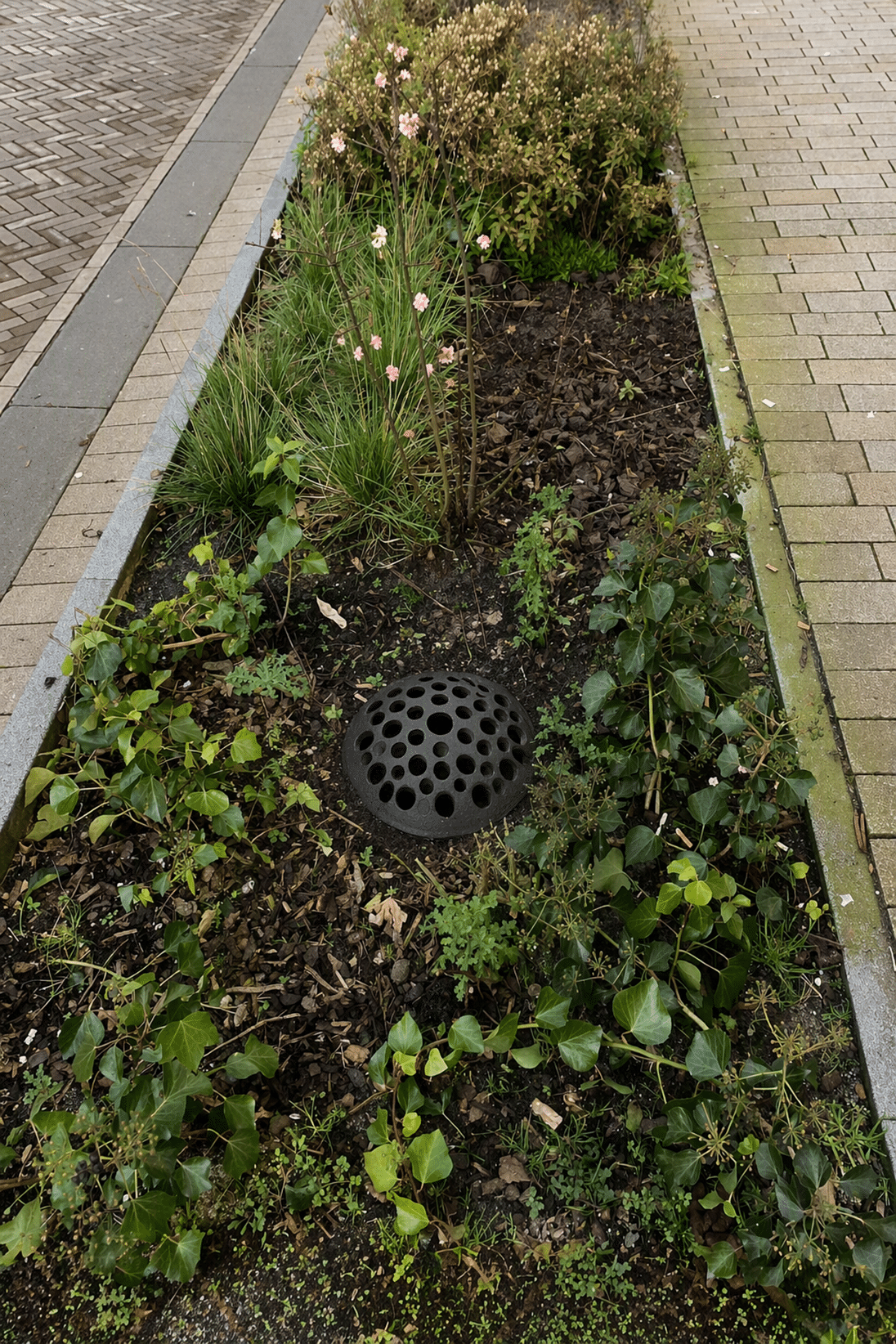
According to Willy, municipalities are increasingly looking for solutions that combine water management and management information. “Our storm drains are already located where all the information converges. Adding smart monitoring there creates added value for managers.”
He sees this combination of physical solutions and digital monitoring as a logical next step in future-proof water management. “You don’t want to wait until there’s water on the street somewhere before taking action. By taking measurements, you can find out sooner what’s happening underground and organize your management in a much more targeted way.”
Neem dan rechtstreeks contact op met TBS-SVA GROUP.
 Contact opnemen
Market leader in drainage solutions A wide range of drainage products for EVERY project Within the GWW infrastructure, as market leader in the Netherlands, we are the advisor for drainage issues. Innovation, sustainability and safety form the basis of our policy and product range. Our range is distinguished by a wide choice in both point and line drainage and all types of access systems such [...]
Bekijk Bedrijfsprofiel