Platform on civil engineering, underground infrastructure, energy, construction equipment & construction machinery
Grebbedijk Area Development
How do you design and reinforce a dike in an area where flood protection, nature, heritage, and recreation are all important? For the Grebbedijk area development project, work has been underway in recent years, commissioned by the Vallei en Veluwe Water Board, to find a solution that both reinforces the dike and enhances the surrounding area. Iv discusses the unique challenges and design choices behind the final design.
The Grebbedijk protects approximately 250,000 residents of the Gelderse Vallei from high water levels in the Lower Rhine. A national assessment of primary flood defenses revealed that parts of the dike no longer meet current safety standards. For this reason, the dike will be reinforced over the next four years.
At the start of the construction phase, there were still several uncertainties, particularly regarding existing structures in and beneath the dike. Sheet pile structures are present at multiple locations, but data on their construction and remaining service life were lacking. Therefore, Iv, commissioned by the Koninkswaard consortium (Boskalis Nederland and Wetering), drew up a comprehensive investigation plan. The results formed the basis for the final design.
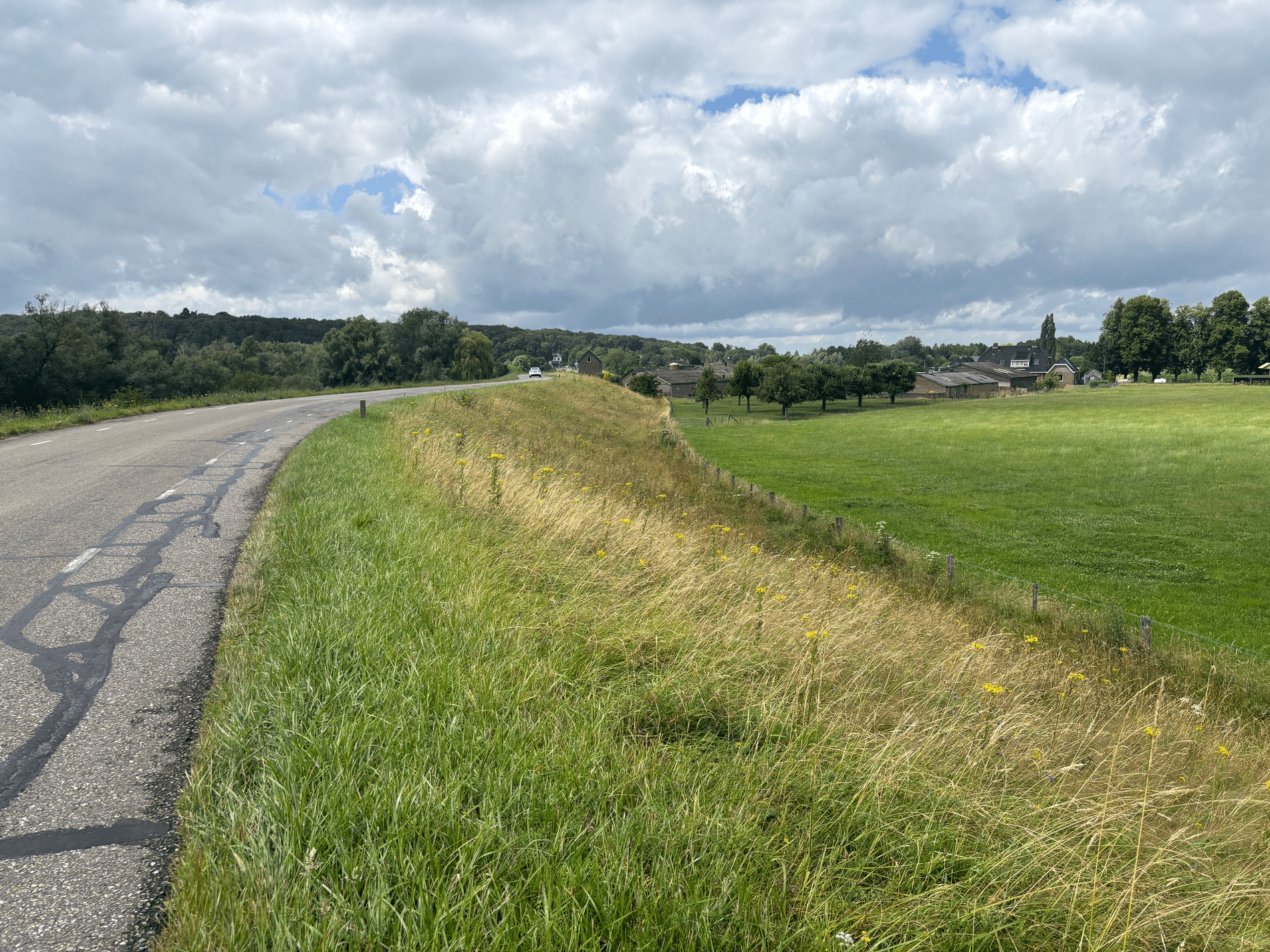
The dike section is located in an area where many functions converge. The floodplains along the Lower Rhine form an important ecological corridor between the Utrechtse Heuvelrug and the Veluwe. The historic Hoornwerk fortification from the Grebbe Line is also located here, and it must be preserved. In addition, protected bird species nest in the area, which is why the project will be carried out over several years and in a specific sequence.
There is also a lot happening around the Grebbedijk. A channel is being dug in the floodplains to comply with the Water Framework Directive and for nature compensation. The excavated clay is being used to construct retaining embankments, allowing for the circular reuse of soil within the project. Riverbanks are also being modified to create an ecological corridor, which requires specific technical solutions, such as new revetments and modified slopes.
The design also takes into account protected species, recreational activities, and access to the area. The challenge is to build a safe dike that also blends into the landscape.
A detailed reference design was already in place during the bidding process, but information was still lacking in some areas regarding the subsoil, existing structures, and the feasibility of the proposed measures. For this reason, test trenches were dug, structures were examined, and additional calculations were performed for factors such as stability and piping. At the same time, an assessment was made to determine whether the proposed measures were actually feasible and implementable. This involved addressing questions such as: Can we install a sheet pile wall here without damaging the surrounding area? And which method is better: vibratory driving or pressure driving? Can we excavate here without temporarily weakening the dike?
An important part of the project was the investigation of existing sheet pile structures, such as the cofferdam at the Hoornwerk. Test trenches, steel thickness measurements, and magnetoconus soundings were used to determine which structures are present, what their current condition is, and how deep the sheet piles extend. This made it possible to assess whether the structures still meet safety requirements. Reuse was found to be possible at several locations: existing structures have a remaining service life of at least fifty years. This keeps interventions to a minimum and saves costs.
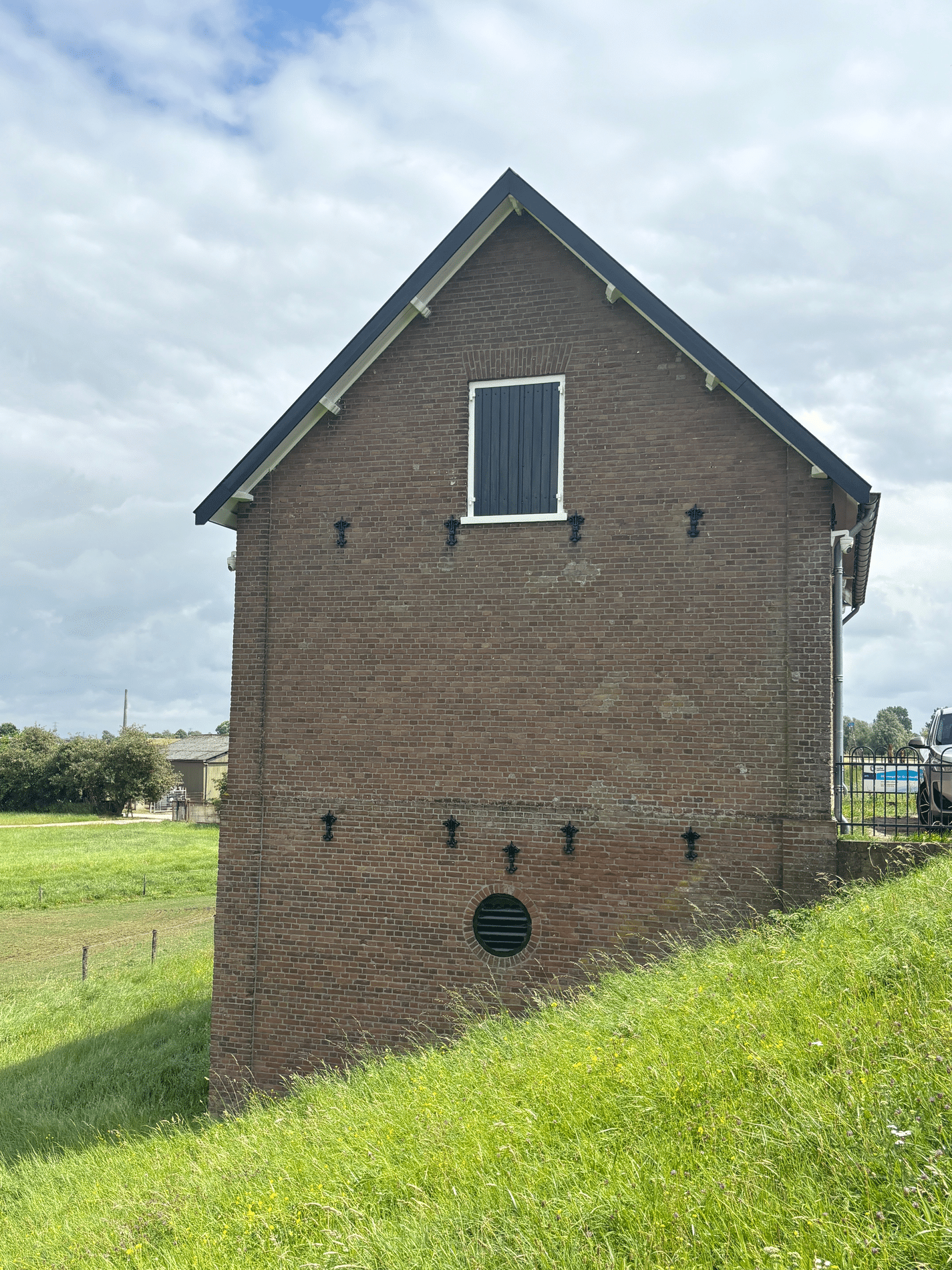
However, not all existing structures can remain in place. The old Witte Sluis is located beneath the Grebbedijk. It no longer serves any purpose, but it could affect the behavior of the dike and must therefore be removed. This is technically complex, in part because water safety must be maintained throughout the work.
To prevent the dike from sliding, a retaining embankment is needed on the inner side. In the reference design, this embankment was safe, but its width had a significant spatial and visual impact. Based on additional analyses, the width of the retaining embankment was reduced from about half to one-third of the retaining height. This results in less earthwork and a more compact profile, while still meeting stability standards.
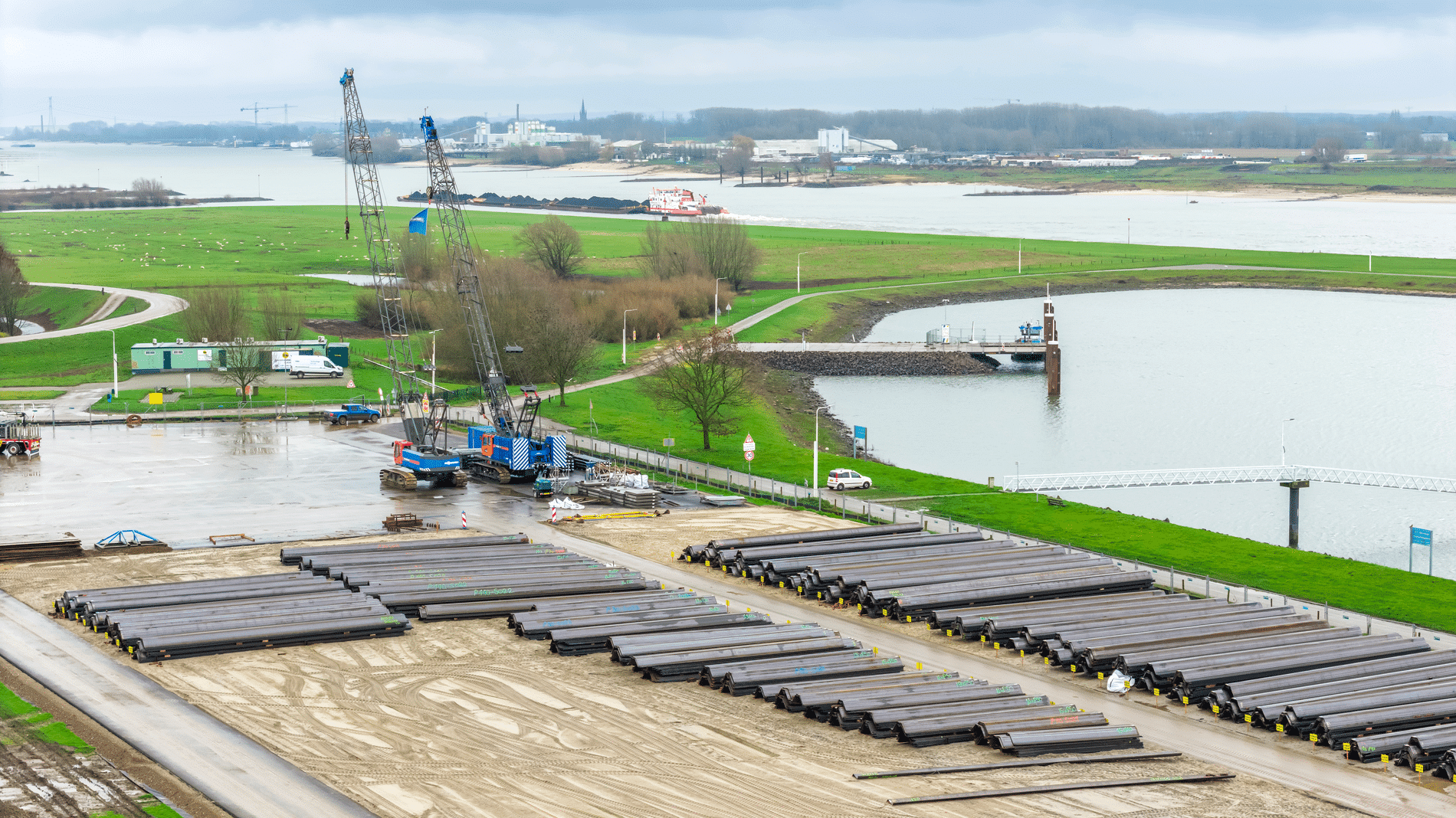
To limit piping, a combination of steel and plastic heave screens was installed in the subsoil. The structures are installed down into the sand layers beneath the dike and prevent under- and back-washing. This extends the flow path and increases resistance, thereby reducing the risk of sand transport. The selection process took into account not only effectiveness but also feasibility and the impact on the environment.
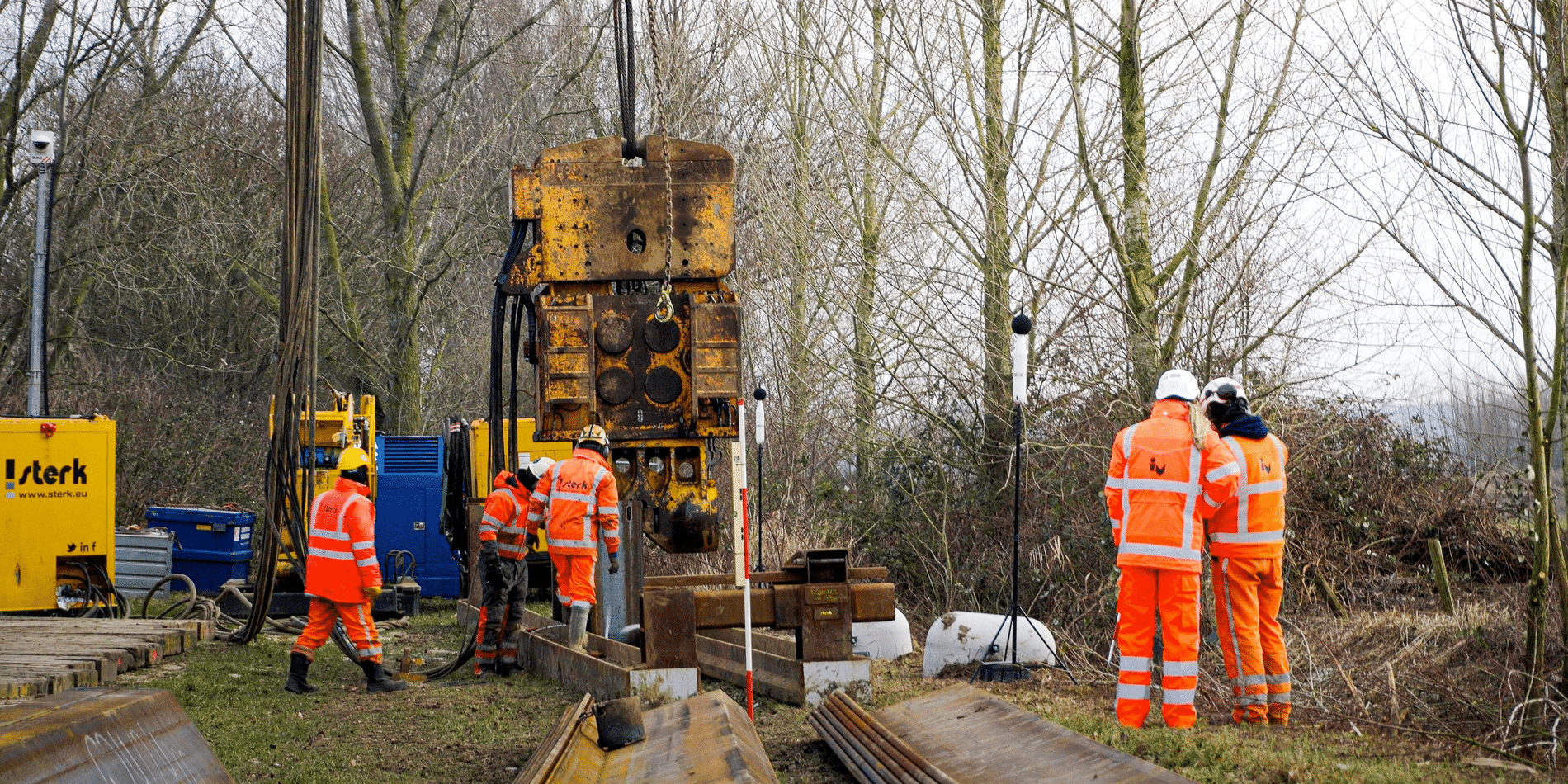
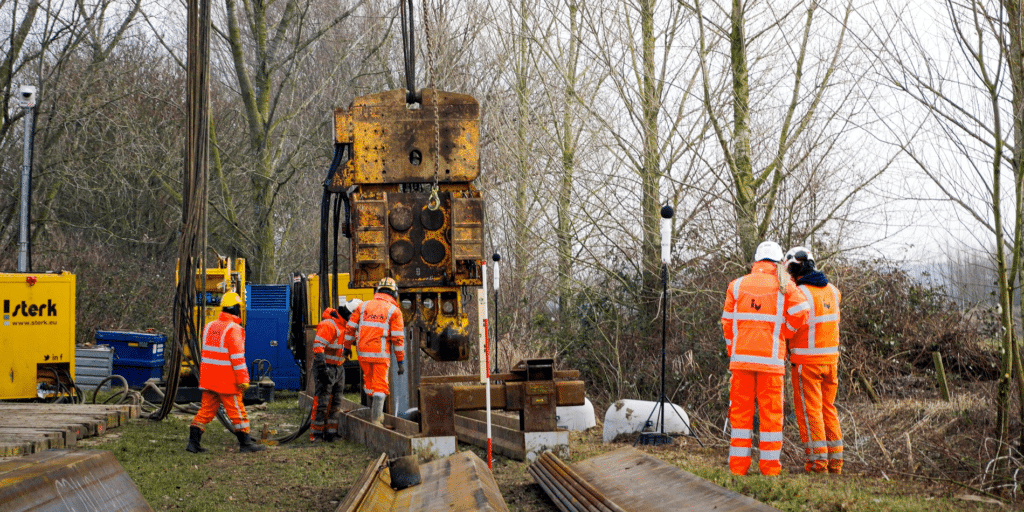
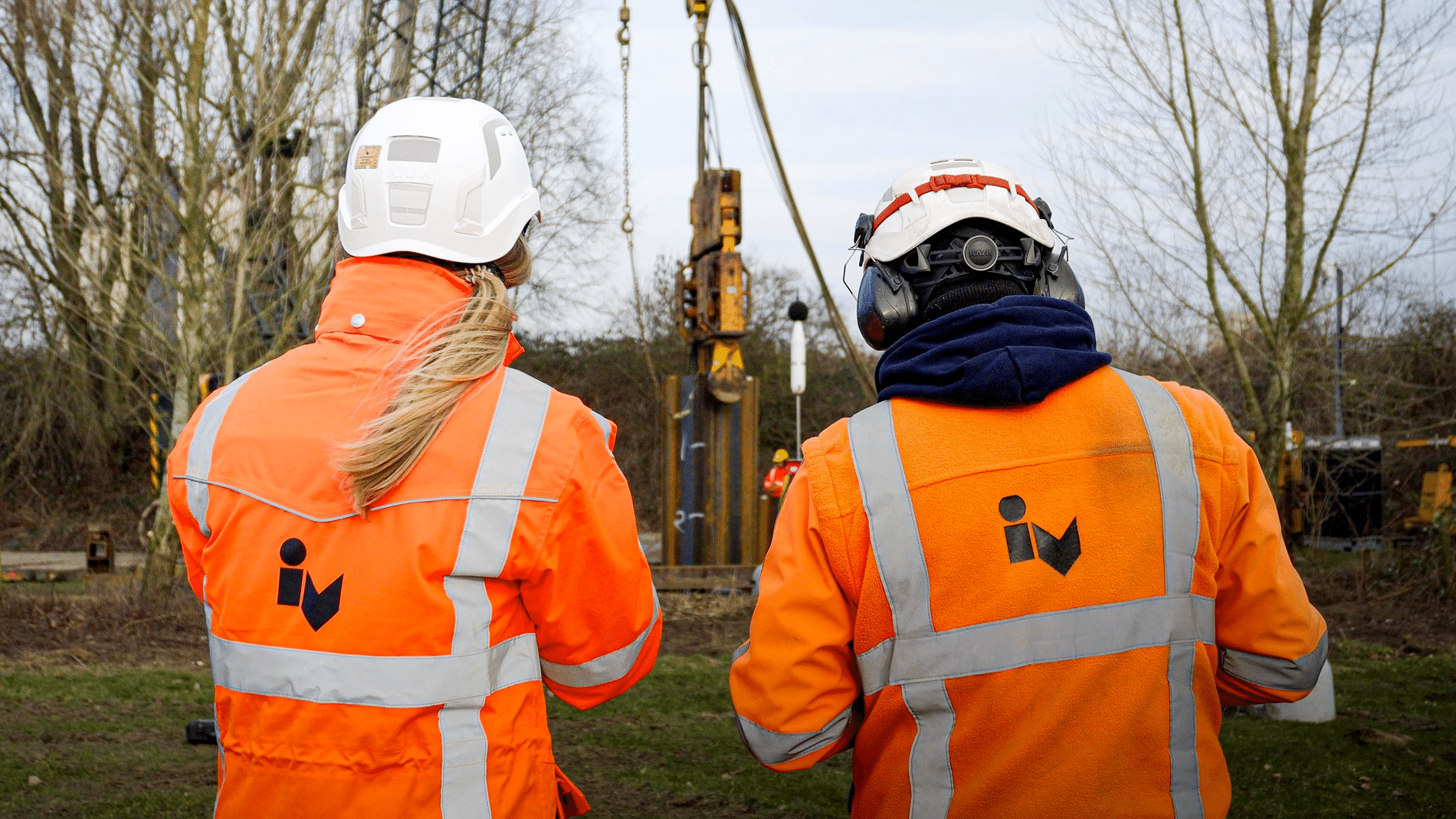
In locations with limited space, such as near homes or businesses, longitudinal structures in the form of steel sheet piles are used. A study was then conducted to determine the best method for installing them. Vibratory driving is faster but causes more vibrations in the surrounding area. Various installation methods were evaluated through local pile driving tests. Based on these results, it was determined where vibratory driving is feasible and where sheet piles should be driven by pressure to minimize the risk of damage to surrounding structures.
After the floods of 1995, sections of the Grebbedijk were reinforced with sand by adding a sand berm to the inner slope. Sand is relatively heavy and provides good stability, but it is less compatible with the desired structure of a clay dike. In the current design, the sand wedge will therefore be removed. Parts of the inner slope will be excavated and rebuilt using clay and a support embankment. Because excavating a large section of the dike all at once is risky, this work will be carried out in phases. Each step will be calculated and verified in advance.
The reinforcement of the Grebbedijk and the surrounding area is not simply the sum of individual measures, but a series of choices that are directly interrelated. Any changes you make to the subsoil affect stability. What you design determines how you can build it. And what you do outside directly affects nature and the use of the area. The final design will be completed in the coming months, and the following four years will focus on implementation. If everything goes according to plan, by the end of 2030 there will not only be a safer dike, but also an area that is more beautiful, stronger, and better balanced.