Platform on civil engineering, underground infrastructure, energy, construction equipment & construction machinery
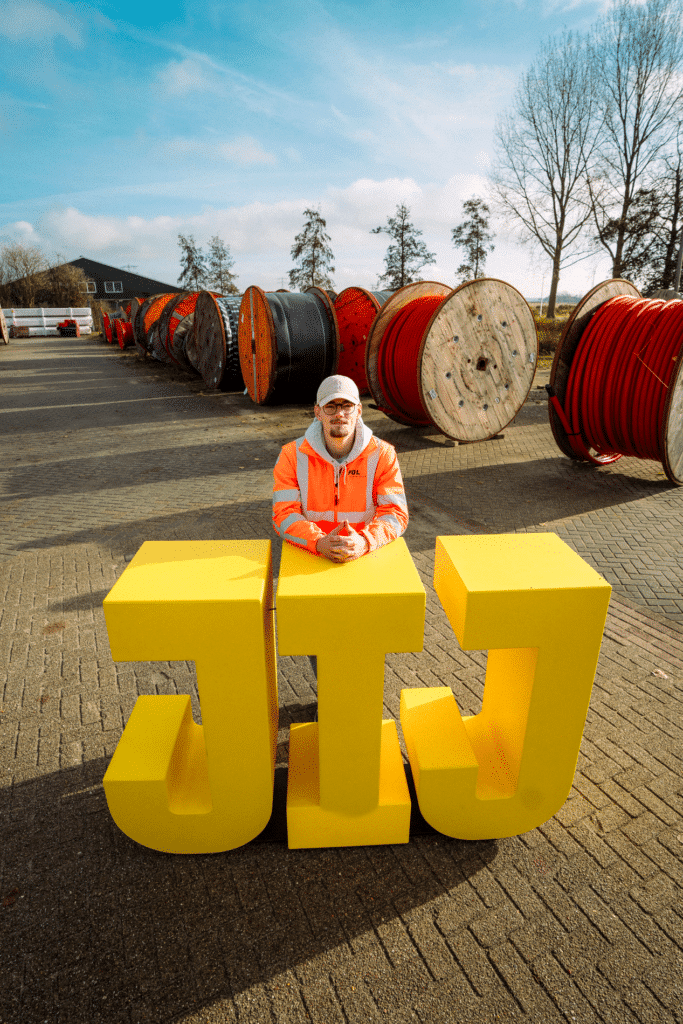
The infrastructure sector is facing a huge job. Not only on land, road or water, but also in the job market. Plenty of work, but a growing shortage of people to do it. How do you attract new professionals and keep them on board? JIJ in de Bouw & Infra shares practical insights for employers who want to stay future-proof.
Plenty of work, that's not the problem. The construction and infrastructure sector faces a huge task in the coming decades: new neighborhoods, energy transition, maintenance and replacement of infrastructure. There are just fewer and fewer people to do the work. Starting with the fact that a large proportion of experienced professionals will be retiring in the next five years. Leontien de Waal, construction sector banker at ABN AMRO: “About 30 to 35 percent of construction and infrastructure companies are facing outflow through retirement. That's a lot, especially in a sector where project-based and safe working requires a good balance between young and experienced.”
Moreover, the inflow from training, especially for the practically trained, structurally lags behind the number of people the sector needs annually. As a result, the demand for personnel continues to rise, and there is no reason to believe that this will change. Jeroen Stolk, labor market specialist at Werkperspectief: “The reserve bank is empty. We can't keep hoping things will improve on their own. The idea that the labor market will recover by itself is dangerous. Even if the economy cools down, the gap between supply and demand remains. The shortage of people is not temporary, but here to stay.”
The youngest work generation may be the answer. Yet many employers view that group of employees - also known as Generation Z or Gen Z, born between 1997 and 2012 - with mixed feelings. Stories about flexible workdays, hybrid workplaces and endless feedback calls have created an image of a generation that demands a lot while having little loyalty.
But that picture is not accurate - at least not for the practically educated young person. In 2025, ABN AMRO published a survey of nearly 1,900 practically educated Gen Z'ers: What practically educated Gen Z'ers really want. De Waal is one of the authors. “First of all: if you talk so generally about an entire generation, you quickly miss valuable details and nuances. But young people simply have something to choose from - jobs aplenty - and by and large they find other things important in their work.”
For example, compared to their student peers, they value more:
Practically educated youth have less need for meaning, but that does not mean they do not seek meaning in their work. They just define it differently than their theoretically educated peers. Not saving the world, but laying the foundation for a new housing development, contributing to energy transition or helping to build a long-awaited connecting road to the city. Visible and impactful work they can be proud of. And that is exactly what many GWW employers have to offer.
They should be allowed to tell more about that, according to De Waal. “In infra, your work is sometimes less visible than in construction: a house, office or stadium stands out more than cables and sewers. But on the other hand, in how many sectors do you contribute so directly to energy transition or climate adaptation? Better highlighting that contribution can win people over. The fact that infrastructure work can be quite complex, innovative and technological also helps in that regard.”
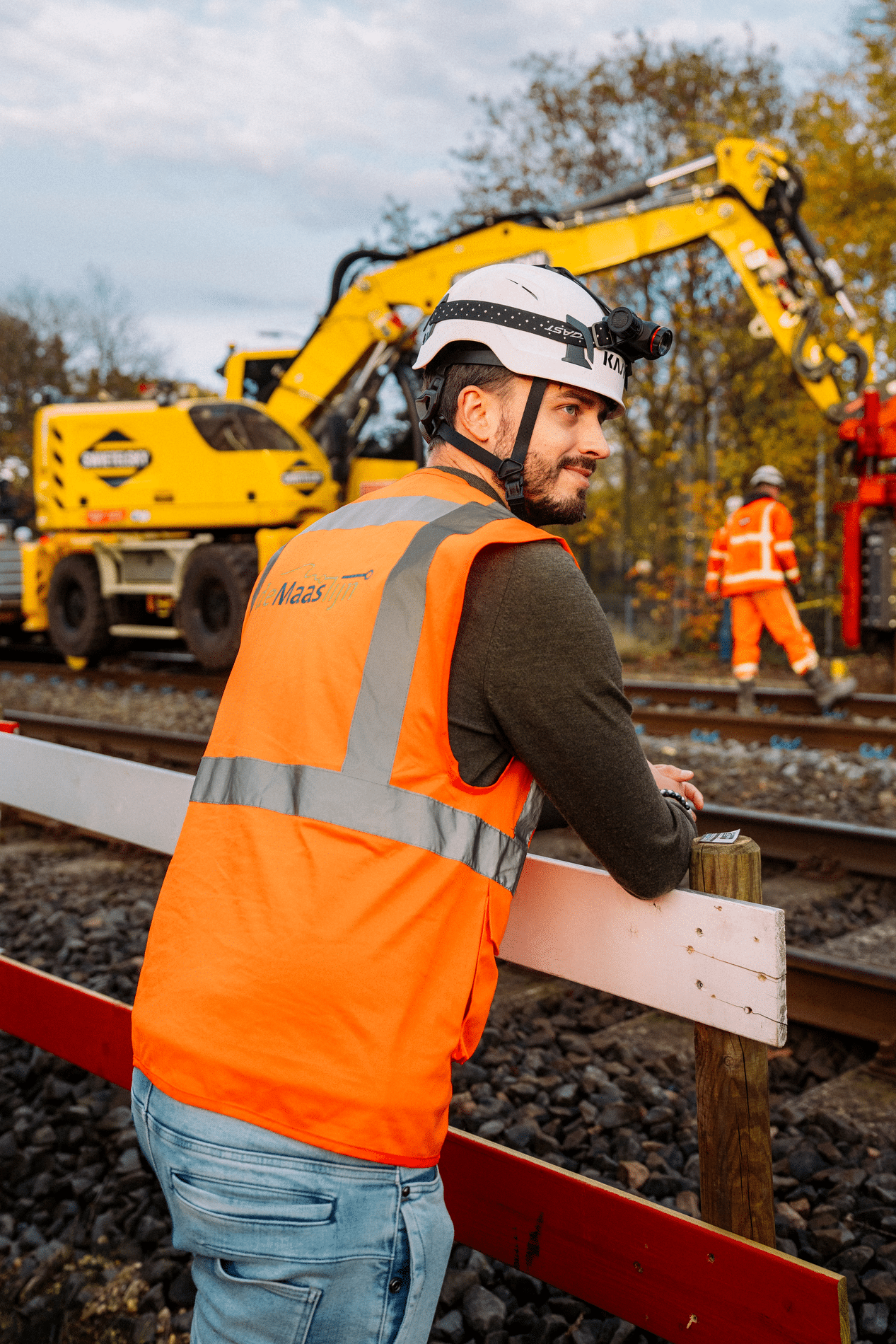
Decent pay, permanent contract, good tools and decent work clothes. These are the conditions that practically educated Gen Z'ers look for. Almost all consider a good salary and permanent contract important. And 74 percent consider a professional workplace with good equipment ‘very important’ - significantly more than their theoretically trained peers.
Fortunately, many GWW companies have had this basis in order for a long time - they just do not show it adequately. Salary indications are lacking in vacancies, terms of employment are not discussed until late in the job interview, and the new excavator is nowhere to be found on the website - while that is precisely the information young people are looking for. The lesson therefore is: you don't necessarily have to offer more, start by telling them what you already offer.
Practically educated Gen Z'ers want freedom, but also frameworks. They thrive on clear expectations, a regular supervisor and regular face-to-face meetings with their employer. And not about get-togethers or team-building outings, but about how they are growing and what is expected of them.
Wiep van der Pal, director of JIJ in Construction & Infra: “If we don't invest in the people we already have, we won't make it. No matter how well we recruit.” Stolk concurs, saying, “Most people leave their jobs not because they get it better somewhere else, but because they don't feel seen in their current job. A good conversation about workload, career or work-life balance can make a lot of difference. Especially in this sector, where the work is often hard - physically and mentally.”
That guidance, moreover, is crucial to the influx of future professionals. “Whatever comes out of our research: it is important to have a good coach or supervisor,” says De Waal. “Especially when the quality, speed and safety of the work weigh heavily. Moreover: those supervisors are often experienced employees who are retiring - sooner rather than later. So pairing them with young colleagues also helps to retain all that knowledge and experience.”
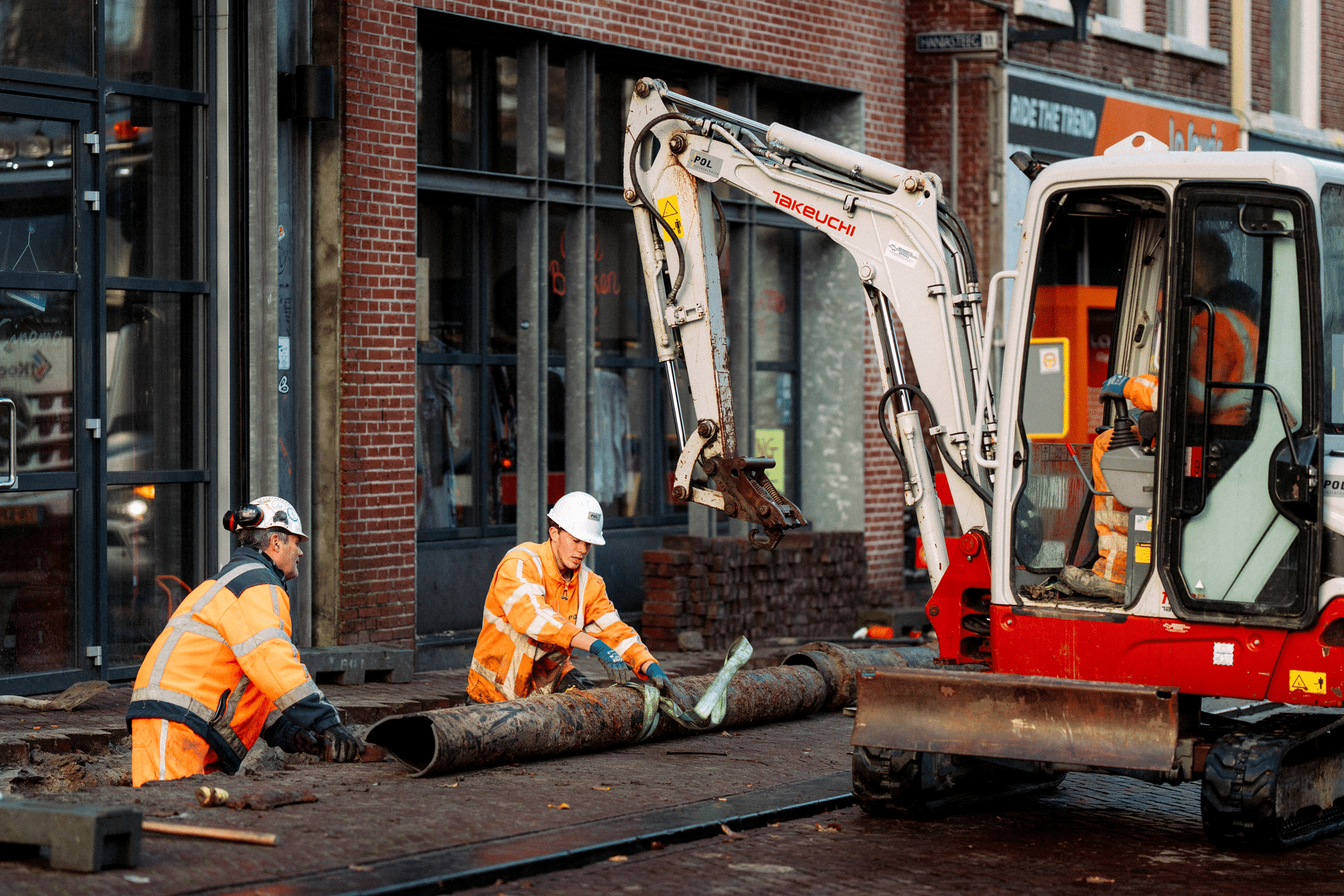
Publishing the same job posting and hoping for a different outcome is not a strategy. There are a lot of people who would like to work in GWW, but don't take the regular route. Lateral entrants, career switchers, status holders with relevant experience: they bring fresh energy and consciously choose infra, which makes them motivated and loyal.
Pol Infratechniek from Leeuwarden also consciously gives this group a chance. HR manager Tanya Kooistra on that choice: “We also hire people who already have a career behind them in another field. When we are looking for new colleagues, we are not looking for a piece of paper or specific experience. We teach them the hard skills along the way. For us, one question determines whether we hire someone: do you want to? Thanks to that approach, we have already found several talents.”
Robots that take over heavy lifting, drones that perform inspections, digital tools that make work safer and more efficient - technology is making the profession not only lighter, but also more attractive to a generation that has grown up digital. “We don't talk about digital natives for nothing,” according to De Waal. “Who simply expect an organization to keep up with the times and offer smart tools.”
Investing in technology does require a different way of thinking. Van der Pal: “Don't focus on what it costs today, but look at what it will bring tomorrow. Technology is not a threat, but a tool to stay future-proof.”
Such adjustments cost money, time and energy. Especially for smaller companies with tight margins, it is a serious challenge. But the alternative is more expensive. De Waal: “If you do nothing, eventually you just run out of people. Then you'll have to choose which projects you still do and which you don't - that puts pressure on the continuity of your business.” Stolk concurs: “If we want to retain people and make the work more attractive, we have to invest in technology, training and mentoring.”
In the end, it's not about the changes themselves: the most important thing is to listen to your (future) employees and be prepared to adapt. This doesn't have to happen all at once - break it down into practical, manageable steps
jes. Moreover, remember: not only your colleagues of tomorrow benefit from improvements, but also your current staff. Perhaps older employees will stay on (part-time) longer if you become more flexible with employment conditions or working hours. In this way, you are also building a future-proof company.