Platform on civil engineering, underground infrastructure, energy, construction equipment & construction machinery
With a clear focus on specialized techniques, a strong international presence, and a growing role in partnerships, Franki Grondtechnieken is positioning itself as a key player in the foundation industry. Where standard foundation solutions fall short, the company demonstrates what is possible with unconventional and technically challenging foundation techniques.
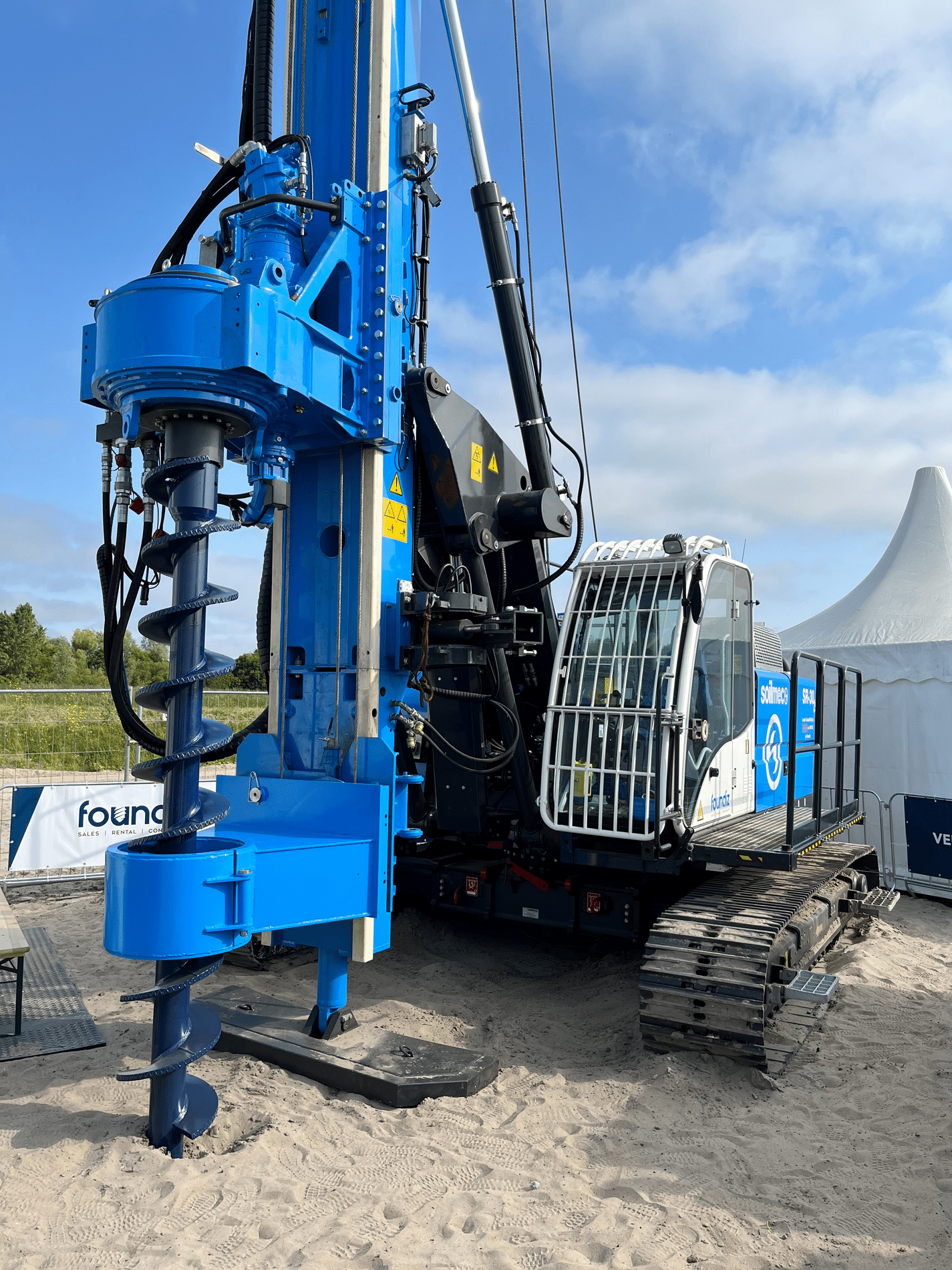
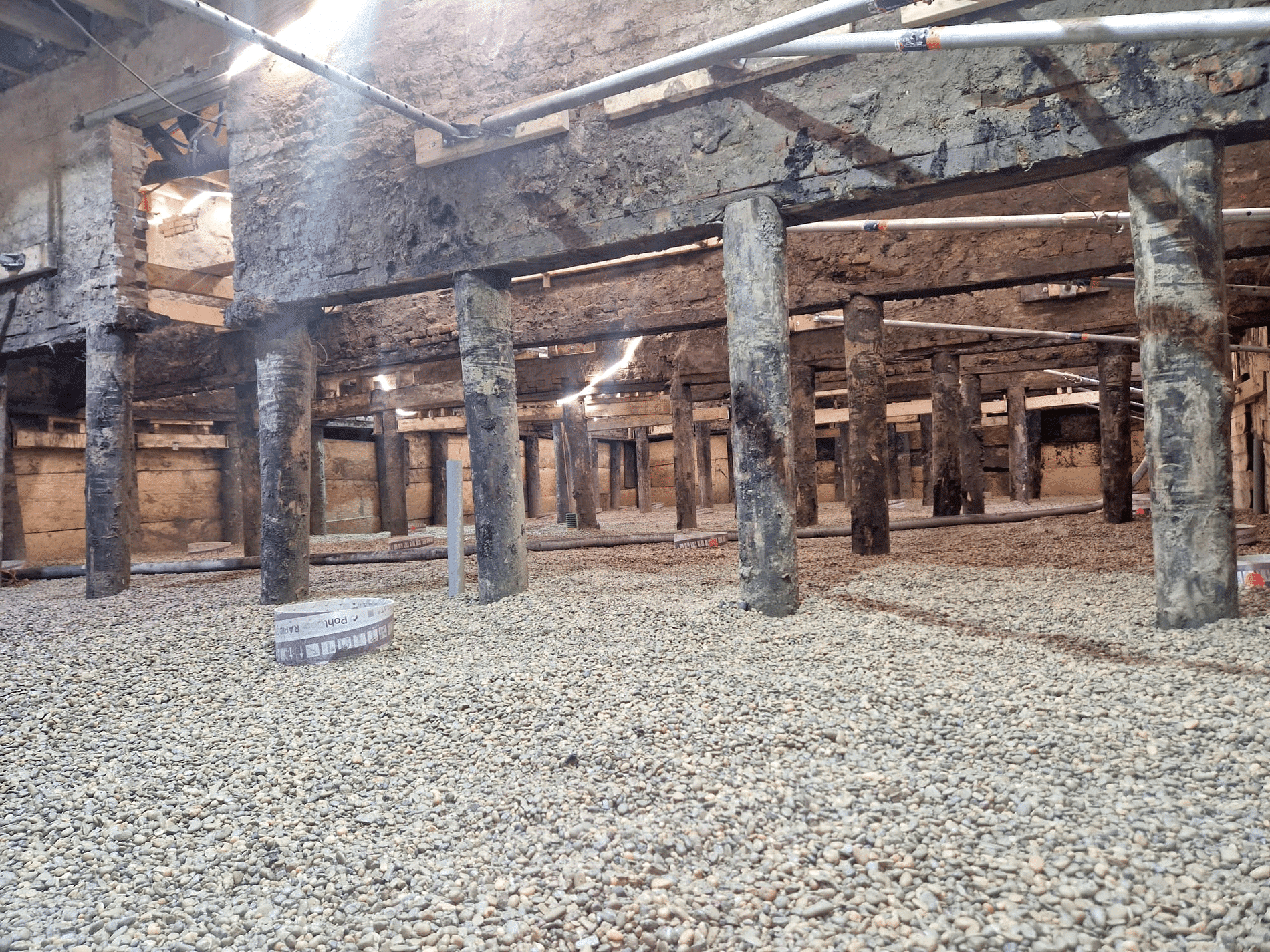
Franki Grondtechnieken specializes in complex environments, such as commercial construction, large-scale infrastructure projects, and the petrochemical industry. These projects often require foundation solutions that go beyond standard piles. Examples include soil-displacing and vibration-free systems, as well as piles with large diameters and significant lengths.
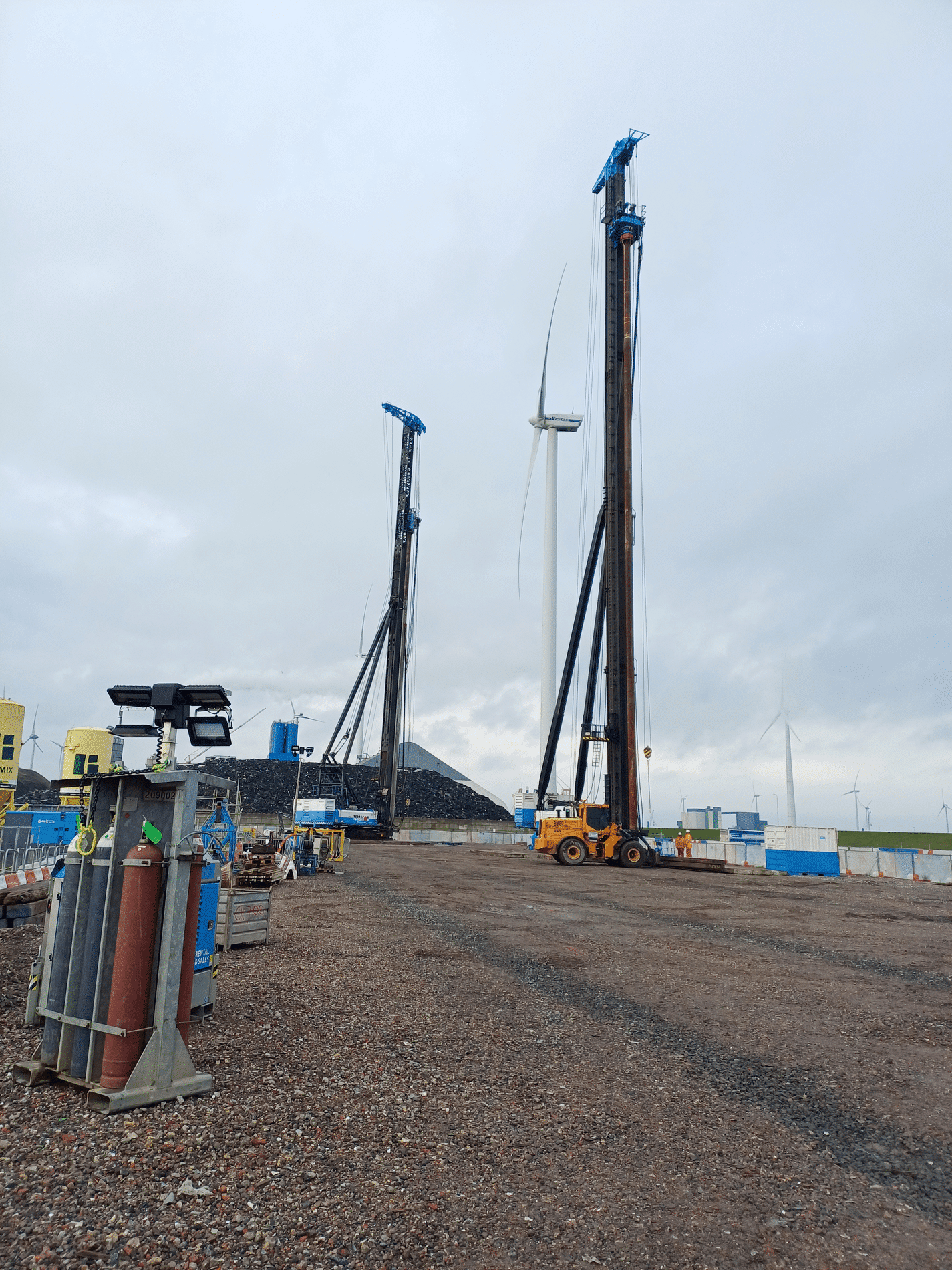
A good example of a project involving large-diameter bored piles is the ViA15 project, in which work is being carried out on behalf of Rijkswaterstaat to extend the A15 to the A12. This project forms an important link between the Port of Rotterdam and Germany. “For this project, we are using bored piles with diameters of up to nearly two meters and lengths ranging from 20 to 40 meters,” explains Jan-Wim Verhoeff, director of Franki Grondtechnieken. “Due to height restrictions at the project site, this solution was chosen to still achieve the required bearing capacity. Furthermore, the work must be carried out without vibrations, which places additional demands on the technology and execution.”
Franki Grondtechnieken is part of the BESIX Group and operates within the Franki Foundations network, with offices in Belgium and France, among other locations. In these countries, specialized foundation techniques are often the rule rather than the exception. This international collaboration offers significant advantages. For example, Franki can draw on its own engineering department in Belgium, allowing for the development of smart and feasible solutions from an early stage. Moreover, it paves the way for the successful application of techniques that are still considered ‘unusual’ in the Netherlands.
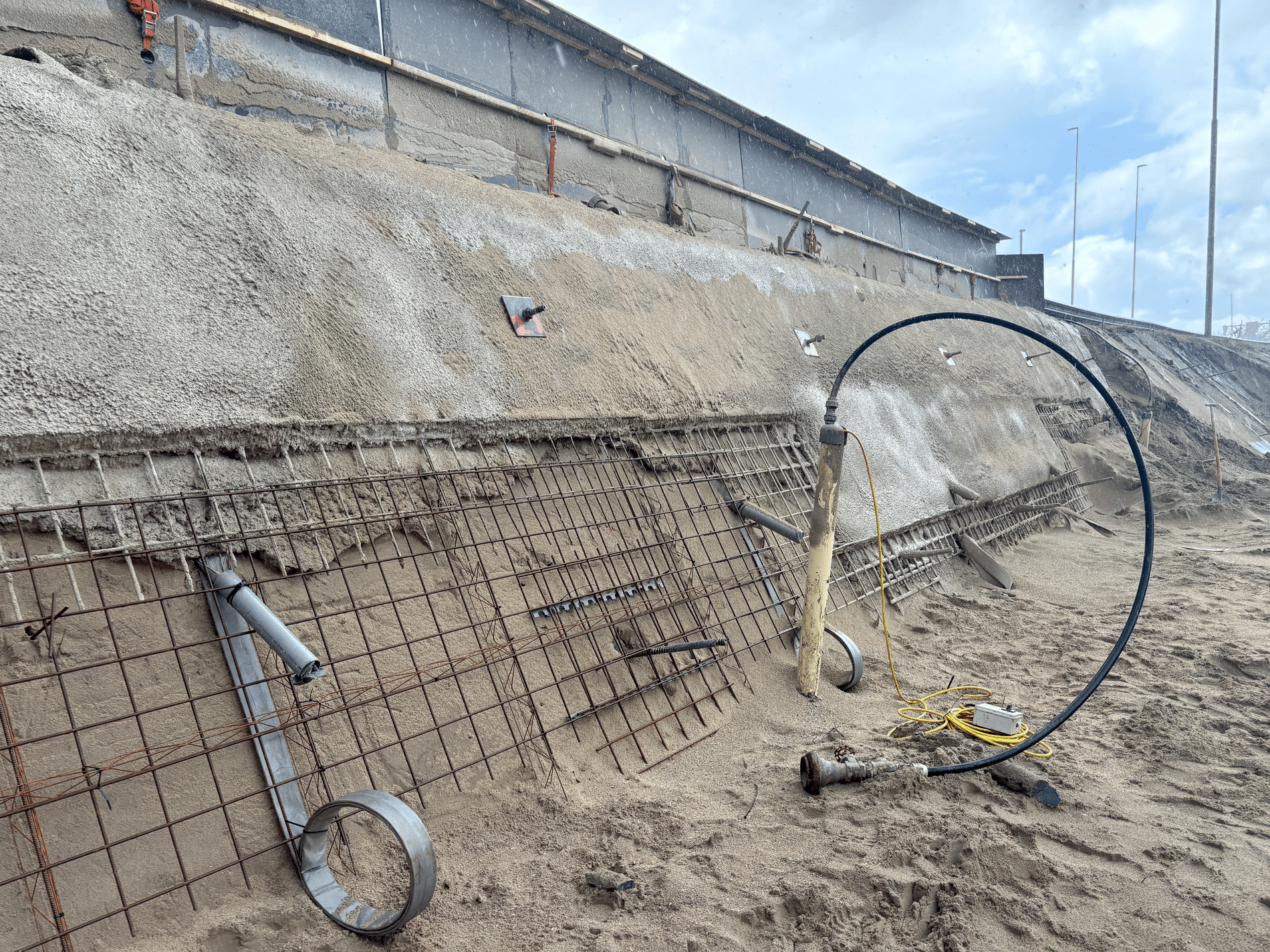
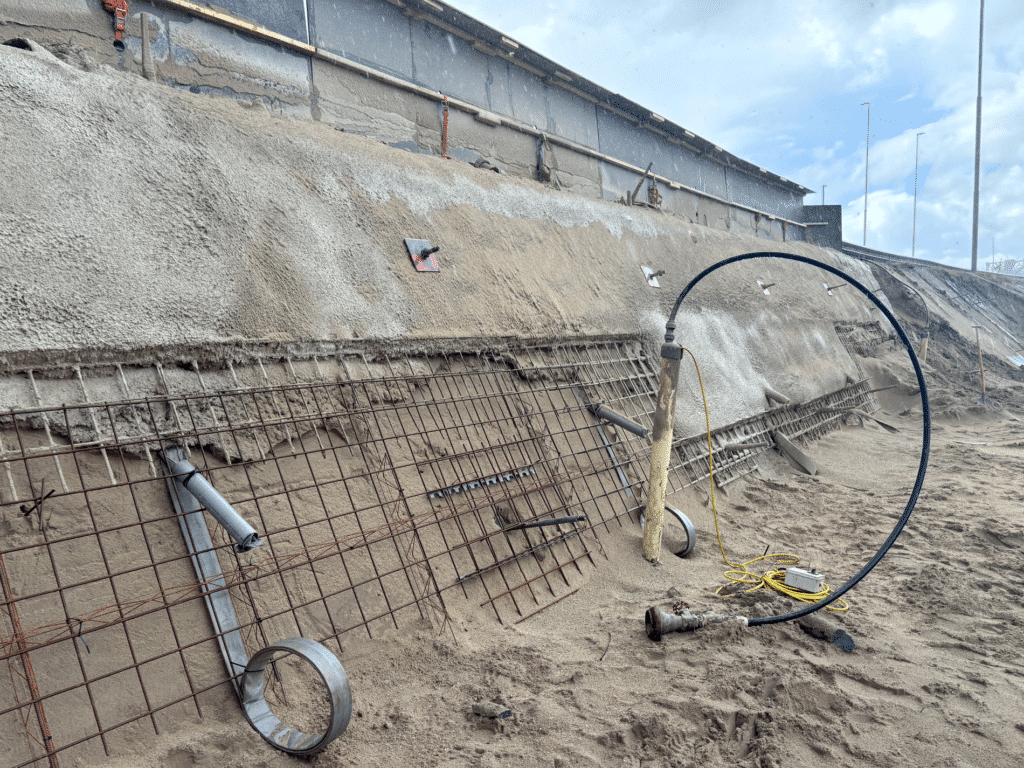
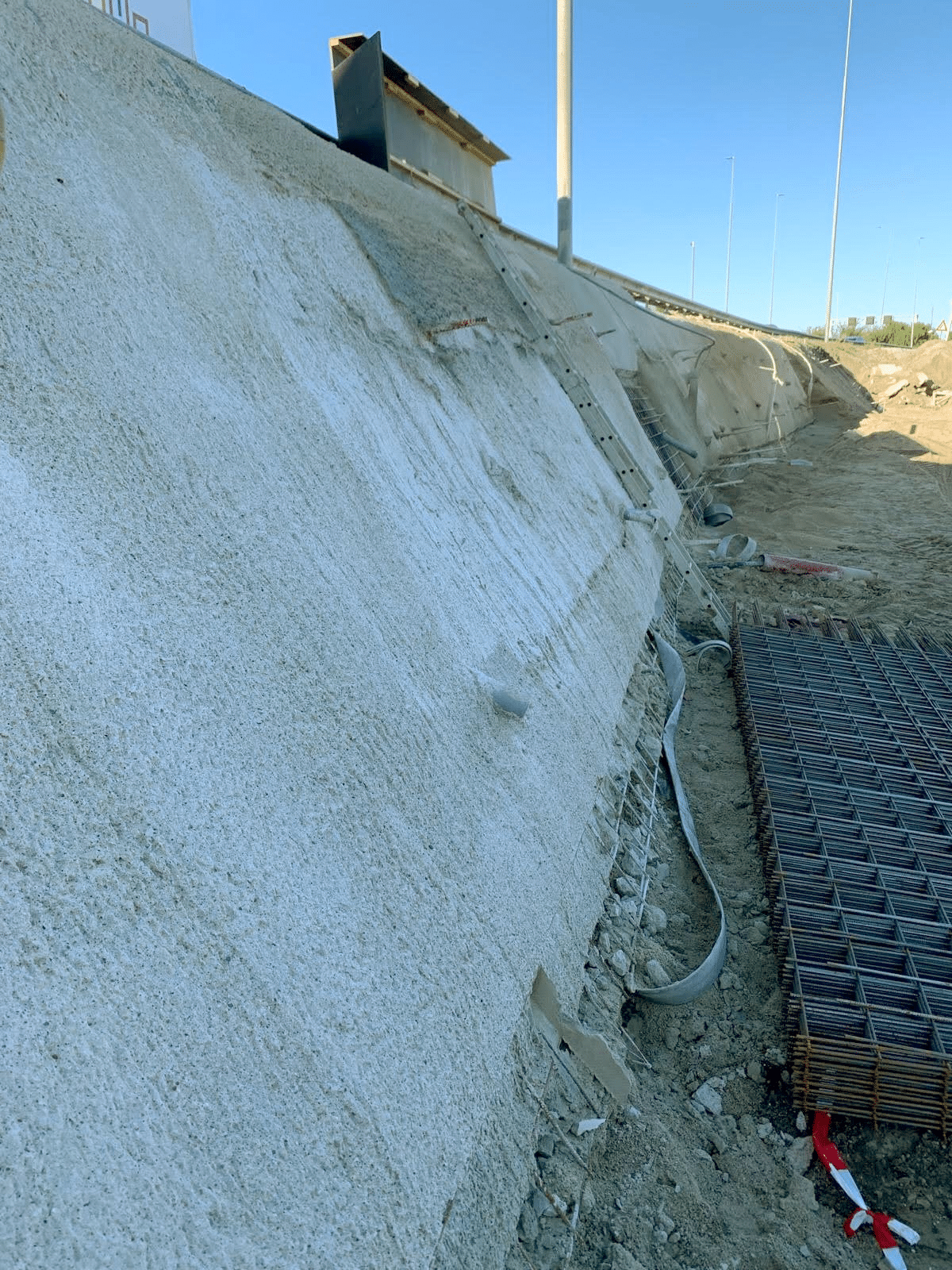
Another example of a specialized foundation technique is the use of nailed soil in the widening of the A10 near the De Nieuwe Meer interchange. This technique is widely used in countries such as Belgium and France, but is less common in the Netherlands, partly due to high groundwater levels. In this project, the challenge lay in creating a stable foundation directly adjacent to the existing highway, where the slope of the embankment left no room for conventional solutions such as sheet piling. “Here, we excavated the slope in three phases, each covering a height of approximately 2.5 meters and on a steep incline. In each phase, so-called ‘nails’—anchors approximately 10 meters long—were installed. We then installed reinforcement mesh and sprayed concrete. Together, these elements ensure a stable, steep, and durable slope.”
Verhoeff emphasizes the growing importance of collaboration. In complex projects, we work together with various parties, each contributing their own expertise. “By joining forces with partners and fellow contractors, each company can focus on what it does best. This not only enhances the quality of execution but also makes it possible to successfully complete large and technically challenging projects.”