Platform on civil engineering, underground infrastructure, energy, construction equipment & construction machinery
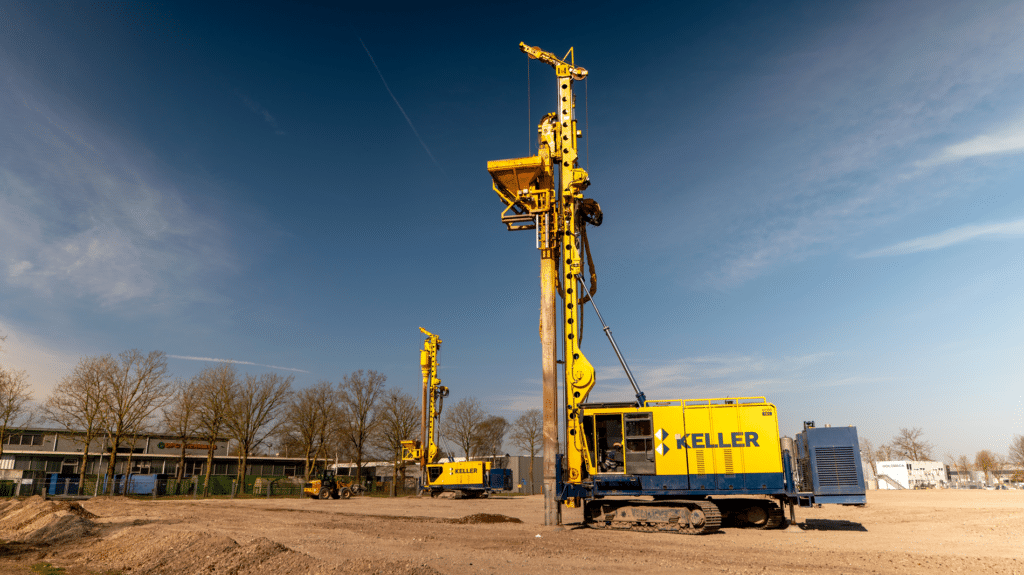
In the Netherlands, pile foundations are still often the first thing that comes to mind when it comes to foundation issues. Logical in itself, given the unstable subsoil and the long building tradition. However, according to Marcel Mertens, manager at Keller Funderingstechnieken, this is far from always necessary. “In many cases you can improve the subsoil itself so that a structure or pavement can be founded on it. This offers both technical and sustainable advantages.”
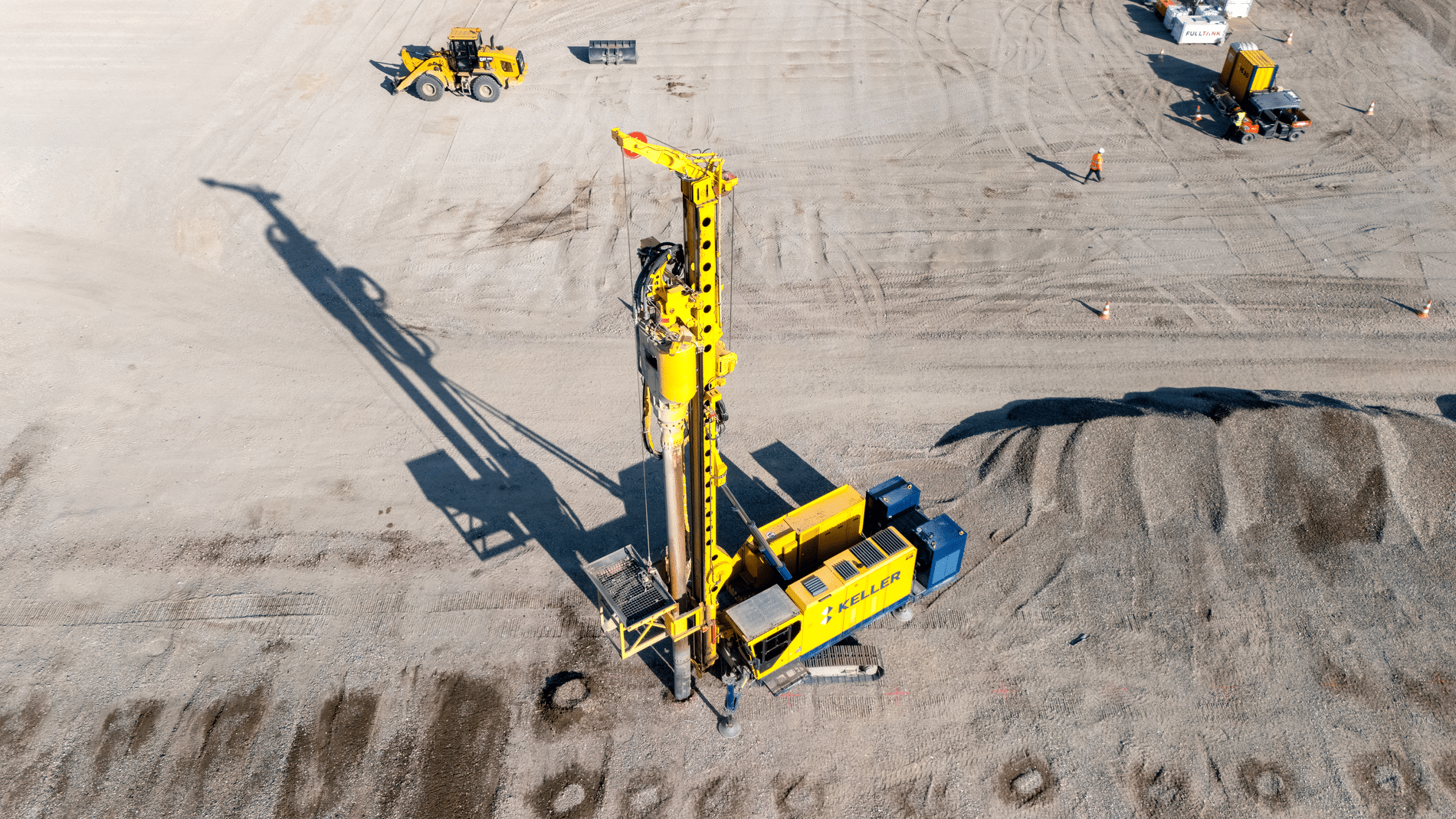
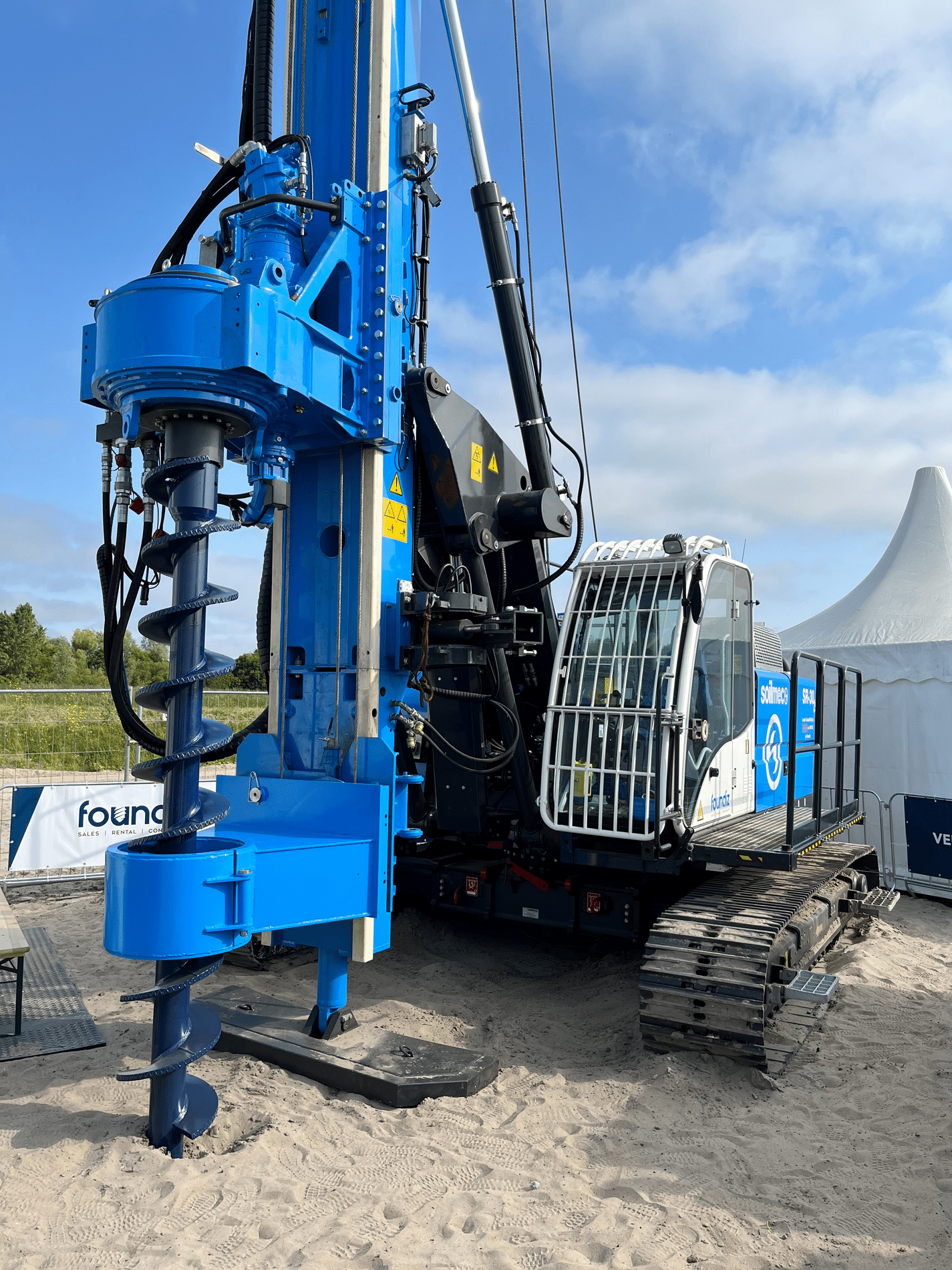
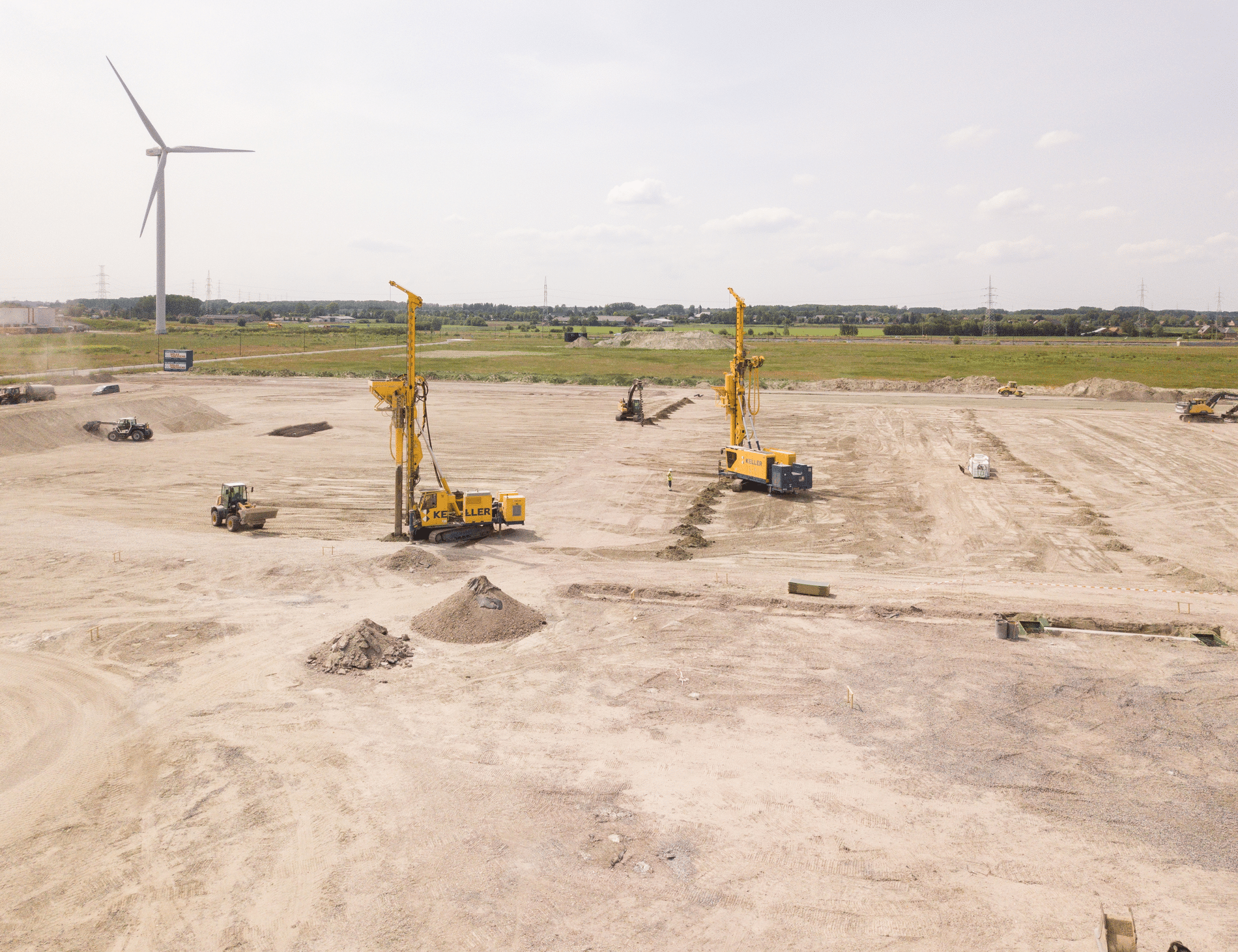
According to Mertens, the biggest challenge is not so much in designing foundations, but in daring to reconsider assumptions. “If the soil is not strong enough, piles are often automatically resorted to. Whereas soil improvement, for example with gravel columns, can be a full alternative.” Mertens explains that with this technique, the bearing capacity and stability of the soil is increased by applying columns of gravel or crushed stone in a set pattern. “We do this with a lock vibrator: fast, very quiet and with low vibration. This spreads the load better and limits settlements. A great way to make the soil suitable for what comes on top.”
A major reason for choosing this technique is sustainability. Soil improvement with gravel or limestone columns is done without cement and without steel. “That makes a huge difference in CO2 emissions,” says Mertens. “Compared to traditional pile systems, those emissions are 10 to 12 times lower.” Environmental gains are increasingly counting these days, especially in inner-city projects and government assignments. “Projects are judged on MKI scores and certifications such as BREAAM. Our solutions demonstrably contribute to lower environmental costs, which weighs more and more heavily in tenders.” In this regard, Keller works with HVO100 fuel as standard and deploys electric equipment whenever possible. Passenger transport and the delivery of equipment can also be zero-emission in many cases.
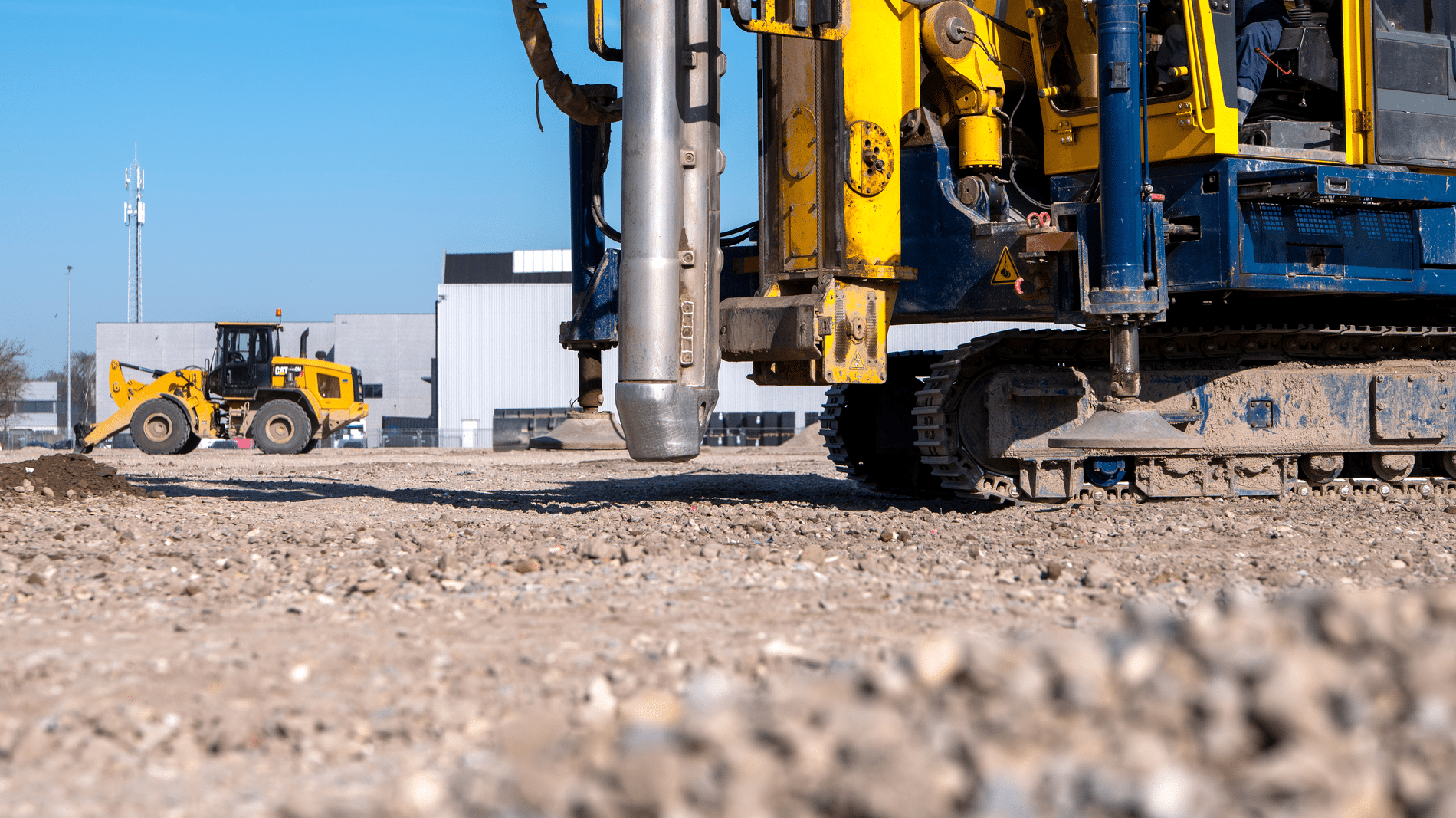
According to Mertens, Keller's strength is not in one specific method, but in making the right technique at the right time. “That means looking more consciously at the options already from the design team for each project. You can replace soil, improve it, or base it on piles. Replacing means a lot of transportation and environmental impact, piles are well known but not always necessary. Soil improvement is often more efficient, if properly substantiated.” That substantiation starts with analyzing CPTs and soil data. “Our specialists are happy to do the math. More often than people think, soil improvement turns out to be technically and economically feasible.”
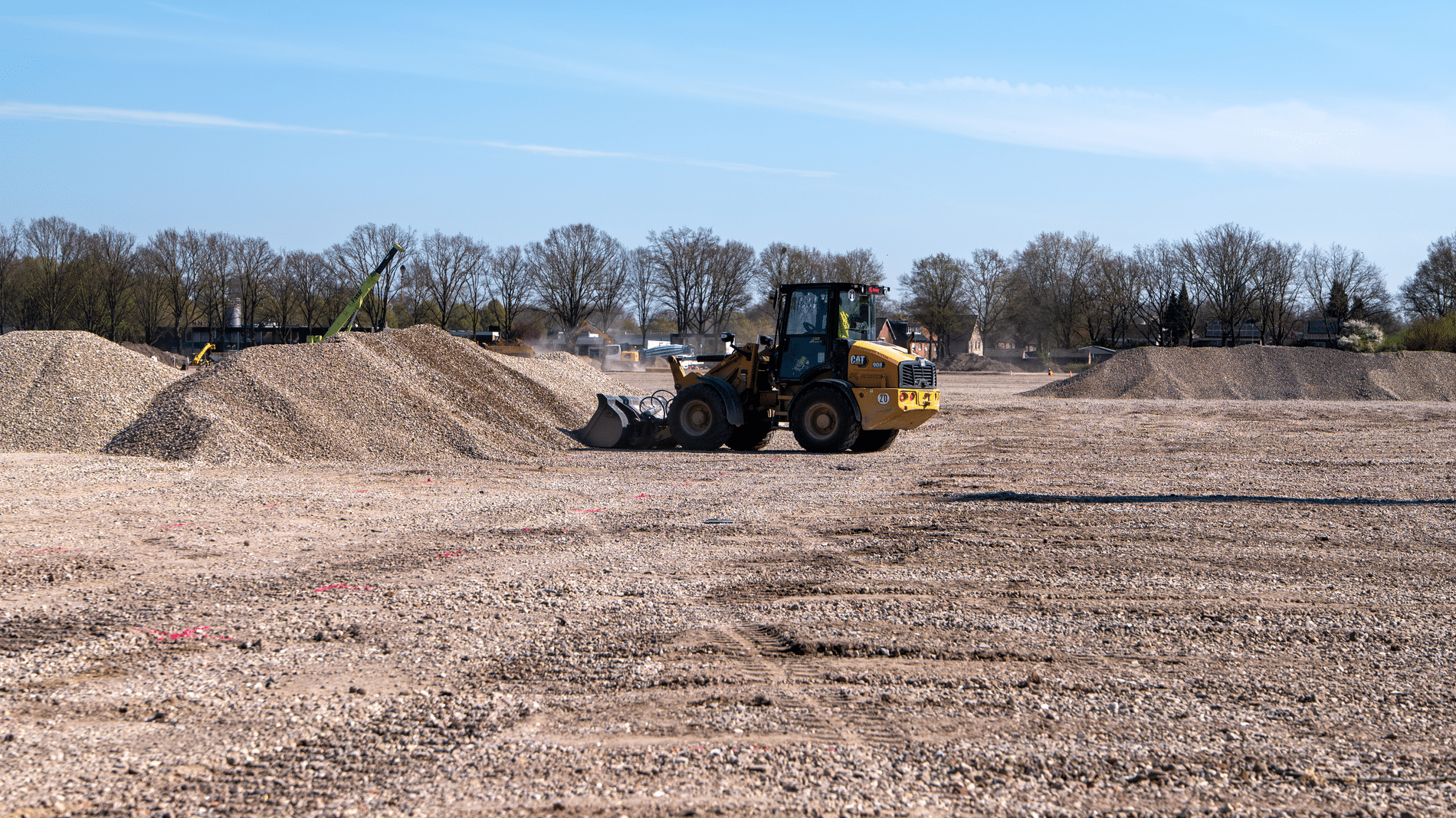
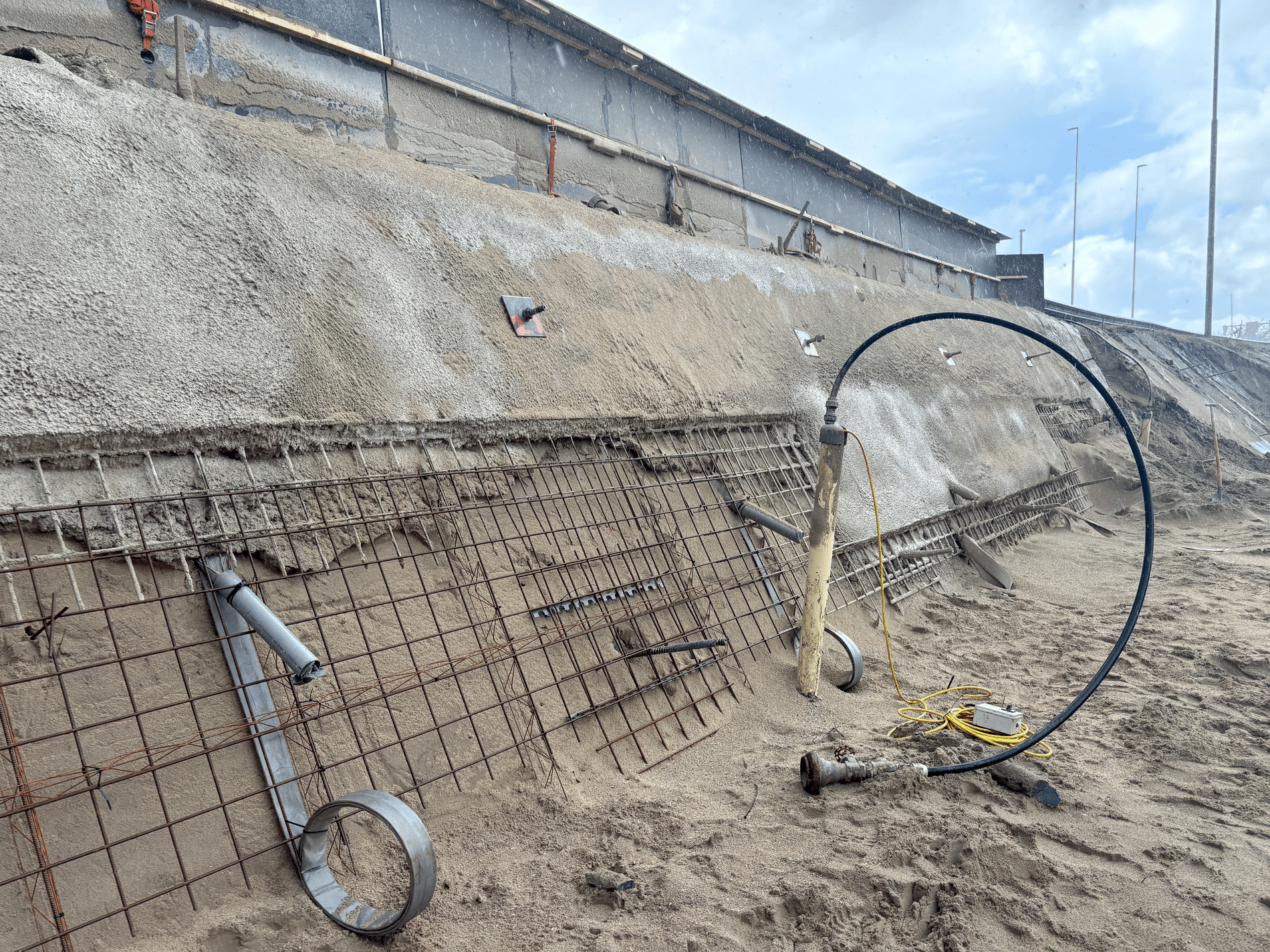
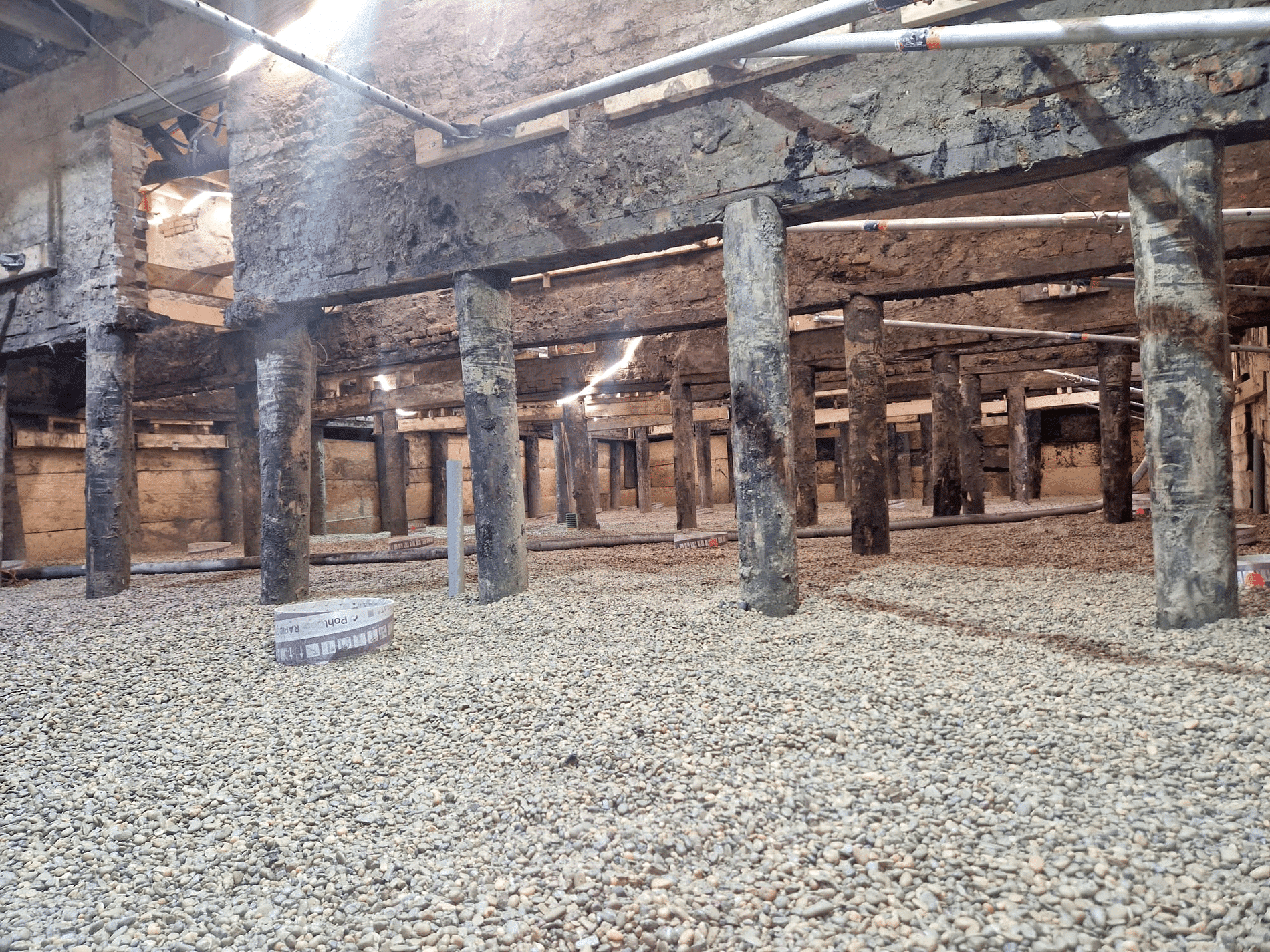
A well-known example is the foundation repair at the Binnenhof in The Hague, where Keller worked inner-city, low-vibration and emission-free. In addition, soil improvement is widely used in large-scale new construction. “At the XXL warehouse EVO Park Weert, we installed gravel columns. The site was immediately ready for the next phase of construction.” Two logistics halls with a combined surface area of 90,000 m2 were subsequently built on the improved subsoil.
Keller Funderingstechnieken is part of a global concern, but operates in the Netherlands with short lines of communication. “Global strength and local focus is Keller's slogan,” says Mertens. “We have access to knowledge and innovations from Germany and England, among others, while locally we can switch quickly.” For the future, he sees opportunities especially in earlier involvement. “If we are at the table with the design team earlier, we can show more often that things can be done differently. Not automatically thinking about piles, but first looking at what the soil itself can do.”
●
Neem dan rechtstreeks contact op met Keller Funderingstechnieken B.V..
 Contact opnemen
Keller is the world's largest geotechnical contractor. From the founding of the company in 1860 in Germany to the present day, progress in ground engineering has been closely linked to the history of the company. Creativity and innovation are also the basis for trendsetting engineering today. In the Netherlands, Keller Funderingstechnieken B.V. is celebrating [...] this year.
Bekijk Bedrijfsprofiel