Platform on civil engineering, underground infrastructure, energy, construction equipment & construction machinery
The Profound Power of Forensic Damage Investigation
When damage has significant structural and/or related financial or legal consequences, certainty is essential. Forensic damage investigation may offer a solution in such cases. It is the most comprehensive and in-depth form of damage analysis within the construction and engineering sectors. With nearly 40 years of experience, a unique team of multidisciplinary specialists, and a proven methodological approach, Nebest is the leading expert in forensic damage investigation. Damage consultant Maarten Swinkels and product manager Maikel van Dooren discuss the importance of forensic damage investigation and common misconceptions.
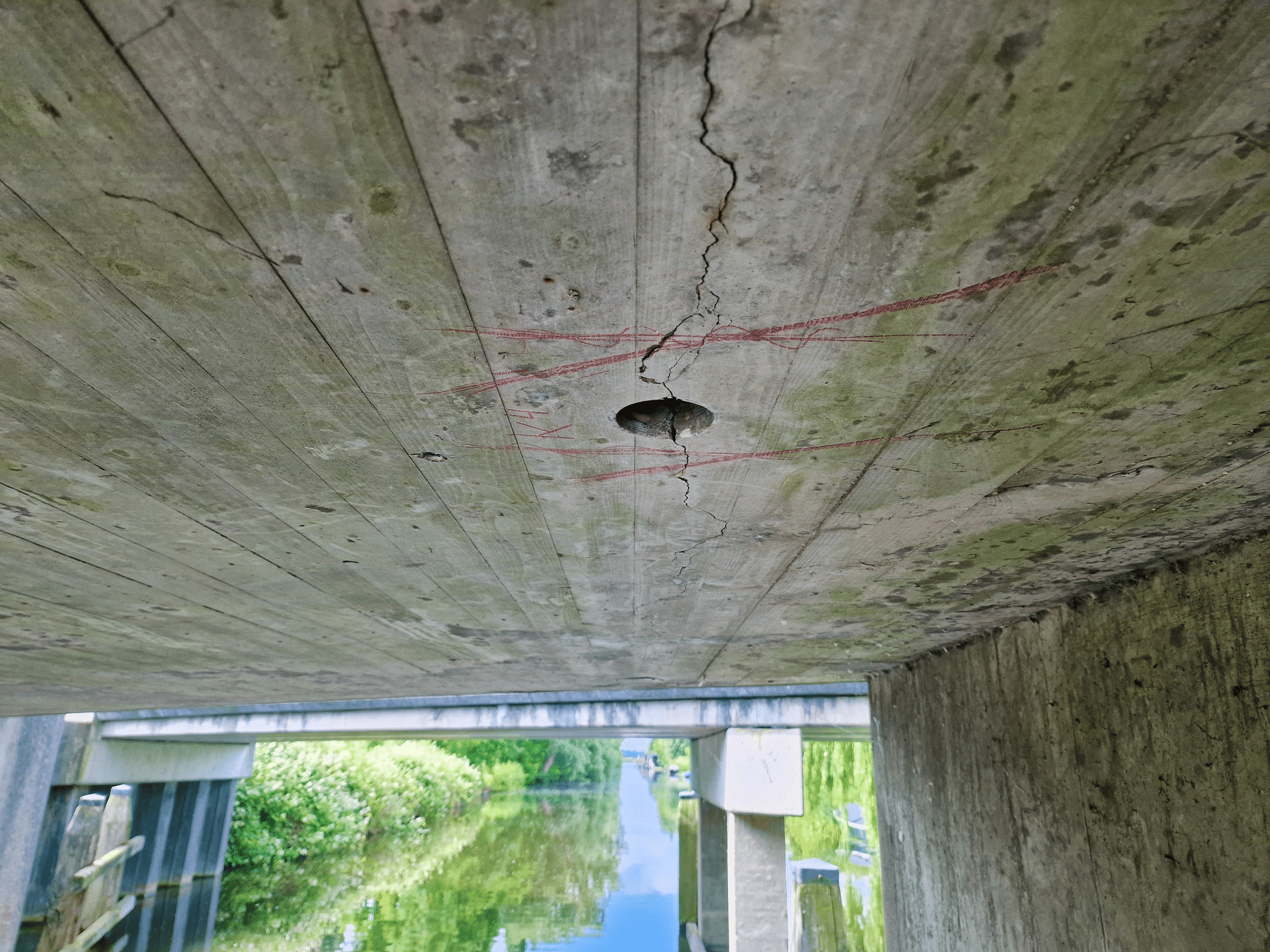
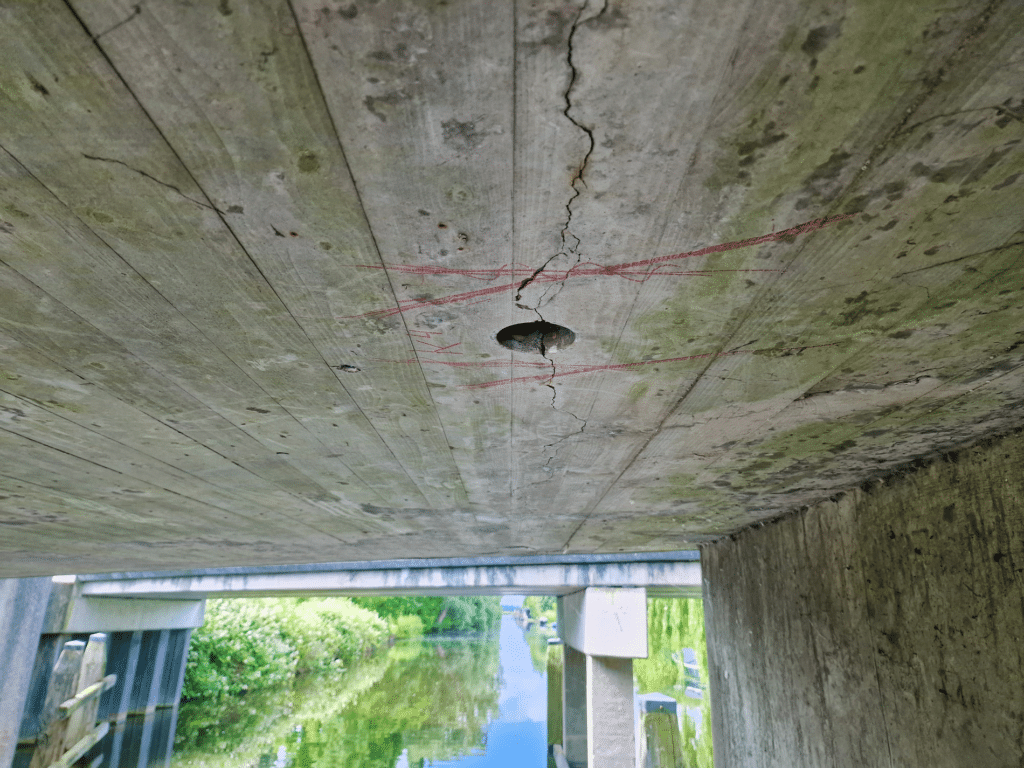
“In practice, the need for a forensic damage assessment often arises after an initial evaluation, such as a quick damage assessment or damage survey,” Swinkels begins. “If that assessment reveals that the issue is complex or could have major consequences, the investigation is scaled up. Sometimes that step is immediately apparent, for example in the case of serious incidents such as roof collapses, problems in parking garages, or facade elements coming loose. But even relatively minor defects, such as a crack in a storage tank at a refinery or in a balcony slab, can trigger such an investigation—precisely because the potential consequences are significant.”
What sets forensic damage assessment apart is its methodical and objective approach. “At Nebest, we work according to a thorough and strict protocol developed in-house. It is inspired by forensic investigation methods similar to those used by the police, in which a body of evidence is built up step by step,” explains Van Dooren. “That means formulating hypotheses, systematically testing them, carefully documenting the evidence, and actively attempting to disprove alternative explanations.” Bias is explicitly avoided. Even causes that seem unlikely at first glance are investigated in order to definitively rule them out.
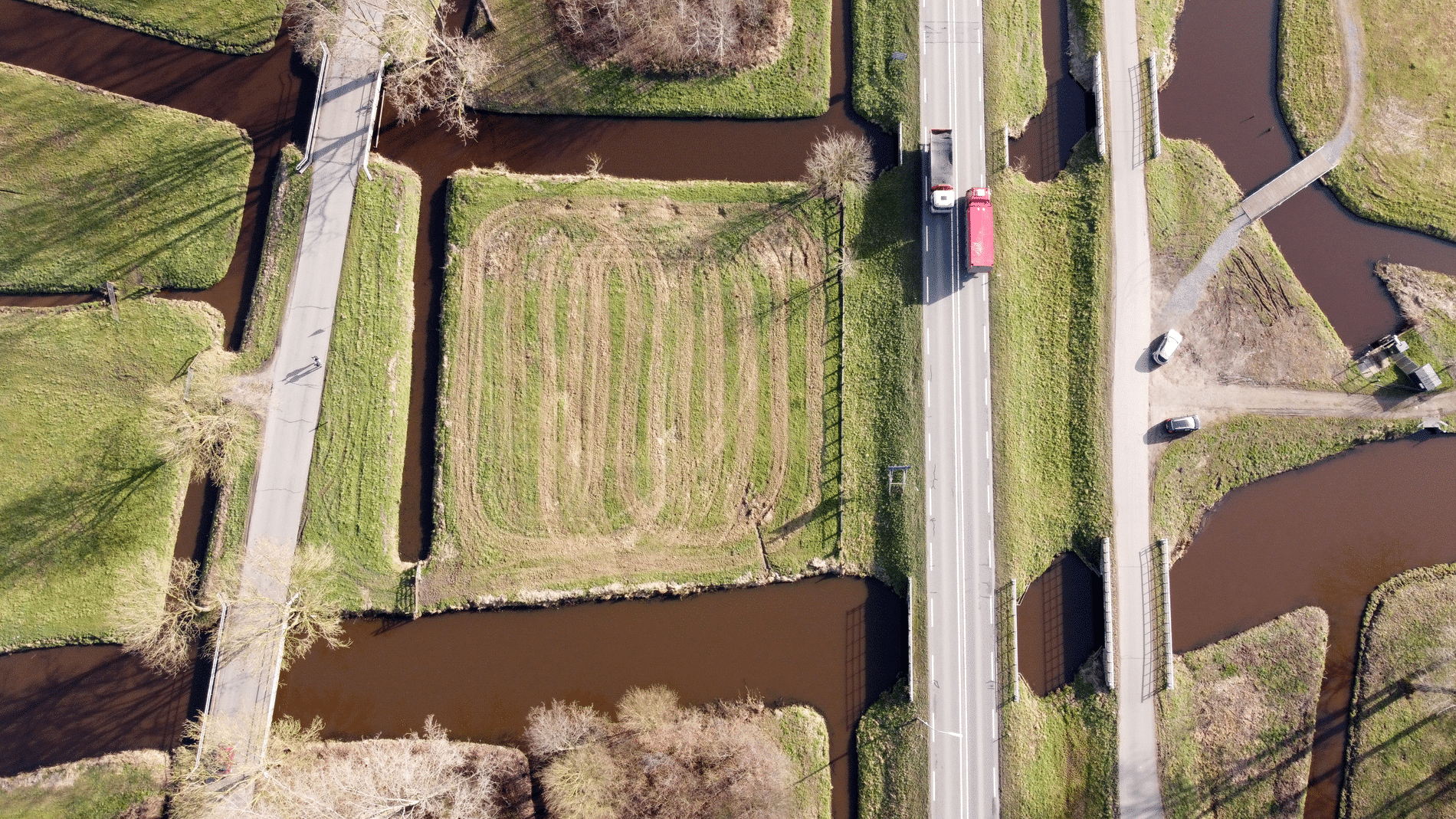
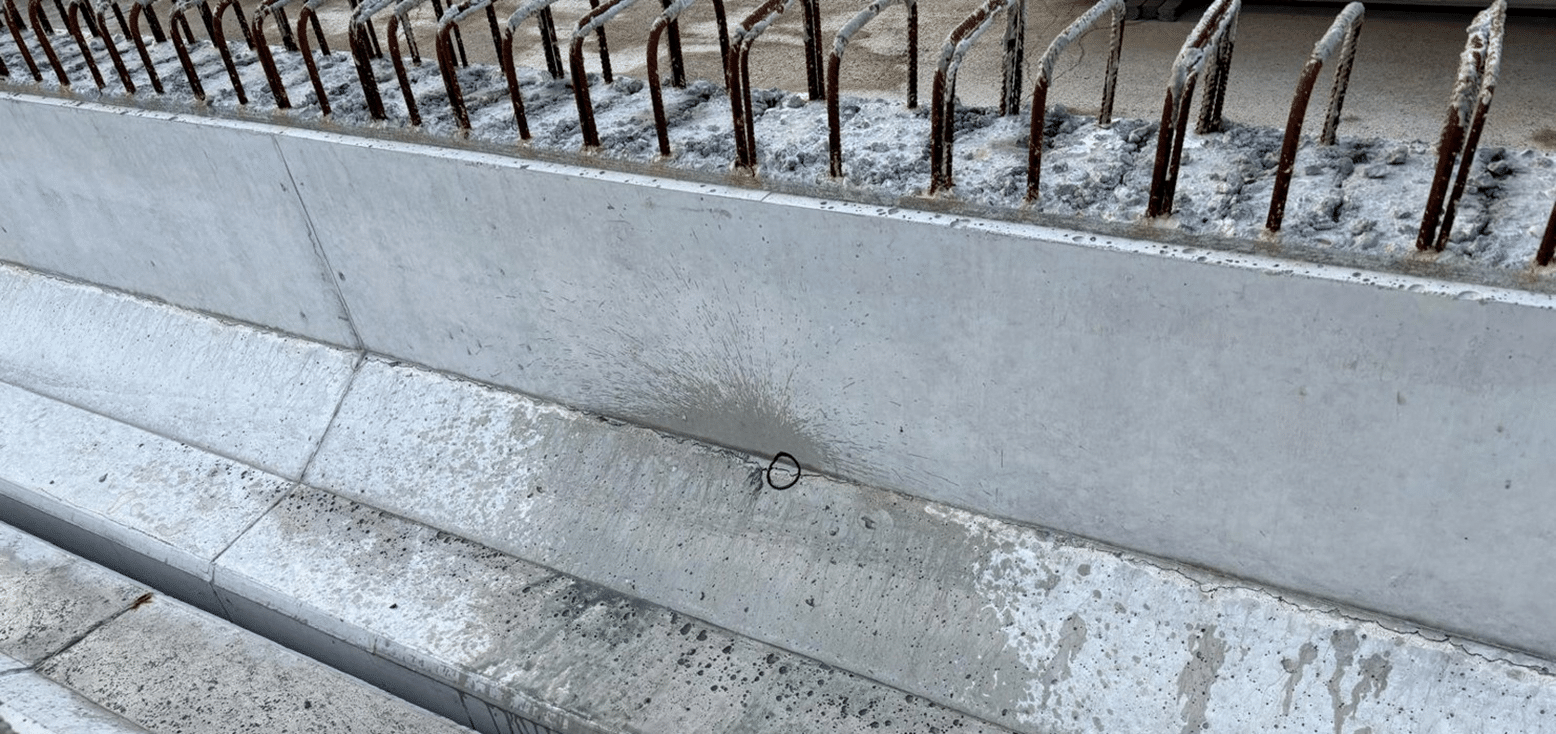
A key feature is that forensic damage investigations are never conducted by a single person. “It requires a multidisciplinary team of specialists, ranging from structural engineers and materials scientists to experts in concrete, metal, stone, coatings, biology, and microbiology,” says Swinkels. “Depending on the case, advanced techniques can also be employed, such as 3D scans, non-destructive testing, structural analyses, and inspections using drones—on land, underwater, and from the air. It is precisely this broad application of knowledge and resources that makes it possible to approach a problem from every angle.”
With decades of experience in forensic damage assessment—even though it wasn’t always explicitly referred to as ‘forensic’ in the past—Nebest has built a strong reputation. The firm is regularly engaged by other engineering firms and even by the courts, precisely because of its thoroughness and independence. “Our added value lies in the combination of in-depth expertise and a wide range of specializations under one roof, with the ability to scale up quickly when the situation calls for it. This ensures there is no miscommunication between different parties and allows us to work efficiently and consistently.‘
One misconception about forensic damage investigations is bias. “Sometimes people think they already know the cause before the investigation even begins. In reality, it’s essential to keep all possible causes open and to systematically examine them,” says Van Dooren. “A second misconception is that the investigation is aimed at identifying a culprit. That is explicitly not the case. The focus is purely on determining the technical cause; Nebest makes no statements regarding legal consequences. Third, it is sometimes assumed that a single expert is sufficient, whereas the strength actually lies in a multidisciplinary team whose members challenge each other’s views.”
Forensic damage assessment is therefore indispensable in situations where certainty is required. Whether it involves new structures, existing buildings, or projects that are decades old: when the stakes are high, this approach provides the certainty and evidence needed to make well-informed decisions.