Platform on civil engineering, underground infrastructure, energy, construction equipment & construction machinery
The Dutch road network is under pressure. Traffic jams caused by road closures, temporary repairs, and unexpected detours have become the rule rather than the exception. Road Surface Maintenance Techniques (WOT) is an initiative of the Specialist Road Construction Division of Koninklijke Bouwend Nederland and asphalt maintenance contractors. Together, they share the conviction that the Netherlands needs to pay more systematic attention to the timely and sustainable maintenance of the road network. And that is no luxury.
In recent years, maintenance has often been reactive, says Johannes de Vries, chairman of WOT. “Action is only taken once damage becomes visible and severe, such as cracks or potholes in the asphalt. The result? Major and costly measures, such as replacing entire surface layers, which require closing lanes and bridges. This type of corrective maintenance not only has a significant financial impact but also a massive social one, causing traffic jams, detours, and economic losses for road users.”
According to WOT, a change of course is needed. “Just like when painting a house, if you wait until the wood is completely damaged before taking action, it’s too late and will end up costing much more,” says De Vries. “By taking action earlier, when the damage is still minor and manageable, much larger problems can be prevented using relatively simple and efficient techniques. Preventive maintenance, in other words, rather than repairing after the fact. Through knowledge sessions and other activities, we’re trying to draw attention to this among clients, municipalities, provinces, and Rijkswaterstaat. The focus is on techniques that have been around for some time but are still underutilized. Think of surface treatments, emulsion asphalt concrete (EAB), sealing, and rejuvenating asphalt. The latter in particular—where aged bitumen is made flexible again—can significantly extend the lifespan of ZOAB.”

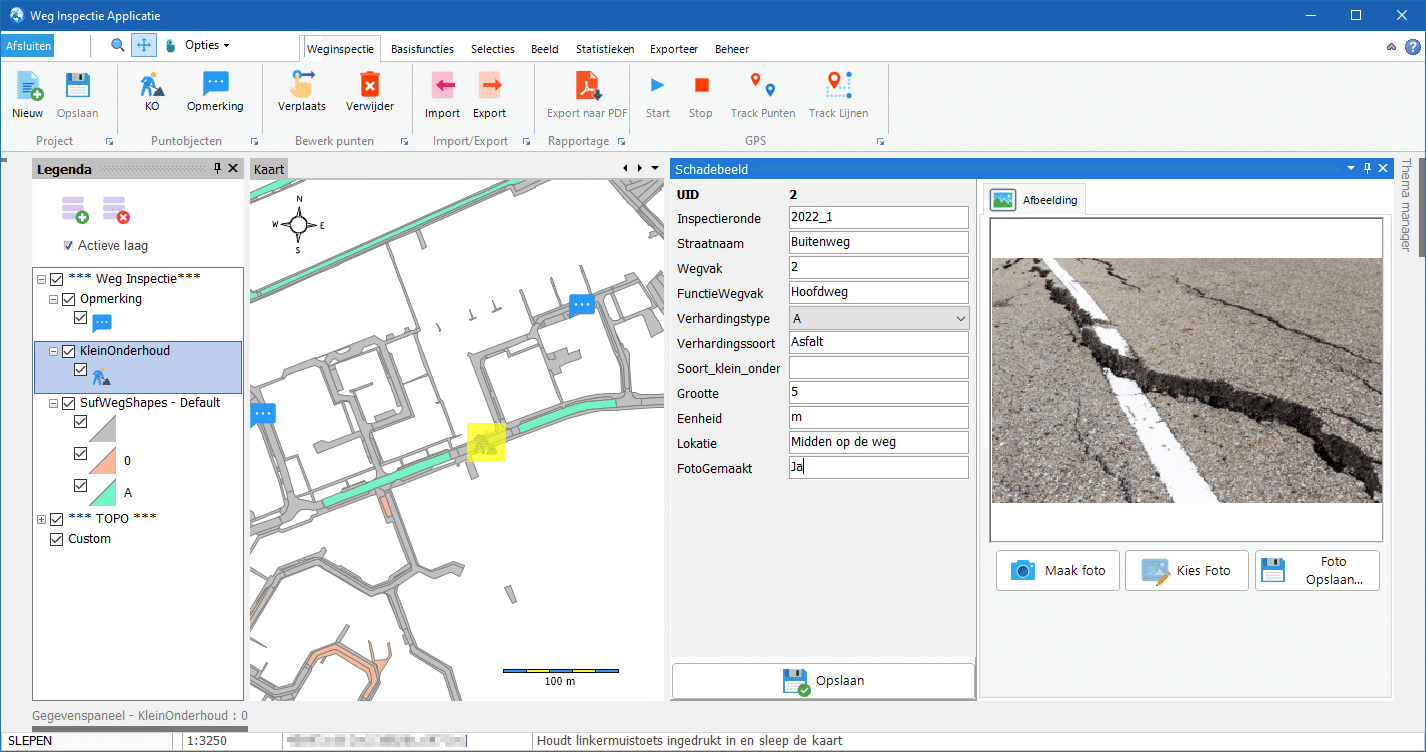
According to De Vries, a key development in the shift toward preventive maintenance is the use of new technologies. “Smart cameras and data analysis make it possible to detect incipient damage, such as slight fraying, at an early stage. Whereas traditional road inspections often only take action in cases of serious damage, this approach offers opportunities to intervene much earlier and in a more targeted manner. This shifts the focus from repair to prediction. Another significant benefit is that preventive techniques require considerably fewer raw materials than large-scale replacement of asphalt layers. This means lower CO2 emissions and, consequently, a better MKI. At a time when climate goals and scarcer primary raw materials are becoming increasingly important, this should not be underestimated.”
WOT is also making progress on the organizational front. “Under an accreditation scheme for surface treatments, member companies are assessed for quality,” explains De Vries. “For clients, this means greater certainty: projects carried out under this scheme, for example, receive an extended warranty period of five years. In the standard RAW provisions, this is two years. Incidentally, WOT contributed to the latest RAW 2025, in which the provisions for surface treatment have been reassessed and codified. This year, the EAB will review the standard provisions of RAW.”
The conclusion is clear, according to De Vries: “Major maintenance alone won’t be enough. Maintenance of the road network requires a fundamental shift toward preventive thinking and action. In this regard, WOT positions itself as a driver of knowledge and awareness to instill that changing mindset. The market is ready for it. Now it’s up to clients and policymakers to actually embrace that shift. If you don’t invest in preventive maintenance today, you’ll pay the price tomorrow.”