Platform on civil engineering, underground infrastructure, energy, construction equipment & construction machinery
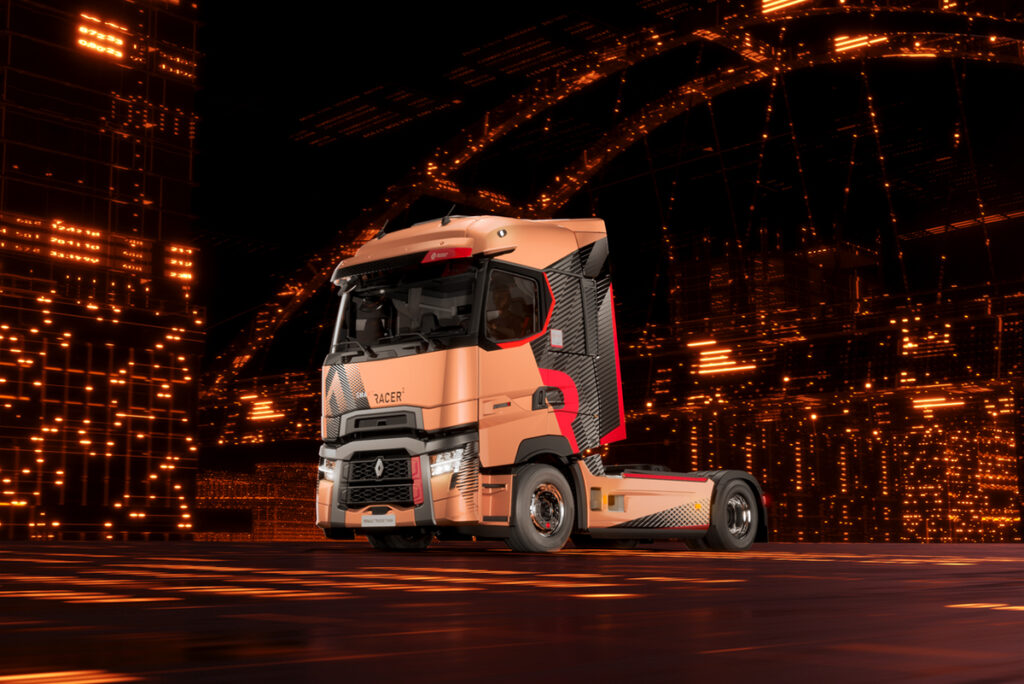
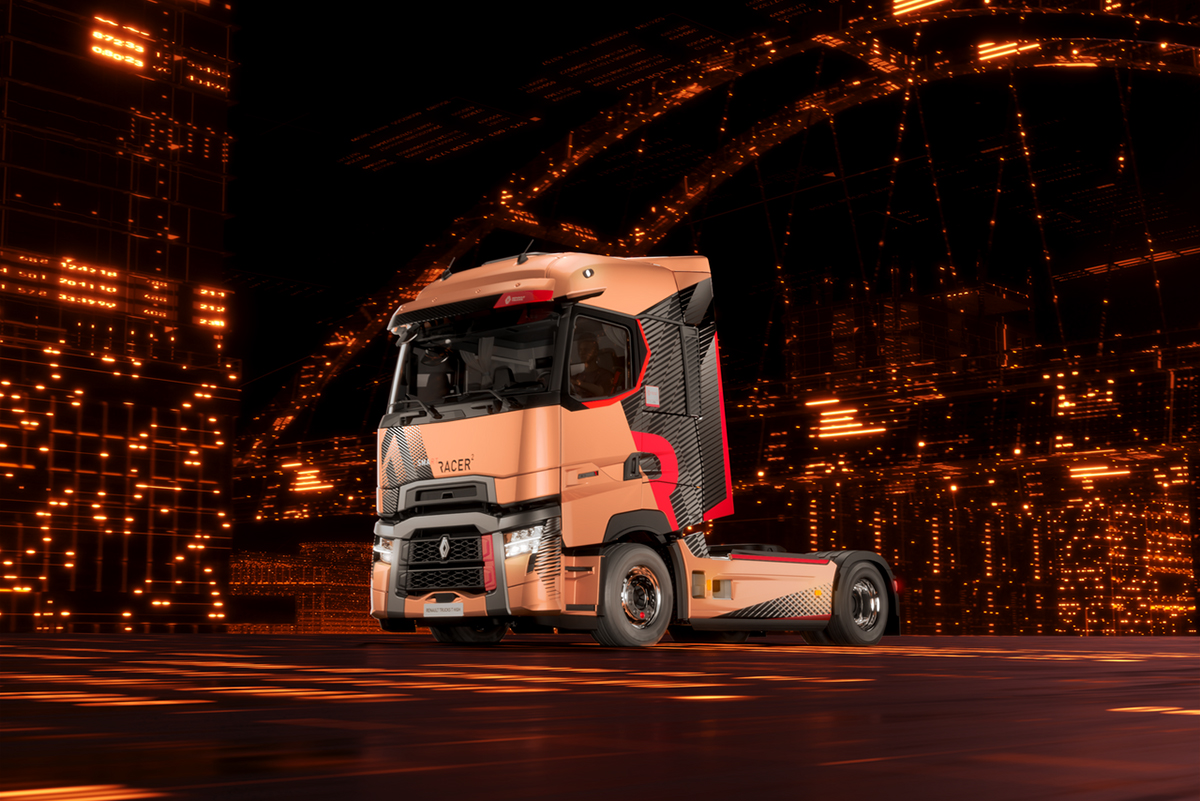
Renault Trucks introduces a new generation of powertrains for the T, T High, C and K series. Thanks to the new DE13 R engine, updated Optidriver transmissions and advanced predictive driving technologies, fuel consumption and CO₂-emissions by up to 4% compared to the previous generation. The new powertrain is also compatible with renewable fuels such as HVO and B100.
Haulers face the challenge of controlling rising operating costs while reducing their CO₂ emissions. With the introduction of the new powertrain, which brings together the new DE13 R engine, an updated generation of Optidriver transmissions and advanced predictive driving systems, Renault Trucks is targeting both objectives: increased energy efficiency and lower operating costs without sacrificing performance or driving comfort.
“Making road transport more sustainable requires a combination of solutions,” said Antoine Duclaux, President of Renault Trucks. “In addition to further rolling out our electric vehicles, we also continue to improve the efficiency of our internal combustion engine vehicles. In doing so, we are already helping customers reduce their fuel consumption, CO₂ emissions and total cost of ownership today. This new powertrain is a concrete example of this.”.
Central to the new powertrain is the DE13 R engine, available with power outputs of up to 540 hp and maximum torque of 2,800 Nm. New materials were used in development, including high-grade gray cast iron and compact graphite iron, with the aim of further increasing durability and reliability.
In addition, the engine includes several technical improvements that increase efficiency. The maximum cylinder pressure is now 250 bar, while a new fuel delivery system with external high-pressure pump ensures more precise injection and more efficient combustion.
The powertrain also includes several technologies that further reduce fuel consumption:
Additional aerodynamic optimizations improve drag, maximizing fuel economy.
Depending on deployment, the new generation of vehicles can achieve fuel and CO₂ reductions of up to 4% compared to the previous generation.
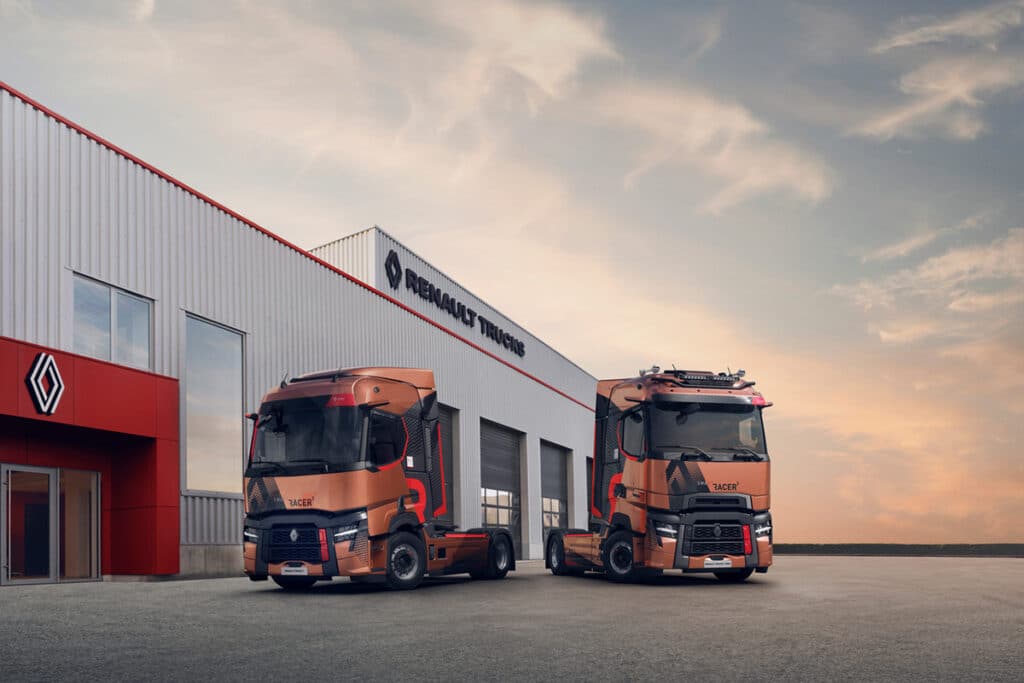
For maximum efficiency and productivity, Renault Trucks also offers the Smart Racer version, which combines all the energy-saving features: improved aerodynamics, Optivision+, low rolling resistance tires and advanced predictive driveline control.
The DE13 R engine also meets the NNR3 noise reduction standard, resulting in lower noise levels for driver and environment.
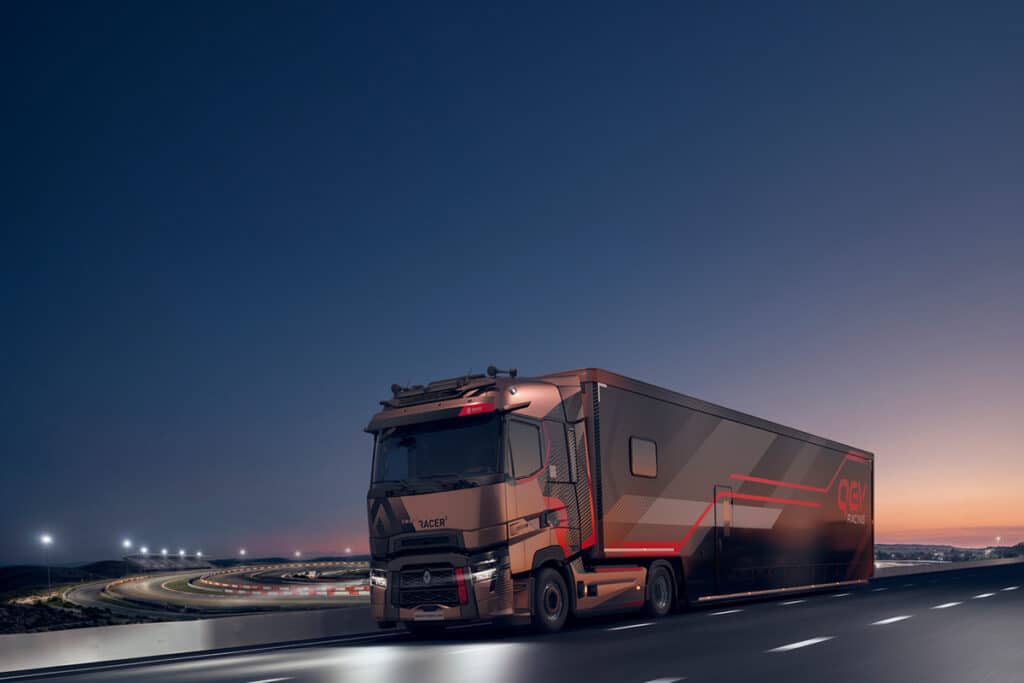
In addition to efficiency, driver comfort was also central to the development of the new generation of vehicles. The combination of the DE13 R engine, which for a 540 hp engine offers one of the highest torque levels in the segment, and the updated transmission provides a quieter and smoother driving experience.
In addition, the vehicles are equipped with technologies that further enhance daily driving, such as Smart Steering. This system increases driving stability and supports the driver with various Driver Assist functions, including automatic lane keeping and following distance adjustment.
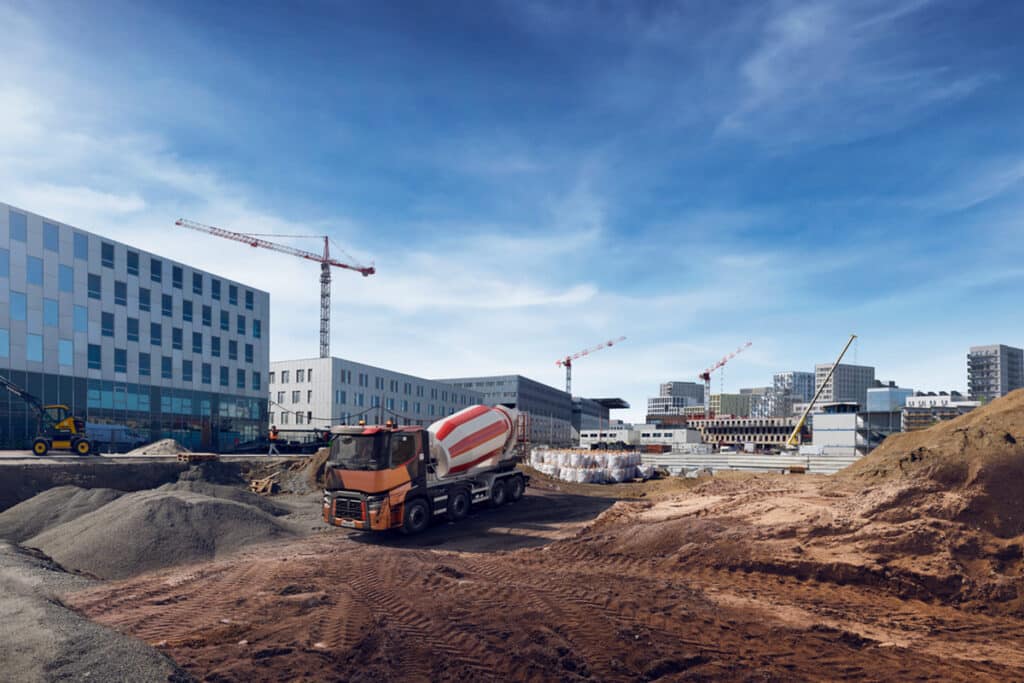
With this model year update for 2027, Renault Trucks is taking the next step in further optimizing its long-haul and construction vehicles. The focus is on a combination of lower operating costs, a smaller carbon footprint and greater driver comfort.