Platform on civil engineering, underground infrastructure, energy, construction equipment & construction machinery
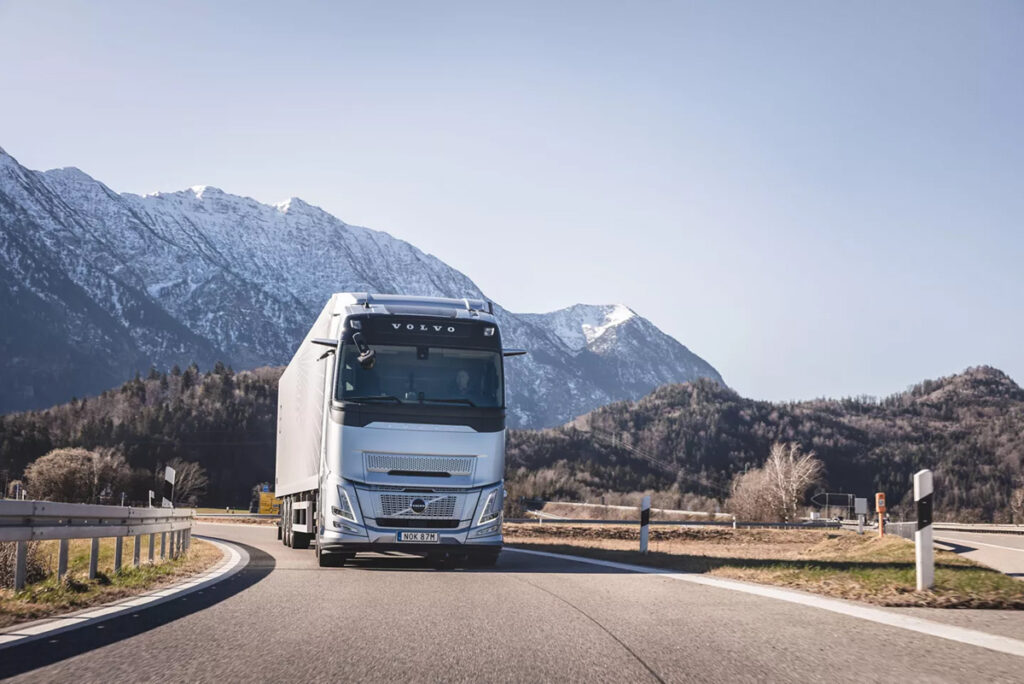
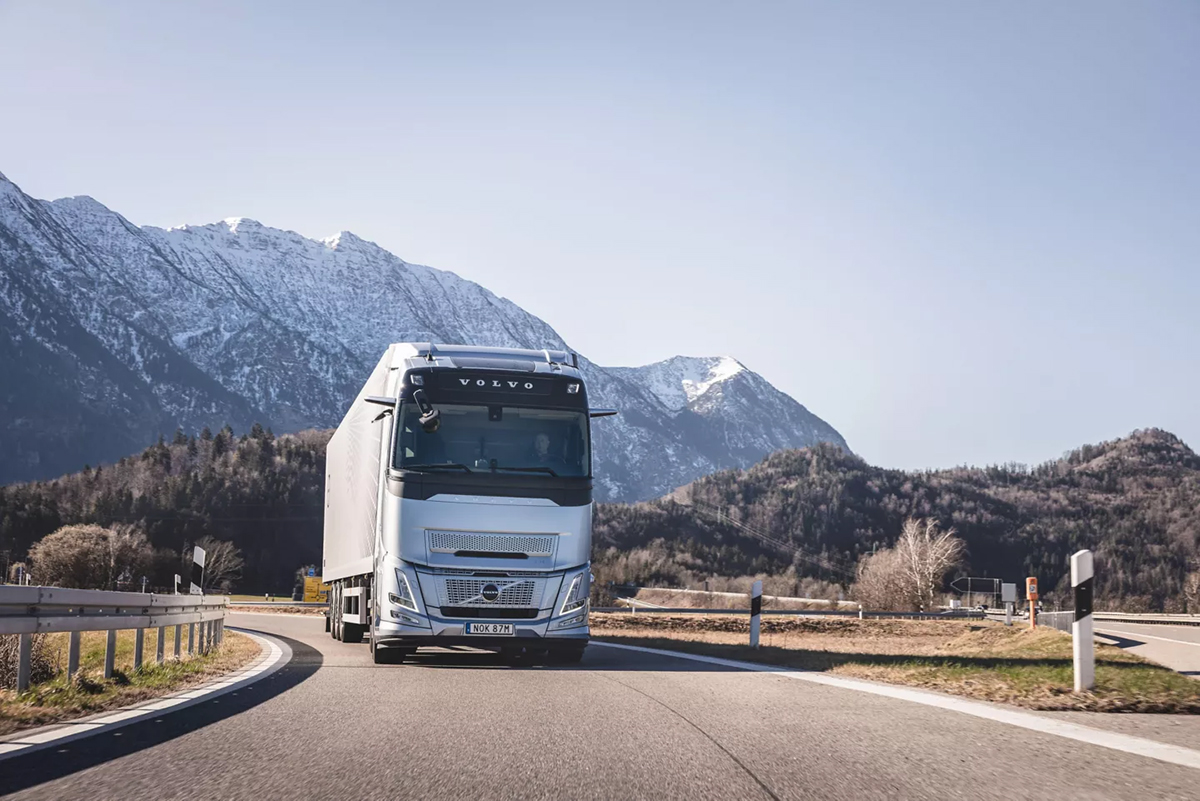
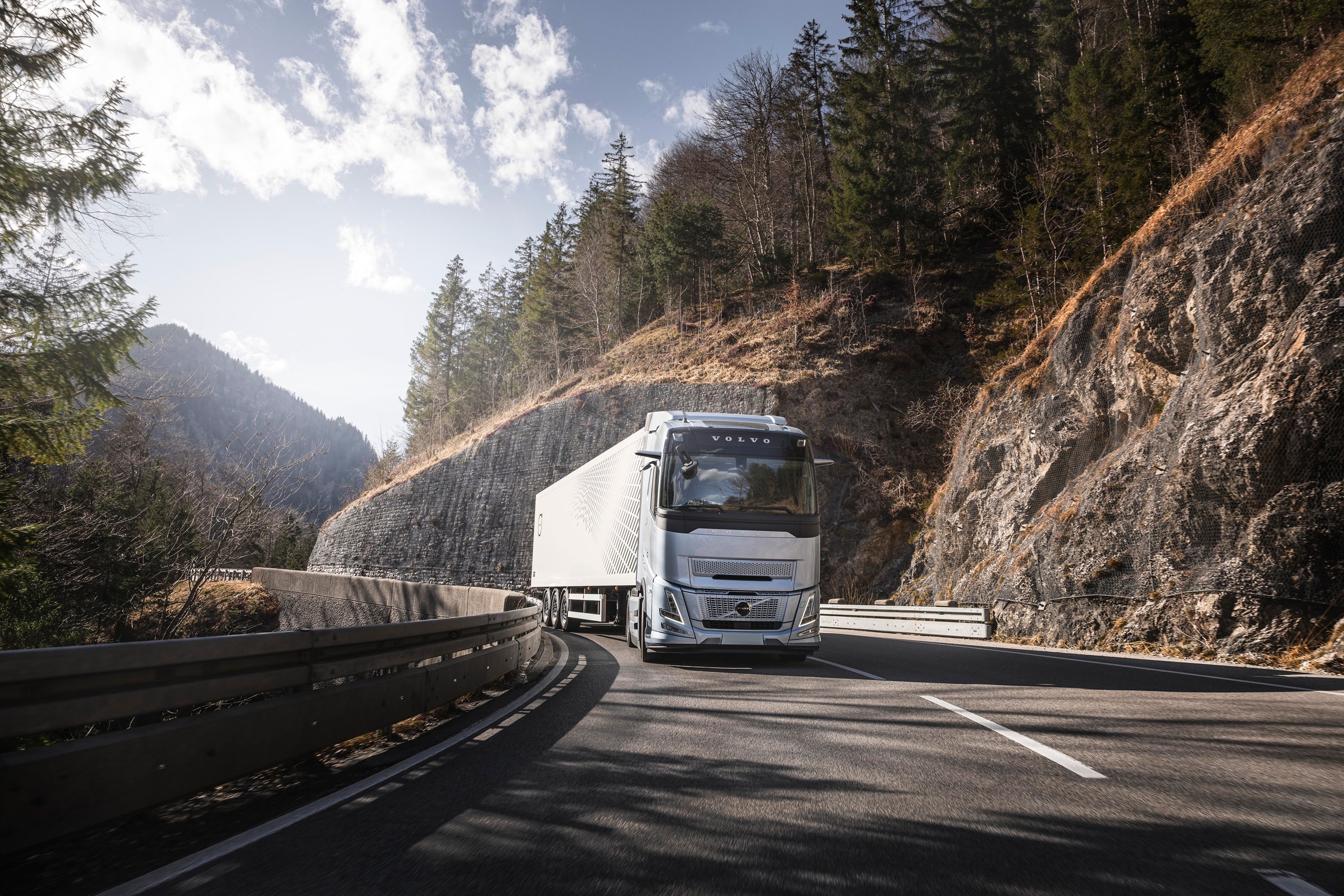
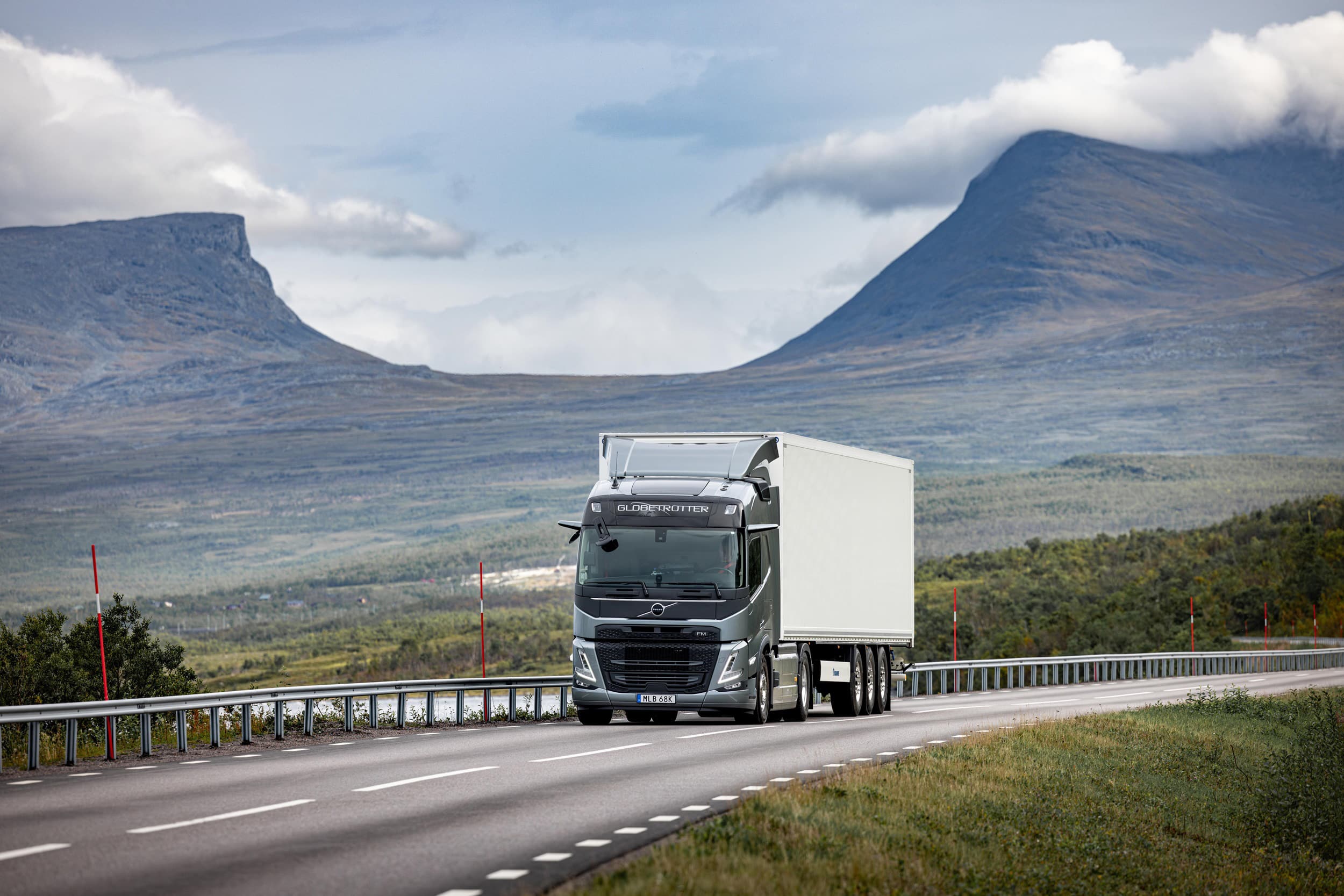
Volvo Trucks introduces all-new 13-liter engines suitable for diesel, HVO, (bio-) LNG and future hydrogen applications. They are Volvo's most fuel-efficient truck engines ever. The new engine platform was developed entirely in-house.
In addition to electric powertrains, the internal combustion engine continues to play an important role in Volvo Trucks' powertrain strategy. The new engines combine more power with lower fuel consumption, lower emissions, lower noise levels and improved driving comfort.
Combined with Volvo Trucks' latest fuel-saving innovations, the new engine can consume up to 4%* less fuel than the engine it replaces. These technologies are now becoming available to a wider range of customers.
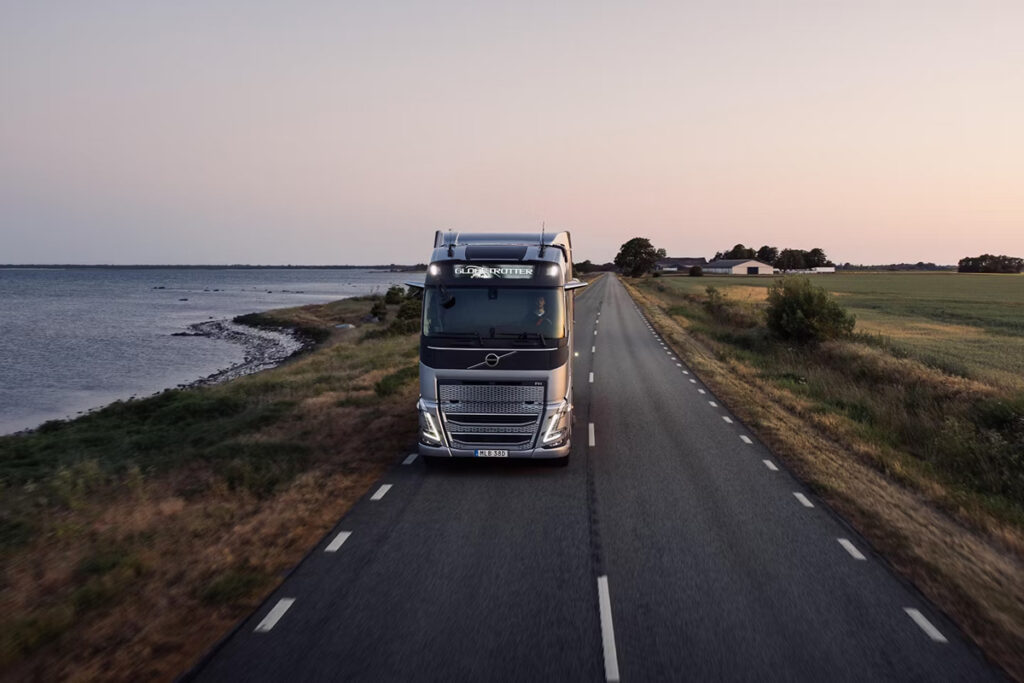
The new engines are suitable for many different applications and operating conditions. In addition, they meet, and even exceed, the requirements of new legislation on emissions and noise levels.
“These all-new internal combustion engines are not only our most fuel-efficient powertrains ever; they are also future-ready,” says Jan Hjelmgren, Head of Product Management at Volvo Trucks. “Thanks to their flexibility and suitability for all existing diesel types and (bio-)LNG, as well as for future hydrogen applications, we can offer efficient trucks worldwide with the possibility of net zero emissions.”
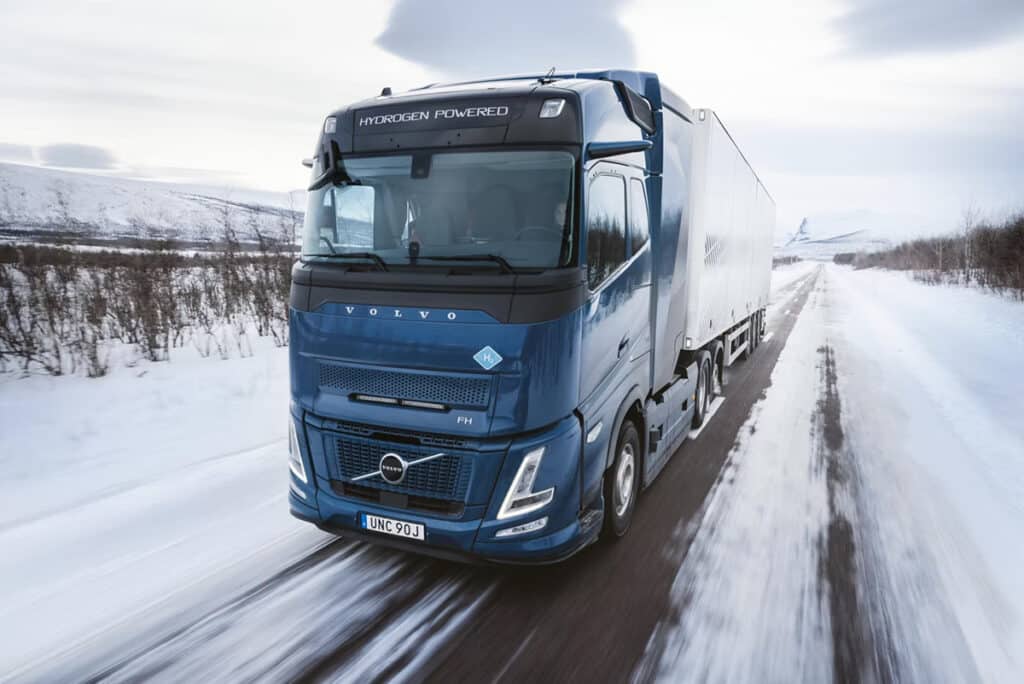
With a continued focus on improving fuel efficiency, Volvo Trucks has developed one of the most efficient generations of truck engines on the market.
The Volvo FH Aero series introduced in early 2024 consumes up to 5%* less fuel than the previous model. On top of this, the all-new engines developed in-house provide additional fuel savings of up to 4%* within a wide range of applications and segments.
The platform features a refined engine braking function for greater driving comfort, new cylinder and turbo designs, and an updated version of the popular Volvo I-Shift gearbox. Both the diesel and gas variants also deliver significantly higher torque.
In addition, many variants of the diesel engine are compatible with Volvo Trucks I-Roll with stop-start engine technology. This allows even more customers to save fuel and emissions by switching off the engine and descending on a rolling basis.
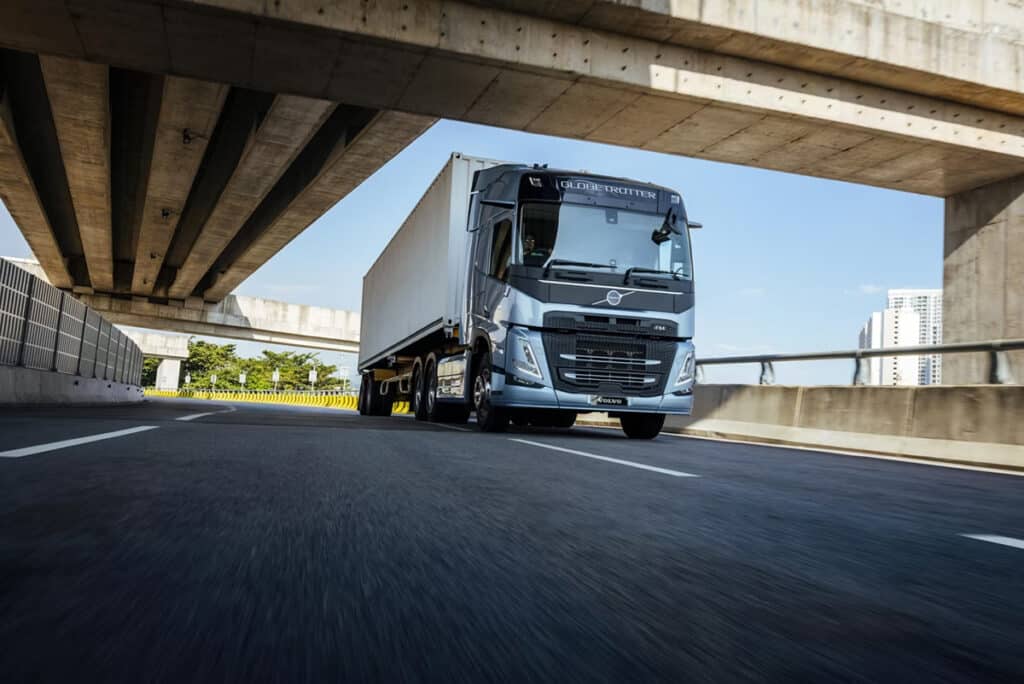
Volvo Trucks is aiming for net zero emissions by 2040 through a three-pillar strategy. This strategy is based on battery-electric drives, fuel cell-electric drives and internal combustion engines running on renewable fuels, such as green hydrogen, biogas (bio-LNG), biodiesel and HVO (Hydrotreated Vegetable Oil).
Facts about Volvo Trucks' new internal combustion engines
* Example based on simulations of a Volvo FH 4×2T 500 hp with a total weight of 35 tons, equipped with the new D13 engine and using Cruise Control, I-See and I-Roll with stop-start engine technology, compared to the previous standard D13 eSCR engine, under representative European driving conditions. Actual fuel consumption may vary depending on driving speed, use of cruise control, vehicle specification, loading, topography, driver driving experience, vehicle maintenance condition and weather conditions, among other factors.