Platform on civil engineering, underground infrastructure, energy, construction equipment & construction machinery
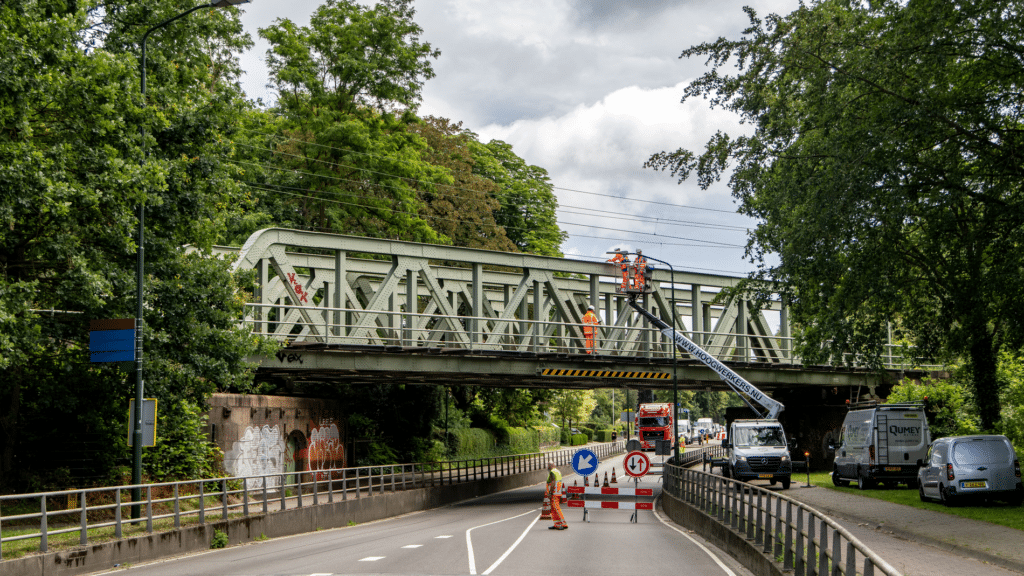
Every day, thousands of trains travel over railway bridges, viaducts, and other engineering structures, some of which are decades old. Many of these structures were originally designed to last a hundred years, but are now facing more intensive use and stricter standards. To support ProRail’s long-term management and maintenance planning, Iv helps identify the next steps as these structures approach the end of their design life. Using smart inspections and advanced recalculations, Iv assesses the remaining service life of existing railway bridges. This is important to ensure that daily rail operations remain stable, safe, and predictable.
The Dutch rail network consists of much more than just tracks. Thousands of engineering structures are scattered throughout the country: railroad bridges, viaducts, station structures, and other structures that carry or support the tracks. Many of these were built decades or even more than a century ago and are nearing the end of their theoretical service life. They were designed according to the standards and understanding of their time, while usage and regulations have changed over the years. And, of course, they are also subject to wear and tear.
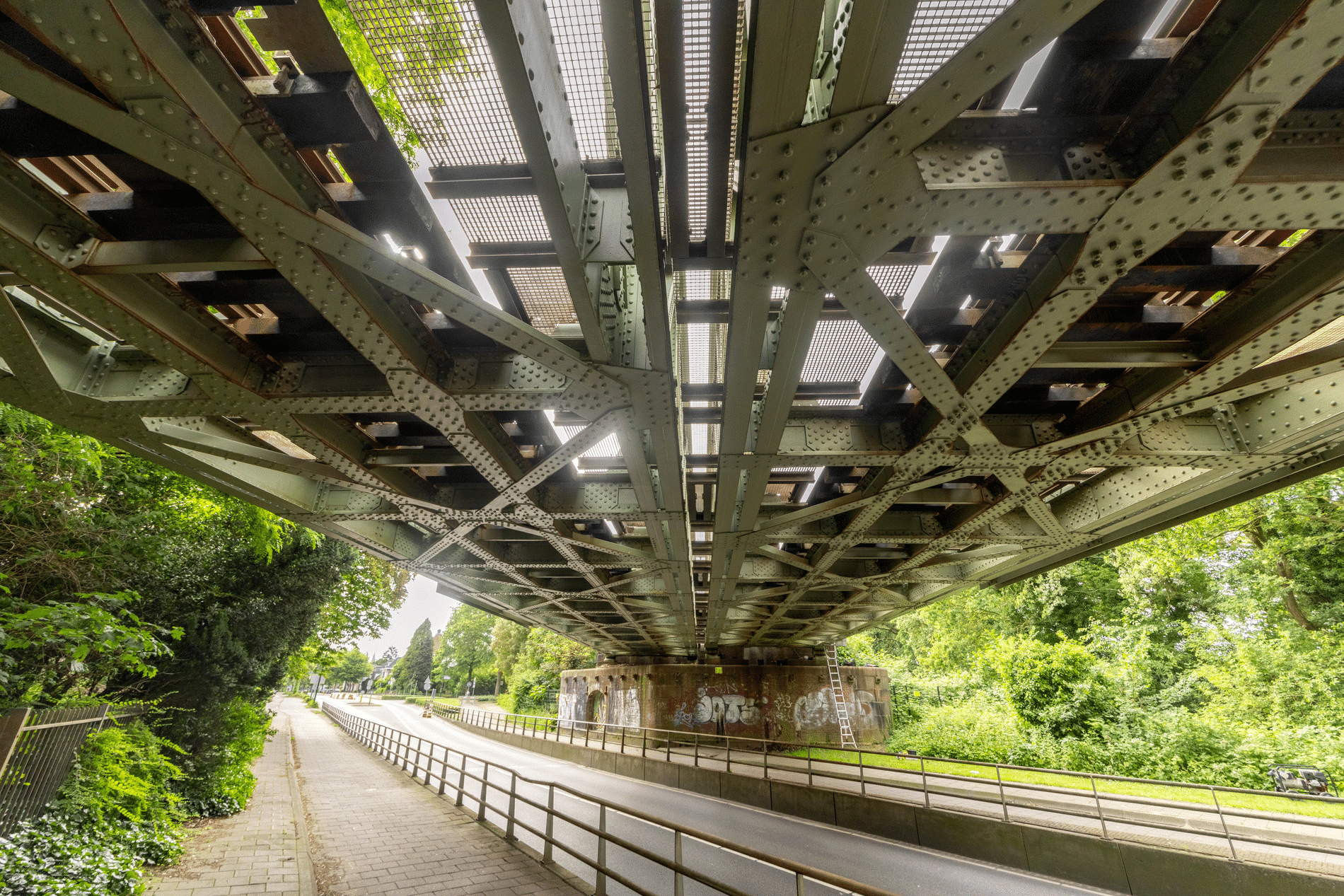
ProRail manages a vast number of engineering structures. “To work on them, a company must be certified,” explains Joey Kortlever, head of the Rail Sector at Iv. “Iv is accredited for the categories of track construction and railwork, rail-bearing structures such as bridges, and non-rail-bearing structures such as viaducts and stations. Under the current contract, we are focusing on the reassessment of four steel railway bridges.”
The four bridges were originally designed with a theoretical service life of about a hundred years. “But ultimately, you want to know how much longer they’ll actually remain safe,” says Joey. “Can we extend their service life? And if so, what measures are needed to do that?”
”In that case, you need to consider not only the current structural safety, but also the remaining technical service life, fatigue strength, and possible short- and long-term measures. Through extensive studies and recalculations, it is possible to assess these factors.”
A reassessment of a railroad bridge doesn’t start right away in the field. First, the engineers dive into the archives. Old drawings, calculations, and inspection reports are gathered and analyzed. “Behind every assessment lies a comprehensive system of standards, guidelines, and control mechanisms,” says Joey. “ProRail has a vast library of guidelines, design specifications, and product specifications. This makes it possible to conduct these types of assessments very carefully and safely, at least in theory.”
The data analysis is followed by a risk assessment. “What do we already know about the bridge? What types of damage have been observed before? Which components require extra attention? Joey: “Based on that, we draw up a targeted inspection plan.” This is done by Iv’s specialized structural engineers. “Their experience helps us conduct smart and targeted inspections. Often, we really don’t need to re-examine the entire bridge. Our specialists know where the critical details are—for example, the spots where fatigue can occur.”
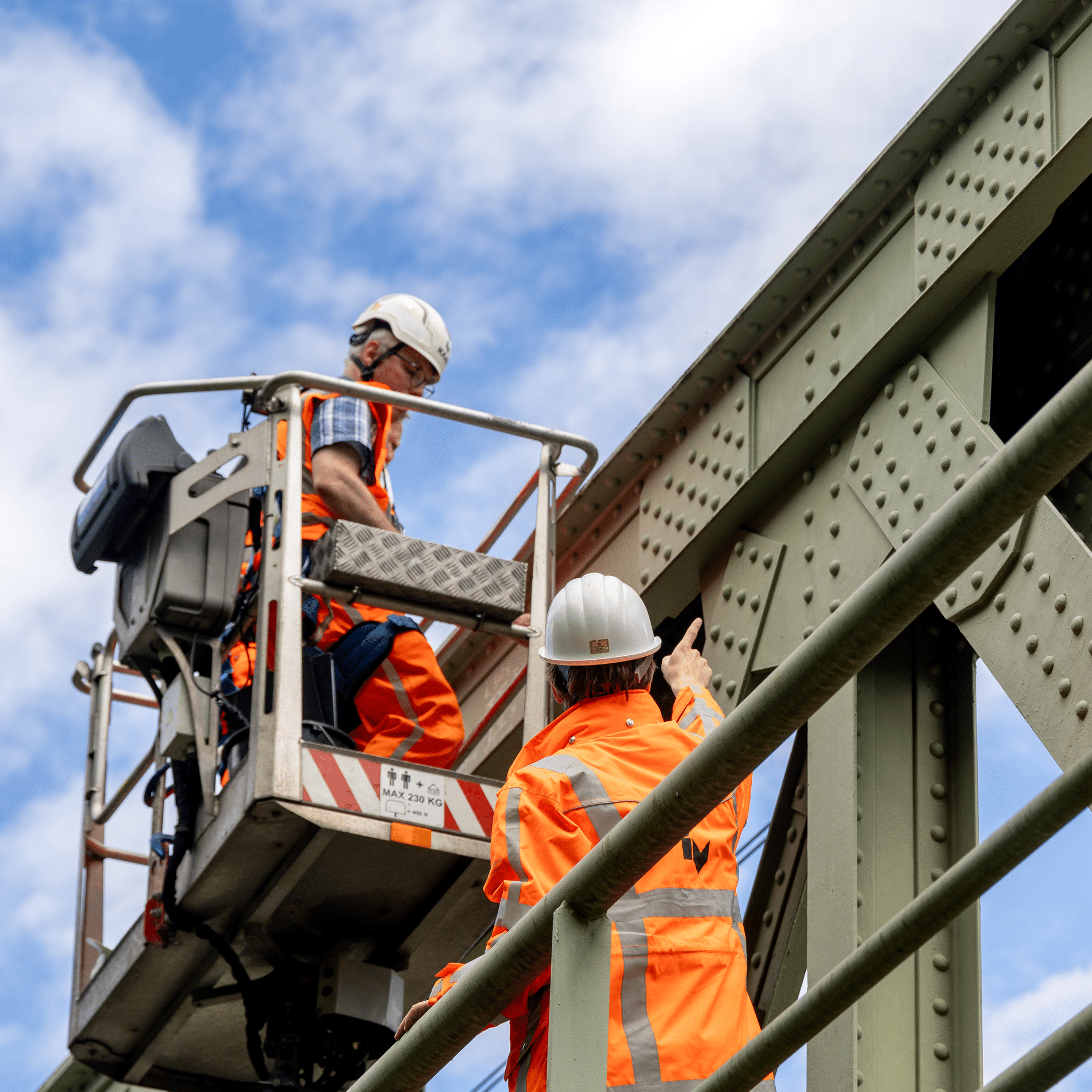
Sometimes calculations call for additional testing. “For example, on one bridge, we’re currently taking a steel sample from the structure,” Joey explains. “We’re having it analyzed in a laboratory so we can determine exactly what the material’s current quality is.” Monitoring with sensors can also be part of the investigation. This allows us to measure movements, stresses, or forces in the bridge while it’s in use. “This is how we make the transition from theory to practice. We verify whether the actual load matches what we expect based on the models. We also call this ”testing the theory against reality.’” All inspection data ultimately forms the basis for comprehensive structural calculations. To this end, Iv builds digital models of the bridges, which structural engineers can use to determine the current strength and load-bearing capacity of the rail bridges.
“We’ve now completed the calculations for the first bridge,” says Joey. “We’ll be discussing the results with ProRail soon. If any critical issues come to light, we’ll work together to determine what measures are needed.” These measures can range from additional calculations to monitoring or reinforcement work. But according to Joey, older bridges often turn out to be surprisingly robust in practice. Fatigue, however, plays an important role. Joey compares this to a paperclip. “A paperclip is strong. But if you keep bending it in the same spot, it will eventually snap. That’s how it works with a railroad bridge, too. It’s not a single train that causes problems, but the constant load over a very long period of time.”
Replacing railway bridges has a major impact—on passengers, the surrounding area, and sustainability. That’s why ProRail is working with Iv to explore ways to keep existing structures safe and operational for longer. “If we can use smart analyses, monitoring, and targeted measures to prevent unnecessary replacements, that’s a win for everyone,” says Joey. “Rail is already a sustainable form of transportation. By maintaining existing structures for longer, we as an engineering firm can make an additional contribution to that goal.”
At the same time, safety always comes first. “As soon as we come across anything during calculations or inspections that could pose a risk, we immediately contact ProRail,” says Joey. “In the worst-case scenario, that could mean trains have to slow down or temporarily stop using a bridge. But fortunately, that’s absolutely not an issue here.”
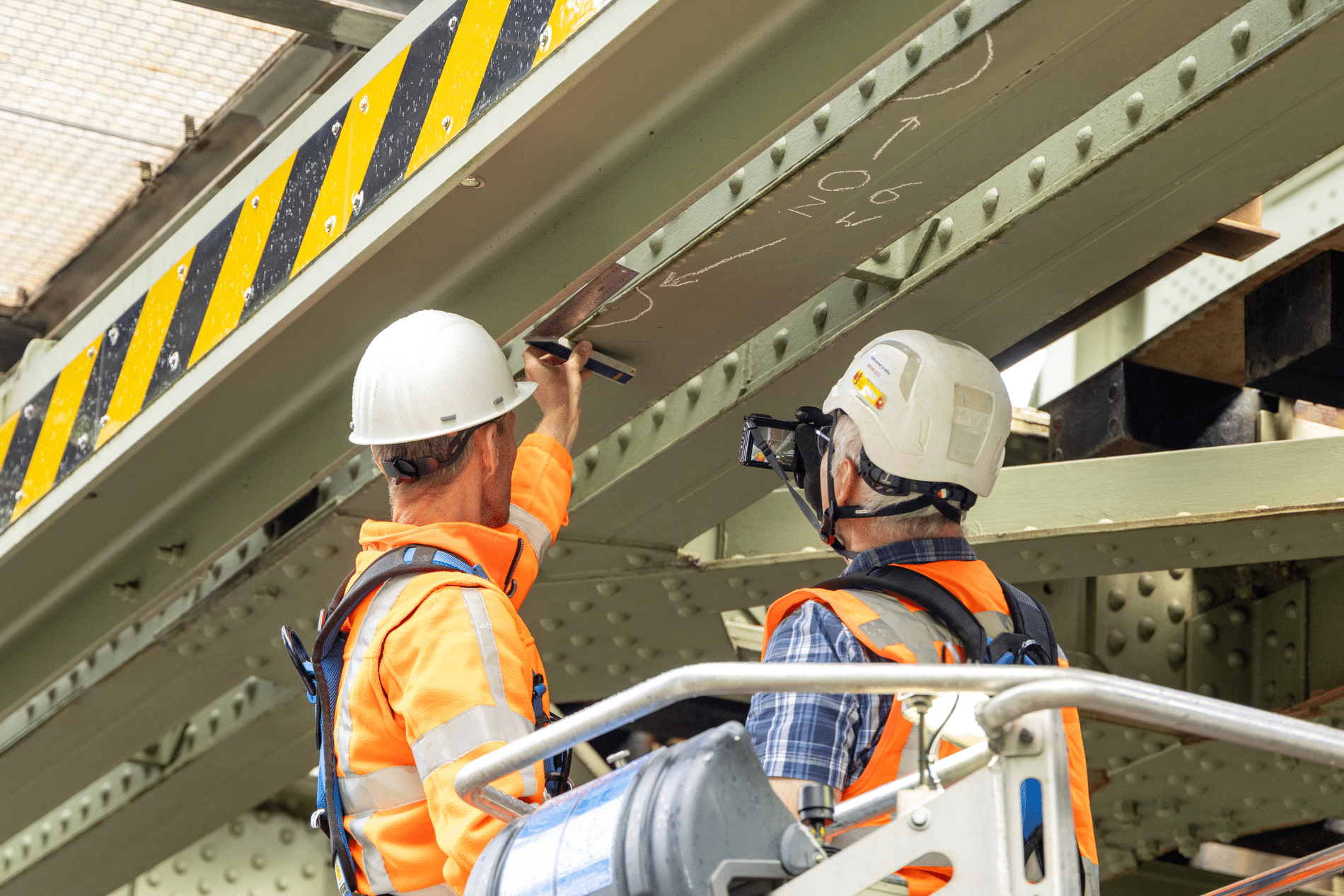
The reassessments of the four bridges are still in full swing. The desk studies and risk analyses have now been completed, and Iv is working on inspections, additional investigations, and in-depth calculations. All bridges must be reassessed within a year. In this way, Iv is helping ProRail, step by step, to gain a better grasp of one of the biggest challenges in the maintenance of engineering structures: preserving existing infrastructure safely, intelligently, and sustainably.