Platform on civil engineering, underground infrastructure, energy, construction equipment & construction machinery
From a few hundred to more than a thousand risks
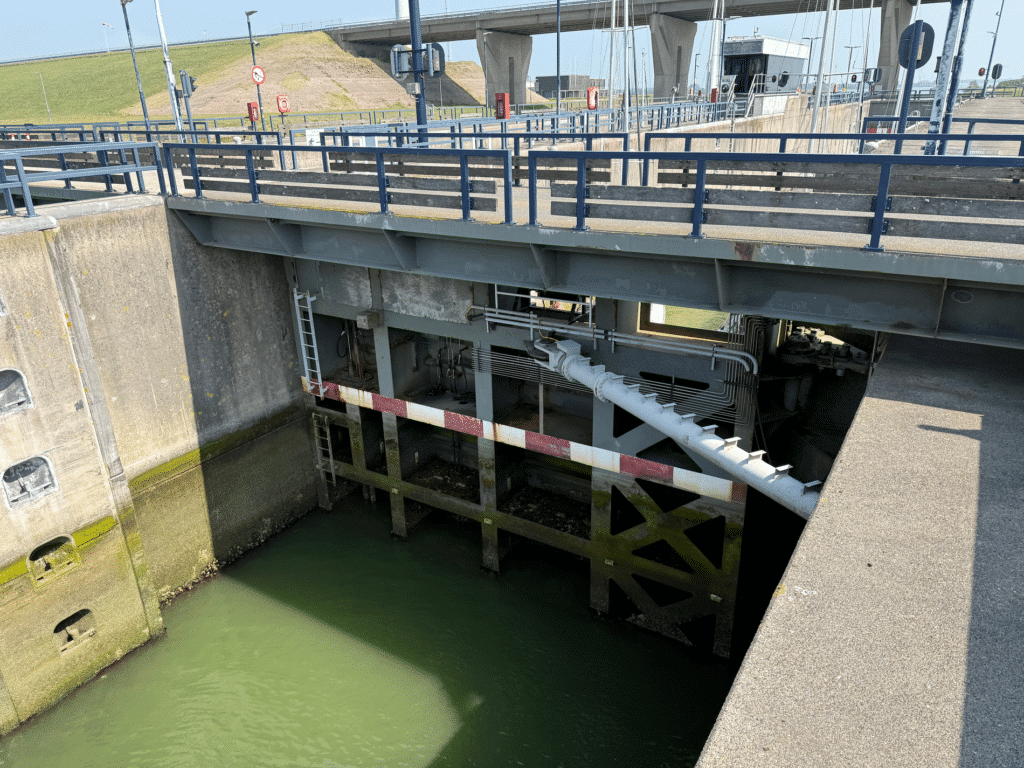
When awarding the contract to the ZEEKR consortium for the renovation of the Krammersluizen complex, Rijkswaterstaat provided a so-called ‘risk list’ regarding the condition of the structure. The contractor consortium then engaged A-Quin to conduct an independent baseline inspection, during which all known risks were verified and any new ones were identified. The result was striking: ultimately, more than a thousand potential risks were identified, assessed, and prioritized.
“We began by conducting a comprehensive desk study,” says Olivier Dolk, project manager at A-Quin. “Maintenance data, drawings, maintenance plans, risk assessments, and other historical documentation formed the basis for this initial assessment. In doing so, we looked not only at the existing risks provided by Rijkswaterstaat, but also at potential missing risks and underlying failure mechanisms.”
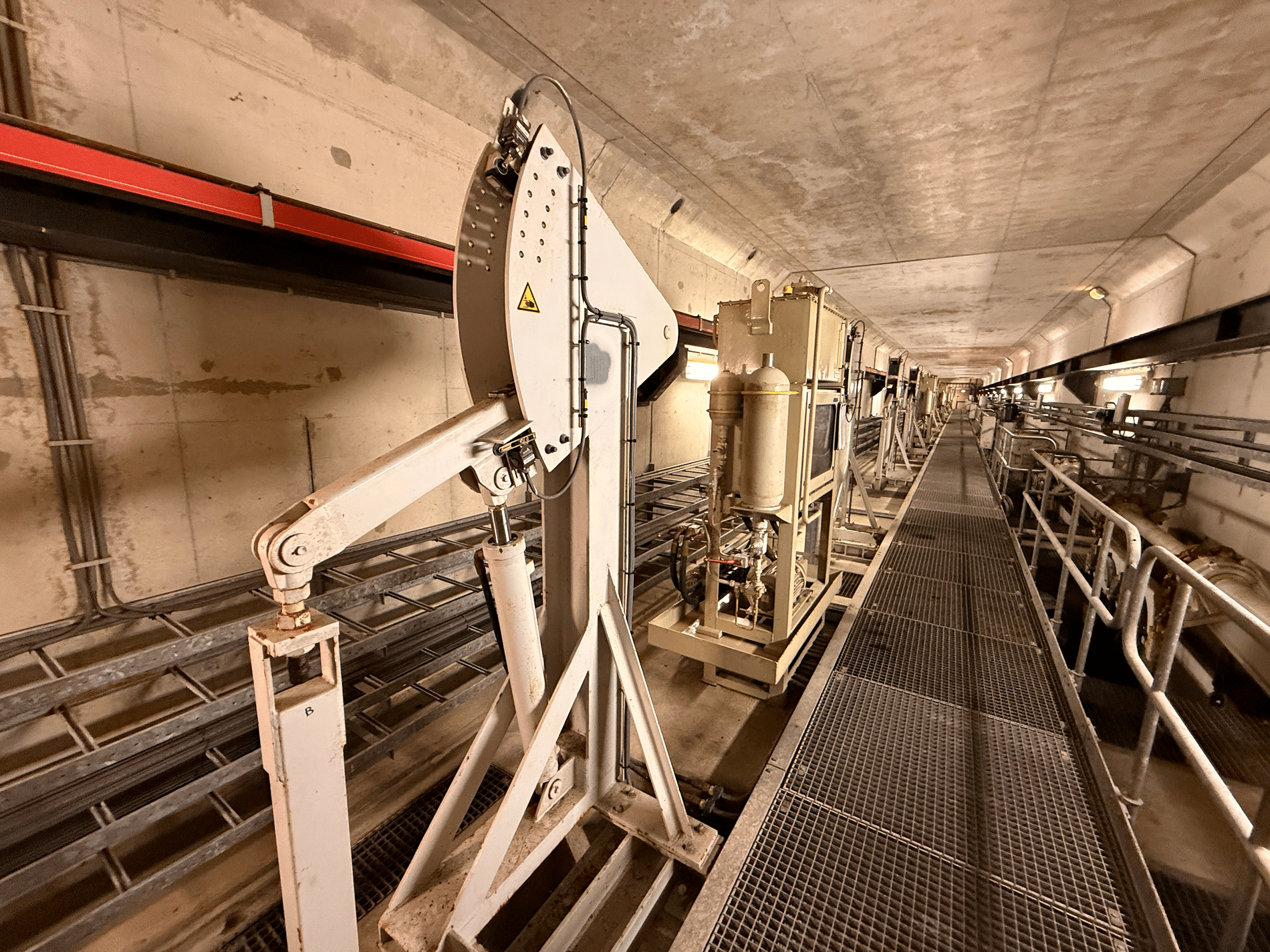
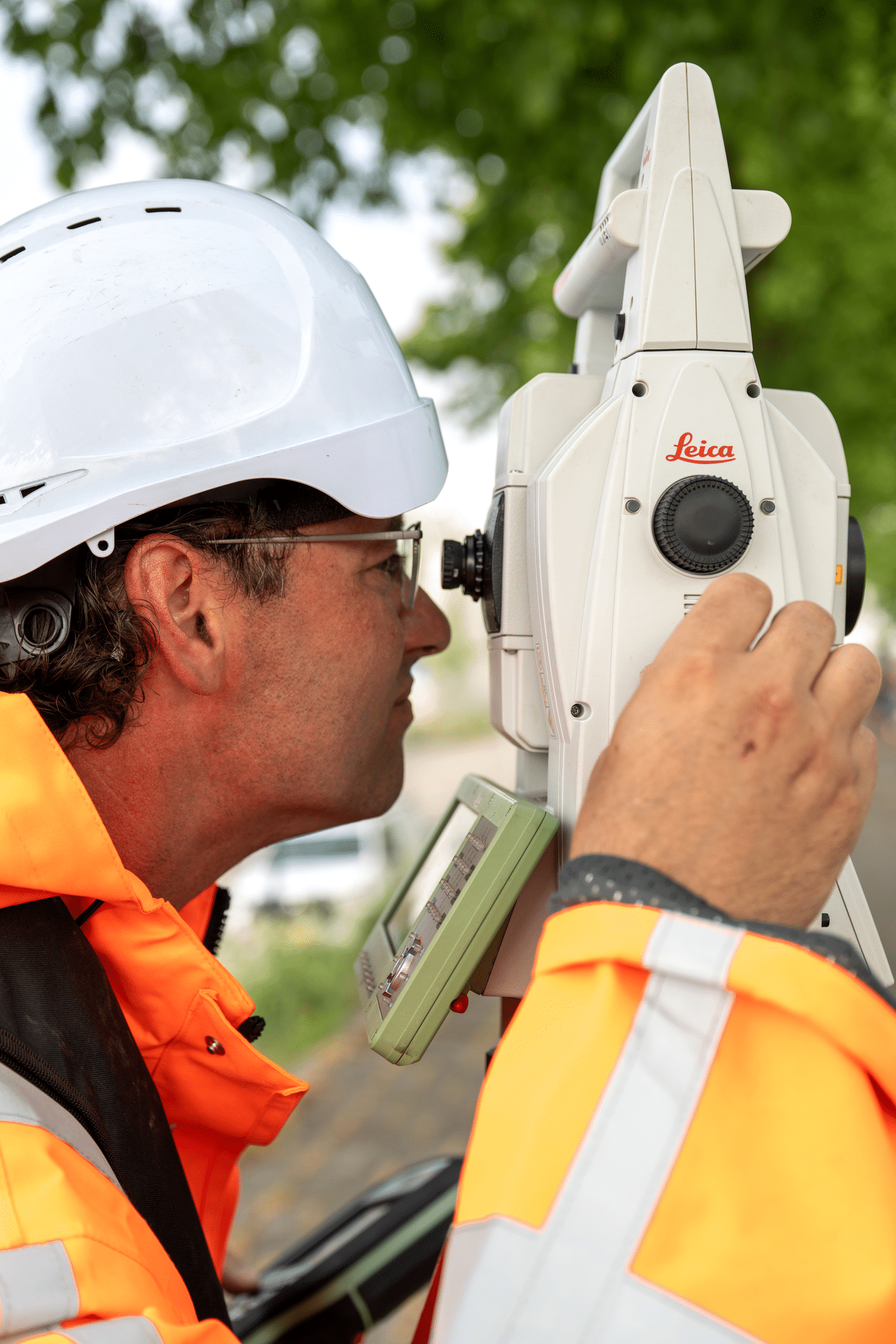
Next, a team of six specialists from A-Quin spent three weeks ‘in the field.’ “During the baseline inspection, we documented the current condition of the facility. We used the NEN 2767 methodology, which allows us to record and assess defects in a uniform and objective manner,” explains Olivier Dolk. “The focus was on mechanical engineering—
mechanical and electrical systems, supplemented by civil engineering inspections. In the process, several issues were identified that fell outside the original scope of the renovation. For example, significant corrosion was found on the wall-sliding drives and cable-routing structures. The desk study had not yet identified the corrosion to this extent. We have recorded these findings as risks and made them transparent to both ZEEKR and Rijkswaterstaat.”
According to Olivier Dolk, the strength of the approach lay in its independent position. “With no vested interest in additional work or contractual disputes, we focused exclusively on the actual condition of the structure and the potential consequences for its future performance,” he explains. “Each risk was assessed according to Rijkswaterstaat’s standard methodology and assigned a priority. This provided a clear picture of which maintenance and renovation measures deserve priority.” The assessment, incidentally, did not only reveal new risks. “During the inspections, previously identified risks could also be downgraded or even ruled out. Ultimately, this resulted in a comprehensive and well-documented overview that we presented in person to both Rijkswaterstaat and ZEEKR.”
What is the greatest benefit of such an exercise? “Making risks a topic of discussion before the contract is carried out,” emphasizes Olivier Dolk. “By reviewing the facts together in advance, we establish a shared starting point for the renovation and prevent discussions from arising later on.”
Neem dan rechtstreeks contact op met A-Quin B.V..
 Contact opnemen
Specialist in inspections and advice on infrastructure issues ‘We are committed to a safe and reliable environment in the Netherlands. InspectionsInspections ensure that you comply with legal obligations and also give you valuable insights. As an independent specialist, we are happy to carry out these inspections for you. View inspections AdviceWe like to go the extra [...]
Bekijk Bedrijfsprofiel