Platform on civil engineering, underground infrastructure, energy, construction equipment & construction machinery
Two New Water Transfer Stations Connect the Region to the Future
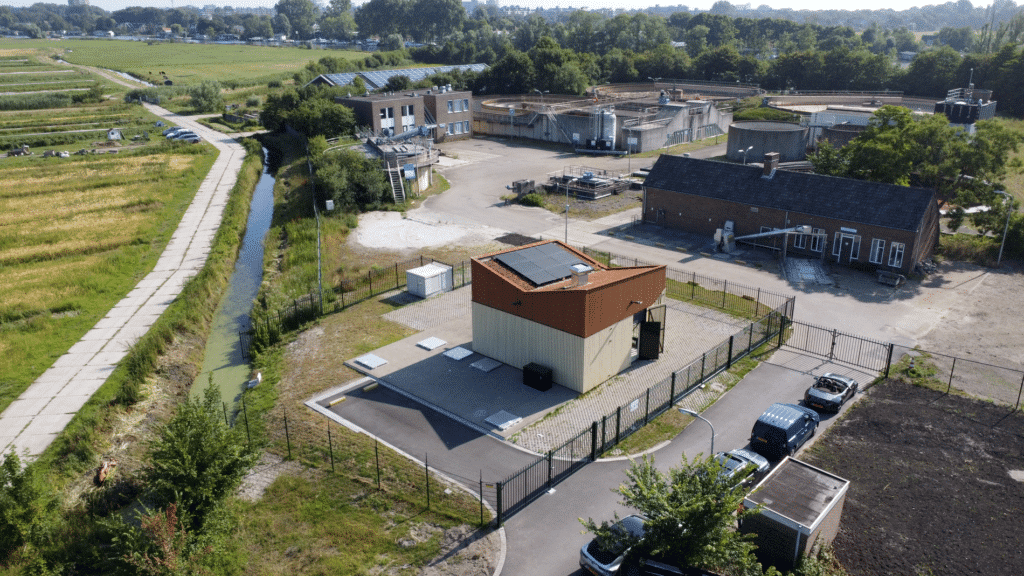
With the completion of the AWS Zwanenburg – AWTG Construction project, a major step has been taken toward modernizing the wastewater infrastructure in the Haarlem region. Two outdated wastewater treatment plants (AWZI’s) have been replaced by modern wastewater pumping stations (AWTG’s). The project faced a number of technical challenges, primarily due to unforeseen circumstances. Nevertheless, VOBI Infra and the Rijnland Water Board managed to overcome these obstacles very efficiently.
The core of the project was located in Heemstede and Haarlem-Schalkwijk, where the two outdated wastewater treatment plants were replaced by modern pumping stations. These pumping stations pressurize the wastewater and pump it to the existing and now expanded wastewater treatment plant in Zwanenburg, about 10 kilometers away. Whereas three treatment sites were previously in operation, wastewater is now treated centrally at a single location. This not only yields efficiency benefits but also results in significant savings in energy and maintenance costs.
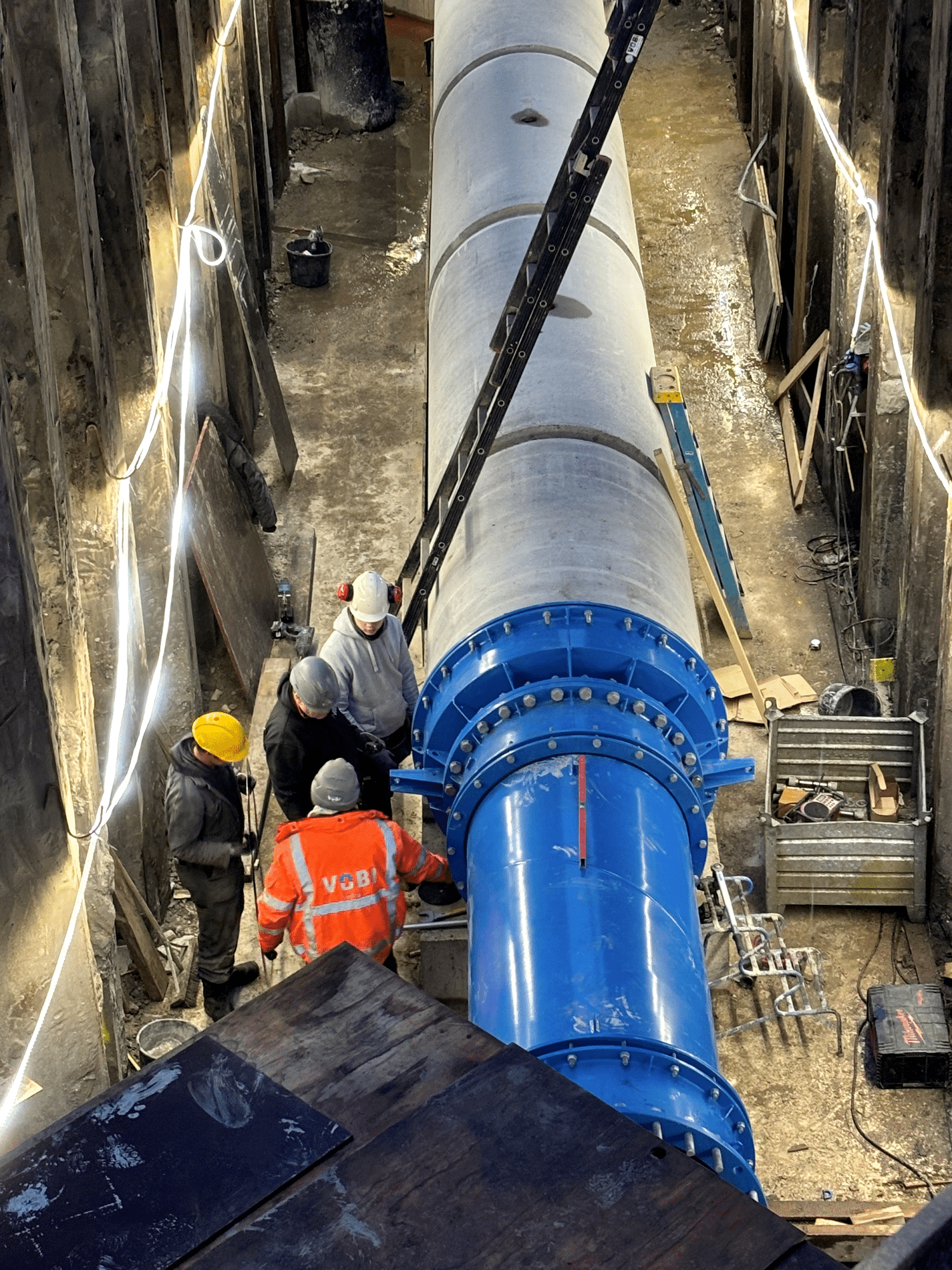
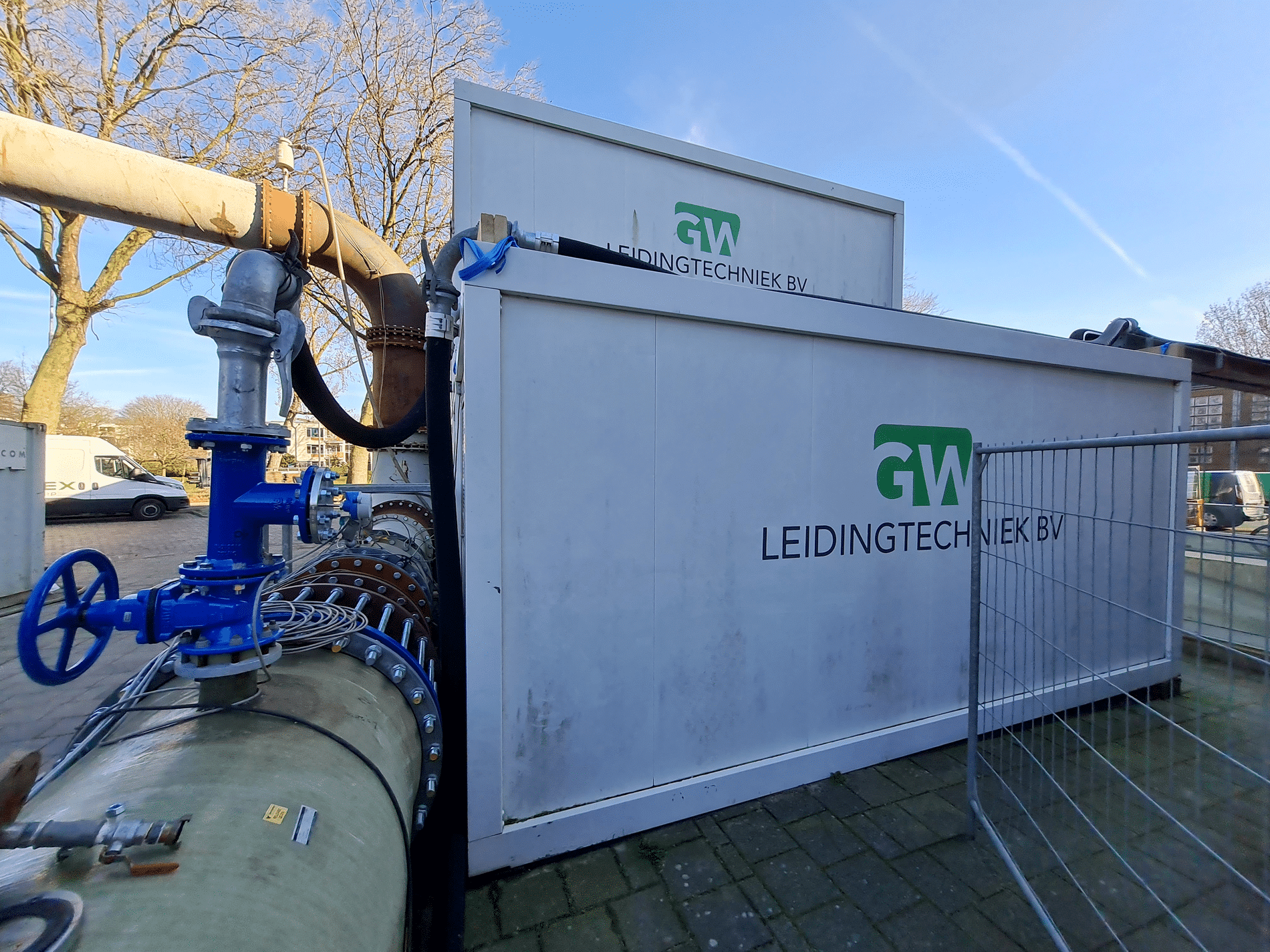
VOBI Infra was selected through an EMVI tender, in which risk management, sustainability, and collaboration, among other factors, were decisive. “We’ve been active in these types of projects for decades,” says Director Bastiaan Blok, who also served as project manager on this project. “Our strength lies in combining civil engineering, mechanical engineering, and electrical engineering. Because we have some of these disciplines in-house—including temporary pumping and piping systems—we can adapt quickly and respond flexibly to challenges.”
And those challenges were real. “For example, during an inspection of the existing sewer system in Haarlem-Schalkwijk, it turned out that the actual conditions differed significantly from the available renovation data,” says Blok. “The pipe, which according to the drawings was supposed to be properly supported and stable, turned out in reality not to be supported on piles, resulting in 30 to 40 centimeters of settlement, and consequently had the profile of a ‘wave pool.’ This called for a creative solution, because the new AWTG had to connect without settlement to an existing pipe that was susceptible to settlement.”
Working closely with the Rijnland Water Board, a sort of mini-construction team developed an innovative structure using pendulum-type components. “This solution makes it possible to accommodate future settlement without damaging the connection. Moments like these show just how important good collaboration is,” says Blok. “You need each other to arrive at a robust and reliable solution.”
VOBI Infra built the AWTG facilities in parallel. “We did start a little earlier in Heemstede—in October 2022, to be precise—followed by Haarlem-Schalkwijk in the spring of 2023. By carrying out the projects one after another in a ‘train-like’ sequence, we were able to efficiently transfer knowledge and experience. Both pumping stations are similar in design but differ in capacity. For example, the transfer pumping station in Heemstede has a capacity of 1,500 m³/hour with a discharge pipe 710 mm in diameter, while the pumping station in Haarlem-Schalkwijk has a peak capacity of 2,000 m³/hour and is connected to a discharge pipe with a diameter of approximately 800 mm.”
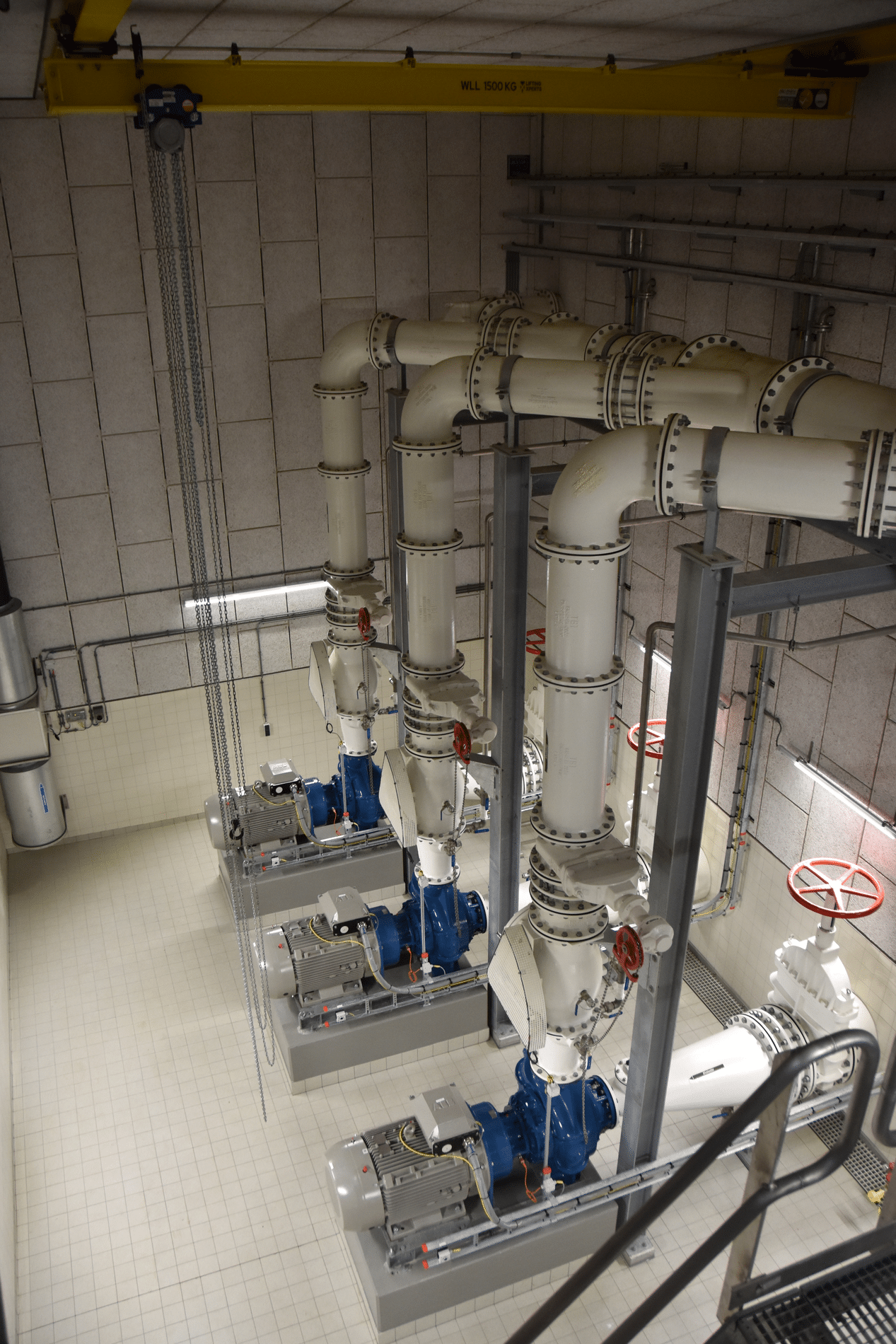
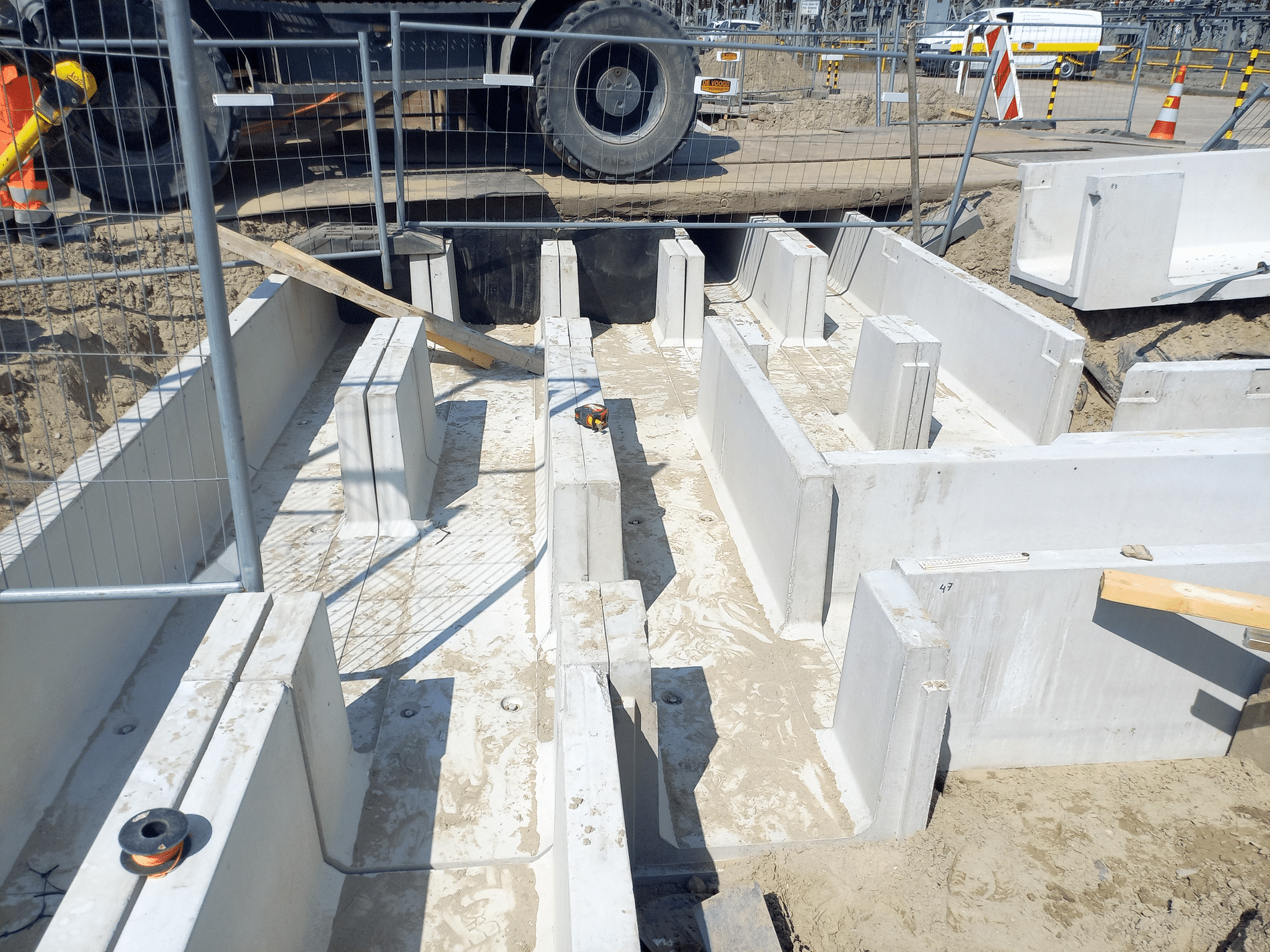
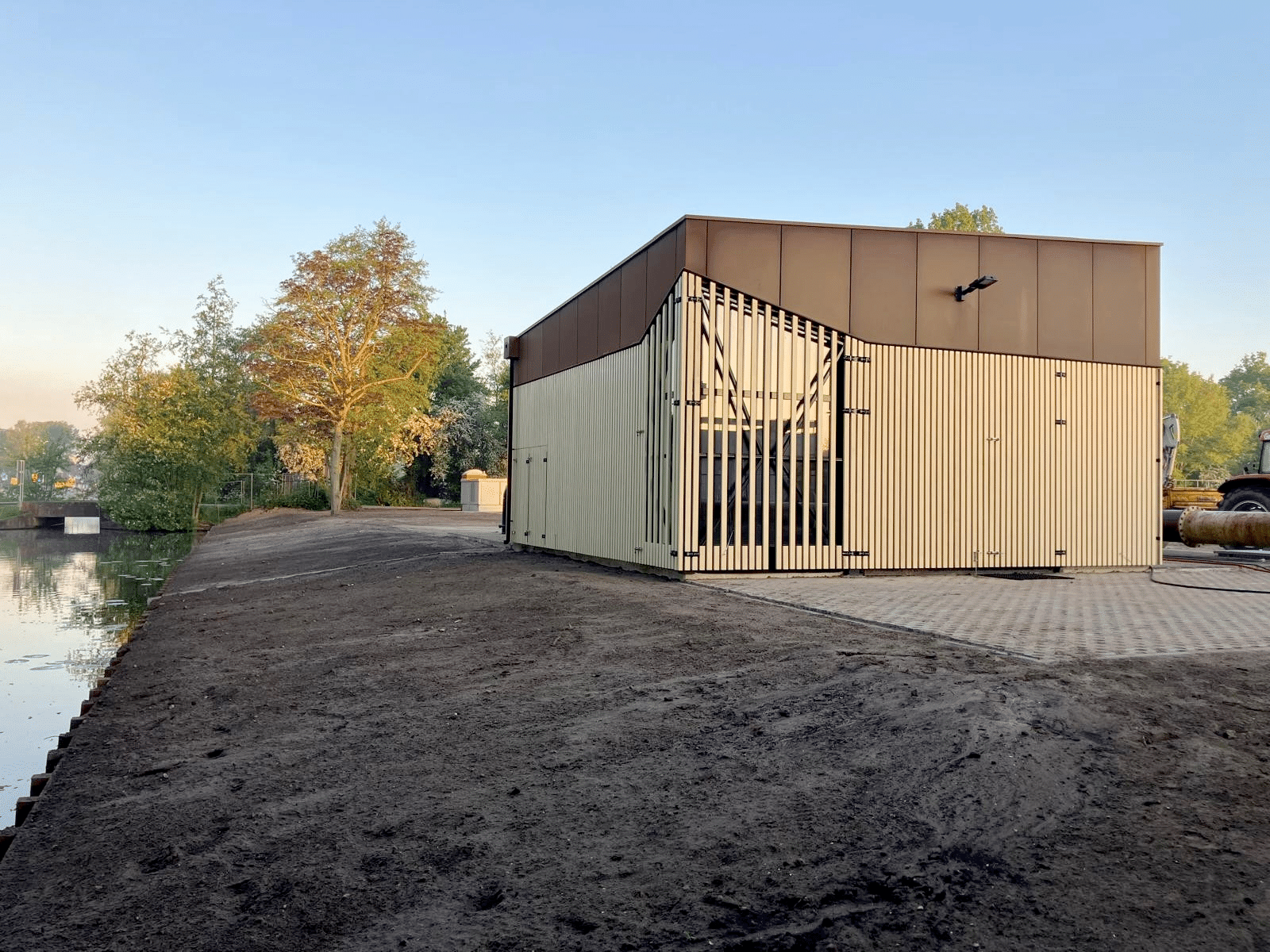
Although only a modest building is visible above ground—a ‘little house’ measuring 7 by 7 meters and 5 meters high—an impressive technical facility lies beneath it. Deep concrete basements, extending up to 10 meters below ground level, are divided into two compartments. The dry section houses the pumps and piping, while the wet section serves as a receiving area where wastewater enters. The superstructure is sustainably constructed with wood, featuring a sedum roof and solar panels. VOBI Infra successfully completed both AWTG facilities on July 3, 2025, and handed them over to the Rijnland Water Board.