Platform on civil engineering, underground infrastructure, energy, construction equipment & construction machinery
Working Together as a Single Organization
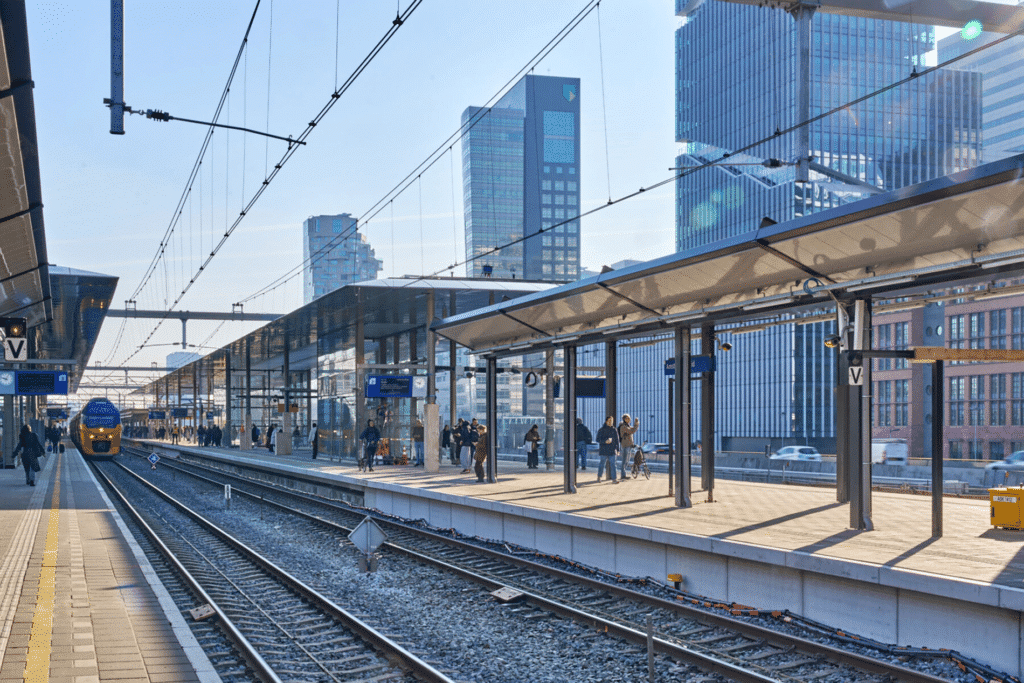
In Amsterdam’s Zuidas district, Mobilis, Van Gelder, and Boskalis Nederland are collaborating as the Nieuw Zuid construction consortium on the large-scale renovation of Amsterdam Zuid Station. It is an intensive and complex project that demands a great deal from everyone involved. From the outset, a deliberate decision was made to adopt an integrated approach: employees work in multidisciplinary teams, where it is not apparent which company each person represents. It is precisely this way of collaborating that forms the strength of the construction consortium: operating as a single organization, with a single shared goal.
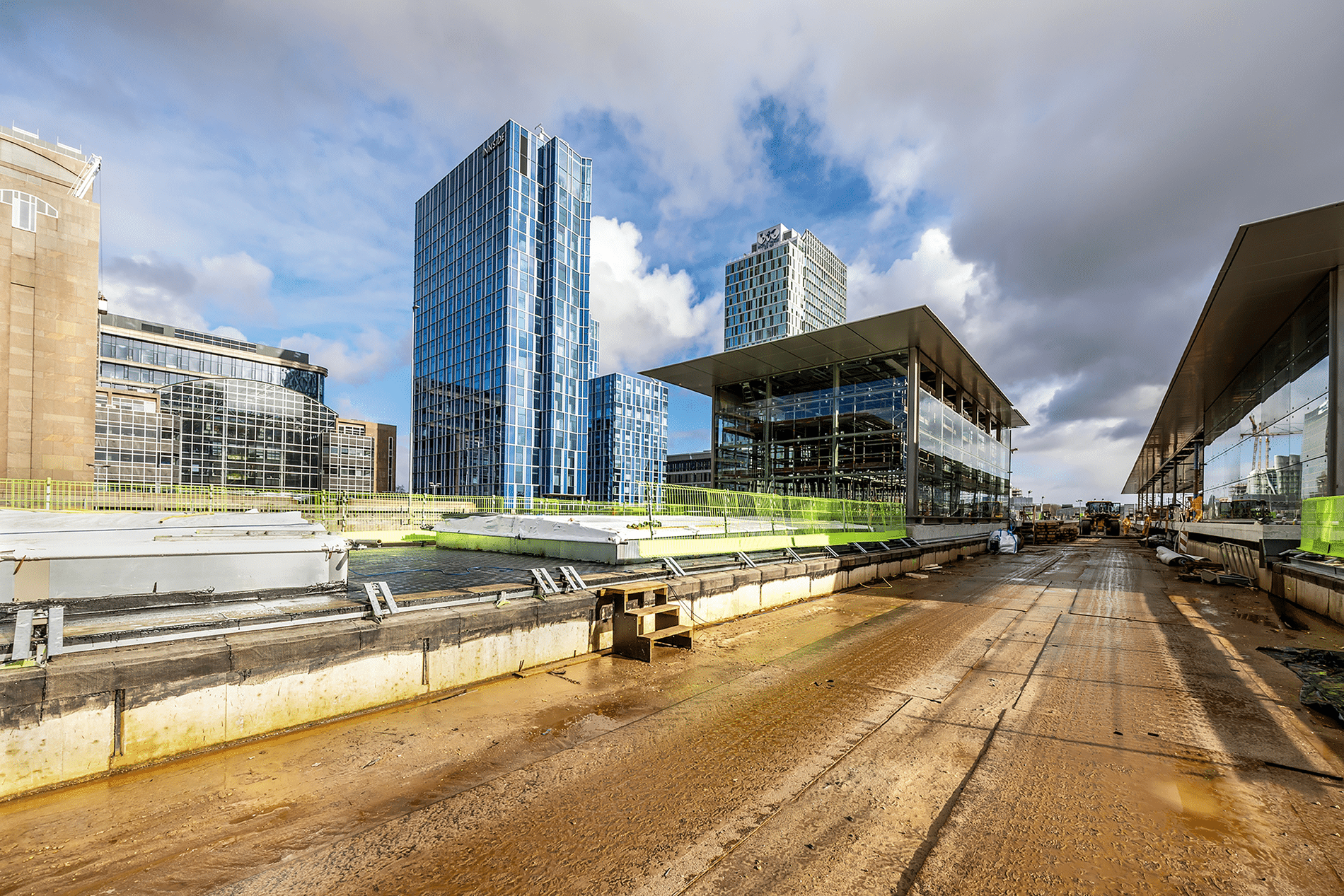
After years of preparation, the first results are becoming visible. The new pedestrian tunnel, the Brittenpassage, will open in early 2027. Beneath the A10 South, the construction site is gradually being transformed into a bright, spacious passageway with escalators and an indoor bicycle parking facility. “We’re really in a turning point this year,” says Jeroen Toet, technical manager at Mobilis. “In the early years, we mainly worked on the structural framework between and beneath the train and metro tracks and the A10, with very limited space. At the same time, Amsterdam had to continue functioning as usual. That makes this project quite unique. It’s only been in the past year and a half that we’ve actually been able to see what we’re building.”
The intensity and long duration of the project make close collaboration essential. The project’s interests always come first. “It’s not the interests of the individual companies, but the collective result that guides us,” says Mark Boersma, technical manager at Boskalis. “The project is so large and complex that you need the right people from all organizations. Moreover, everything you do has an impact somewhere else. That makes it virtually impossible to divide up the work. Ultimately, everything hinges on people’s willingness to work together—and fortunately, that willingness is very strong.”
That collaboration does require constant attention, emphasizes Sjoerd de Waard, senior project manager at Van Gelder. “You have to keep investing in team building. For example, we recently set up a new design organization for the Minerva Passage, with several cross-functional teams (from the client and the construction consortium) that collaborate closely. By regularly organizing joint sessions, we ensure that the teams understand each other well and reinforce one another.”
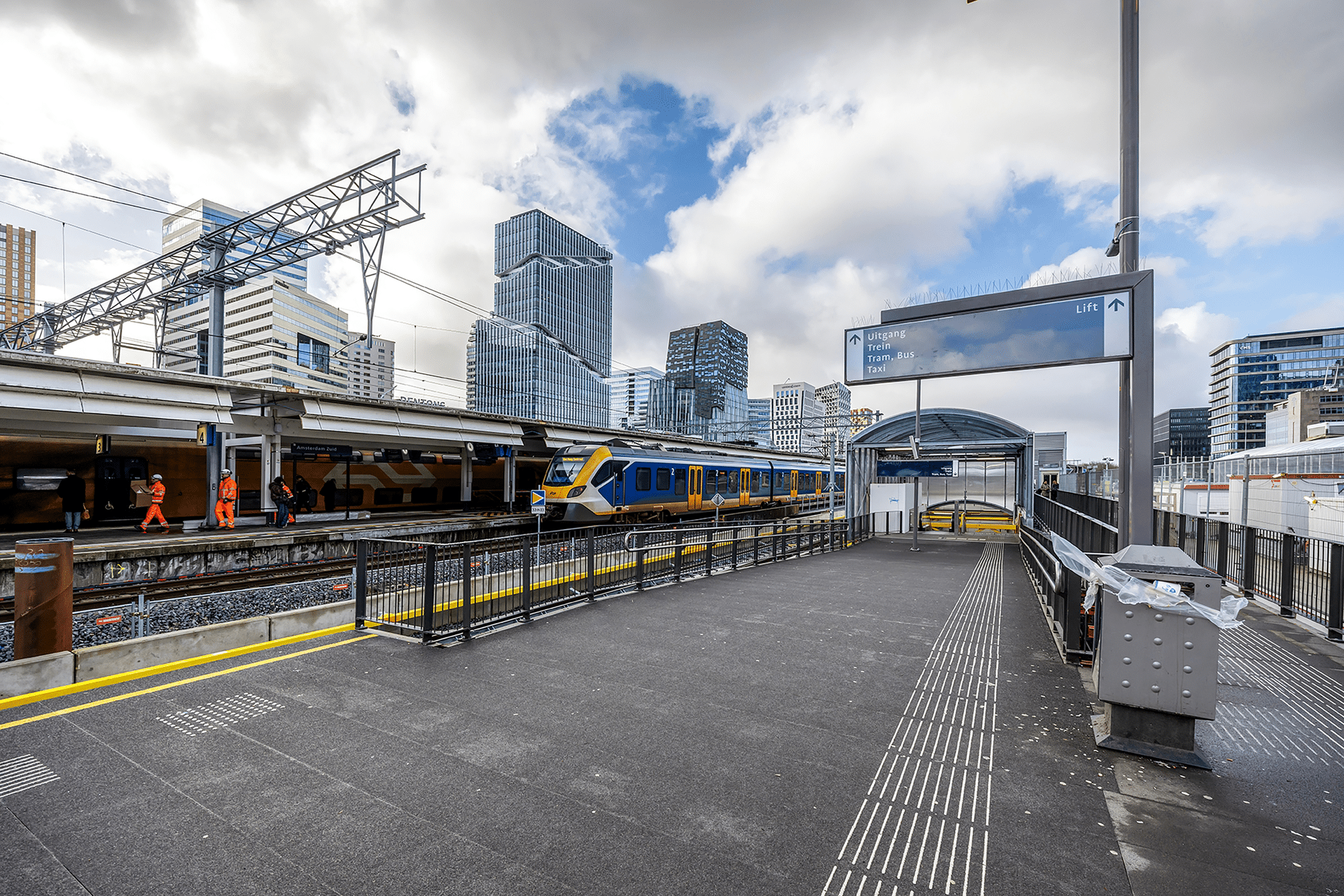
The need for an integrated approach becomes clear in day-to-day practice. The various tasks are closely intertwined. “You can see that very clearly in the design of the second phase (Minerva Passage), the renovation of the existing station,” explains De Waard. “New foundations are being laid in areas where old structures still stand; materials must be continuously brought in and removed, and new components are being built onto existing structures. Everything is interconnected. Take the HVAC system, for example: large ducts have to pass through walls, but those walls have to be suitable for that. If you don’t take an integrated approach, you’ll end up endlessly designing and making adjustments.”
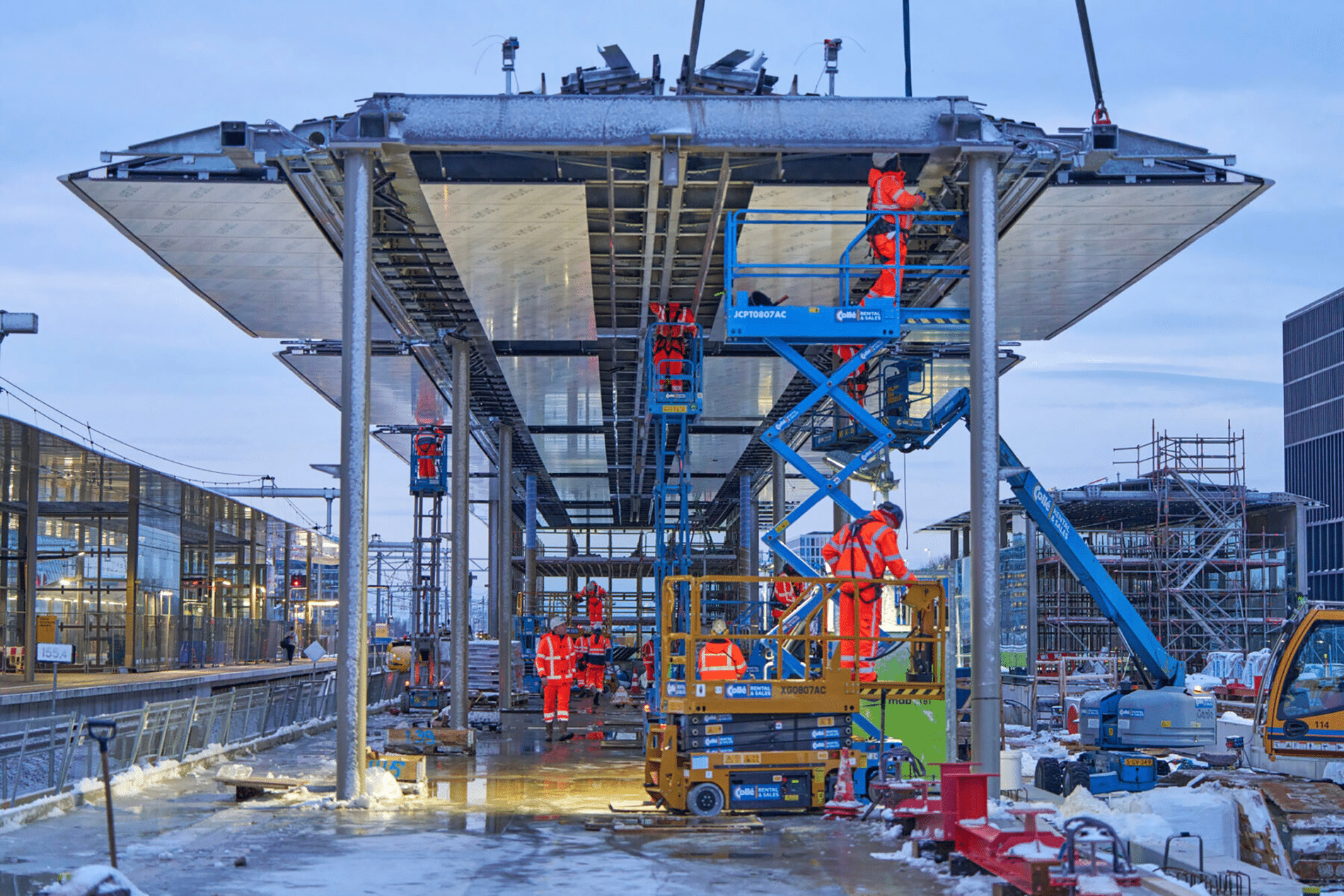
The strength of this approach is also evident in the preparation for service suspensions—periods during which train, subway, or road traffic is temporarily halted. There are about a hundred of these in total, ranging from a weekend to several days. Each service suspension requires six months to a year of preparation. “Multiple teams work simultaneously on different service suspensions,” says Boersma. “That means you have to make decisions early on: which people are best suited for which job? By involving everyone in the process early on, each team can focus entirely on that one moment.” That focus leads to efficient plans centered on the common good. “At first, we still had to find our way in this,” Boersma admits. “But now we have a good mix of people who understand this work and are energized by it. The fact that all out-of-service periods have been completed on time so far feels like an important milestone to us after each one.”
It’s also important that teams don’t operate as isolated silos. “We constantly look beyond individual field assignments,” Toet adds. “Where can we work smarter? Which activities can we already combine or bring forward? Teams actively collaborate and reinforce each other. That’s how we truly function as a single unit.”
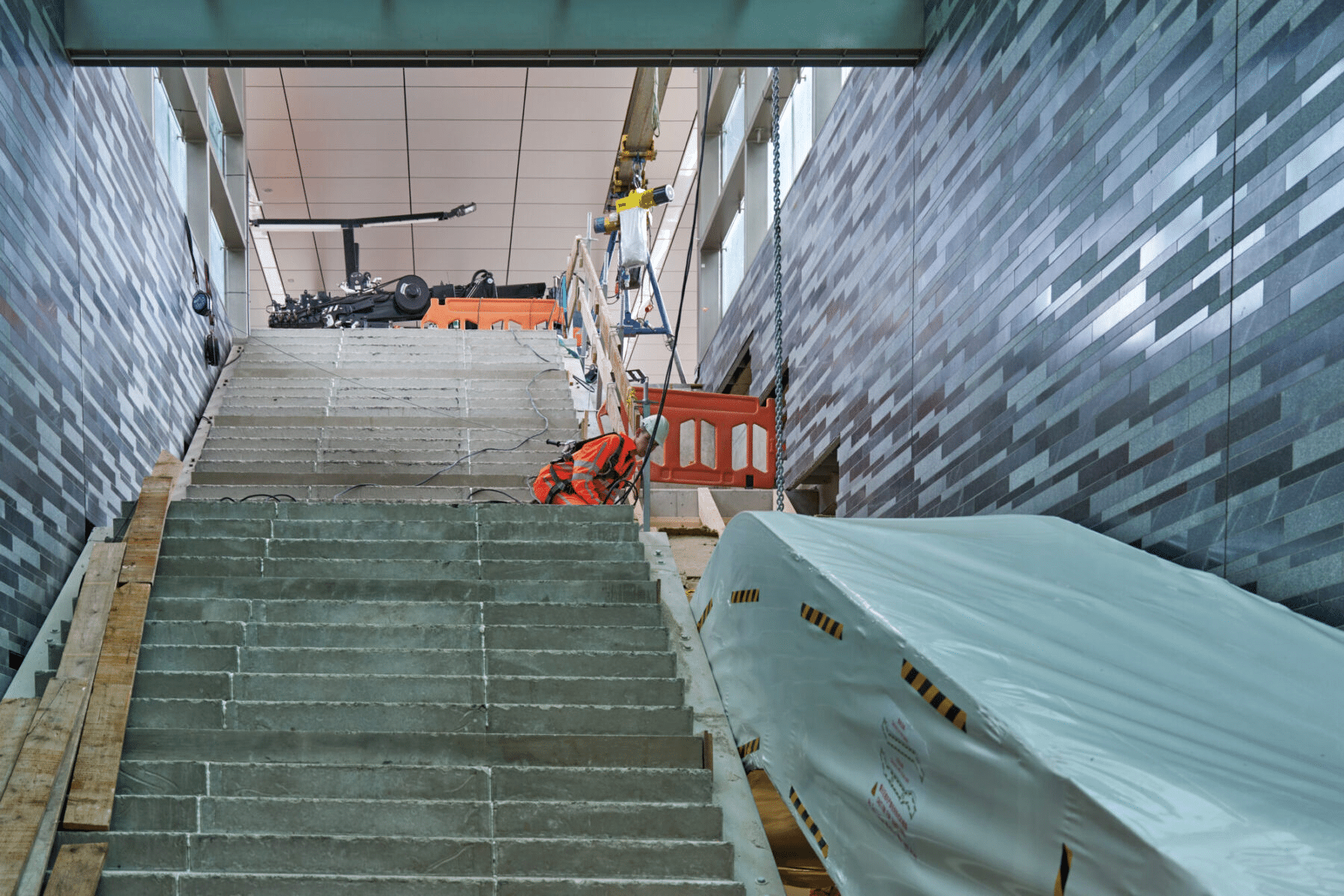
All teams are now working toward the opening of the Brittenpassage in early 2027. Construction is in full swing, and the station is increasingly taking on the form it was originally envisioned. It’s an exciting phase, in which everything is coming together—both literally and figuratively. For everyone on the project, one thing is clear: this can only succeed by working together, remaining transparent, and putting the project’s interests first. With that shared commitment, the teams are giving it their all.