Platform on civil engineering, underground infrastructure, energy, construction equipment & construction machinery
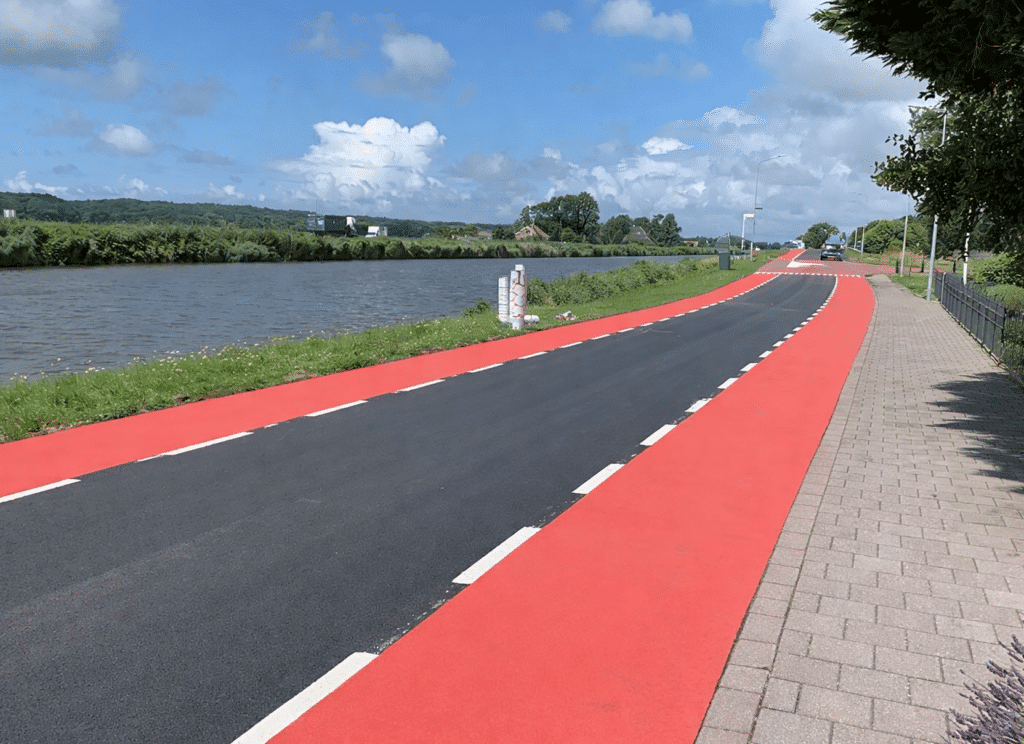
Sustainable markings are increasingly becoming the norm
Effective road markings play a major role in ensuring the safety and clarity of public spaces. Yet the importance of markings is often greatly underestimated. Stephan Daams, Business Development Manager for Road Markings at Triflex, believes this is unjustified. “Without markings, we’re basically lost. They provide structure and functionality to the road.”
Daams has noticed that the conversation in the market is slowly shifting. While thermoplastic markings were the norm for years, interest in cold-applied markings is growing. It’s a technique that, in his view, performs better in virtually every respect. “We’re really into cold plastics. If you look at the total cost of ownership, it’s simply the best option right now.”
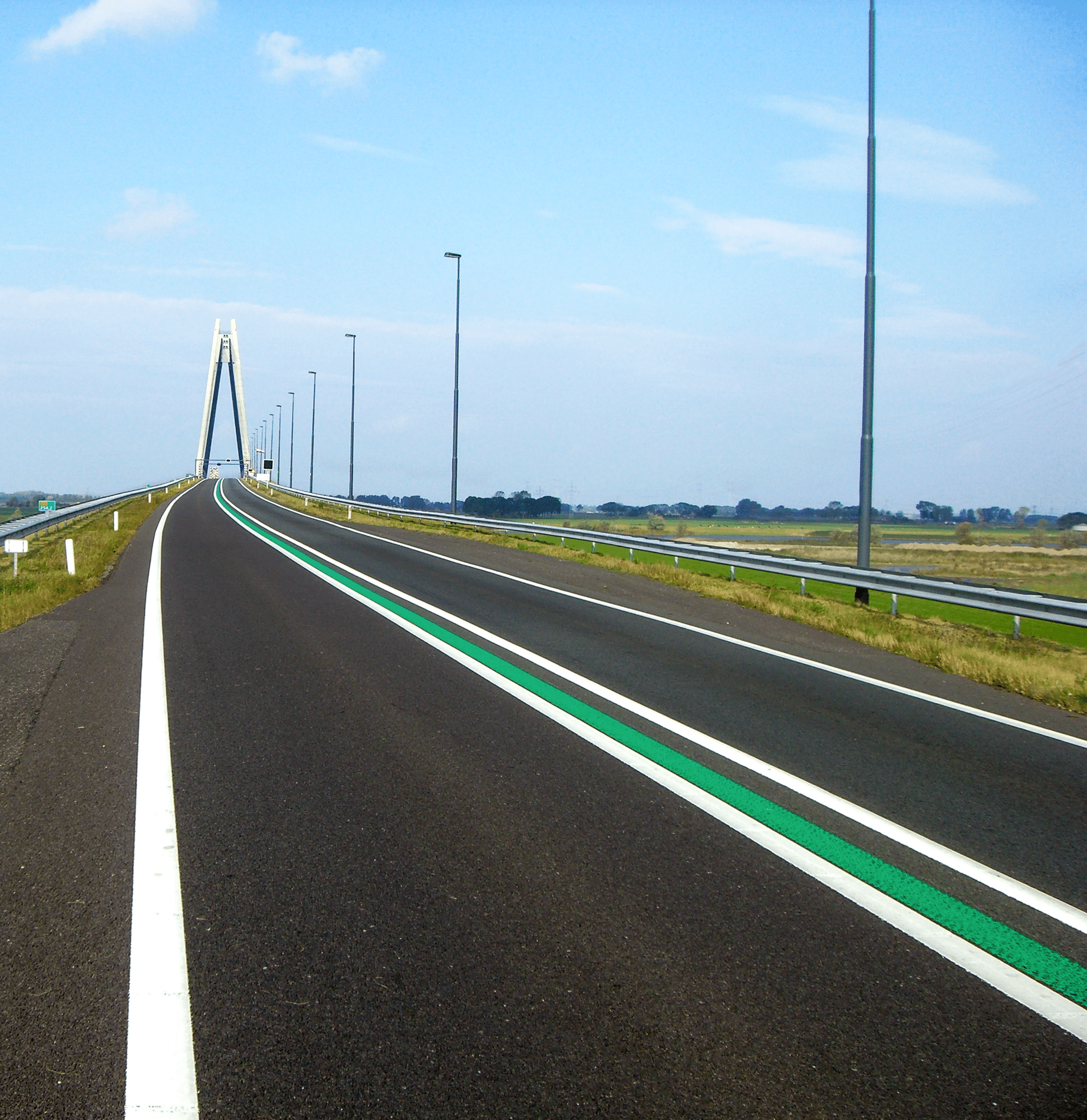
One fundamental difference lies in the processing. Thermoplastic must be heated to temperatures well over 180 degrees Celsius, with the associated energy consumption and emissions. Cold-set plastic, on the other hand, cures without heating. “We don’t have to heat anything up. That means a huge environmental benefit and no vapor formation during application,” says Daams.
In addition, cold-applied asphalt can be applied in a thinner layer because the material is more wear-resistant. Using less material and having a longer service life reduces costs over the entire lifecycle. “It remains visible longer, is UV-resistant, and retains its color. These are properties that directly contribute to traffic safety.”
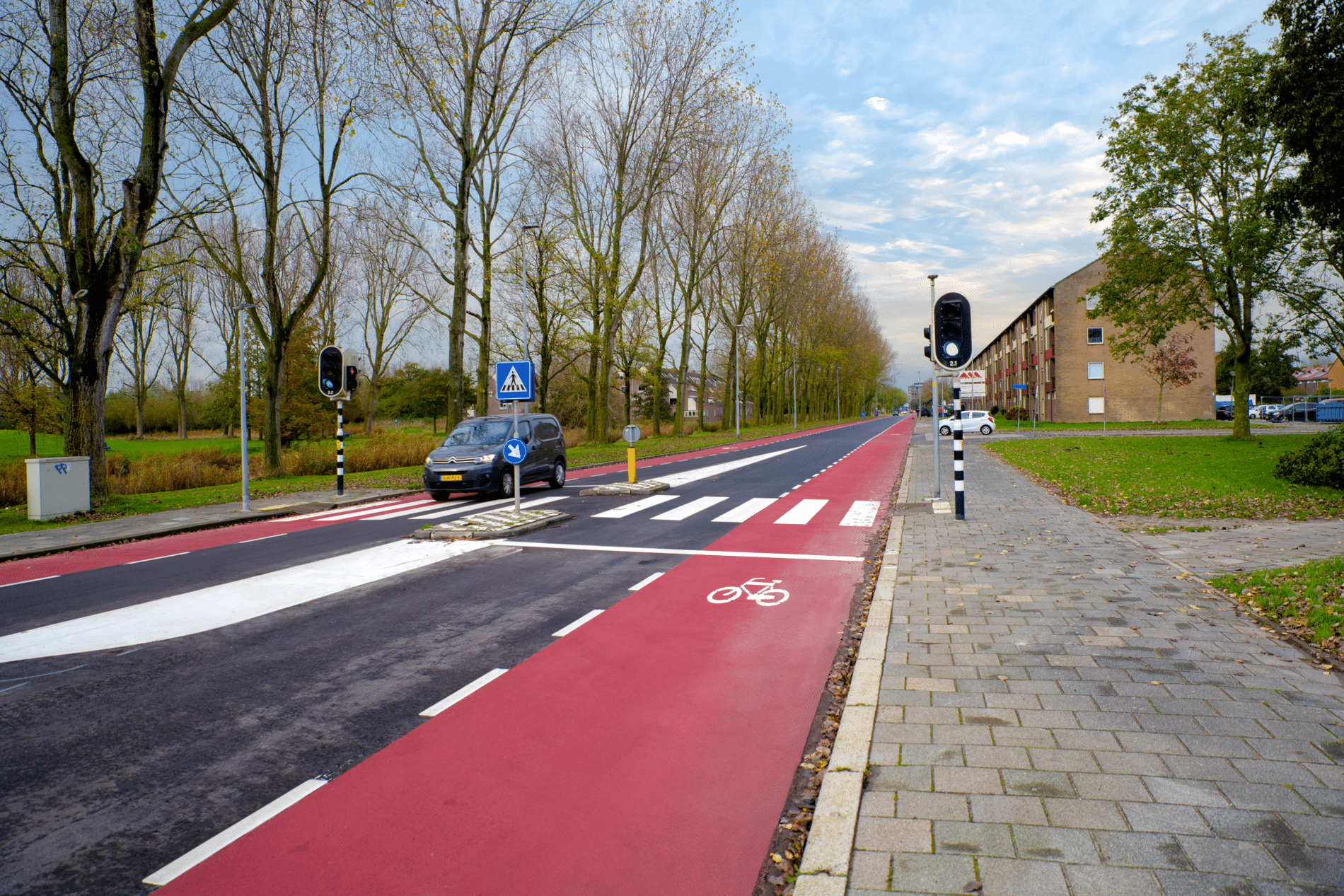
Another important area of application is the design of bike paths and shared-use lanes. While red asphalt is often traditionally paired with black asphalt, Daams sees clear drawbacks to this approach. “That always creates a seam. It may seem small, but it quickly gets worn open. That can lead to truly dangerous situations, especially for cyclists.”
Cold-applied asphalt is applied directly over the existing asphalt as a coating and does not have that problem. The material is also slip-resistant, even in wet weather, and slightly elastic. “It has some crack-bridging properties. Everything on the road works together, so that helps limit damage and wear.”
Application methods also play a role. The coating is mixed in two components and applied. This can be done manually with a squeegee or using a machine-based spraying technique. That makes it flexible to apply.”
Another practical advantage is the short curing time. The surface is ready for traffic again within 45 to 60 minutes. “The road can reopen quickly. That minimizes disruption and economic damage,” says Daams.
This makes the technology particularly appealing for densely populated urban areas, where barriers are becoming less and less acceptable. At the same time, it aligns with the growing emphasis on sustainability in public procurement.
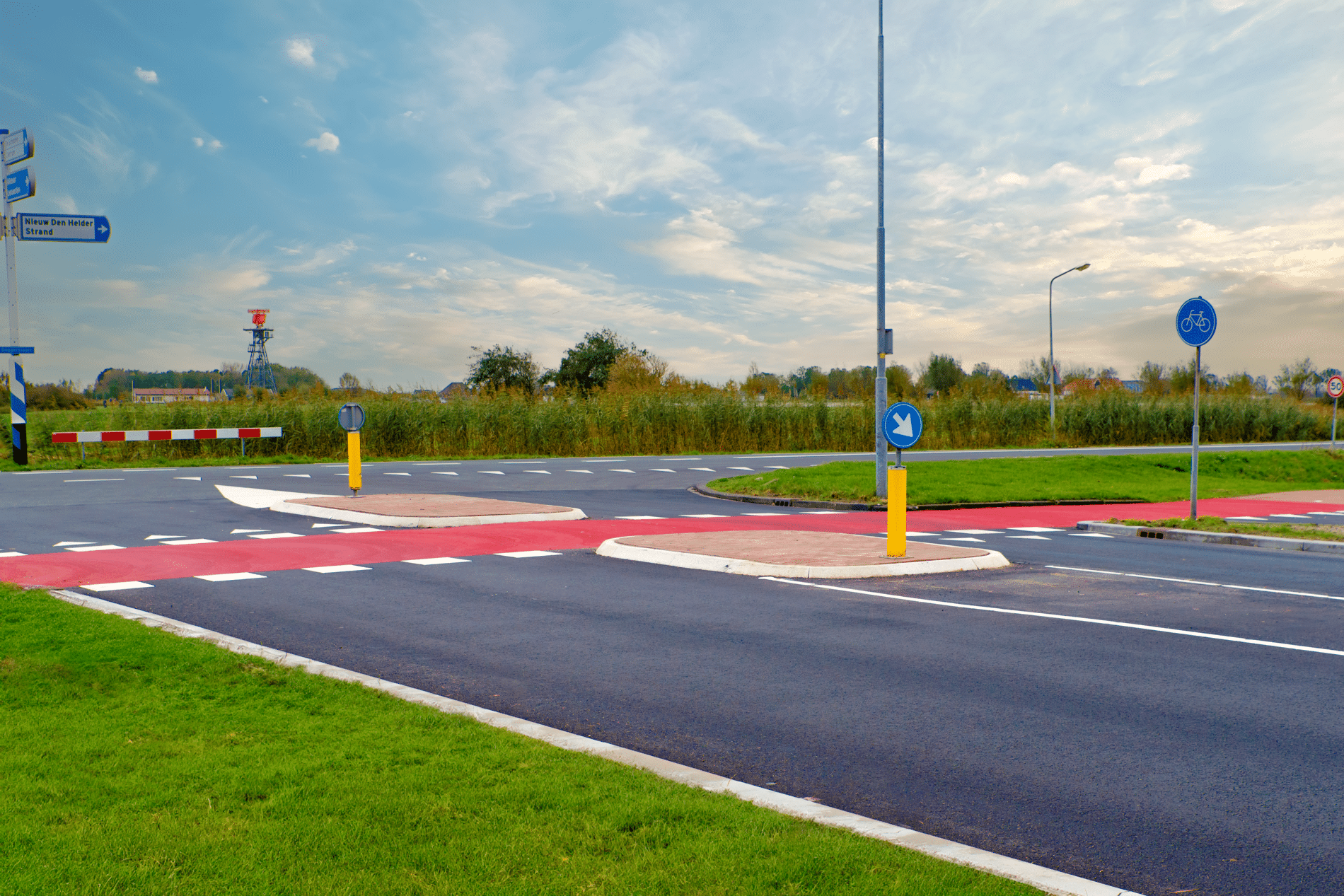
According to Daams, road authorities are increasingly making a clear commitment to cold mix asphalt. “They want safety and sustainability. Those are precisely the areas where these systems excel. You can see this reflected in the specifications as well.”
The ability to reuse the material at the end of its life cycle plays an important role in this regard. Cold-applied markings and surface coatings can be milled away along with the old asphalt pavement and used as aggregate in the new asphalt mix, which further reduces costs and emissions. “That means you score high on the circularity ladder.”
Triflex does not perform the installation itself, but works with specialized contractors. To ensure quality, the company invests heavily in training. At its own Academy—which will soon be expanded into a new facility in Heino—contractors are trained in the handling and application of the products.
“You can have a great product, but if it’s applied incorrectly, it’s useless,” says Daams. “That’s why we train people and provide guidance when needed.”
According to him, this hands-on approach provides valuable feedback. “We hear about the challenges applicators face and can respond accordingly. That’s really part of how we work.”
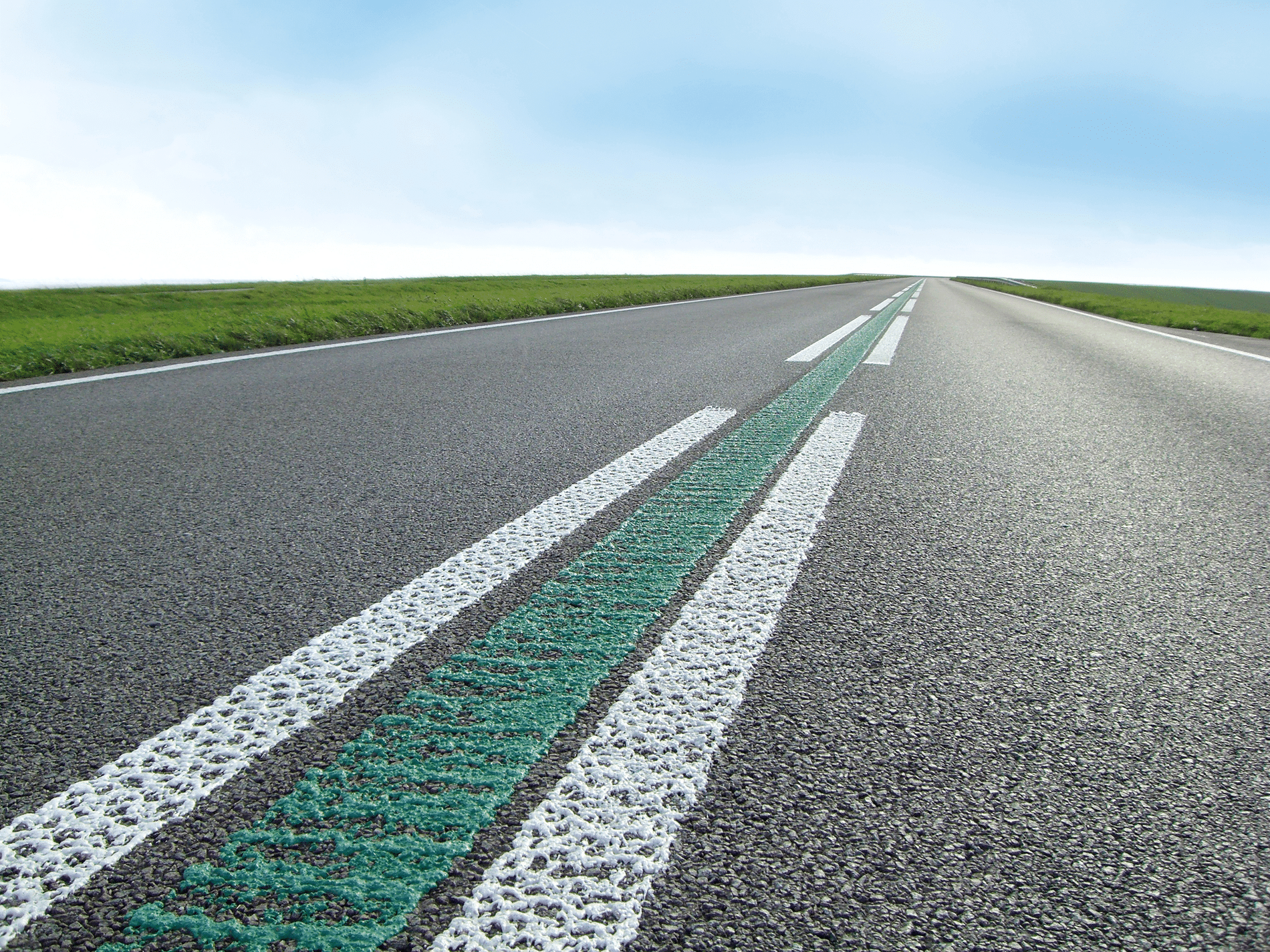
Despite its advantages, cold-applied asphalt is not yet widely used in the Netherlands. The situation is different in countries like Germany. “There, it’s already much more the norm, with sustainability as the guiding principle,” says Daams.
According to him, that is precisely where the biggest challenge lies in the coming years. Not only in terms of technology, but especially in terms of knowledge sharing. “When you weigh all the advantages against each other, it’s actually not surprising that you’d choose cold-plastic.”
Neem dan rechtstreeks contact op met Triflex BV.
 Contact opnemen
Triflex is a manufacturer and supplier of liquid plastics for flooring and sealing systems. We have been doing so for more than 40 years. In that time we have specialized in sealing and protecting roads, infrastructure, parking garages, balconies, terraces and roofs. Our systems are fully reinforced and crack-bridging. Quality is our number one priority. Where [...]
Bekijk Bedrijfsprofiel