Platform on civil engineering, underground infrastructure, energy, construction equipment & construction machinery

Sustainability is an important theme in the foundation sector. It is one of the spearheads of the Nederlandse Vereniging Aannemers Funderingswerken (NVAF). Director Jaap Estié emphasizes that sustainability is a broad social theme that goes (much) further than just making the engine of a foundation machine more sustainable. He updates us on the many (sustainable) initiatives and current developments within the association.
Last year, NVAF celebrated 75 years, an anniversary that was celebrated in a big way with all members. "We are a very active association that is still growing and standing up for the interests of our member companies," says Estié. "The commitment from the members is enormous. Thanks in part to the grandiose efforts of the many volunteers from member companies in working groups and committees, we collectively manage to achieve great results for the industry. Results that are absolutely unachievable on an individual level."

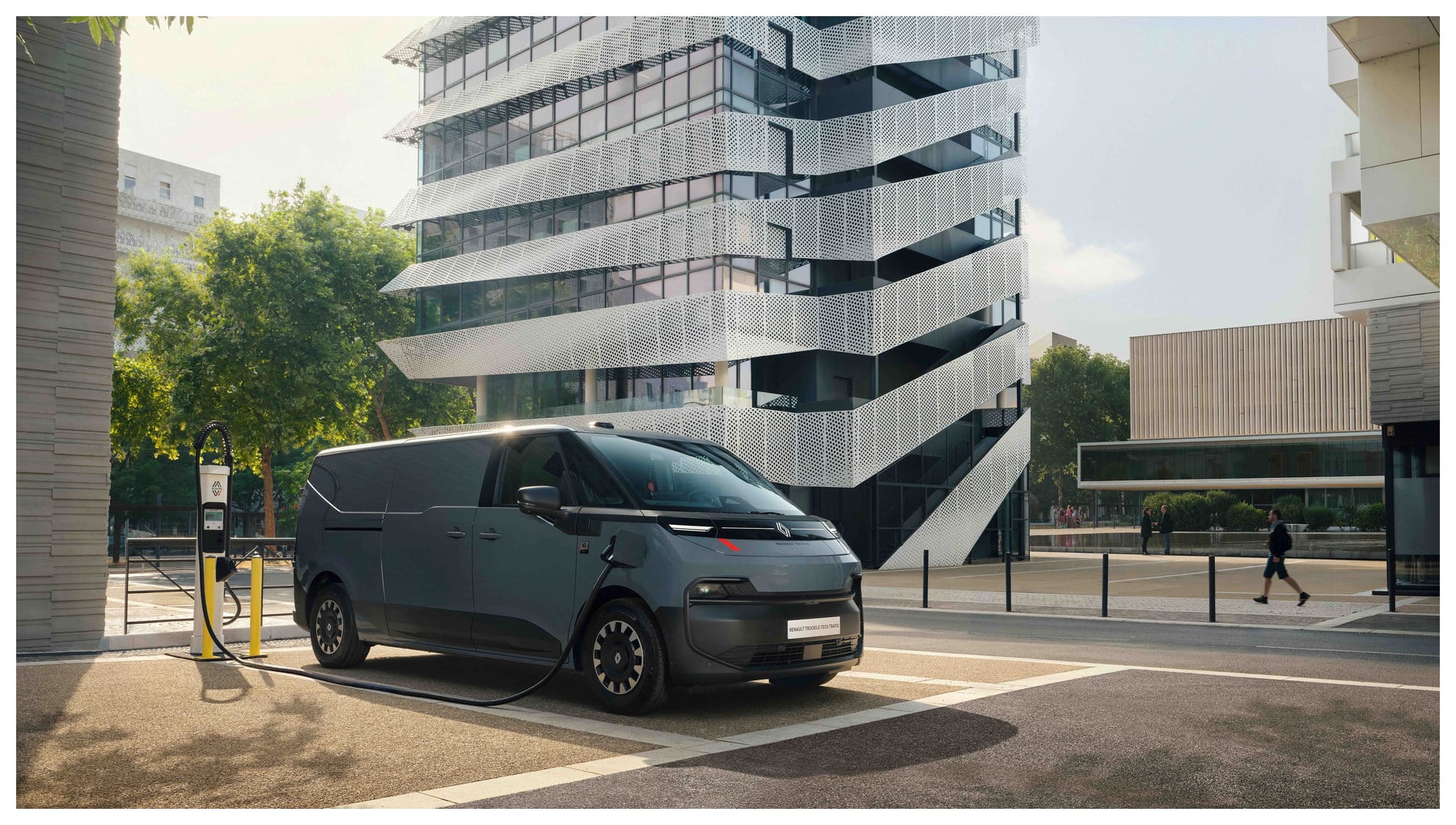
If you consider the design a foundation, we put 90% of the total CO2 emissions associated with it into the ground. "Indeed it comes from the concrete and steel. So don't just put the focus on the engine of a foundation machinery, but look at it from a broader aspect," Estié believes. "Although plenty of developments are taking place in this area. We are gradually seeing the first emission-free machines appear on the market. But of course these machines must be able to be powered. What we see now is that construction power is often present in insufficient quantities. The fact that a diesel generator is then used to run the electric machine is, of course, pure symbol politics. A more interesting route for many companies may be to repower "old" Stage III machines, which until a few years ago were the standard on the market, to Stage V copies. A nice intermediate step to save substantially on CO2- and nitrogen emissions."
Another hot topic within the NVAF is the discussion surrounding pile reduction factors. "This too has a direct impact on sustainable foundations, albeit in a negative sense. The introduction of the pile reduction factors has resulted in the average foundation pile becoming a lot heavier based on the new calculation standards," Estié explains. "So that means putting more CO2 into the ground. One may only design with deviating (read: higher) pile class factors provided this is demonstrated with test loads in accordance with NPR 7201. One of our member companies has now had its own pile class factors recognized (see later in this magazine, ed.). Initiatives are also underway from the NVAF, in which ten member companies have united and have now conducted various pile tests with screw injection piles. The main objective was to investigate the difference in types of pile tips. We also looked at the impact of inserting a water cement factoring; what does it do to the grout shell on the pile? After all, municipalities and supervisors all have their own ideas."
The NVAF also operates outside the "boundaries" of its own association and is, for example, very active in the Cable and Pipeline Consultation, an alliance of excavators, network operators and subsurface managers. Estié: "The goal is to prevent as much excavation damage as possible. Clients must think about physical construction safety, including cables and pipes in the subsurface, as early as the design stage. In practice, this only comes into play during execution, and by then it is often too late. In that context, last year we as an association completed the guideline on how to deal with safe ground excavation." The safe hoisting guideline was also updated last year and relates to the safe hoisting of foundation elements. "In this, we looked explicitly at how to work with fallout protection instead of double securing, resulting in the introduction of our own hoisting load poster."
As if that were not enough, last year the NVAF actively contributed to the European guidelines for reducing CO2 emissions in foundation design. "The guideline has been translated into Dutch and we have made it available to our members. Furthermore, a lot of attention is paid to foundation repair, a big item in the Netherlands due to climate change, and we notice an increasing interest in our foundation vocational school. Finally, on the board side, we had a change of chairman. Ted van 't Hek takes over from Ton Groeneweg who has been appointed an honorary member."