Platform on civil engineering, underground infrastructure, energy, construction equipment & construction machinery
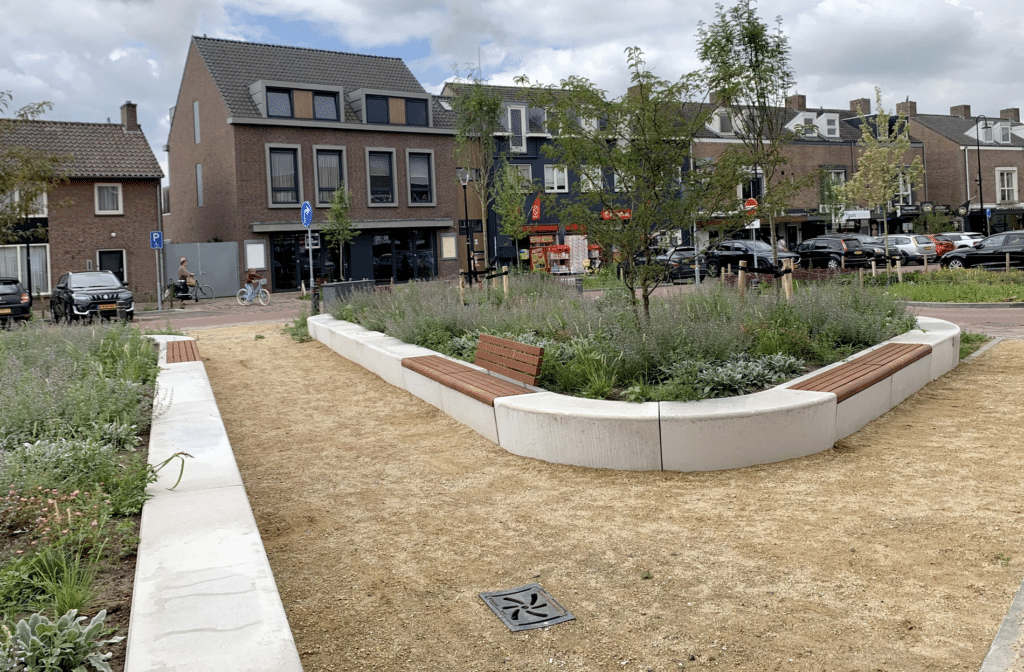
With the growing focus on climate adaptation, stricter water quality requirements, and sustainable urban design, infiltration is becoming an increasingly prominent topic. This is not just about the technology underground, but also—and just as importantly—about what happens above ground and what is visible.
According to Jack Theunissen, R&D Manager for Integrated Water Management at TBS-SVA Group, that is the key to well-functioning systems. “By combining technical solutions with visibility and communication in the urban landscape, a cohesive system emerges in which technology, management, and awareness reinforce one another.” TBS-SVA Group contributes to this with robust solutions for buffering and infiltration, serving as the foundation for a future-proof water system, while also focusing on awareness and recognition as an indispensable link.
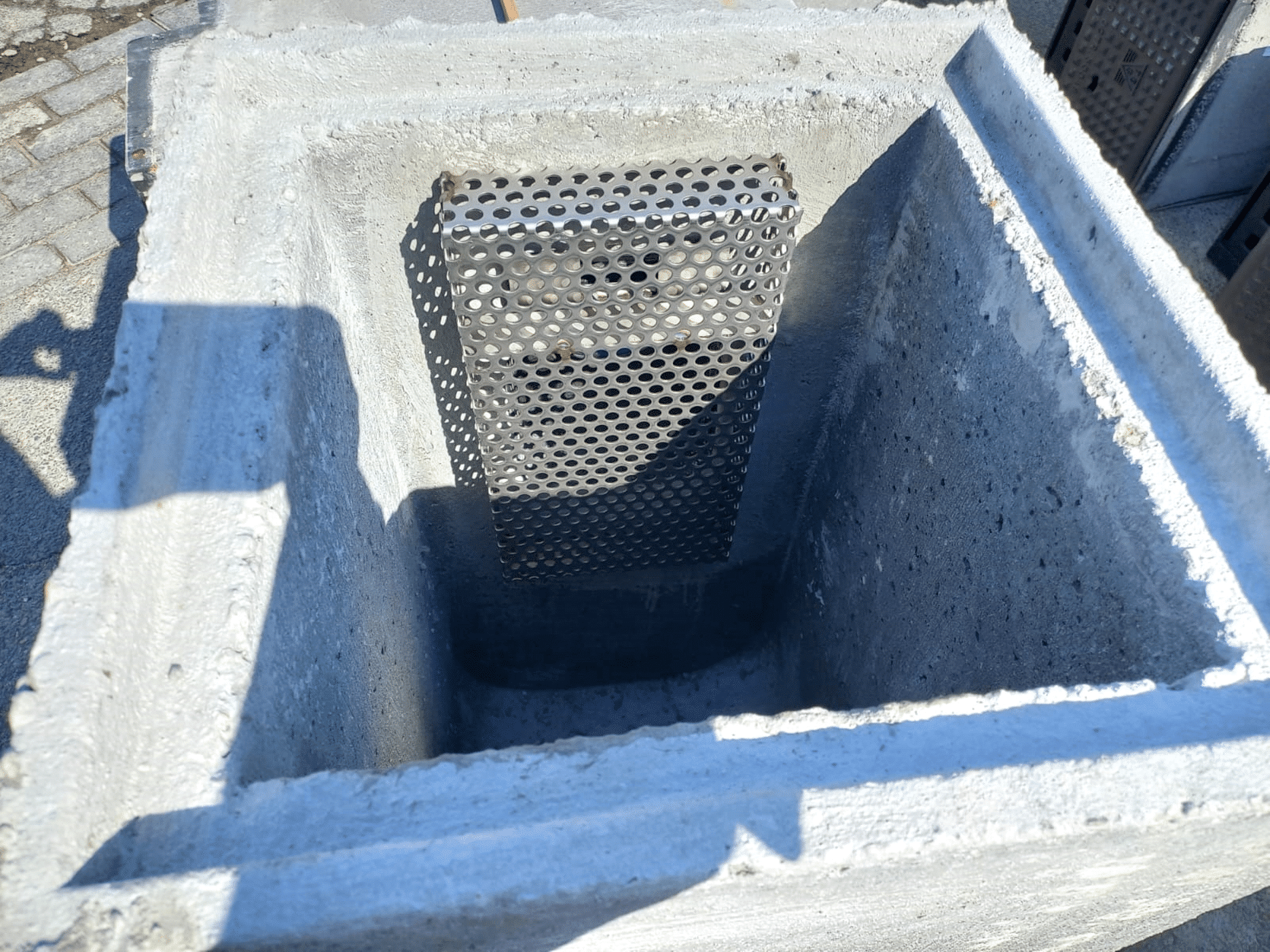
For years, municipalities have been focusing on diverting stormwater and infiltrating or storing it locally. This is done using storm drains equipped with a fan-shaped cover, which are connected to infiltration systems, wadis, or surface water bodies. In practice, however, these systems regularly become clogged—for example, with laundry water, cigarette butts, and other debris—which directly affects water quality, system performance, and service life.
According to Theunissen, effective infiltration therefore begins at street level, and the storm drain plays a major role in this process as the first filter. “A large portion of the pollution is retained here, preventing contaminants from entering the subsurface or surface water. Well-designed storm drains and supplementary facilities are crucial in this regard. That’s where we make a difference.”
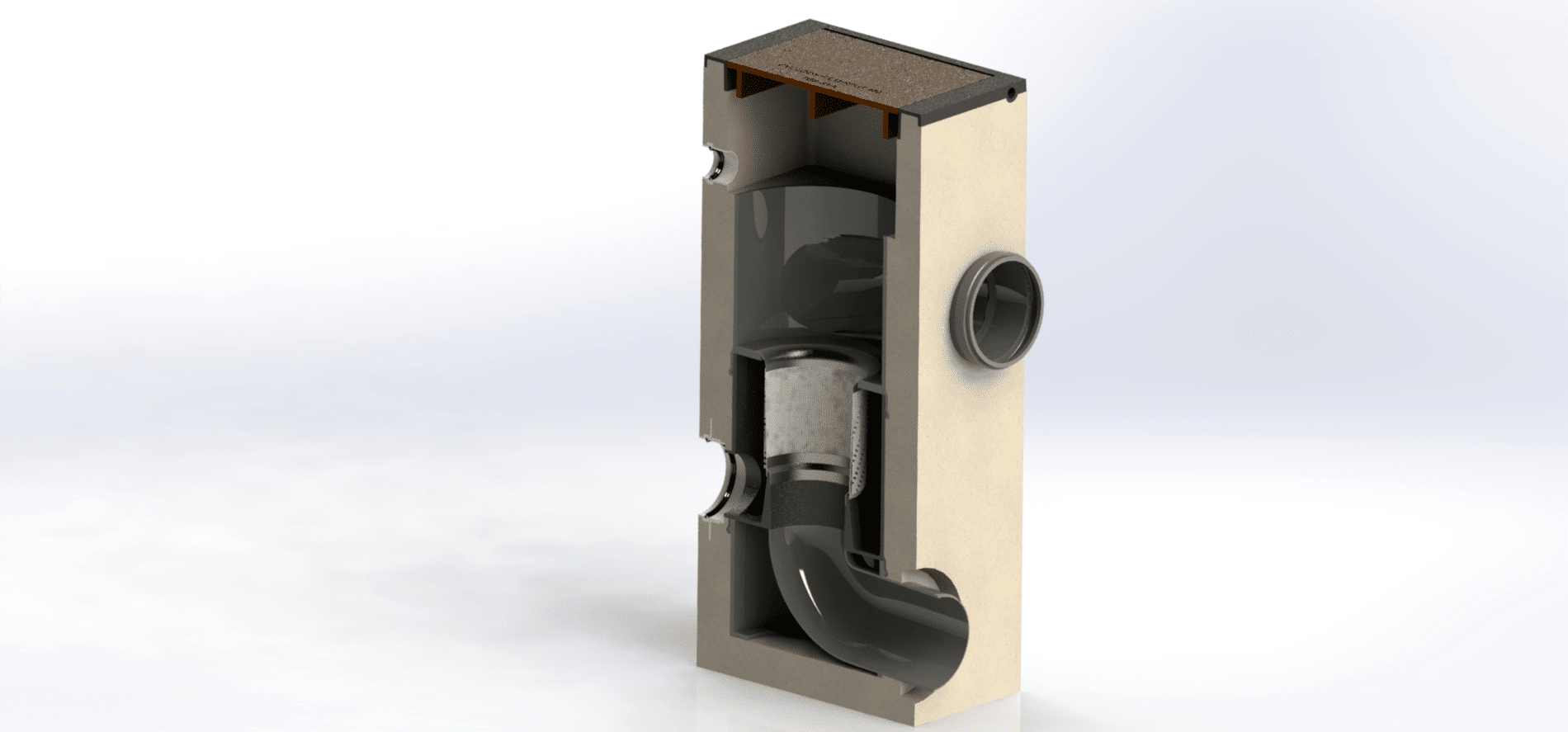
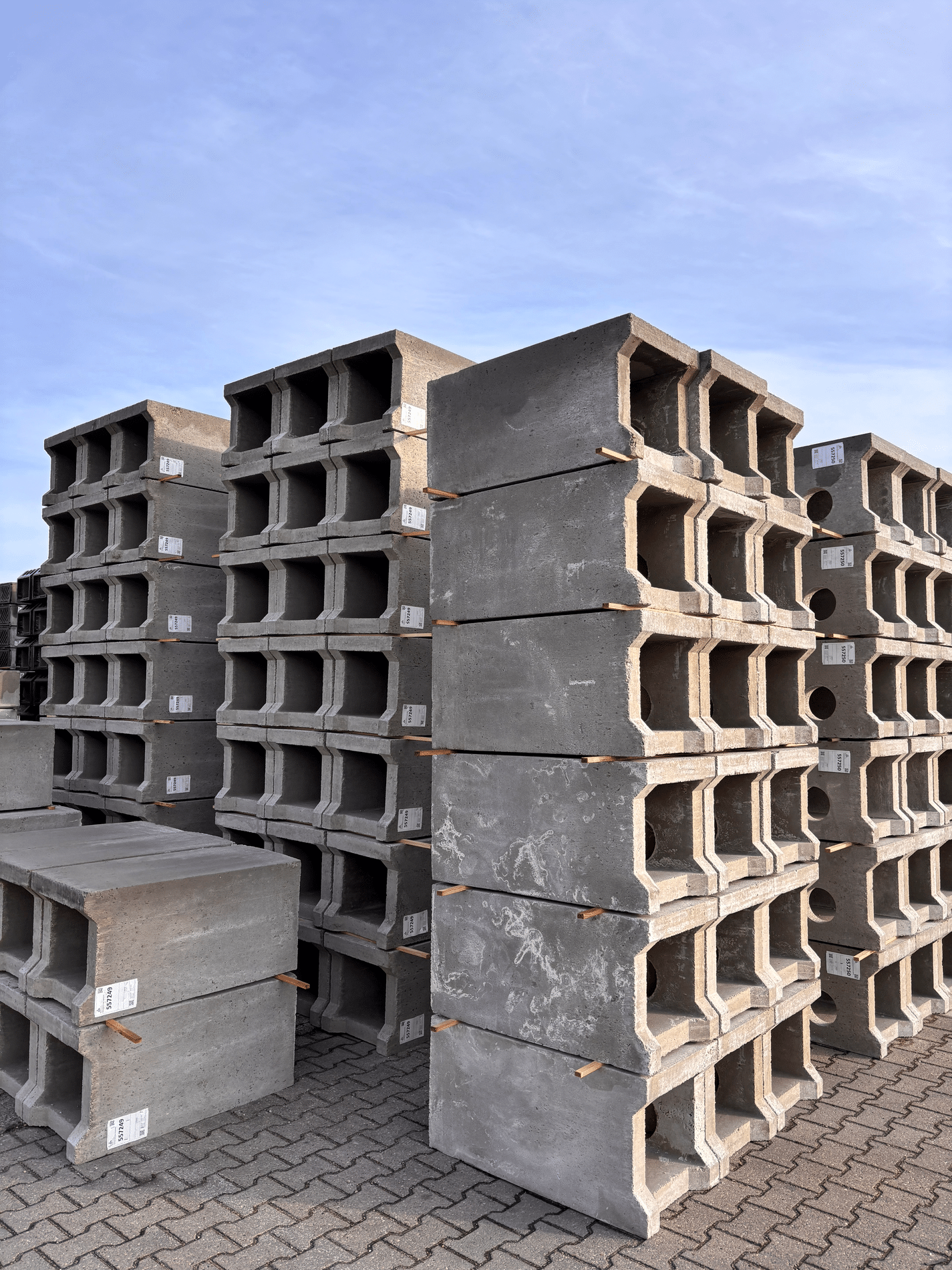
According to Theunissen, infiltration should be viewed as a single chain: from the moment rainwater falls on the street until it infiltrates the soil and becomes part of the broader water system. “If you skip a link, you compromise performance, lifespan, and water quality.”
To achieve this coherence in practice, the TBS-SVA Group develops and combines various solutions. Infiltration basins can be installed directly beneath the catch basin, while buffer pits with infiltration zones provide temporary storage and delayed discharge. Additional features, such as filters and sedimentation solutions, capture pollutants early in the system. This helps infiltration systems function more effectively over the long term, in accordance with, among other things, the Water Framework Directive.
An important part of that systems thinking lies above ground: recognition and awareness. Because no matter how technically sound a system is, it still depends on how it is managed. “Many people simply don’t know what’s happening beneath their feet,” says Theunissen. “A drain is seen as a sewer, whereas it’s an essential part of water management.”
To raise awareness, there is an increasing focus on making these features recognizable in the urban landscape. The fan-shaped cover already indicates that it is a rainwater drainage system, but not everyone is aware of that. That is why, in collaboration with the City of Apeldoorn and the RIONED Foundation, the “Blue Drop” symbol was developed. This symbol makes it clear that the water is clean rainwater and helps users utilize the facilities correctly. “It may be just a small step,” says Theunissen, “but it’s an important one. A drop in the bucket, but you have to start somewhere.”
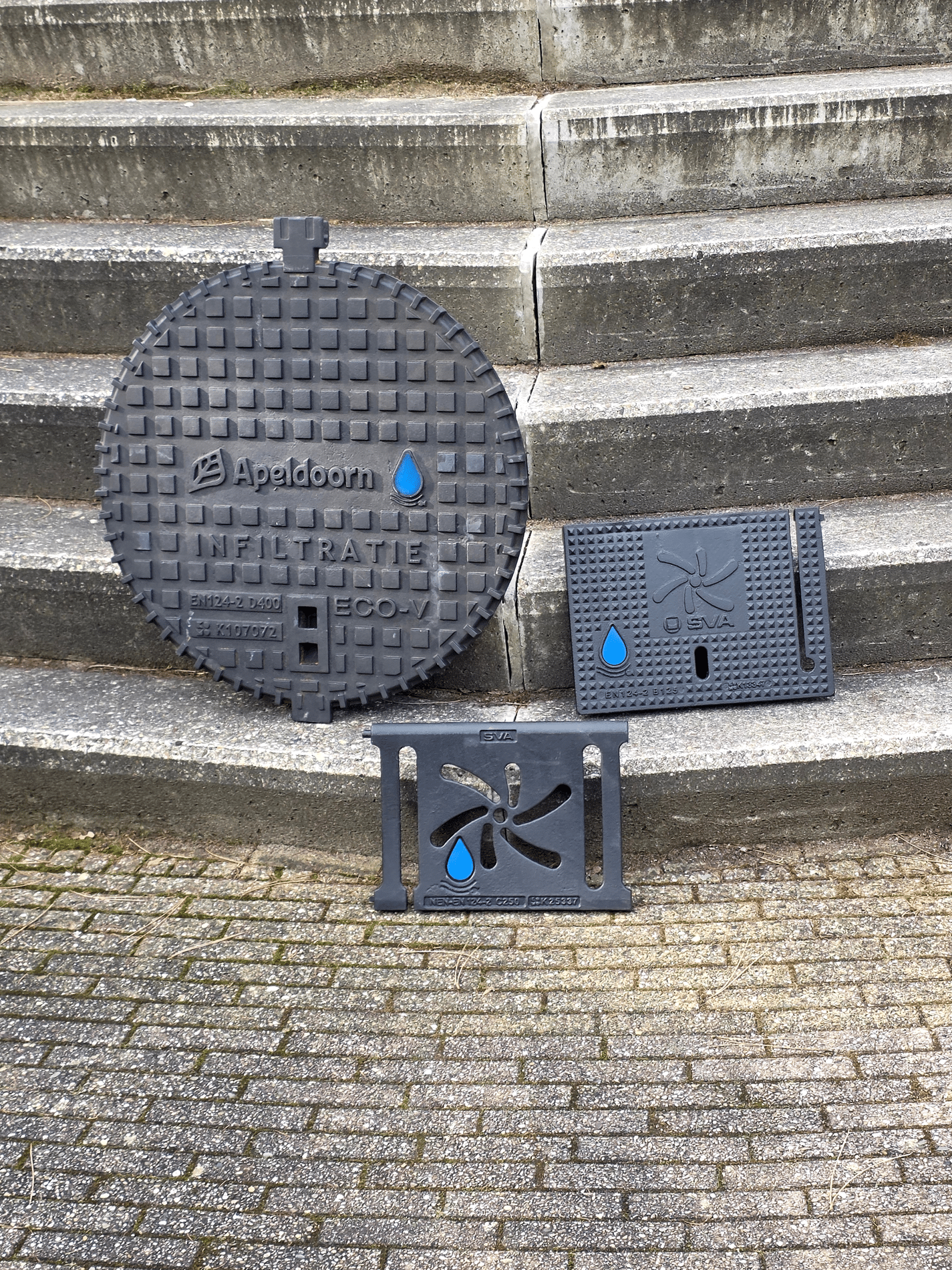
According to Theunissen, the challenge for the coming years lies in connecting all the links within urban water management. “Technology, design, management, and behavior must come together. The problem is too complex to be solved from a single perspective. Infiltration only works really well if you take an integrated approach,” says Theunissen, concluding: “Only when all the links fit together will a system continue to function as intended.”
Neem dan rechtstreeks contact op met TBS-SVA GROUP.
 Contact opnemen
Market leader in drainage solutions A wide range of drainage products for EVERY project Within the GWW infrastructure, as market leader in the Netherlands, we are the advisor for drainage issues. Innovation, sustainability and safety form the basis of our policy and product range. Our range is distinguished by a wide choice in both point and line drainage and all types of access systems such [...]
Bekijk Bedrijfsprofiel