Platform on civil engineering, underground infrastructure, energy, construction equipment & construction machinery

Klosterneuburg and Korneuburg are two Lower Austrian municipalities located directly opposite each other on the banks of the Danube. By means of a microtunnel under the riverbed, the supply systems of the two municipalities of Klosterneuburg and Korneuburg were connected. EVN has invested about 10 million euros in the Danube tunneling and construction of the pipelines for drinking water, natural heat, Internet, electricity and gas. This should improve security of supply in the region and further promote the expansion of renewable energy supplies.

To connect the gas, water and district heating pipes of the two municipalities, EVN commissioned the construction of a 460-meter-long microtunnel with a two-meter diameter under the Danube River. The tunnel, which was built by pipe jacking, contains the steel high-pressure natural gas branch Korneuburg-Klosterneuburg and two AGRULINE drinking water pipes made of the high-quality plastic PE 100-RC in the dimensions da 560 mm SDR 11 for an operating pressure of up to 16 bar. AGRU Kunststofftechnik GmbH supplied a total of more than 1,000 meters of PE 100-RC pipes including fittings. As a precaution, two district heating pipes and a spare high-pressure gas pipe made of steel, as well as 16 cable protection pipes made of plastic for electricity and optical fibers, were also installed in the Danube tunnel. AGRU Kunststofftechnik GmbH supplied a total of 2,880 meters of PE 100-RC pipe and fittings in diameter 160 mm SDR 21 for the cable protection pipes.

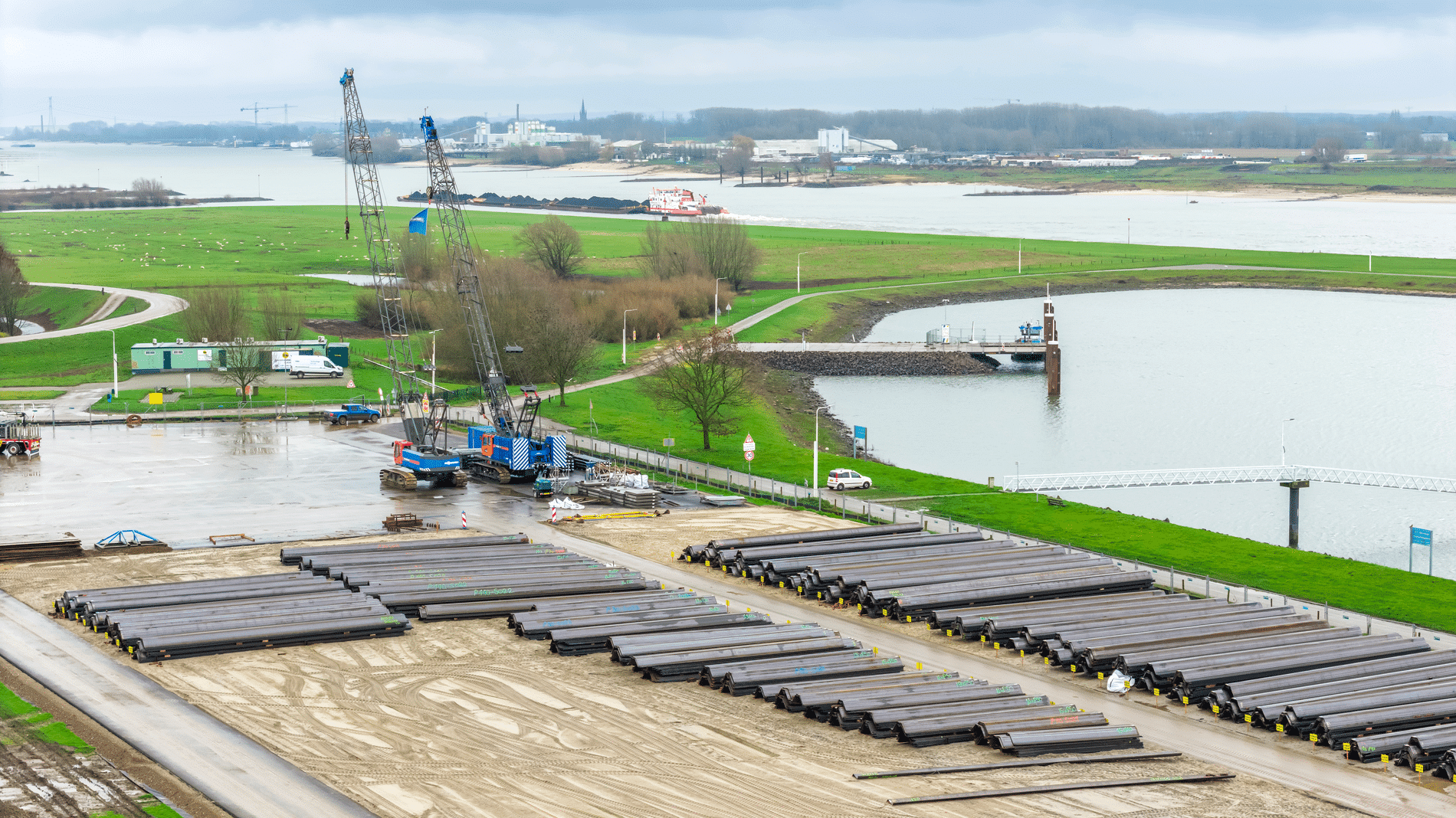
The 460-meter-long Danube culvert begins on the Klosterneuburg side at the northern edge of the Rollfährensiedlung and ends on the Korneuburg side in Tuttendörfl. It was drilled using the pipe jacking method with a 40-ton drill head and lined with concrete pipes. The tunnel route is not straight, but runs in a radius of 1,600 meters. This "banana shape" results in different cover heights up to the Danube bed of about 5 meters in the riparian zone and up to 11 meters in the middle of the Danube. Thanks to the trenchless construction method, the Danube could be crossed safely and the concrete pipe with an inner diameter of 2 meters could be laid efficiently. The pipes for potable water, natural heat and internet were welded, moved into position on a carriage construction and pulled into the tunnel tube via a rail system. AGRU supplied 18 meters of extra-long PE 100-RC pipe rods in diameter 560 mm, significantly reducing welding work. Mechanically manufactured heating coil sleeves were used in the connecting zones.

The tunnel was then sealed at both ends, filled with water and the pipes checked for any defects. "After the inspection was completed positively, the tunnel was filled with a concrete suspension and sealed permanently and maintenance-free," explains EVN company spokesman Stefan Zach.
On the Korneuburg side, pipelines were laid from the site of the EVN power plant and from a well field to just before the bank of the Danube, and the necessary tunneling work was carried out under the railroad line and the A22. The Korneuburg thermal power plant was supplemented in 2015 by an EVN biomass heating plant. It converts forest chips from the region into sustainably produced and environmentally friendly heat. This is also a reason for the construction of the feeder tunnel. EVN spokesman Stefan Zach: "The biomass plants on both sides of the Danube can fill in for the other plant at any time in case of a breakdown or overhaul. Since we also have large wells and springs on both sides of the Danube, the tunnel makes it possible to connect the drinking water reserves. This can be essential in case of a failure in the well field. Especially in difficult times like these, it shows how important regional supply security is."