Platform on civil engineering, underground infrastructure, energy, construction equipment & construction machinery
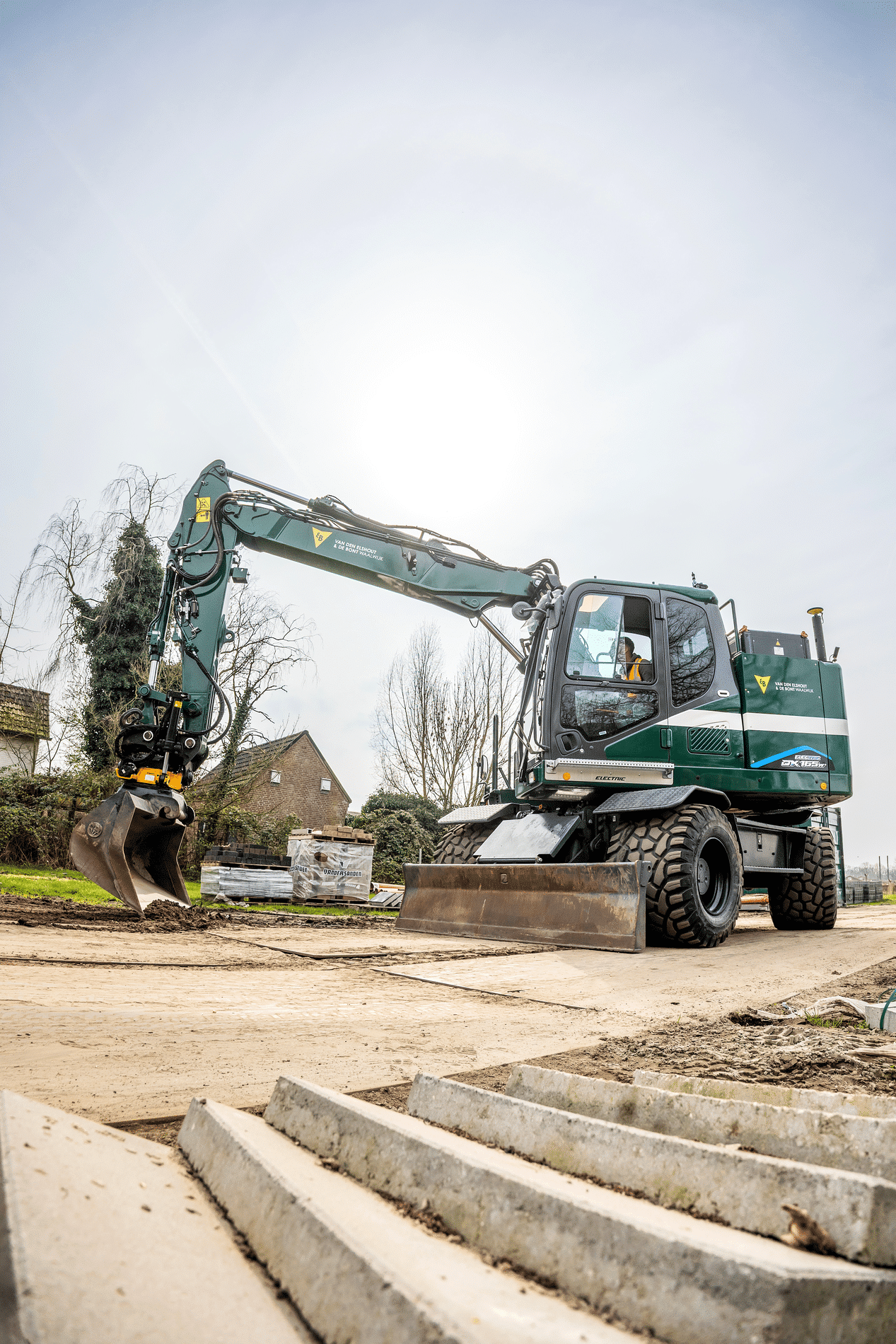
Anyone who talks to Erwin Muijs about his company quickly realizes that it’s not about machines or projects, but about people. Elshout & De Bont, a contracting firm based in Waalwijk, is celebrating its 85th anniversary this year and is still characterized by long-term employment and a strong family culture. At the same time, the company operates in the midst of a rapidly changing industry, driven in part by the rise of zero-emission equipment.
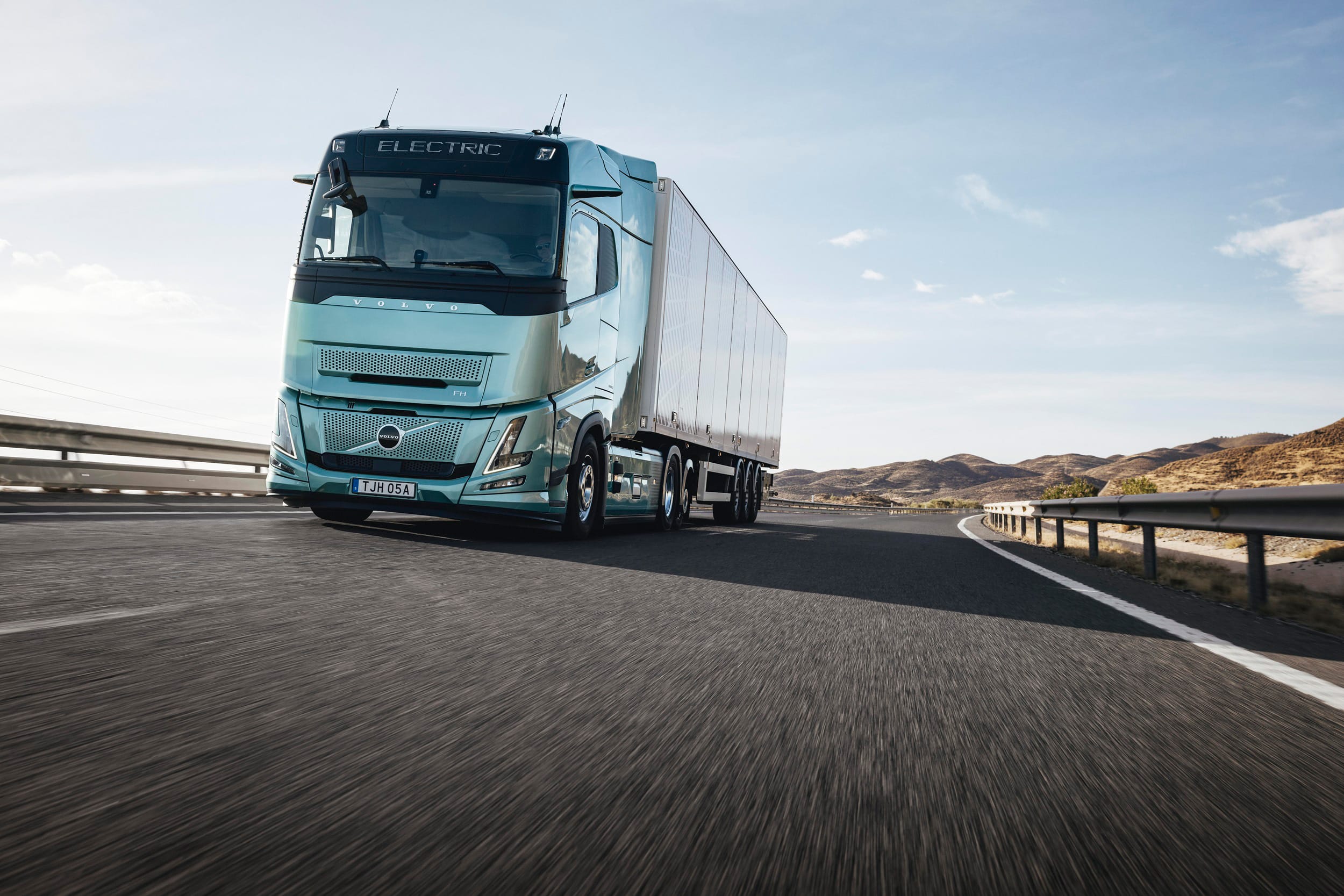
Two weeks to go until the truck toll is introduced. Starting July 1, 2026, the truck toll will take effect in the Netherlands: you’ll then pay per kilometer driven, at a rate that depends on weight and CO₂ emissions. Make sure every truck has a working toll device in time, and read this special report to find out what this means in practice and what steps […]
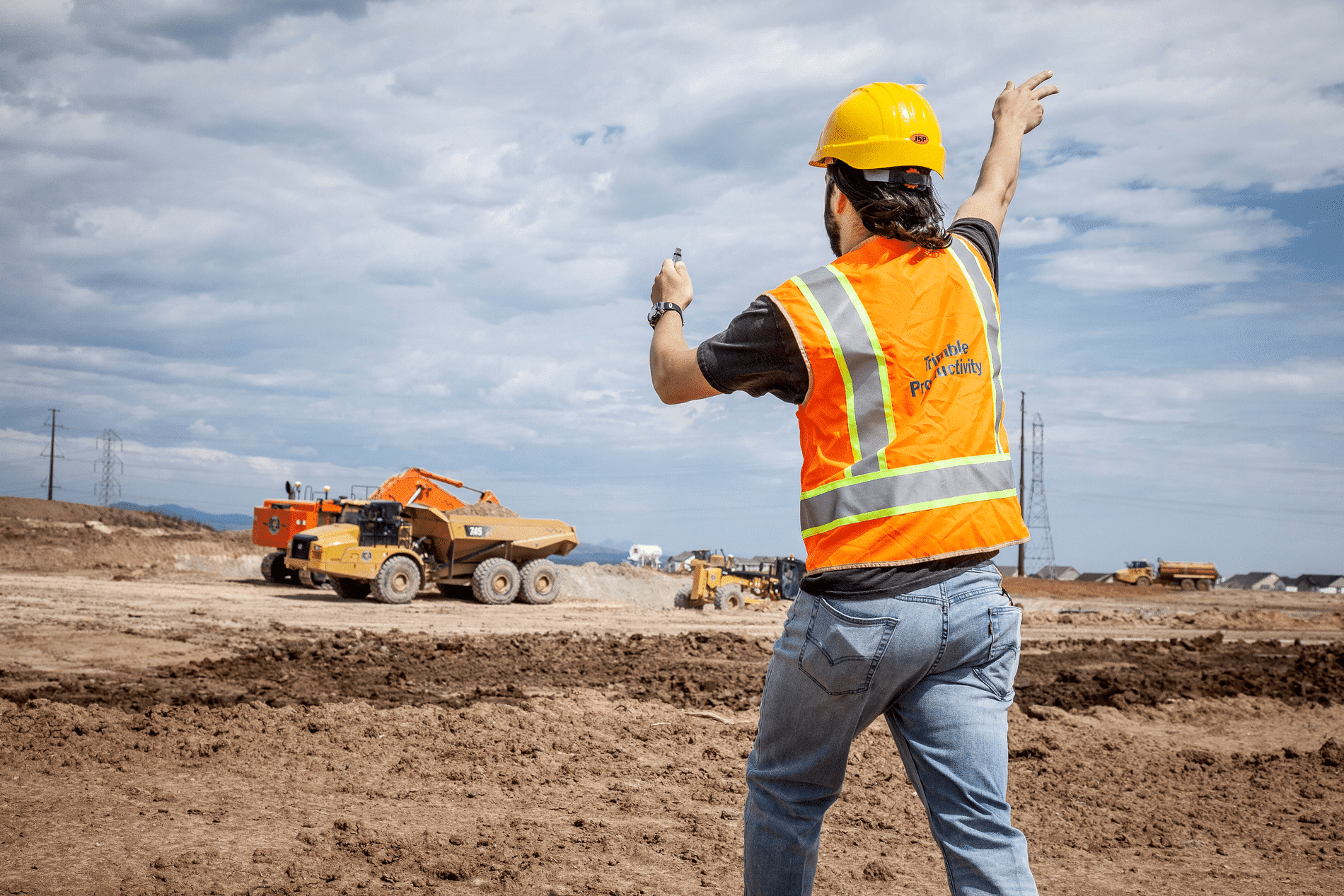
The promise of BIM on the construction site has sounded convincing for years. One model, one truth, everyone working with the same information. In practice, however, that promise often gets bogged down in scattered files, USB drives, and differences in interpretation between the office and the field. According to Jeroen Agterberg and Willem Graaumans of SITECH, things can be different. Much different.

Find them in our company index