Platform on civil engineering, underground infrastructure, energy, construction equipment & construction machinery
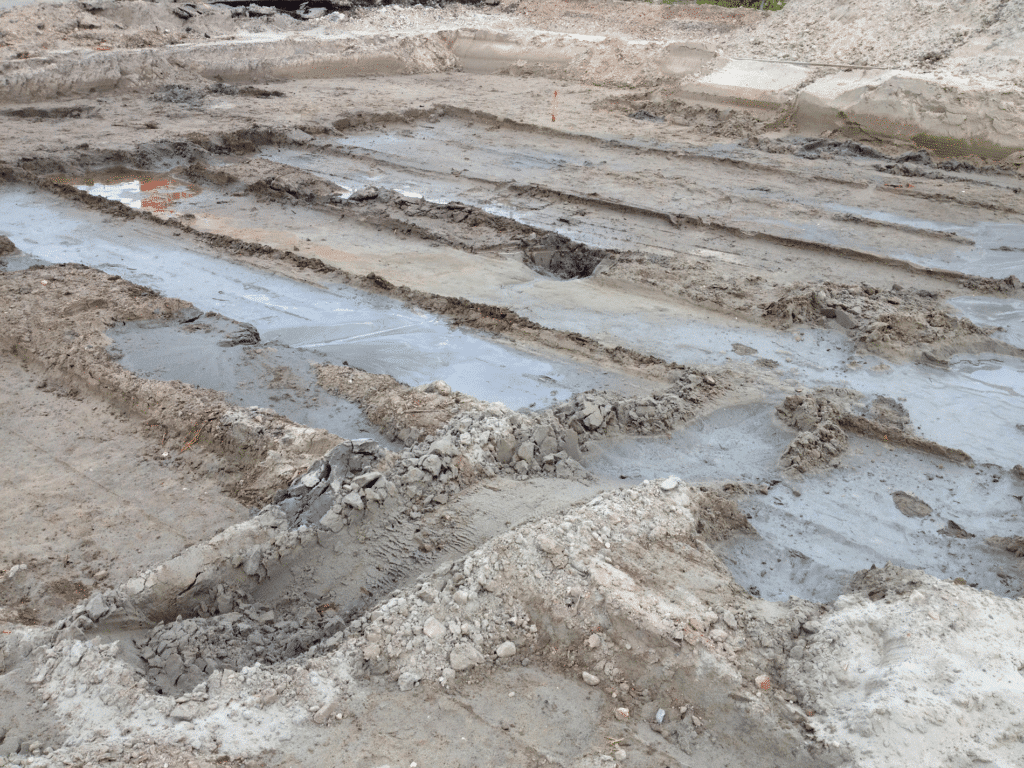
In many construction projects, important choices are made early on in the work preparation process. Which machines are used, which type of foundation is chosen and how the construction process is set up. In practice, however, we regularly see that these choices are insufficiently geared to the actual bearing capacity of the subsoil. This does not seem to be a problem on paper, but in execution it often leads to extra costs, delays and, in some cases, unsafe situations. So says Pieter Bakker, operations manager at Aboma Inspections. He advocates paying more attention to the bearing capacity of the construction site in the work preparation.
As an independent specialist in construction site investigations, Aboma's experts carry out investigations to determine the bearing capacity of the subsoil. “By carrying out soil borings and measurements with the penetrologger on location, we use a calculation program in combination with the probes obtained from the client to assess whether the subsoil has sufficient bearing capacity for the equipment to be deployed,” explains Bakker. “What we regularly encounter is that choices in the work preparation are insufficiently geared to the actual subsoil.”
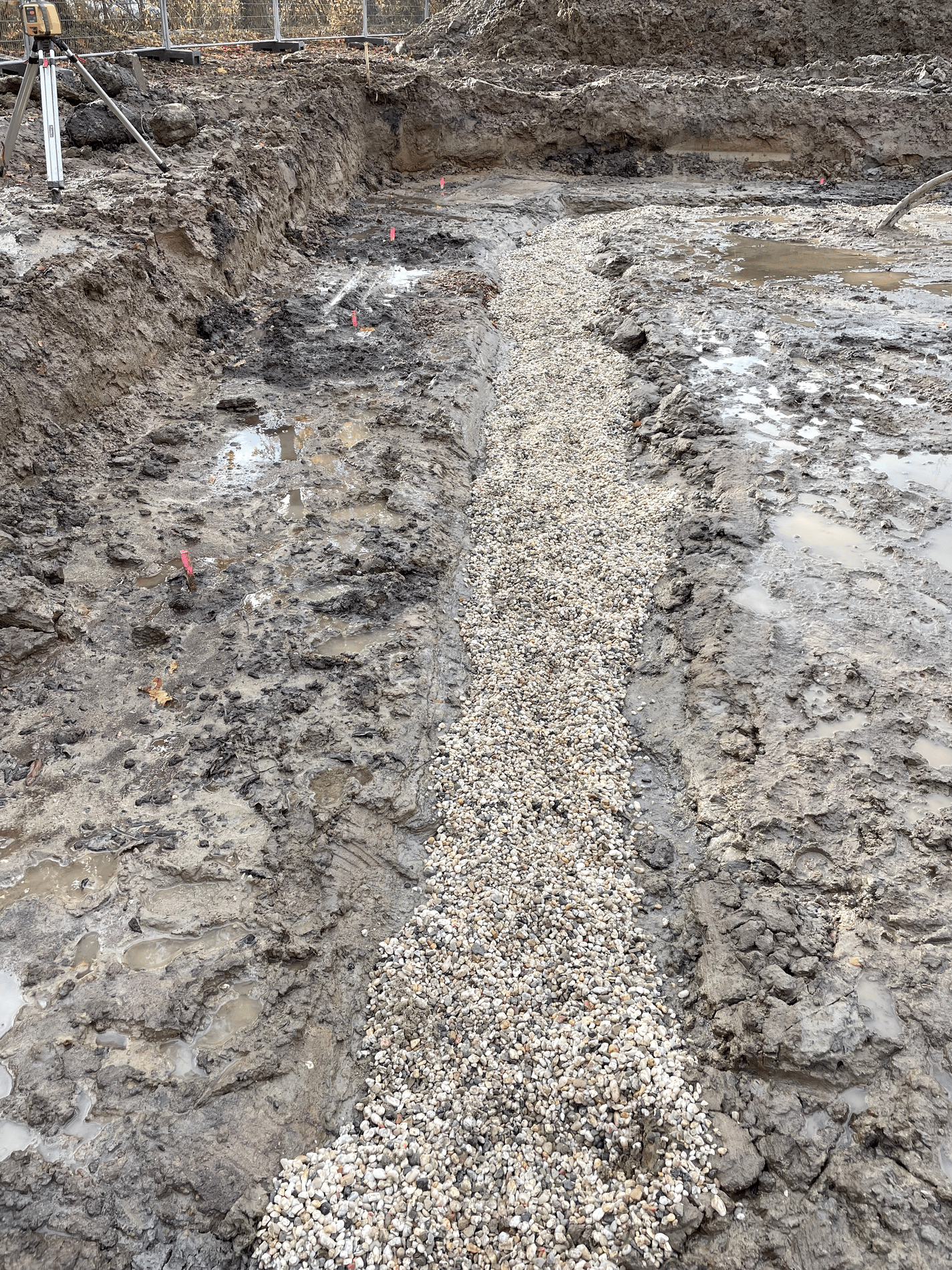
A common example is the construction pit. Bakker: “To get to the right level for the pile heads, the construction pit is excavated. This often involves removing just the most load-bearing part of the subsoil. When we investigate later, it turns out that soil has to be brought back in to create sufficient bearing capacity. The result: double work and unnecessary extra costs. This kind of situation could have been avoided. On the basis of existing soundings, we can see at an early stage what the subsoil will allow. By including this in the work preparation, a better coordination of the type of equipment and the foundation technique to be applied with regard to the bearing capacity is possible. The question is always: what is technically the best solution and financially feasible? Now too often we see that this only comes up for discussion when the construction plan is already fixed and we come for the assessment.”
The same applies to lifting plans, according to Bakker. “This often only considers the required load capacity during lifting of the freely suspended load. But when the load is dropped, the center of gravity changes and in some cases the load under the tracks or outriggers becomes higher. That aspect is by no means always taken into account. Moreover, lifting plans regularly use soundings that are 10 years old. It is not checked whether the situation at the site still matches the probing that was carried out. For example, the soil may have been disturbed and/or the groundwater level may have changed. On top of that, important documents often remain in a folder in the construction shed. The operator, who has to deal with the risks on a daily basis, does not always get to see them. He may not set up his machine as prescribed in the lifting plan. Then when it sinks, the question is asked: how could this happen?”
This is about safety, Bakker rightly states. “Incidents are fortunately rare, but when things go wrong, the consequences are significant. A more applicable machine, a different construction method or an adjusted schedule can sometimes be a safer solution. Our call is clear: think carefully about the possibilities from the existing soundings, research in advance what minimum bearing capacity is required for the work to be carried out before the earthwork takes place in the construction pit. Make sure that choices in the work preparation are based on current and realistic data and also share this information with the people who have to work with it. Only then does the preliminary work really become the basis for safe and efficient execution.”