Platform on civil engineering, underground infrastructure, energy, construction equipment & construction machinery
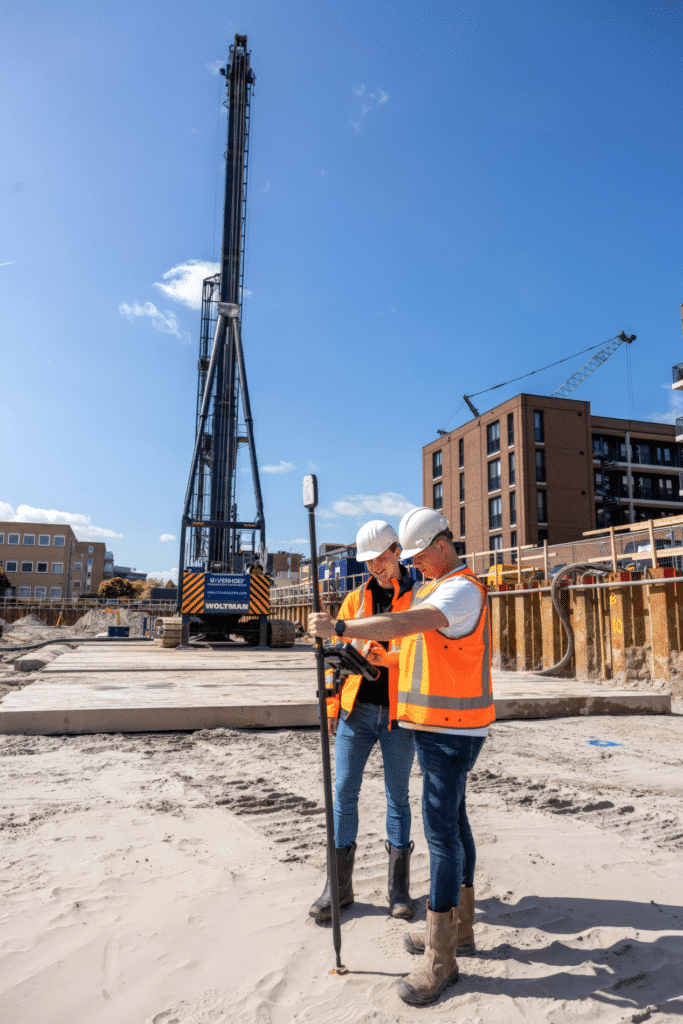
The Netherlands is an international leader when it comes to registering and managing underground infrastructure. The Kadaster’s KLIC is recognized worldwide as a model of how standardization and digitization can contribute to safe and efficient underground operations. But with the enormous challenges posed by the energy transition, the next step is essential. With ‘Registration at the Trench,’ Sogelink Nederland is already preparing for this.
The energy transition calls for an unprecedented expansion of the Dutch infrastructure. New and upgraded power grids must be built faster than ever before. Yet one key success factor is often overlooked: digitization. “The biggest challenges aren’t just staff shortages, permits, or material availability. Inefficient data flows and manual processes also cause delays,” says Victor van Baal, Managing Director of Sogelink Netherlands. “Without good software and standardized data exchange, you simply cannot scale up.”
For this reason, Sogelink Nederland is introducing the new ‘Registration at the Trench’ solution. The software builds on the company’s successful Klic App and makes it possible to digitally record main utility networks during project implementation. “The solution aligns with the development of the NLCS++ standard, which ensures uniform data exchange between network operators, contractors, and other stakeholders,” explains Peter van Dijk, Head of Product at Sogelink Netherlands. “Designs are digitally transferred to the job site, after which field crews can immediately process changes and submit them as revision data.”
This creates what is known as a ‘closed-loop’ approach: what is built outdoors is processed digitally almost immediately and fed back to the grid operator and the Land Registry. As a result, new infrastructure becomes available more quickly in the registration systems and for future KLIC notifications.
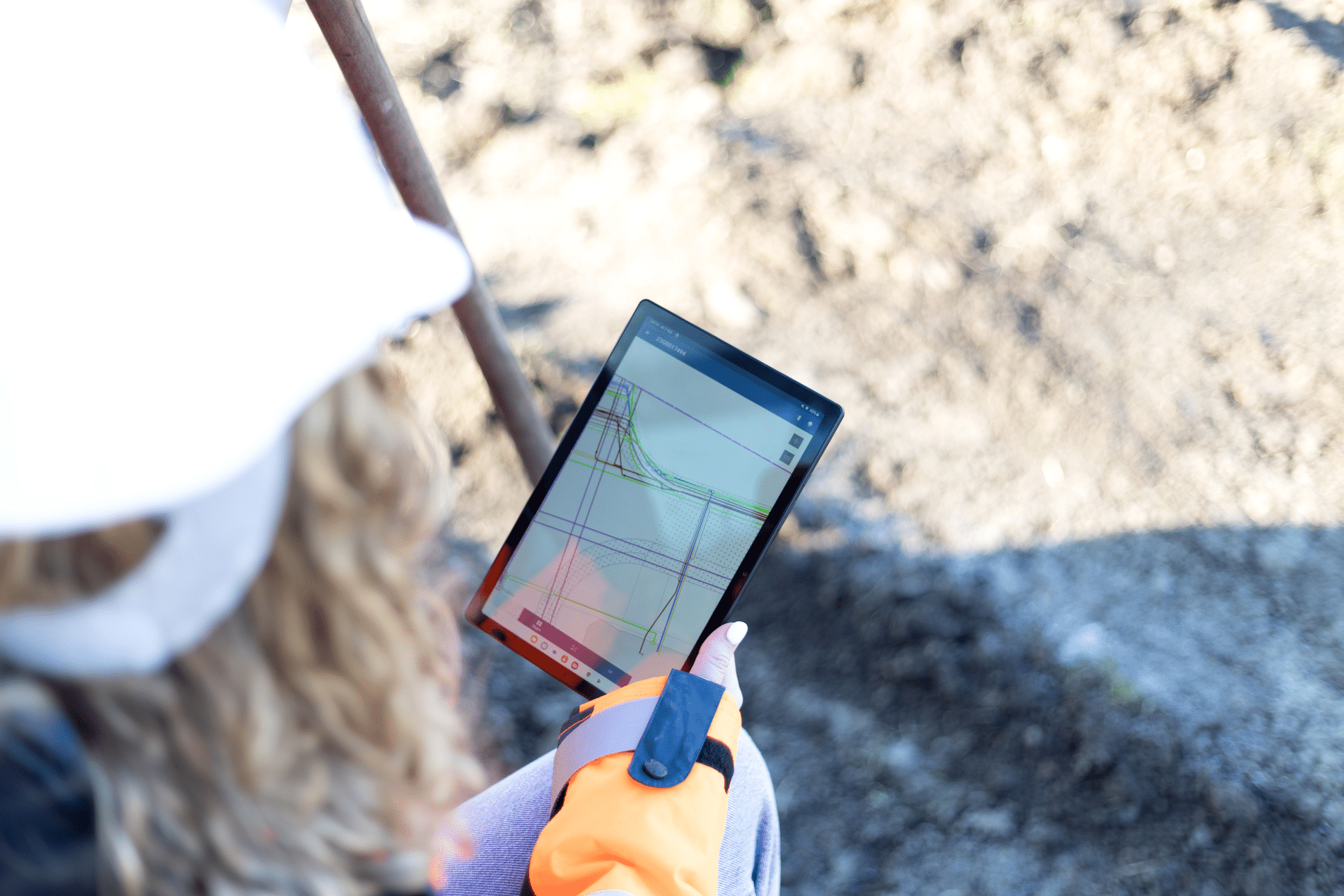
According to Victor, the new application offers significant advantages. “Whereas surveyors were often needed in the past to measure completed infrastructure after the fact, contractors can now record this information directly while they work. This saves time, prevents data transfer errors, and speeds up administrative processing.”
This is important for contractors. Demand for work is enormous, while labor remains scarce. The challenge, therefore, is not only to take on more work, but above all to work smarter.
Sogelink has one guiding principle in this regard: technology must remain simple. “After all, the people in the field are busy building infrastructure, not dealing with complex software,” Peter emphasizes. “That’s why ‘Registration at the Trench’ has been integrated into the existing Klic App Pro, which is already widely used within the sector.”.
The first pilot projects will launch this year in collaboration with contractors and utility operators. At the same time, Sogelink is already looking further ahead. “The roadmap includes applications such as augmented reality, which allows users to make cables and pipes visible in the camera view of a smartphone or tablet,” says Peter. “We’re also working on applications using LiDAR scanning and point clouds, which will make it even easier and more accurate to map infrastructure in the future.”
In addition, more and more data sources are being integrated, such as information on archaeology, explosives, soil quality, and tree roots. In this way, the Klic App Pro is gradually evolving into a central platform for all relevant information related to underground projects.
Victor concluded: “To truly accelerate the energy transition, it takes more than just people and materials. Smart, stable software solutions and further standardization of the supply chain are just as important. Only then can the sector successfully meet this enormous societal challenge.”
Neem dan rechtstreeks contact op met Sogelink Netherlands.
 Contact opnemen
Sogelink (formerly GOconnectIT and Geodan) is the Dutch market and knowledge leader in the field of geo-ICT. With 250 professionals in the Netherlands, we have nearly 40 years of knowledge and practical experience in the fields of location data, GIS, and cables and pipelines. Through our products and services, we are committed to a safer, smarter, and […]
Bekijk Bedrijfsprofiel