Platform on civil engineering, underground infrastructure, energy, construction equipment & construction machinery
Cast iron has been used for centuries and recycled for just as long. According to Saint Gobain PAM, too little attention is still being paid to how this circularity is actually organized in practice. “It has almost become a given,” says Marloes Meer, director of Saint-Gobain PAM Netherlands. “But especially within critical infrastructure, we must continue to explain why the choice of materials really makes a difference.”
At Saint-Gobain PAM, a project ideally begins with a conversation. Not about catalogs or products, but about the question: What exactly does this application require? “For us, a pipe is never just a pipe,” Marloes explains. “A transmission pipeline between cities has different requirements than a water treatment plant or an inner-city replacement project. We prefer to have that discussion as early as possible.”
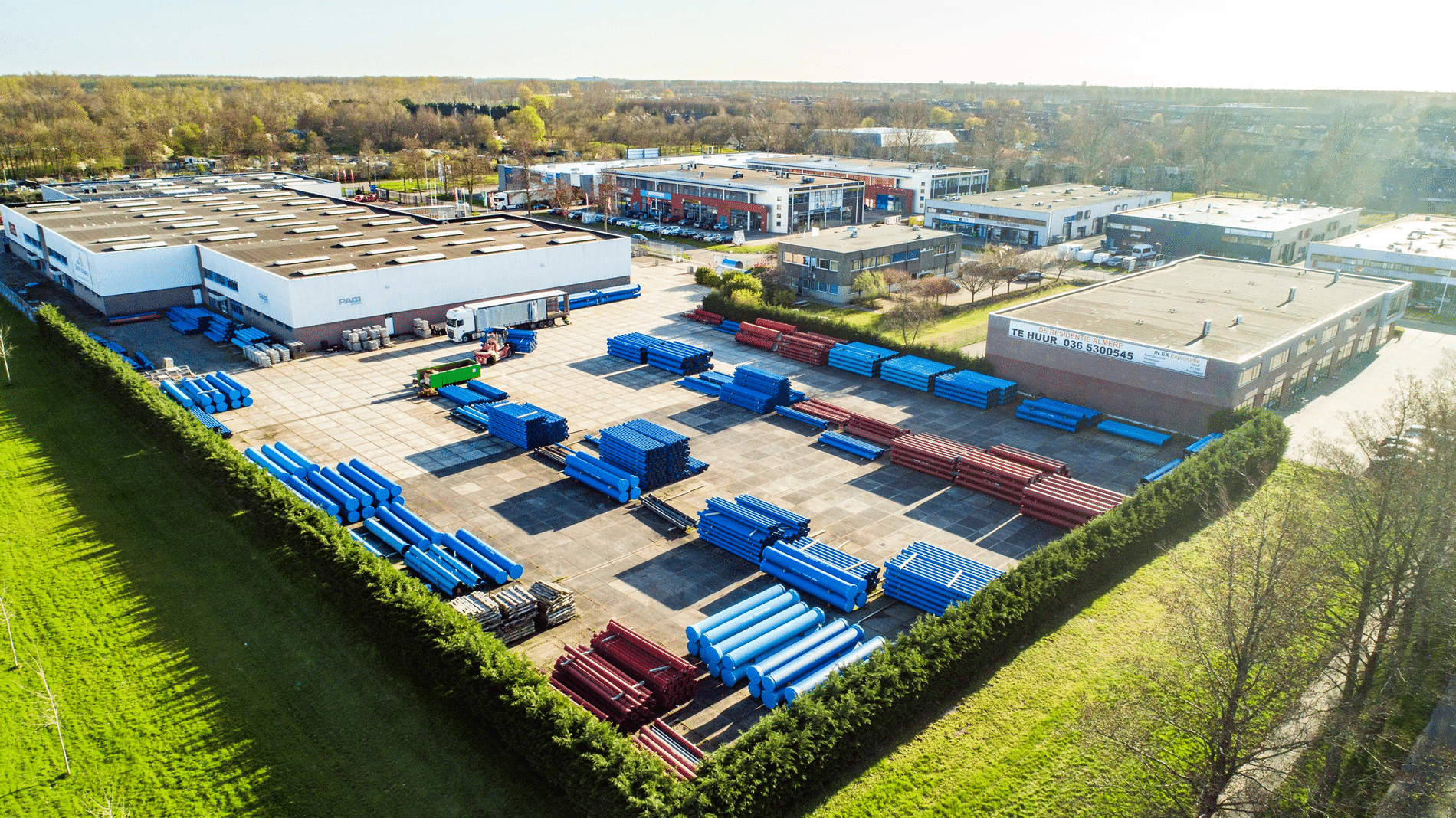
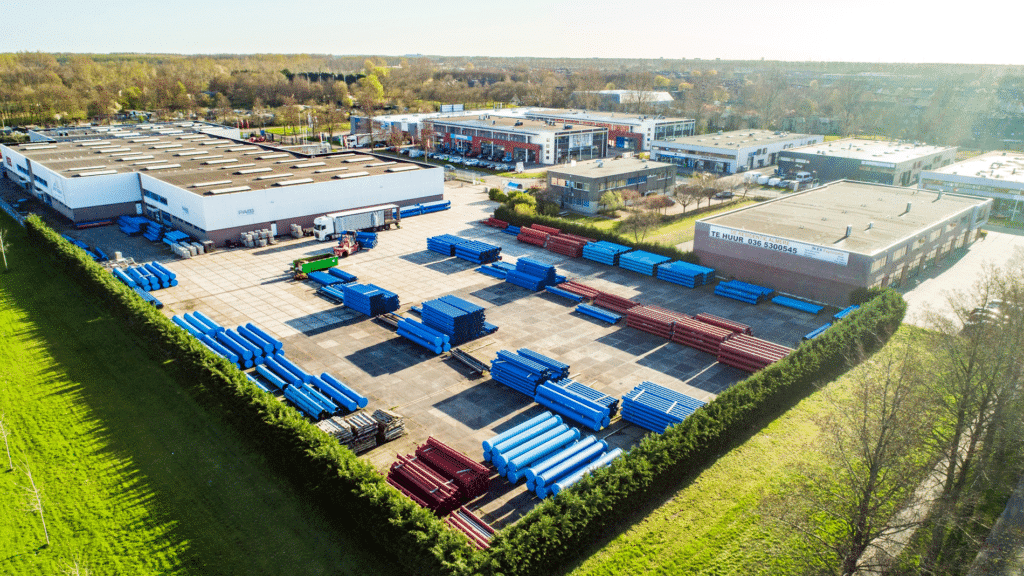
Saint-Gobain PAM has been providing solutions for drinking water and wastewater infrastructure for over a century. In the Netherlands, the company collaborates with all drinking water utilities and water boards, with its Almere location serving as a logistics and commercial hub. The pipes and fittings themselves are manufactured in Europe, within an internationally operating group active in building materials and industrial solutions.
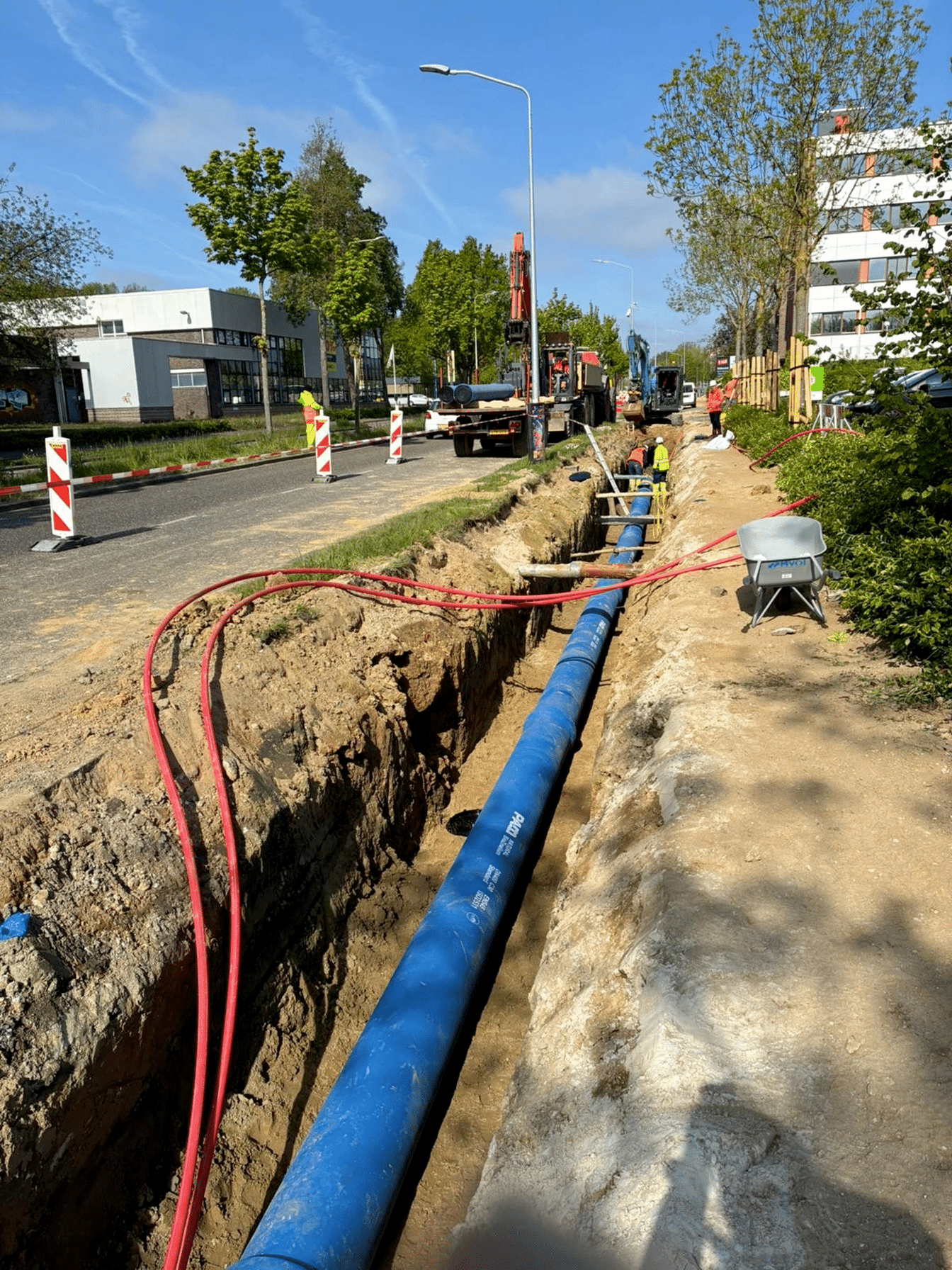
What sets ductile iron apart is its combination of durability and recyclability. “Pipes that remain in the ground for a hundred years or more are the rule rather than the exception,” says Marloes. “And everything that is removed at the end of its service life can be reused.” In cities like Amsterdam, as well as in historic installations such as those in Versailles, old cast iron pipes have been replaced, with the recovered material immediately reentering the production chain. “That clearly demonstrates just how intrinsically circular this material is.”
In recent years, this circularity has also taken on an additional dimension. Within the Saint-Gobain Group’s broader sustainability strategy—which aims for net-zero CO2 emissions by 2050 with validated interim targets for 2030—heavy industry is a key focus area. Although raw materials for iron and steel production remain widely available worldwide, the focus is increasingly shifting toward reducing dependence on energy and mitigating geopolitical risks throughout the entire life cycle. For Saint-Gobain PAM, this translates into concrete investments in electrification, efficiency, and the structural reduction of dependence on primary raw materials and fossil fuels.
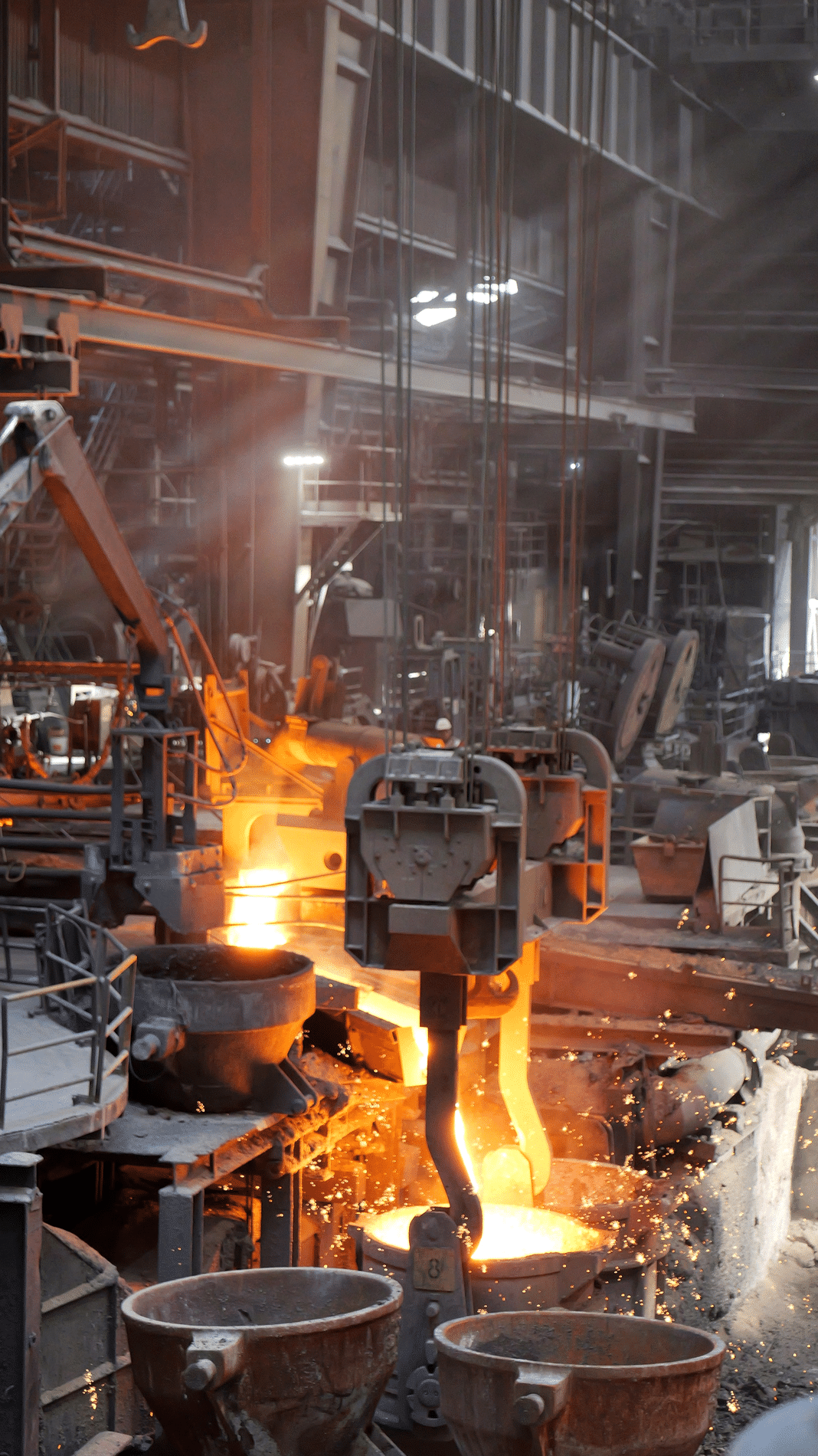
Whereas the focus used to be primarily on what could be recycled, attention is now shifting more and more toward how the material is remanufactured. Traditional furnaces powered by coke and other fossil fuels are gradually being replaced by electric and induction furnaces. In this process, widely available European scrap streams are increasingly being utilized. This not only makes cast iron production significantly lower in emissions but also more flexible in terms of raw material selection.
According to Marloes, this has a direct impact on supply security. “The availability of raw materials isn’t just about global volumes, but above all about manageability. By making greater use of scrap and reducing our dependence on fossil fuels, we minimize risks within the supply chain.” At the same time, the company remains realistic: not all materials—such as specific ferroalloys required for certain material properties—are equally easy to diversify. “That is precisely why we believe transparency is more important than grand promises.”
According to Marloes, clients particularly appreciate Saint-Gobain PAM’s pragmatic approach. “We don’t claim that any single material or technology is the solution for everything. But we do show what works today, what holds promise for tomorrow, and where the limits lie.” This leads to partnerships that go beyond simply supplying products. “Ultimately, it’s all about reliable infrastructure. Pipes disappear from view, but they must function flawlessly for decades. If we can contribute to that with sustainable and well-considered material choices, then we’re doing exactly what we’ve stood for for over a hundred years.”