Platform on civil engineering, underground infrastructure, energy, construction equipment & construction machinery
Drinkwaterplein Brings Water Utilities to the Heart of the Infrastructure Sector
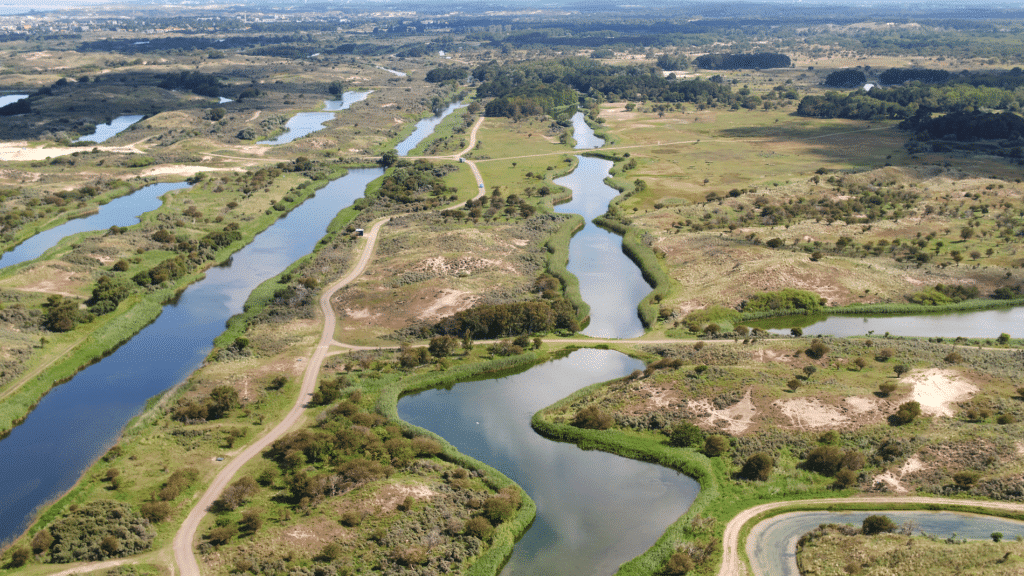
A glass of tap water seems like a given. Behind that simple act, however, lies an extensive infrastructure of springs, wellfields, water treatment plants, pumping stations, reservoirs, and thousands of kilometers of pipes. It’s a system that must operate day and night, but is coming under increasing pressure. Demand is growing, water sources are becoming polluted, aquifers are filling up, and climate change is making the availability of fresh water less predictable.
Against this backdrop, the Dutch drinking water sector will have its own joint meeting place for the first time at InfraTech 2027. Dutch drinking water companies will present themselves collectively at the new Drinking Water Plaza in Hall 3. Waternet, PWN, Vitens, and the industry association Vewin, among others, are working on the program details.
The specific program is still being developed. Nevertheless, the fact that everyone is coming together at Rotterdam Ahoy speaks volumes in itself. The drinking water supply is no longer solely a matter for water technologists and water resource managers. It is increasingly becoming a spatial, infrastructural, and societal challenge.
Companies in the drinking water sector have been participating in InfraTech for some time now. What’s new is that the public drinking water utilities themselves are now presenting a unified front. This means that, alongside the Water Authority Plaza, a second key segment of the water sector will have a prominent presence on the exhibition floor.
This is in line with InfraTech’s expansion. During the previous edition, more than 23,000 visitors came to Rotterdam Ahoy. Contractors, engineering firms, suppliers, municipalities, provinces, water boards, and Rijkswaterstaat all come together there. It is precisely this combination that makes the trade show interesting for drinking water companies. After all, when it comes to expanding and modernizing their infrastructure, they depend on virtually all the parties present at the event.
A new extraction or treatment facility cannot be built without permits, land-use planning procedures, civil engineering design, installation engineering, and construction capacity. A transmission pipeline intersects with roads, rail lines, flood control structures, nature reserves, and urban redevelopment projects. Even a seemingly routine pipeline replacement requires coordination with municipalities, utility network operators, sewer system operators, and nearby residents.
Drinkwaterplein could thus become the physical location where an industry that operates largely underground and behind the scenes seeks to connect with the broader infrastructure market.
The situation is urgent. The ten drinking water utilities collectively produce approximately 1.2 billion cubic meters of drinking water annually. Without additional measures, there is a risk of a shortfall of approximately 102 million cubic meters in production capacity by 2030. All drinking water companies will need additional capacity by then; some are already reaching their limits or will do so in the near future.
To prevent this, the Action Plan for the Availability of Drinking Water Sources 2023–2030 was presented during the previous edition of InfraTech in 2025. The program includes plans for fourteen regions and agreements between drinking water companies, provinces, the national government, municipalities, and water managers. However, implementation is proving to be complex. New sources must be identified and protected, permits must be granted, and production sites, reservoirs, and pipelines must be expanded.
At the same time, drinking water interests compete with housing, agriculture, nature, energy, and economic development. Procedures take a long time to complete, while the construction of new extraction facilities and infrastructure also takes years. The current situation does not mean that there will be no more water coming out of the tap anywhere tomorrow. However, the capacity to cope with growth, dry spells, or incidents will diminish if projects do not get off the ground in a timely manner.
For the civil engineering sector, this capacity challenge translates into a growing stream of design, construction, and renovation projects—not only for pipelines, but also for intake points, wellfields, pumping stations, treatment plants, and storage facilities.
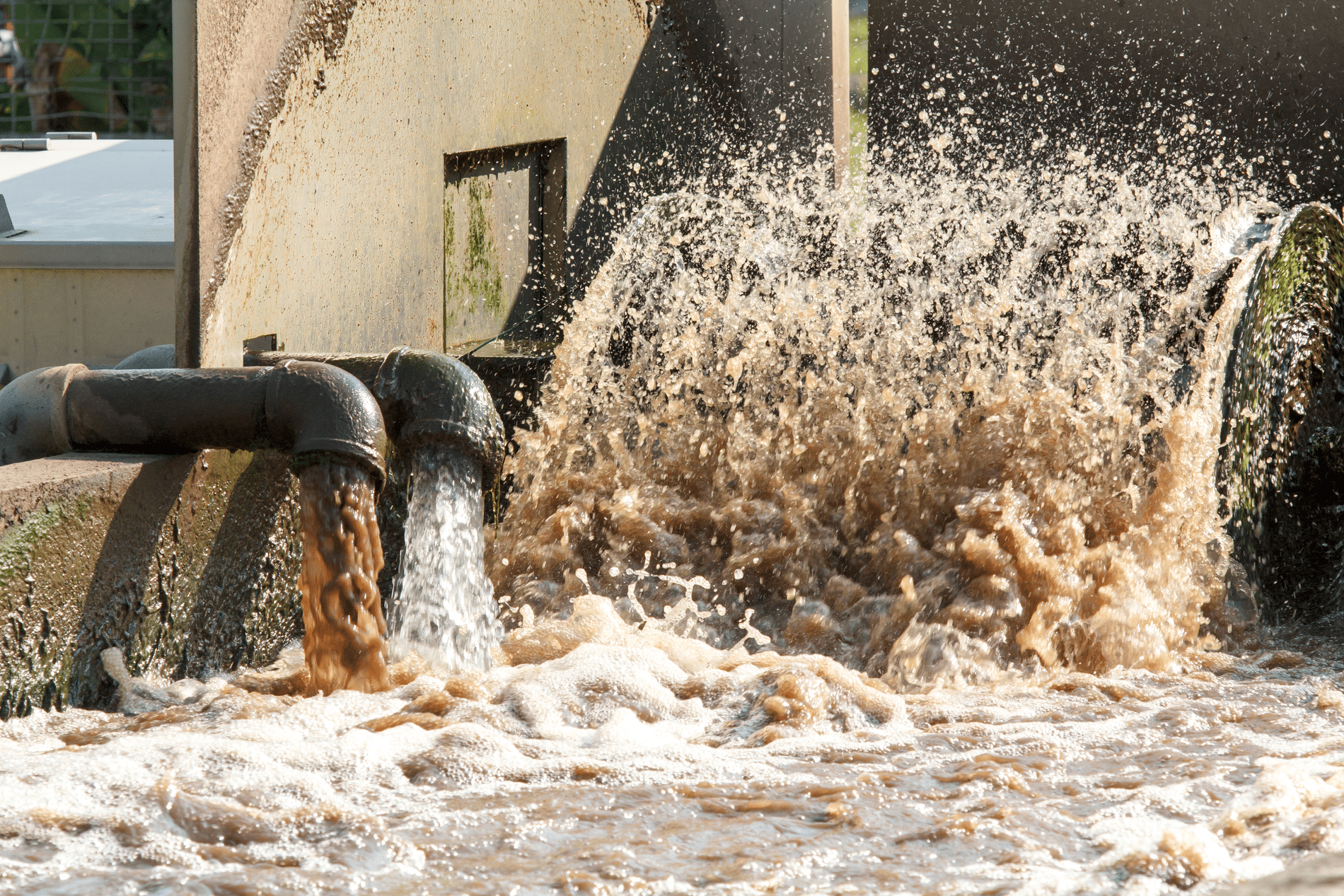
At the same time, the quality of water sources is under pressure. Groundwater and surface water increasingly contain residues of pesticides, fertilizers, medications, PFAS, and other substances that are difficult to break down. The Human Environment and Transport Inspectorate notes that it is becoming increasingly difficult to maintain the high quality of Dutch drinking water.
Climate change exacerbates this problem. During dry periods, there is less river water available to dilute pollutants, and the risk of salinization increases. During hot summers, water temperatures rise, while heavy rainfall can cause sewer overflows and pollution of surface water.
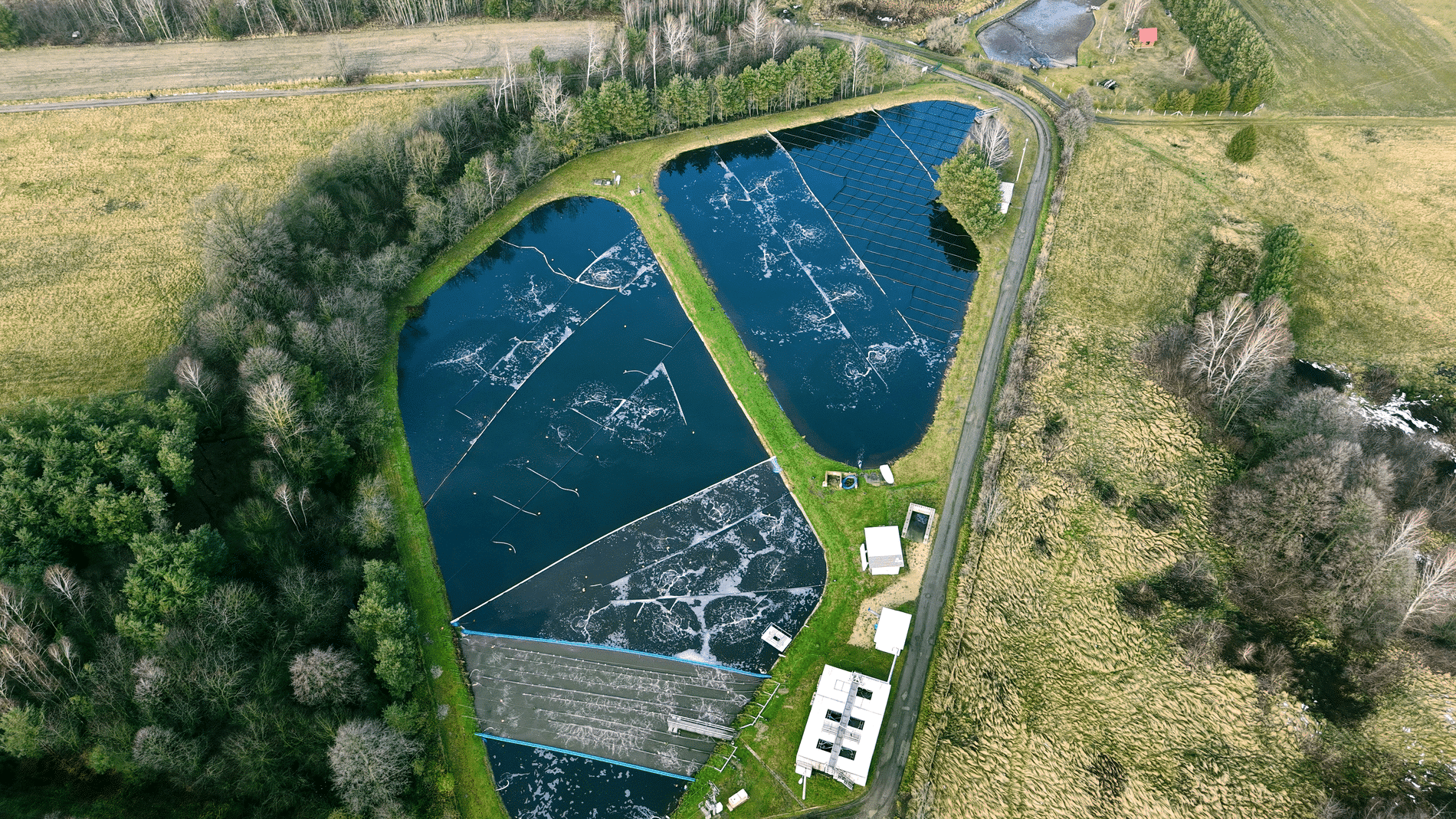
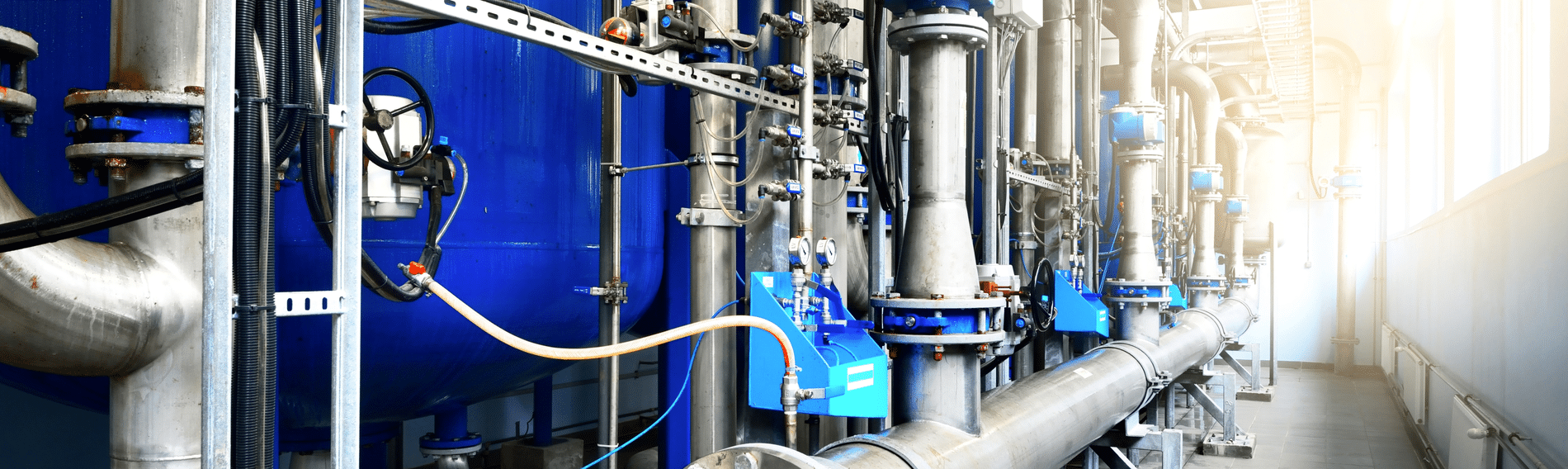
Water utilities can remove many substances from the water, but every additional treatment step requires equipment, energy, chemicals, and investment. Moreover, there is a fundamental question: How much technical treatment is still reasonable if pollution is not prevented at the source?
The RIVM study on the drinking water supply of the future shows that after 2030, other sources—such as brackish groundwater—may also be needed. In the longer term, even seawater and treated wastewater are mentioned as possibilities. This will require new treatment technologies, revised regulations, and new infrastructure. Protecting existing sources therefore remains at least as important as developing alternatives.
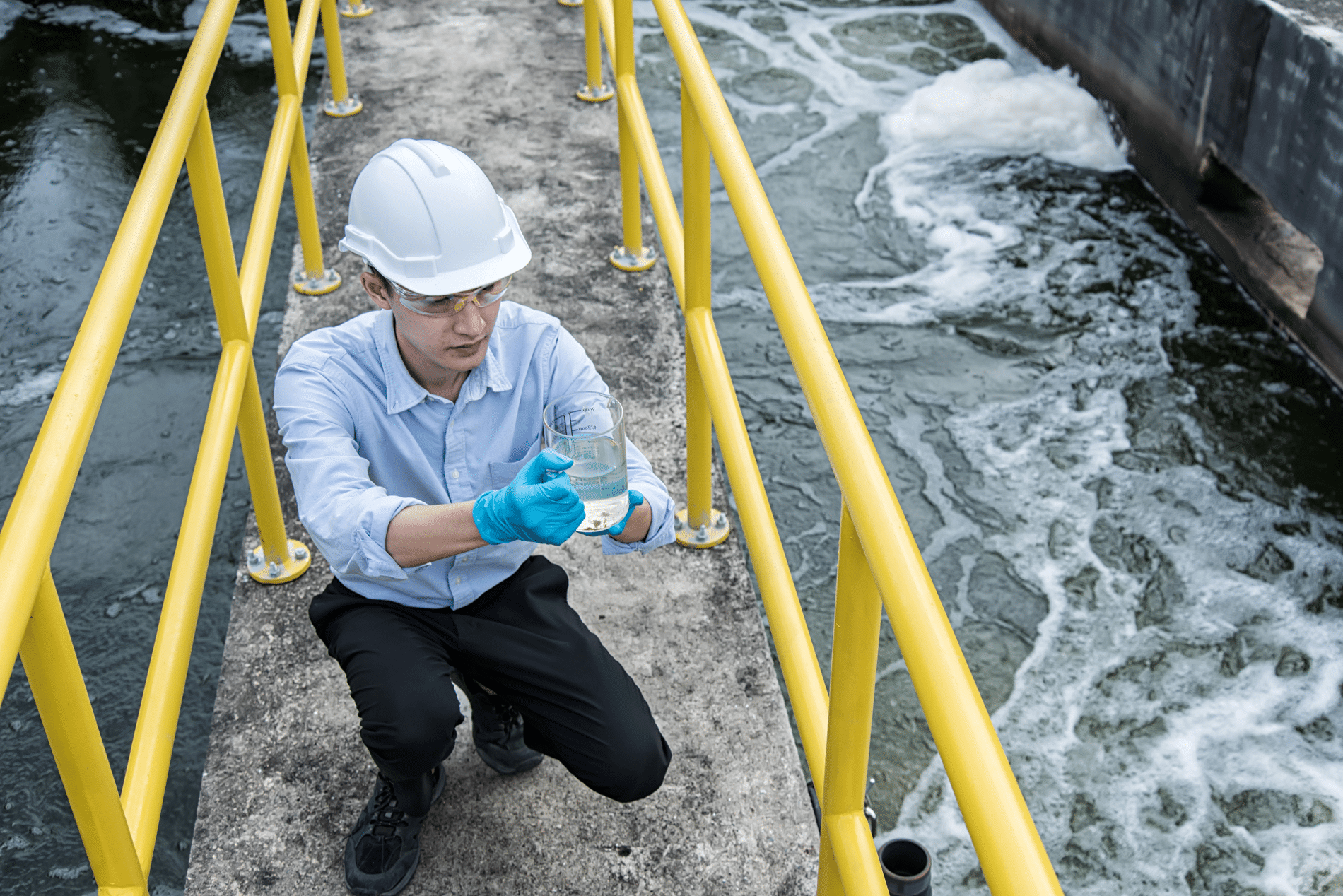
The distribution network also poses a significant challenge. Together, the drinking water utilities manage more than 120,000 kilometers of pipes and over eight million connections. The average age of the pipeline network is around forty years. Many pipes can last for decades, provided they remain undisturbed in the ground. Therefore, there is no nationwide network in a state of disrepair. In fact, at approximately five percent, the Netherlands’ water loss rate is among the lowest in Europe.
Nevertheless, pipelines must be expanded, rerouted, and eventually replaced. This takes place in a subsurface that is becoming increasingly congested. Electrical cables, district heating networks, sewer systems, fiber-optic cables, and other infrastructure all require space. Trees, climate adaptation, and new foundations place additional demands on the subsurface.
Temperature also plays a role when it comes to drinking water. District heating networks can heat nearby drinking water pipes and thereby affect water quality. Such interactions make it clear why coordination cannot wait until the trench is already open. Drinking water must be an integral part of area development and redevelopment projects from the planning stage onward.
A neighborhood-focused approach, joint multi-year planning, and improved sharing of land use data can prevent the same street from being dug up multiple times or pipes from having to be replaced prematurely. This creates a direct link with contractors, engineering firms, municipalities, and other utility providers.
Simply building new infrastructure is not enough. Demand must also be reduced. The national goal is to reduce household water use to a maximum of 100 liters per person per day by 2035. The average has already dropped in recent years from about 125 to 118 liters, but there is still a long way to go. Commercial users must also reduce their drinking water consumption by 20 percent by 2035.
Water conservation also affects the construction and infrastructure sectors. Examples include rainwater harvesting, graywater systems, water-saving installations, and the use of different water qualities for industrial processes, cleaning, or irrigation. The challenge is to make such solutions safe, affordable, and scalable. This requires technical innovation, as well as standards and clear agreements regarding management and responsibilities.
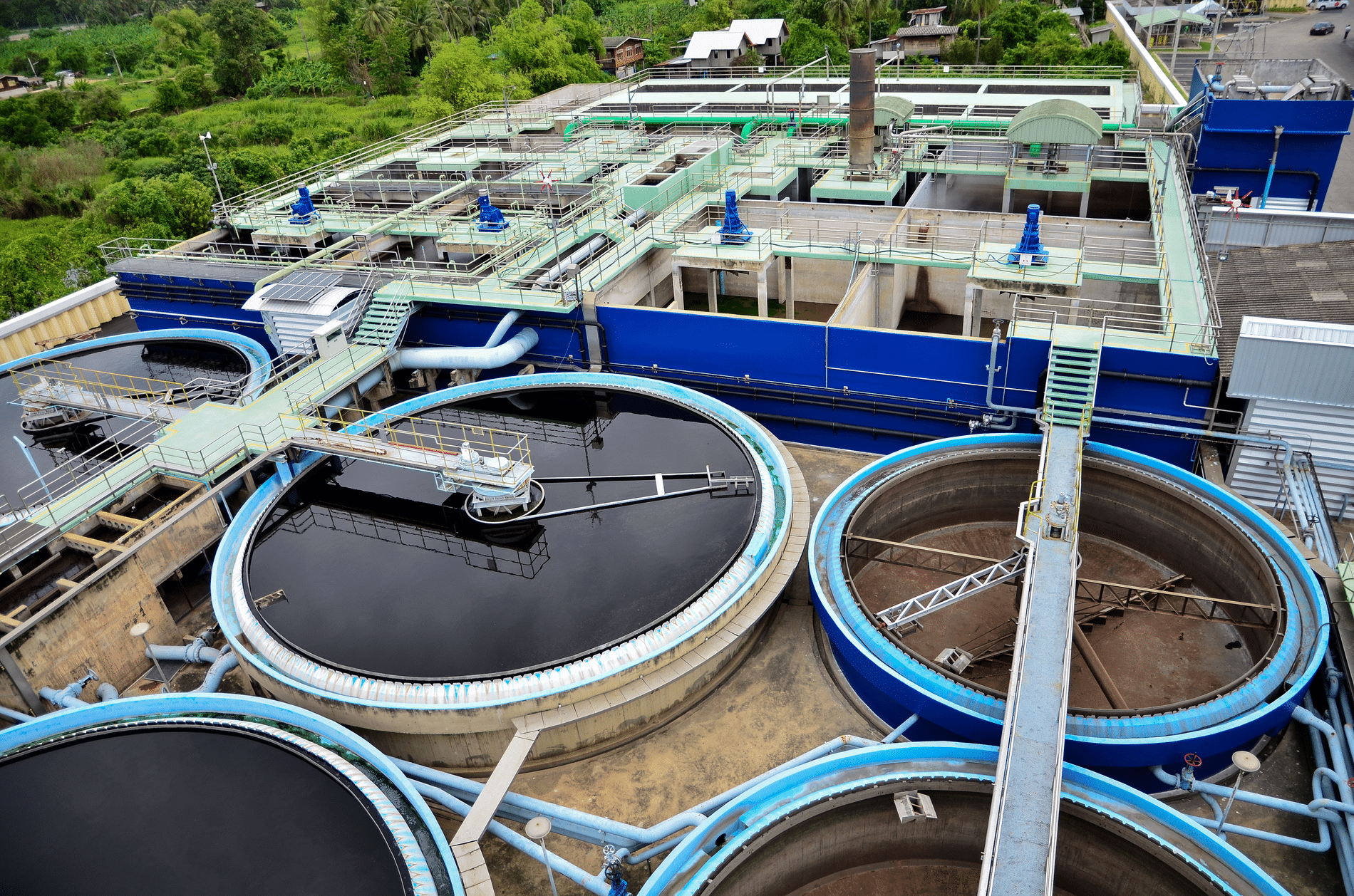
Although the program for the Drinkwaterplein has not yet been finalized, the preparations for InfraTech already reveal where the substantive connections lie. The knowledge program is structured around six themes: Replacement & Renovation, Underground Infrastructure, Climate & Sustainability, Digitalization, Human Capital, and Mobility & Logistics.
Within Replacement & Renovation, the focus is on a systems-based approach, supply chain accountability, and greater standardization. In Underground Infrastructure, the focus is on limited space, neighborhood-focused approaches, and the coordinating role of municipalities. Climate adaptation, data exchange, digital twins, cyber resilience
Unemployment and the shortage of technical personnel are major obstacles in this regard.
Not all of these topics will automatically be featured at the Drinkwaterplein. However, they do represent the exact environment in which drinking water companies will have to operate in the coming years. During the planning phase, there is also a strong focus on collaboration with the Waterschapsplein and other public clients. The current program for InfraTech will be further expanded as the trade show approaches.
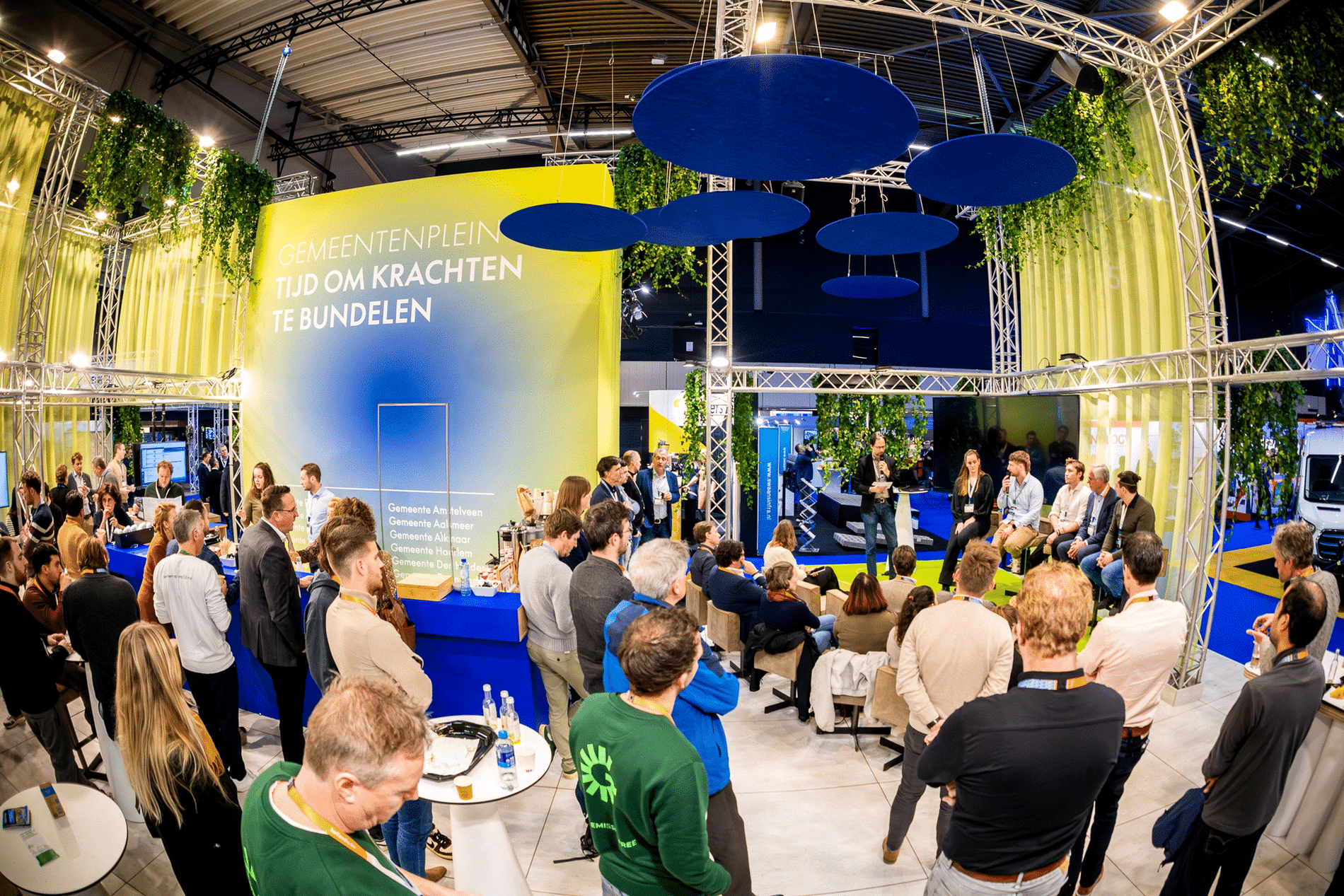
The added value of the platform will ultimately depend on its content. A collection of company stories alone does not do justice to the scope of the challenge. It becomes more interesting when water utilities collectively showcase the projects they have in the pipeline, the challenges they face, and the knowledge and capacity they need from the market.
Contractors and engineering firms, in turn, can clarify what standardization, contract types, and long-term project planning are needed to free up capacity. Suppliers can showcase innovations in leak detection, trenchless technologies, modular wastewater treatment, smart meters, and data. Government agencies can make agreements regarding permits, land-use reservations, and integrated planning.
This will allow Drinkwaterplein to become more than just a showcase. It can evolve into a workshop where a vital sector works together with the infrastructure market to develop solutions. Because reliable drinking water doesn’t start at the tap. It starts with the choices made today regarding sources, space, infrastructure, and collaboration.