Platform on civil engineering, underground infrastructure, energy, construction equipment & construction machinery
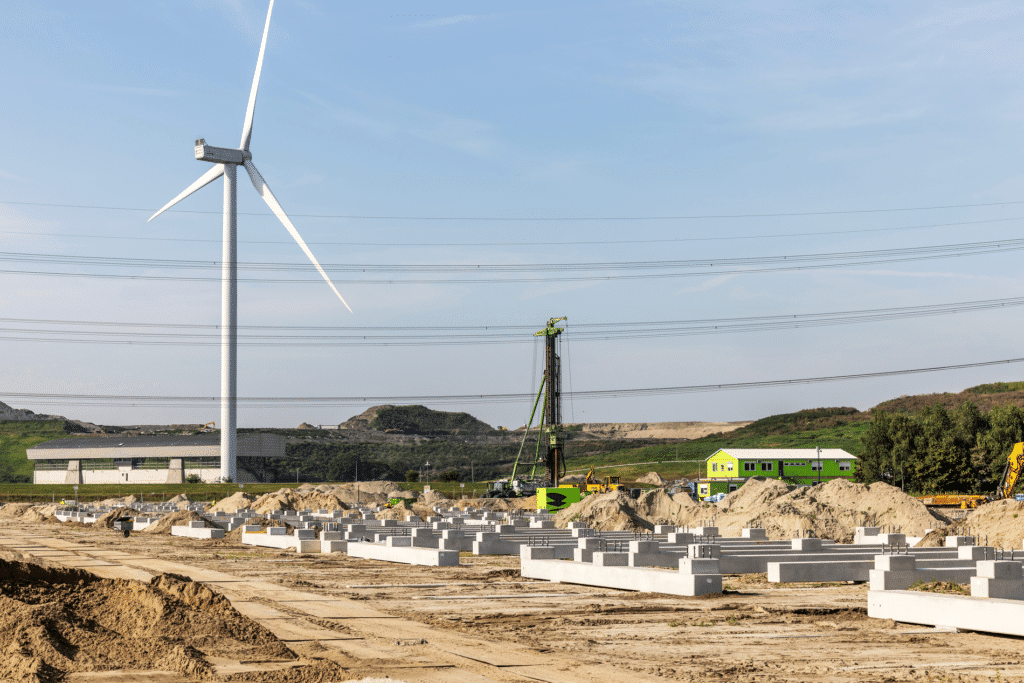
The Netherlands faces a construction challenge that exceeds its available capacity. Bridges, tunnels, roads, locks, and waterworks require maintenance or renewal, while at the same time, expansion of infrastructure, energy grids, and housing construction is necessary. On top of that comes the need to prepare for climate change. So, more projects, but not automatically more people, resources, or time. Mobilis offers an interesting perspective on this challenge: approaching the task not only as a construction issue, but primarily as an organizational one. By planning earlier, collaborating more effectively, and better bundling repeatable projects, the sector can achieve more with the same scarce capacity, according to Managing Director Remco Hoeboer.
“The question isn’t just what needs to be built, but above all how we can keep it feasible,” says Remco. “By not approaching every project individually, but by organizing things more intelligently, connecting stakeholders more effectively, and drawing on new insights, we see opportunities.”
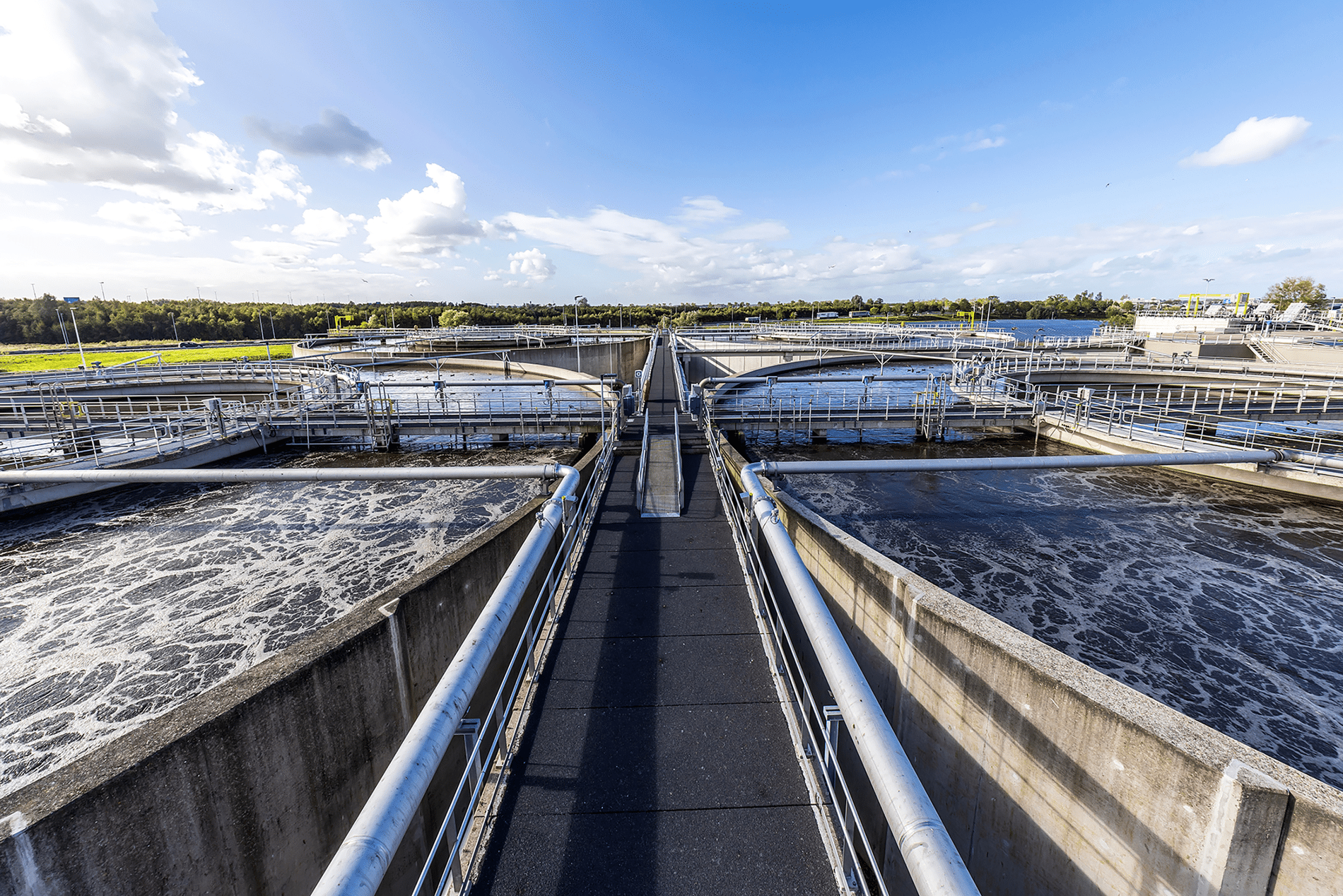
As an infrastructure contractor, Mobilis is active in complex projects involving roads, bridges, tunnels, locks, water treatment plants, and energy infrastructure. The company is part of the TBI Group and works as a general contractor alongside clients, specialized partners, and suppliers. According to Remco, that is precisely where the added value lies. “We’re at the intersection of interests, technology, and execution. That means you not only have to be able to build, but also bring parties together and think ahead.”
In addition to time constraints and a shortage of capacity and resources, there is another limiting factor: “Accessibility is a strict prerequisite. That makes the task even more extensive and complicated.” Division Director Rutger de Jong adds: “Above all, it’s the convergence of all these developments that’s decisive. The projects don’t come one after another in an orderly fashion. They pile up, while available capacity doesn’t automatically grow along with them. That’s precisely why we need to take a much closer look at planning, preparation, and collaboration.”
This shifts the focus from individual projects to the sector’s overall production capacity. As the same people, machines, and specialists are needed in an increasing number of locations, the organization of the work becomes at least as important as the execution itself.
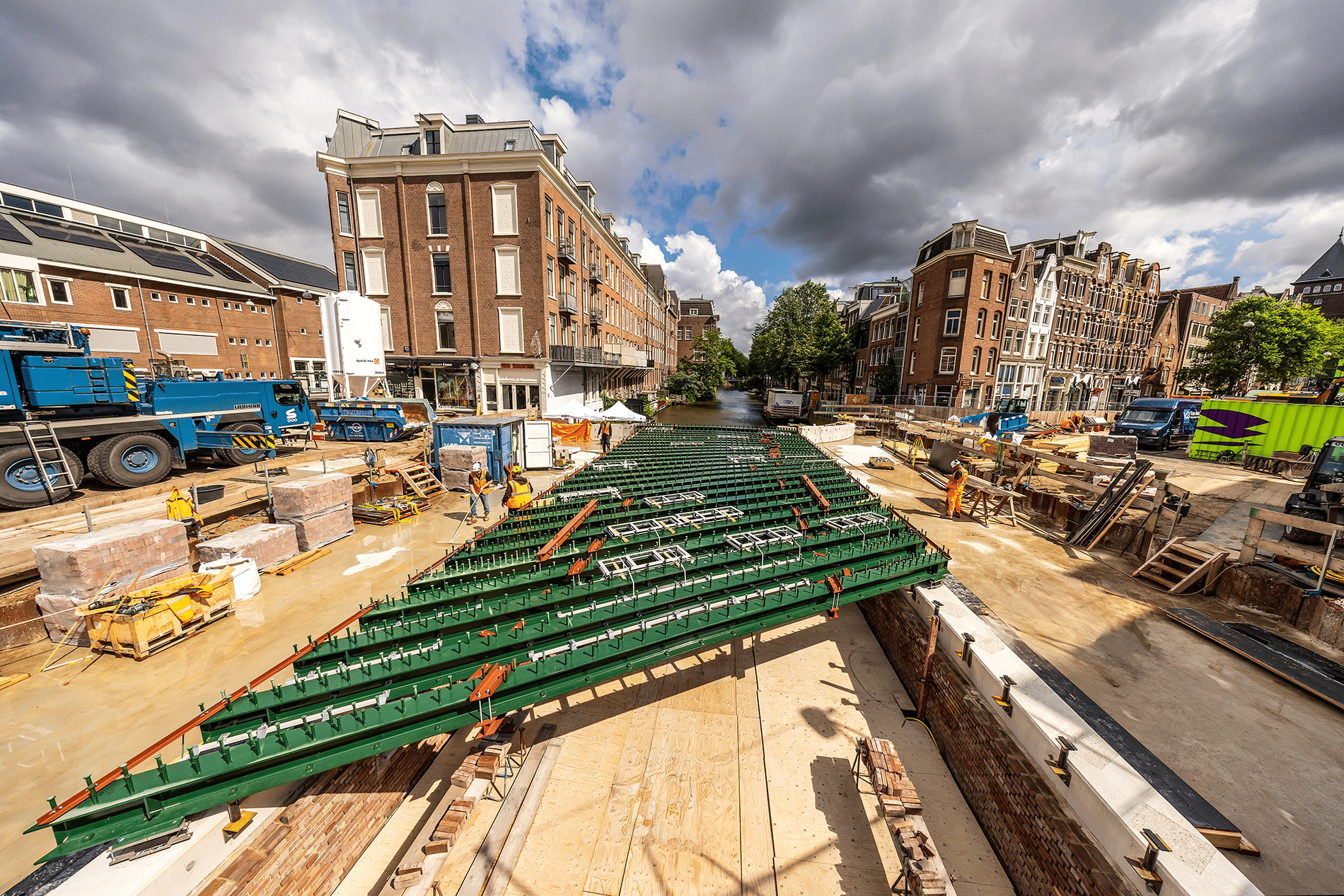
According to Mobilis, part of the solution lies in greater coordination at the outset. This applies to the government as the client, but also to the way projects are put out to tender and coordinated with one another. When work on roads, bridges, or other vital connections is not properly coordinated, the disruption to users and the surrounding area can become unnecessarily severe.
“Accessibility requires coordination across project boundaries,” says Remco. “If you wait until work is about to begin to start managing the process, it’s often too late. The real benefits lie at the beginning: which projects can be done simultaneously, which ones can’t, where can you combine them, and where do you need to phase them?”
According to Rutger, looking further ahead can also create more flexibility in the bidding process. Repeatable tasks, for example, lend themselves to clustering. When similar projects aren’t organized as entirely new initiatives each time, the sector can retain knowledge and work more efficiently. Teams become better attuned to one another, processes become more predictable, and innovations have a better chance of proving themselves in practice. Remco explains: “Specialized knowledge often resides with partners and suppliers. By involving them earlier, solutions can be better designed with manufacturability, maintainability, and sustainability in mind. This shifts innovation from a separate add-on to an integral part of the project.”
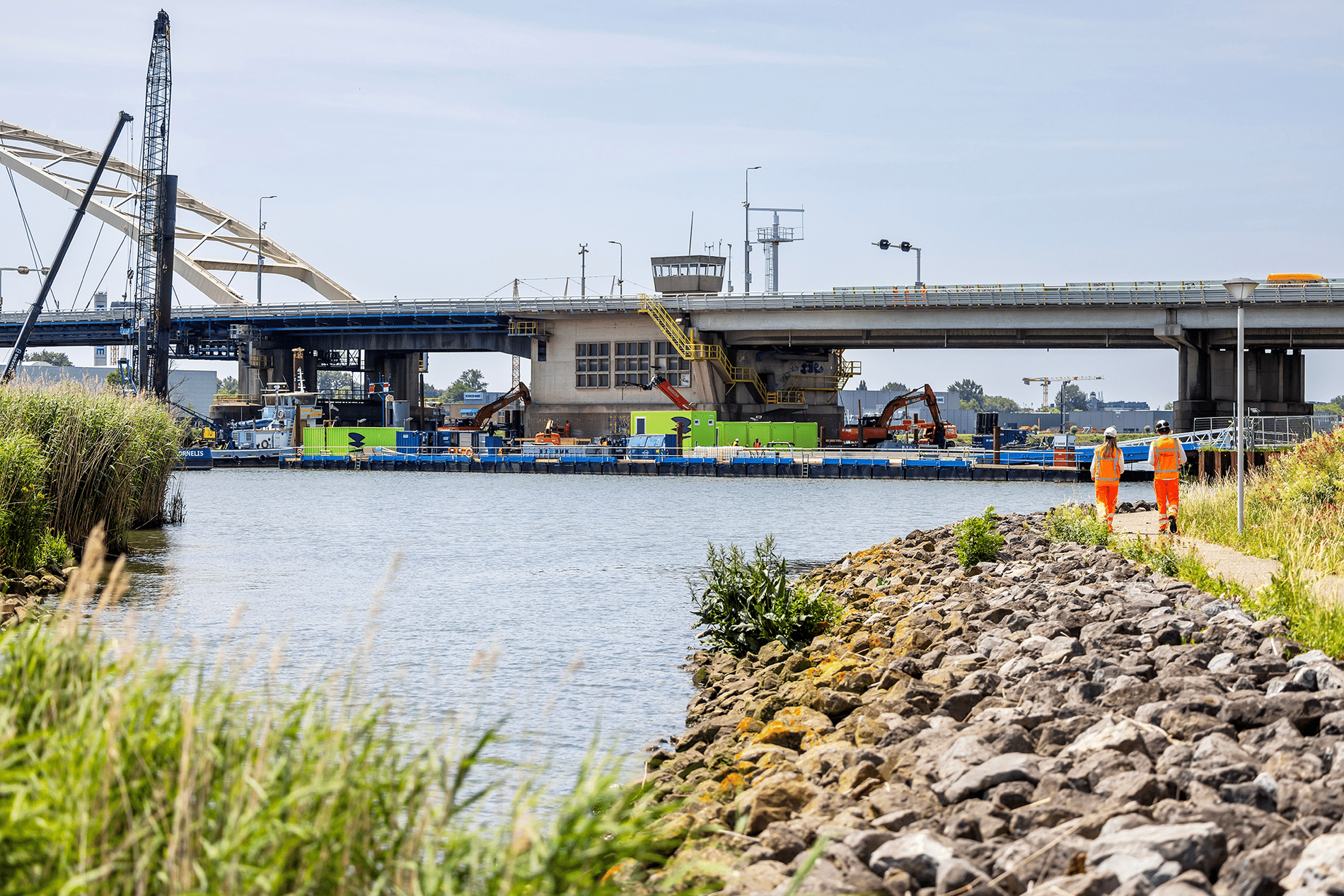
“Continuity is more important than people often realize,” says Rutger. “If you keep starting over with different teams and different approaches, you lose a lot of the knowledge you’ve built up. By organizing repetition in a smart way, you can improve quality and shorten lead times.”
In this context, Mobilis refers to itself as a “connecting general contractor.” By involving clients, designers, suppliers, and specialized partners early on, technical decisions, sustainability requirements, and environmental concerns can be better aligned.
This is particularly important for complex projects, where the infrastructure often needs to remain partially operational during construction. In such situations, success depends not only on the technical solution, but also on phasing, communication, and preparation.
“Complex infrastructure requires a big-picture view,” says Remco. “You have to understand what a design choice means for construction, the surrounding area, and the schedule. Our role is to connect those worlds.”
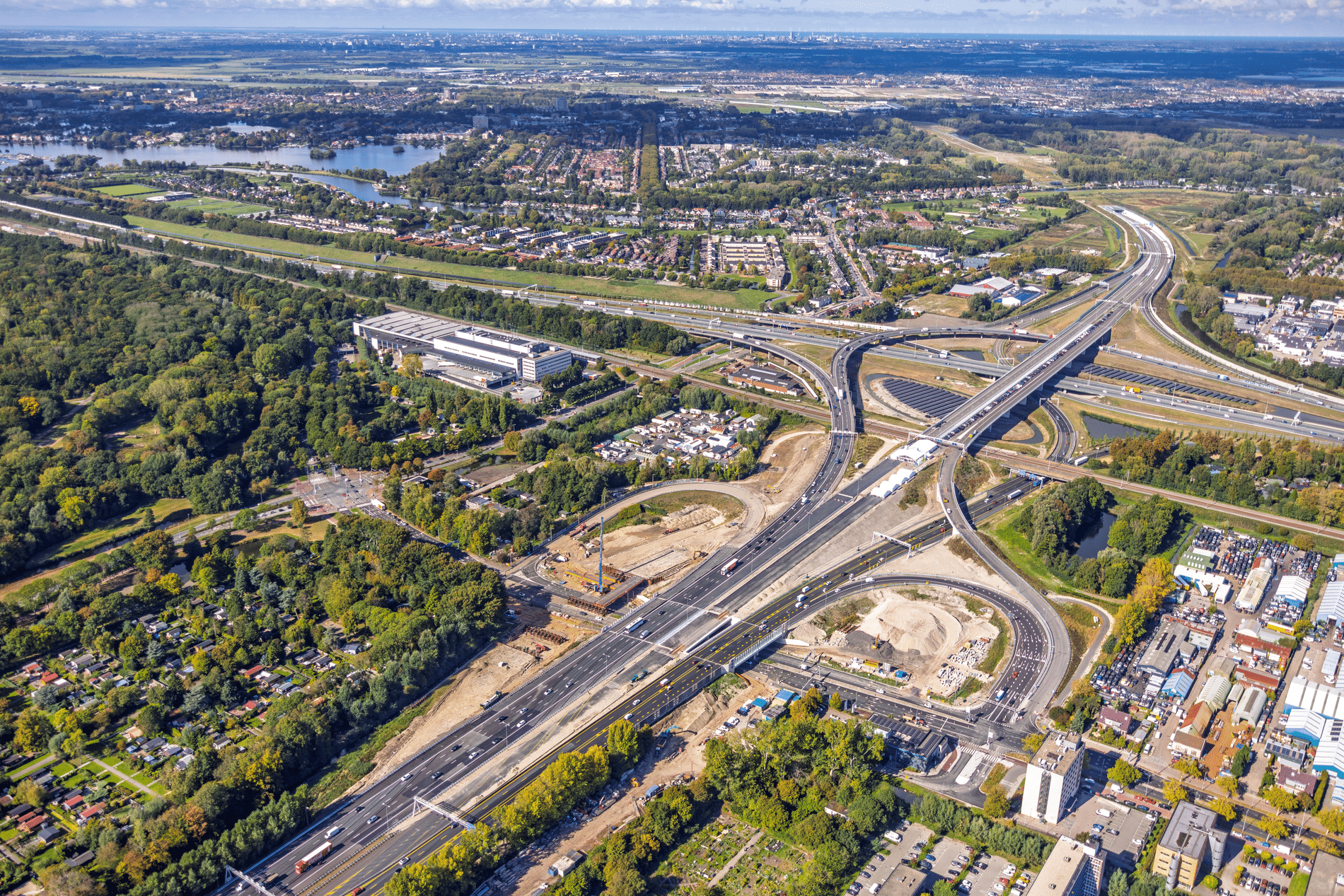
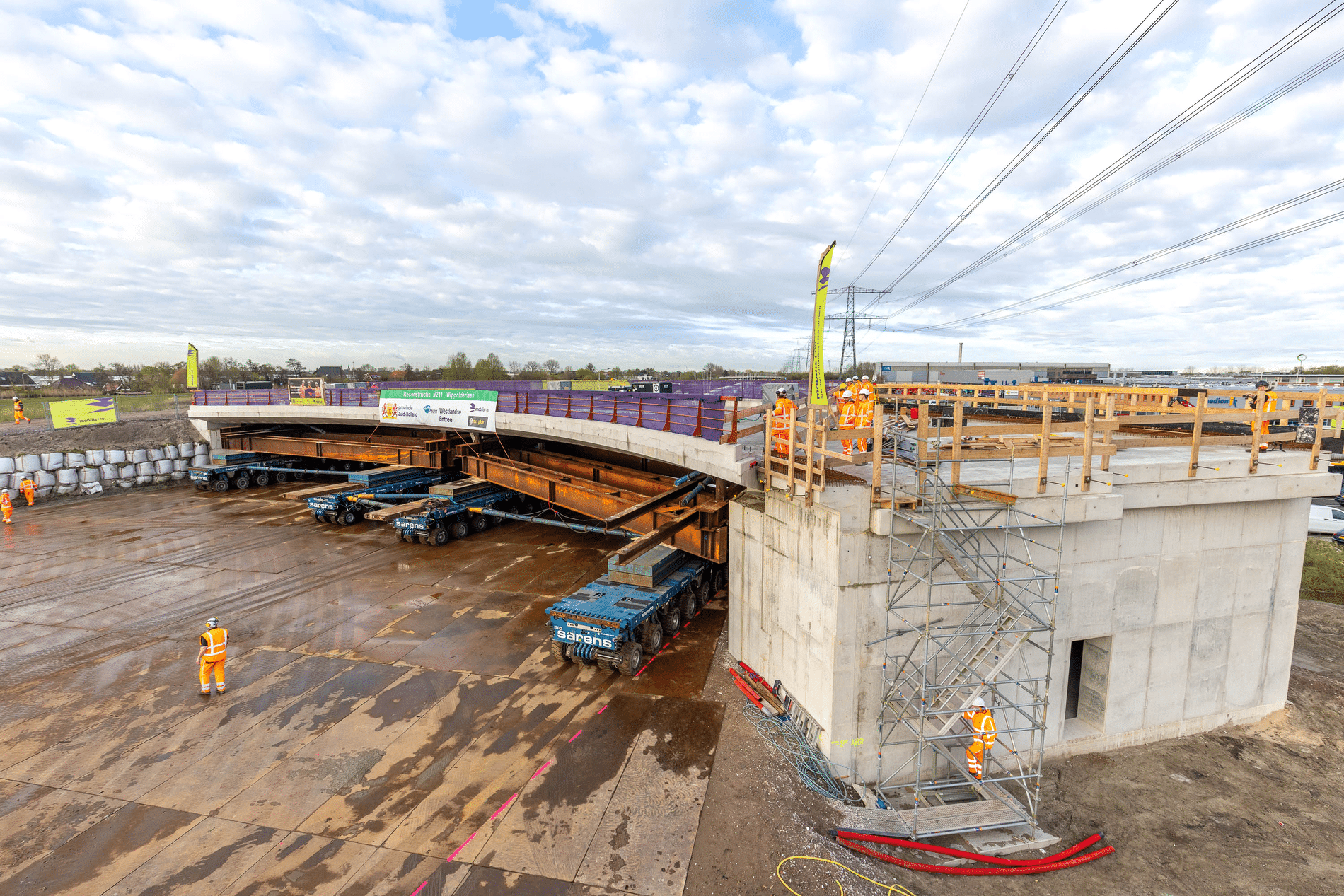
Where projects are unique, customization remains necessary. But where components are repeatable, Mobilis sees clear opportunities for standardization and modularization. For example, by working more frequently with fixed design principles, prefabricated components, or modular systems, a larger portion of the work can be prepared under controlled conditions. This reduces risks on the construction site and provides greater control over the execution. It also leads to faster construction, more consistent quality, and less disruption to the surrounding area. “The importance of minimizing disruption should not be underestimated,” Rutger emphasizes, “because many projects take place in densely populated areas, and accessibility must often be maintained as much as possible during construction.”
A more predictable process simplifies planning, cost control, and risk management. It can also help reduce the pressure on scarce skilled workers. “If fewer issues need to be resolved on the fly at the construction site, the execution process becomes smoother.”
Sustainability is playing an increasingly important role. Infrastructure projects have a long-term impact on their surroundings. That is why Mobilis is exploring sustainable material choices, cleaner construction methods, electric equipment, and ecological measures that enhance the living environment.
Remco: “It’s not just about ambitions on paper. During the design, preparation, and implementation phases, you determine how much disruption you cause, what materials you use, and how future-proof a project will be. When sustainability is added late in the process, there’s less flexibility, and solutions become more expensive or harder to implement.”
According to Arjan Verweij, head of the Design & Planning department, TBI’s steward-owned structure aligns well with clients“ higher sustainability requirements. ”Because TBI is owned by an independent foundation rather than commercial shareholders, profits are not distributed to investors but are fully reinvested in the company, innovation, craftsmanship, and social causes. This gives us the freedom to prioritize sustainable impact, social relevance, and lasting value.”
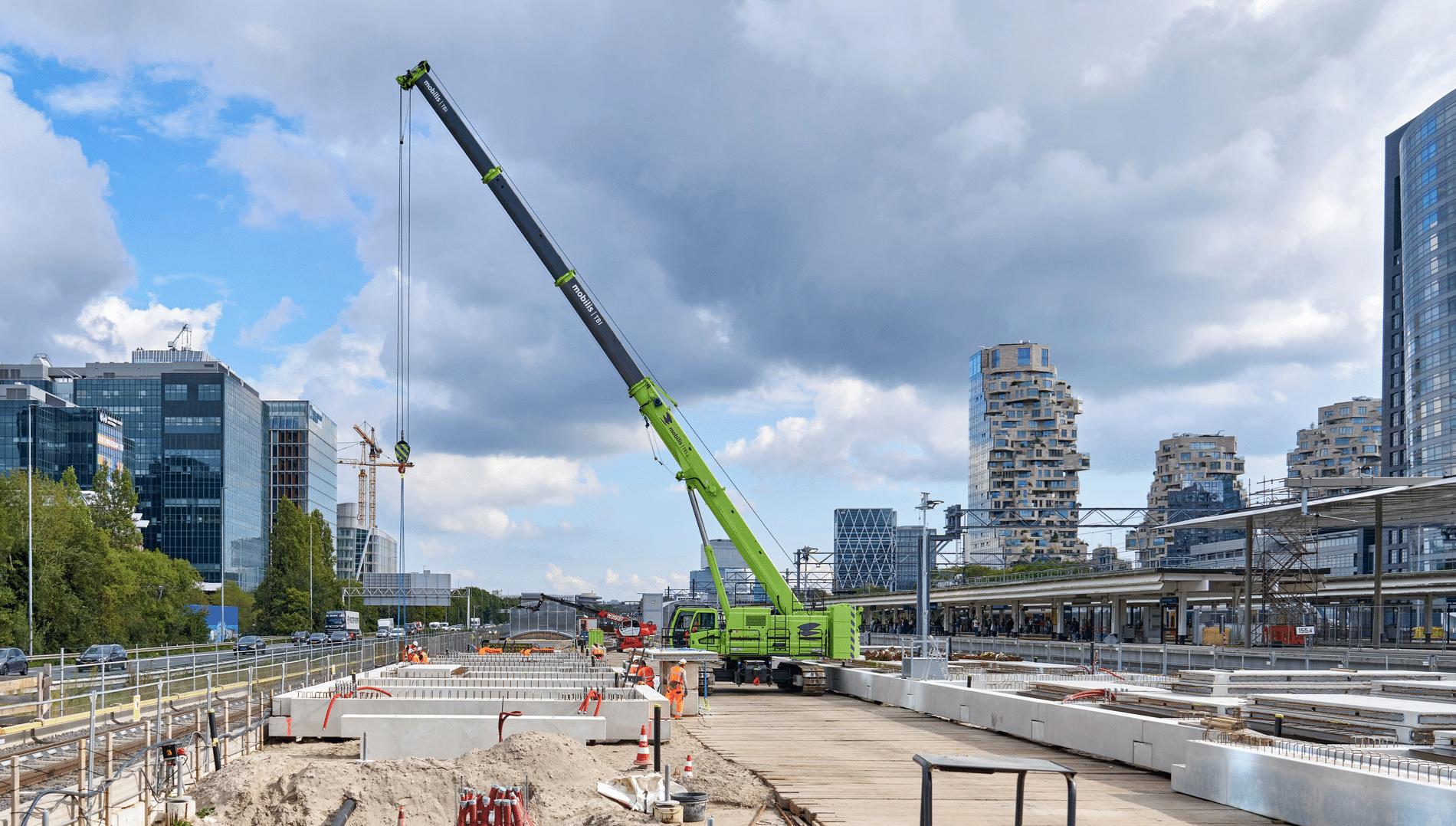
Rutger wants to expand the government’s role even further: “The government should place greater emphasis on ensuring coordination between projects, for example by better aligning road closure windows across different government agencies. By coordinating road closures more effectively, the disruption to users and the surrounding area can be minimized.”
In the coming years, the pressure on the infrastructure construction sector will not ease, but Mobilis sees many opportunities when projects are approached more holistically. Mobilis aims to contribute to this not only by carrying out large infrastructure projects, but above all by connecting, organizing, and preparing them more intelligently.
Neem dan rechtstreeks contact op met Mobilis.
 Contact opnemen
Mobilis is a civil engineering contractor that has been building impressive infrastructure projects for over 125 years. We work to ensure safe crossings over roads, waterways, and rail lines for people and animals; we build and renovate the physical environment; and we provide clean drinking water and reliable energy supplies. Through the renovation and maintenance of existing infrastructure, we keep the Netherlands accessible, safe […]
Bekijk Bedrijfsprofiel