Platform on civil engineering, underground infrastructure, energy, construction equipment & construction machinery
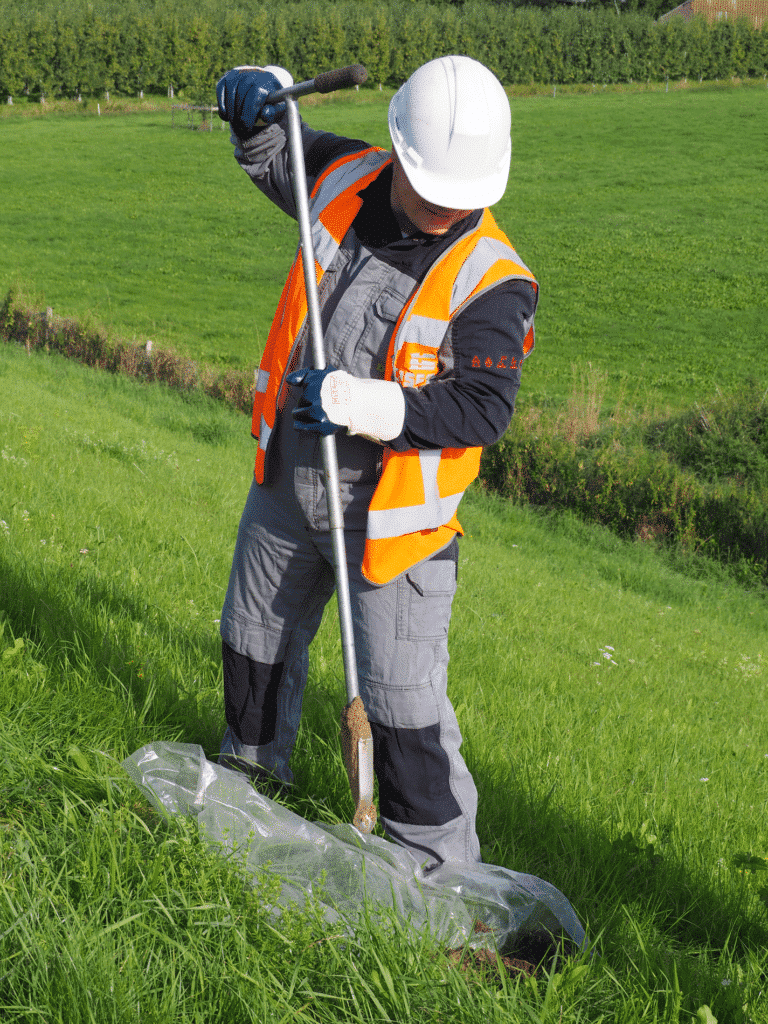
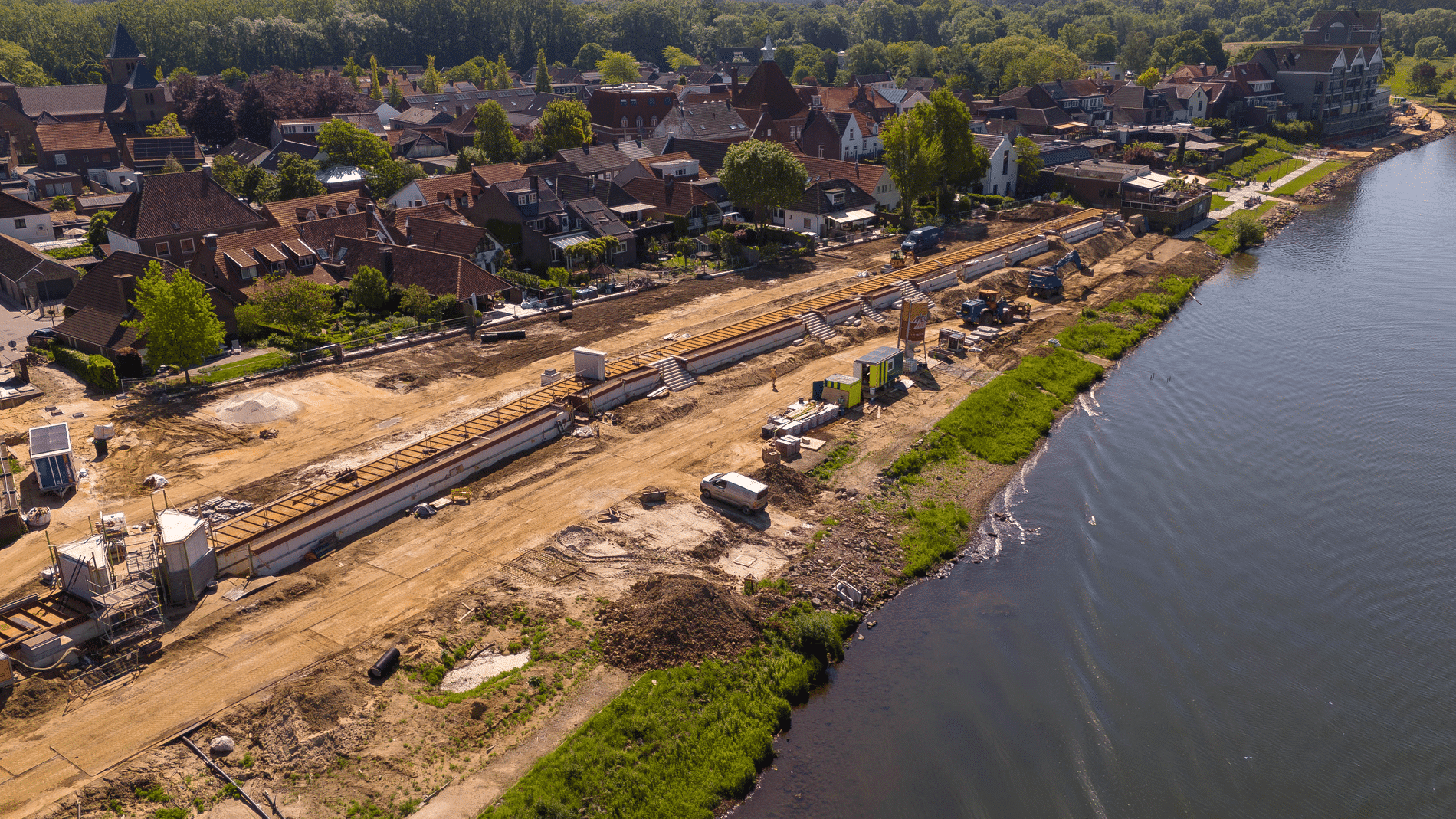
The preparatory phase of the Neder-Betuwe dike reinforcement project is at least as important as the implementation itself. It must be absolutely clear what is in the subsoil. This requires a comprehensive investigation program, in which Diseo examines not only the dike itself but also all temporary work sites, construction roads, and loading and unloading locations. Commissioned by the Neder-Betuwe Dike Alliance, the team is providing support through a comprehensive package of soil and environmental studies to ensure there are no surprises during construction.
“We began with a comprehensive review of previously conducted studies along the approximately 20-kilometer-long section of the dike,” says Martijn Veenhuis, director of Diseo. “These included, among other things, soil studies, waterbed studies, asphalt and foundation studies, and studies of on- and off-ramps.” A key question in this regard was whether existing survey data still complied with current laws and regulations and whether the results were still valid. Aquatic soil surveys, in particular, have a limited validity period of three to five years.”
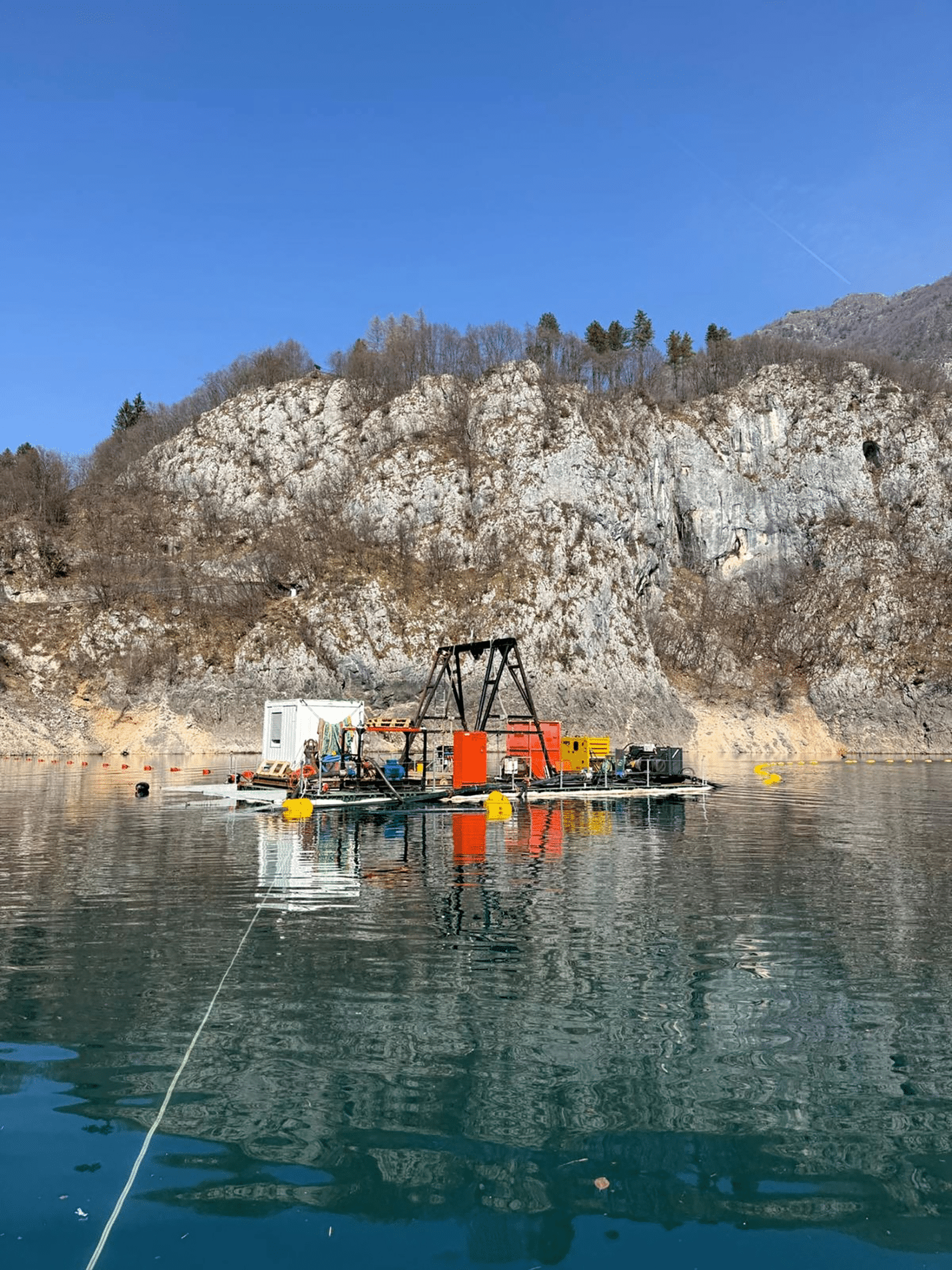
The survey revealed that parts of the area had not yet been thoroughly explored. Based on this, a cost estimate was prepared and an extensive research program was launched. “We’ve been active on and around the dike since 2024,” says Twan Janssen, project manager at Diseo. “We’ve already collected more than 1,500 samples, and we’re only halfway through the research phase.” First, the baseline conditions were established through routine soil testing inside the dike and waterbed testing outside the dike. This provided an initial picture of the quality of the land and waterbed soils and any potential contamination. Additional testing proved necessary at various locations. “That phase is now focused on further delineating contamination, mapping variations in soil quality, and conducting asbestos surveys in areas where debris-containing material has been found,” Martijn explains.
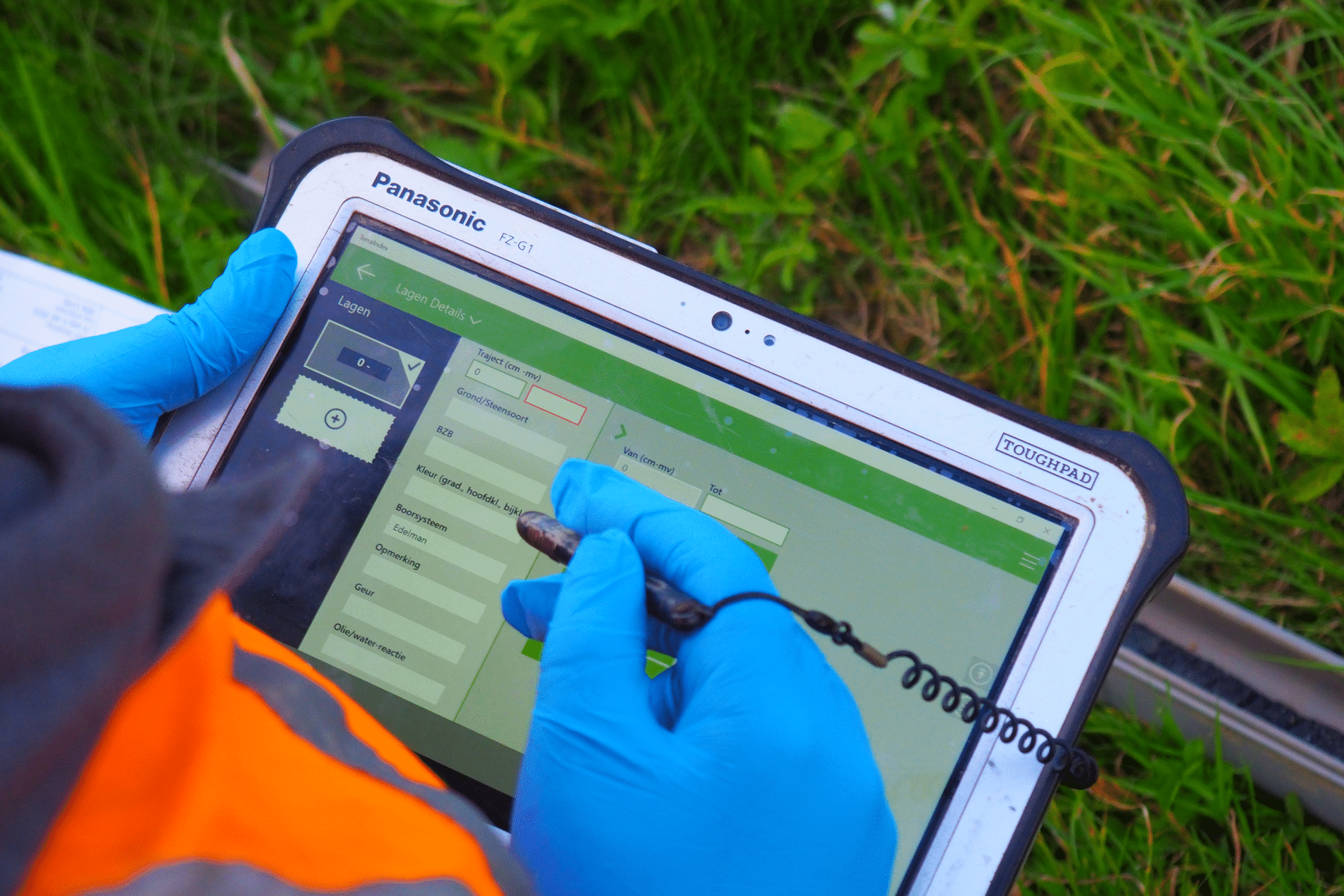
According to Martijn, what makes this project unique is the large number of ancillary sites. “In addition to the dike itself, temporary construction roads, storage areas, and loading and unloading sites must also be investigated. This is necessary because excavation is not permitted in the Netherlands without a prior soil investigation. Furthermore, for loading and unloading sites along the water, any dredging work can only take place after the waterbed has been surveyed.” The scale of the project therefore makes planning complex. “From a site preparation perspective, archaeologists, flora and fauna experts, explosives experts, and cable and pipeline operators are also involved. Furthermore, factors such as the breeding season and the high-water season play an important role. Regular consultation is therefore essential to coordinate priorities.”
The many thousands of samples provide a comprehensive picture of soil quality within the project area. “Based on this, all risks are first eliminated so that when the alliance begins work on a route, it knows exactly what to expect in the subsoil and construction can proceed without unnecessary delays.”