Platform on civil engineering, underground infrastructure, energy, construction equipment & construction machinery
Winning an innovation award is more than just a memorable moment on stage. It raises the profile of innovative ideas, brings stakeholders together, and can accelerate the transition to practical application. That is precisely why it is interesting to see what happens after the award is presented. After all, a smart idea, a new material, or an innovative process ultimately proves its value in projects, competitive bidding, implementation, and management.
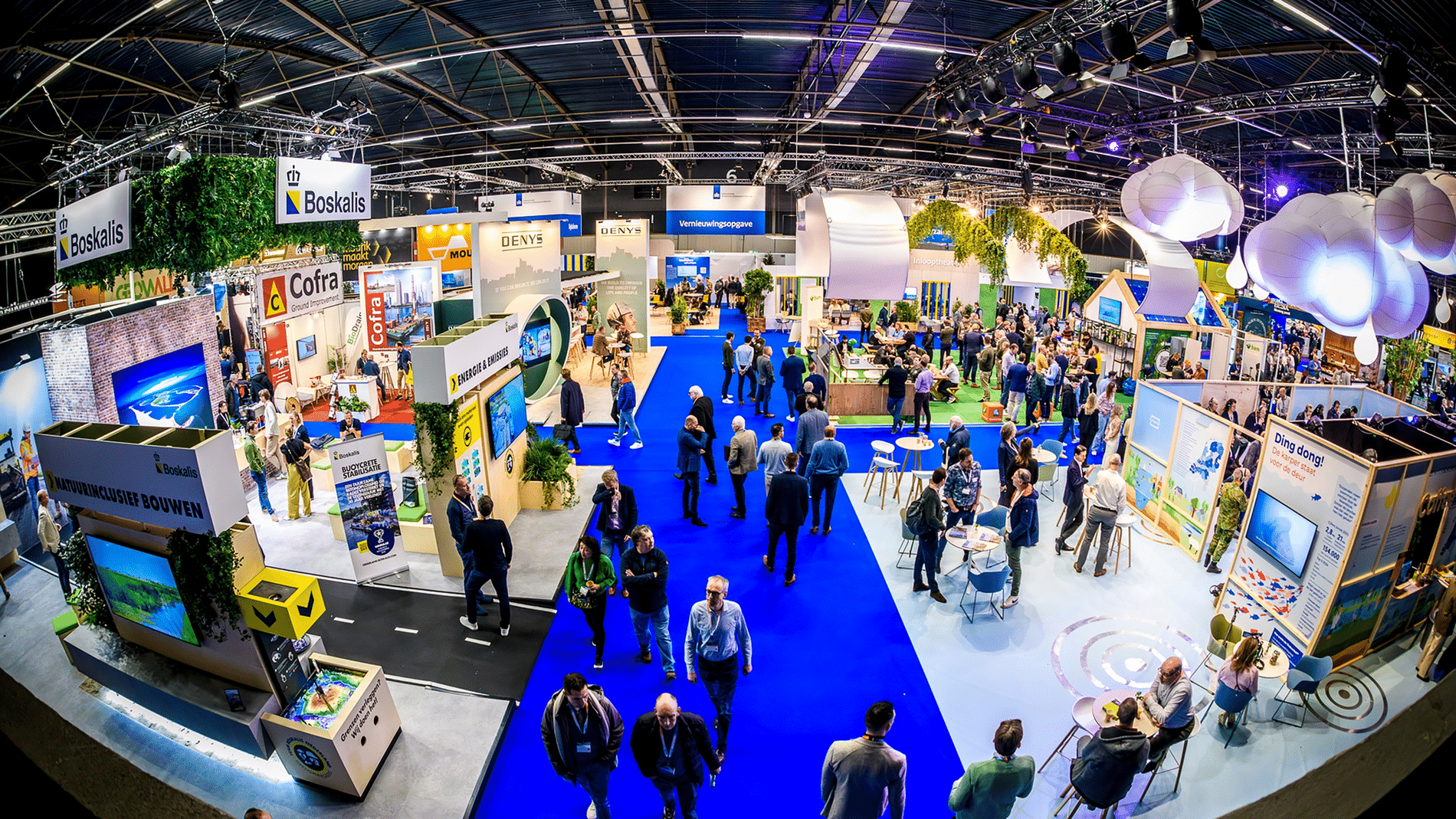
That’s what makes the winners of the 2025 InfraTech Innovation Award so interesting. In January 2025, three very different innovations were honored at Rotterdam Ahoy: Boskalis’ Buoycrete stabilization in the Product Innovations category, the Nature Ladder by Dura Vermeer and Heijmans in the Process Innovations category, and the Asphalt Recycling Train in the Sustainable Collaboration category.
Together, they provide a clear picture of where the sector stands. The Netherlands must maintain, replace, and make bridges, quays, roads, locks, and tunnels more sustainable. At the same time, there is pressure on budgets, nitrogen allowances, raw materials, capacity, and feasibility. Innovation, then, is not a luxury but a necessity. However, the path from a good idea to widespread application is often long and arduous.
Since the awards ceremony, the three winners have all been in different phases. Buoycrete has completed its first practical application and is working on further validation and scaling up. The Asphalt Recycling Train is the subject of pilot projects, measurements, and validation. The Natuurladder is evolving from an initiative by two construction companies into a more widely supported industry tool.
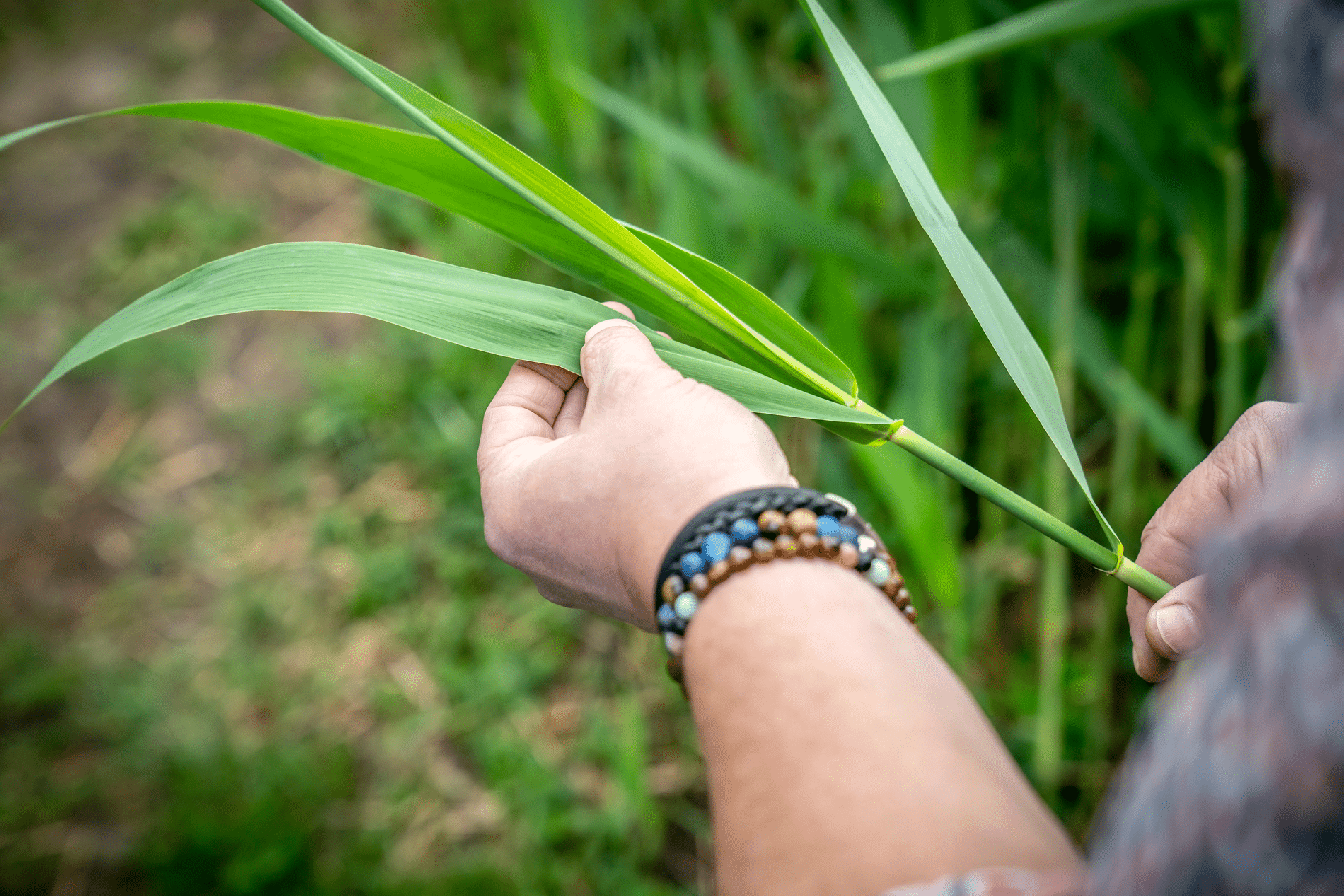
That last innovation, in particular, may be the least tangible, but it says a lot about infrastructure. The Nature Ladder is neither a machine nor a material. It is a way to make nature inclusivity, biodiversity, soil, water, and climate adaptation topics that can be discussed and addressed in projects. Inspired by the Safety Ladder, but focused on nature-friendly practices.
Jeroen Demmer of Dura Vermeer explains where this need came from. “In the Netherlands, we struggled with how to create an effective management tool for topics such as nature inclusivity and biodiversity. These are much more subjective and much harder to quantify than, for example, CO2 or circularity.” That’s why the focus shifted to behavior and leadership. “The analogy with the Safety Ladder was quickly drawn. There, too, it’s not just about measures, but about awareness, attitude, and leadership.”
Leon Dielen of Heijmans recognizes the tension between ambition and reality. “If you bring something as abstract as behavioral change to a project, there’s a good chance it won’t catch on. In projects, people say: ”Tell me what to do, and I’ll do it.’ That’s exactly why the Nature Ladder also includes an opportunity scan. It highlights which concrete measures are possible.”.
Since winning the innovation award, the Nature Ladder has received extra attention—both internally at Dura Vermeer and Heijmans, as well as externally. Yet the Nature Ladder has not yet reached the same status as the Safety Ladder: a tool that clients require as standard. Nature inclusivity is increasingly a topic in tenders, but a standardized methodology is still lacking.
Jeroen sees that the award does help. “It draws extra attention to the initiative, both internally and externally. It also helps with the management team. It puts the topic in the spotlight for a moment and confirms that we’re on the right track.” Within Dura Vermeer, the Nature Ladder is now incorporated into operational plans and reports. At Heijmans, it’s included in various business plans. Larger projects and construction teams are required to apply the ladder. Leon is candid about this: “It’s still happening only sporadically. Certainly not in all projects. But in the projects where we apply the Nature Ladder, the discussions are successful.”
An important step is that the Nature Ladder has been transferred to Collectief Natuurinclusief. This has separated the tool from the two companies that developed it. “That was necessary,” according to Leon. “Heijmans and Dura Vermeer both felt that this wasn’t a tool they should manage themselves.” At Collectief Natuurinclusief, the ladder will have a more neutral foundation and can be more easily adapted for other sectors, such as real estate, education, agriculture, and water management.
Until then, we’ll continue to blaze new trails. In the Triax project—a collaboration between Dura Vermeer, Heijmans, and BESIX—a “Nature Ladder” session led to an opportunity assessment that identified several measures for biodiversity and climate adaptation. The client was unwilling to pay for it. The consortium then decided to cover part of the cost themselves. Leon calls this “a fantastic result.”.
Jeroen offers a realistic caveat: “Not everything will ultimately be implemented. Management and maintenance also prove to be decisive factors here.” Still, he sees progress. “When it comes to behavior and leadership, that step forward is a significant achievement for the Natuurladder.”
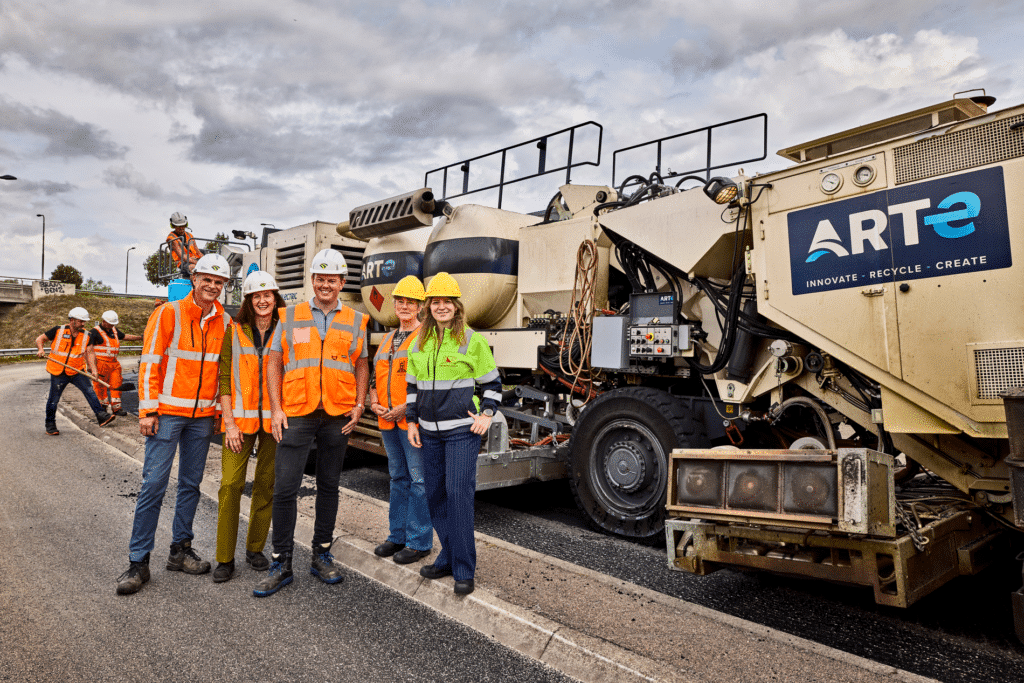
While the Nature Ladder focuses primarily on behavior, the Asphalt Recycling Train is highly visible. A line of machines moves across the road surface like a train, heating up old asphalt, breaking it up, remixing it, and immediately laying it down again. From old to new asphalt, right on site.
That is why ART won the award in the Sustainable Collaboration category. The Province of Gelderland, Rijkswaterstaat, Dura Vermeer, ART-E, and other partners are working together to validate the technology and make it available to the sector. The first trial was conducted in June 2024 on the N315 near Ruurlo. This was followed by applications and demonstrations in Almere and Hilversum, among other locations.
The potential is significant. Because existing asphalt is reused on-site, fewer primary raw materials are needed. It also eliminates many transport trips to and from the asphalt plant. This reduces CO2 emissions, traffic, and disruption. Furthermore, the aggregate fraction remains more intact than with traditional cold milling. In theory, this technique comes close to fully reusing the existing pavement layer.
But the value of the ART lies not only in the machine. Just as important is the knowledge that is gained. Which asphalt mixtures are suitable? How does the surface course behave after heating and remixing? What temperature is required? What additives are needed? How does the new pavement perform over time?
That’s where the actual paving comes into play. On behalf of ART, asphalt paver Harry Beltman translates the technology into day-to-day practice on the road. Because no matter how spectacular the paver looks, ultimately it just has to lay asphalt that meets the standards. That requires a steady rhythm, craftsmanship, coordination, and quality control. The machine needs space, can’t maneuver everywhere, and requires a different approach to organization than traditional asphalt maintenance.
That is precisely why pilot projects and trials are so important. Not to prove once and for all that it can be done, but to test the process under various conditions. The technology is making significant strides toward practical readiness, but it is not yet the standard. Configuration, emissions, quality, logistics, and management must be optimized for each specific application.
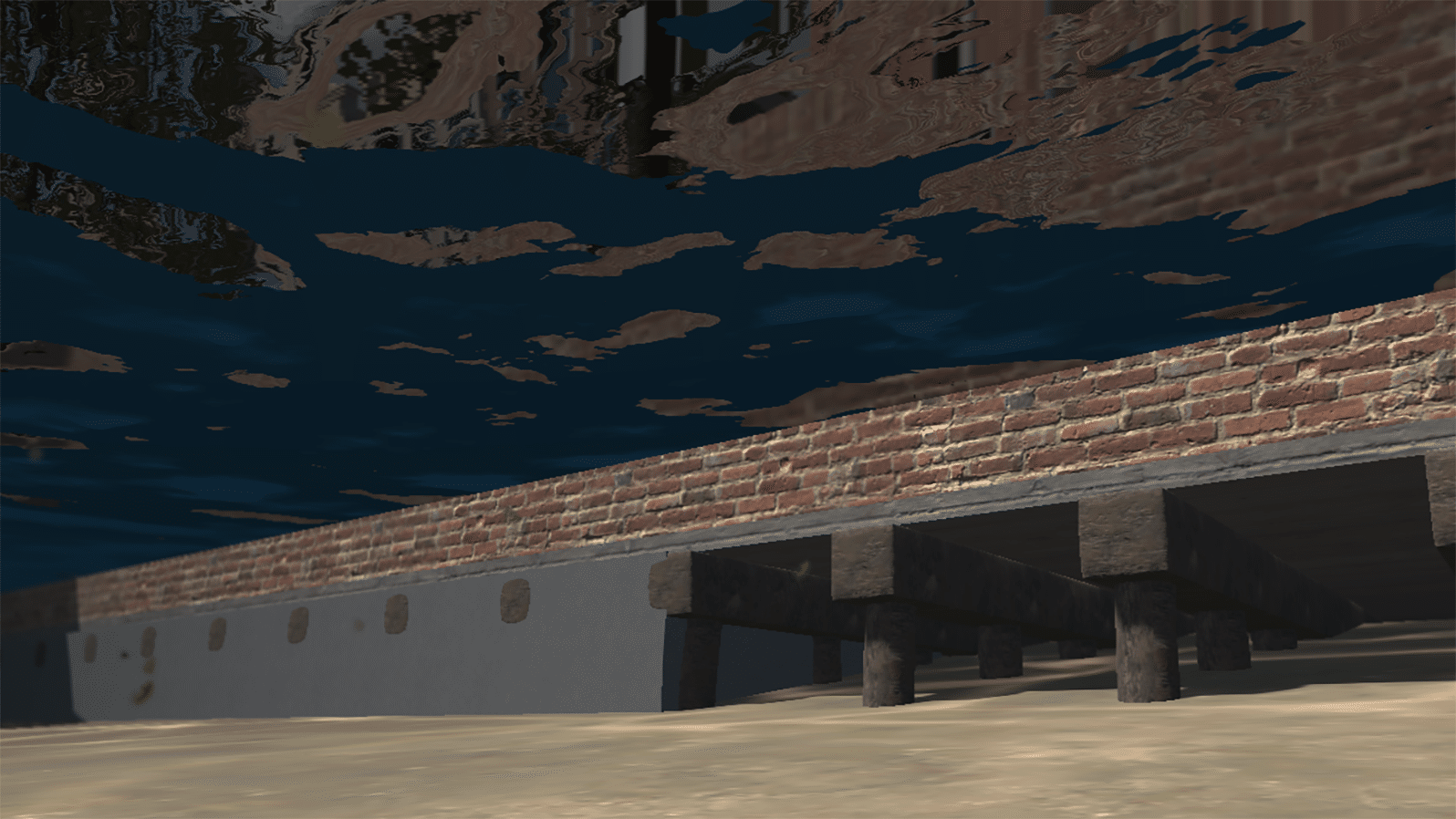
Boskalis’ Buoycrete focuses on a completely different challenge: aging quay walls. Many municipalities have quays that need to be replaced or reinforced. Complete replacement is often complicated. There is little space, there are trees, cables and pipes are in the way, and construction work causes significant disruption. Moreover, many quays have historical value.
Buoycrete offers an alternative for this purpose. It is a concrete mixture with virtually neutral buoyancy. It is about as heavy as water, does not dissolve, and can be applied underwater without sinking or adding extra weight to a vulnerable structure. Once cured, it forms a strong mass that can be used to fill voids behind and beneath quay walls. This prevents further scouring and helps stabilize the existing structure.
Guido Visch of Boskalis developed the material as part of an innovation project for underwater construction. The idea was simple, but technically challenging: create a mixture with the same density as water. As a result, Buoycrete behaves as if it were almost weightless underwater, while after curing, it acquires the properties needed to stabilize a quay.
The technique was tested in Amsterdam. There, cavities have formed in historic quay walls due to erosion and scouring. With Buoycrete, these cavities can be filled without draining the quay, without heavy formwork, and without placing additional stress on the existing foundation. In the spring of 2024, a 30-meter test section of the quay wall was renovated and reinforced using this method. This significantly extends the quay’s service life while preserving its authentic character.
Together, the three winners of the 2025 InfraTech Innovation Award demonstrate that innovation in infrastructure rarely follows a linear path. An award helps. It brings attention, legitimacy, and internal momentum. But then comes the phase in which an idea must be integrated into systems that are complex, risk-averse, and heavily regulated.
The Nature Ladder is all about adoption. The tool is substantively strong, but it needs to be prescribed, applied, and embedded more frequently. The Asphalt Recycling Train is all about validation and knowledge sharing. The technology promises significant gains in circularity and CO2 reduction, but it must demonstrate where and how it works best under various conditions. For Buoycrete, the focus is on scaling up a proven application to a broader market, with sufficient technical assurance and client confidence.
The common thread is that innovation doesn’t stop at technology. In fact, technology is often just the beginning. What follows are behavior, contracts, management, data, maintenance, budgets, and acceptance. So in 2025, InfraTech didn’t just honor three good ideas. The trade show spotlighted three trends that the sector desperately needs: taking nature more seriously in projects, maintaining asphalt in a more circular way, and preserving quay walls for longer instead of automatically replacing them. Because real innovation doesn’t start on stage. It starts on the construction site, within the project team, on the road, and along the waterfront.