Platform on civil engineering, underground infrastructure, energy, construction equipment & construction machinery
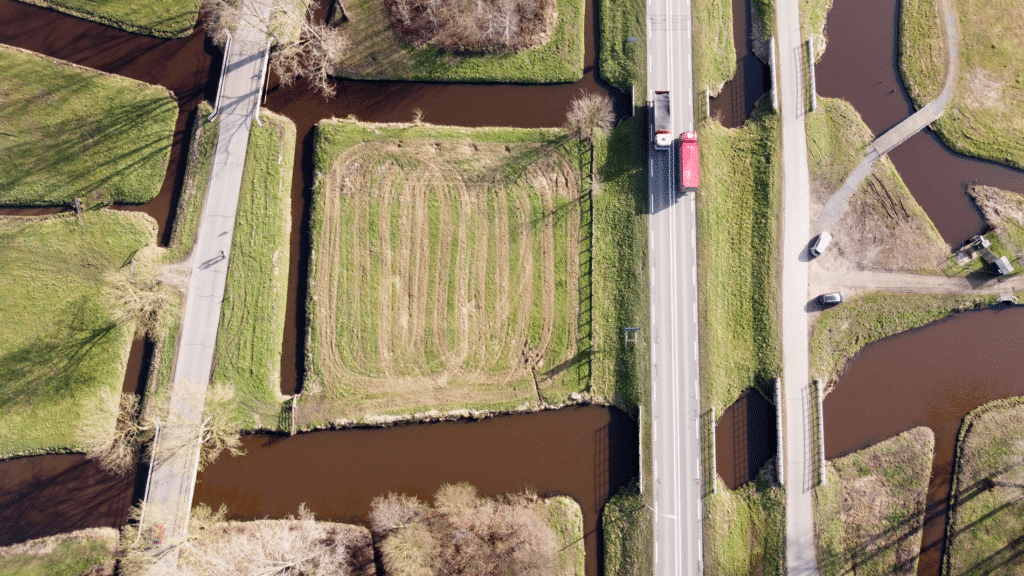
Redesigning a provincial highway is rarely a simple task. Especially not when major maintenance, traffic safety, accessibility, and environmental considerations all come into play. Commissioned by the province of South Holland, engineering firm Iv is working on the N214. A stretch of over 22 kilometers, involving modifications to intersections and roundabouts, improved bicycle crossings, and extensive ecological measures. At the same time, traffic must continue to flow as smoothly as possible, and the local community must remain well-informed. Iv is taking a comprehensive approach to this project: from analysis and design to phasing, coordination, and implementation. Now that the ecological work has begun, it is becoming clear how this approach is taking shape in practice.
The N214 serves as a key link between the A15 near Papendrecht and the A27 near Noordeloos. Major maintenance and improvements to traffic safety and traffic flow are necessary, while the road must remain accessible and the surrounding area must experience as little disruption as possible. Because the N214 is part of a larger regional network, any interventions have direct consequences for surrounding routes, villages, and towns. At the same time, the section of the N214 between the intersection with the N216 and the N3 is part of the Dutch Nature Network and serves an important ecological connectivity function. Traffic engineering modifications must therefore go hand in hand with a qualitative improvement of this ecological corridor. This combination makes the project more than just a technical redesign.
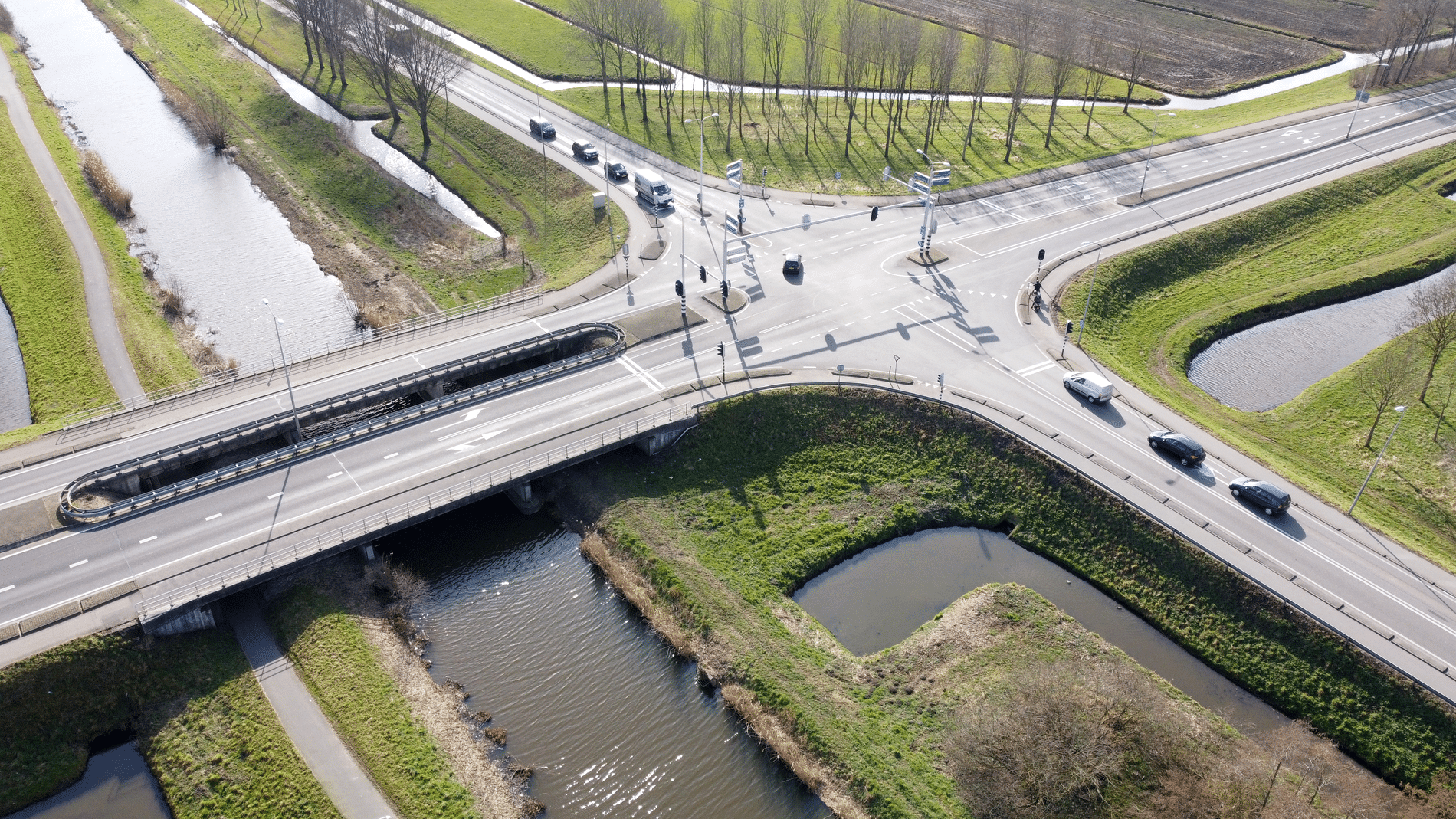
To manage this complexity, an integrated approach was adopted from the outset. Disciplines such as geotechnical engineering, civil engineering, traffic, ecology, water, and environmental management are developed in a coordinated manner. After all, decisions made in one area have direct consequences for other parts of the project. Iv has been involved from the early planning phase, from exploration and design through to the drafting of contracts. This constant involvement makes it possible to integrate technology, the environment, and implementation in a holistic manner.
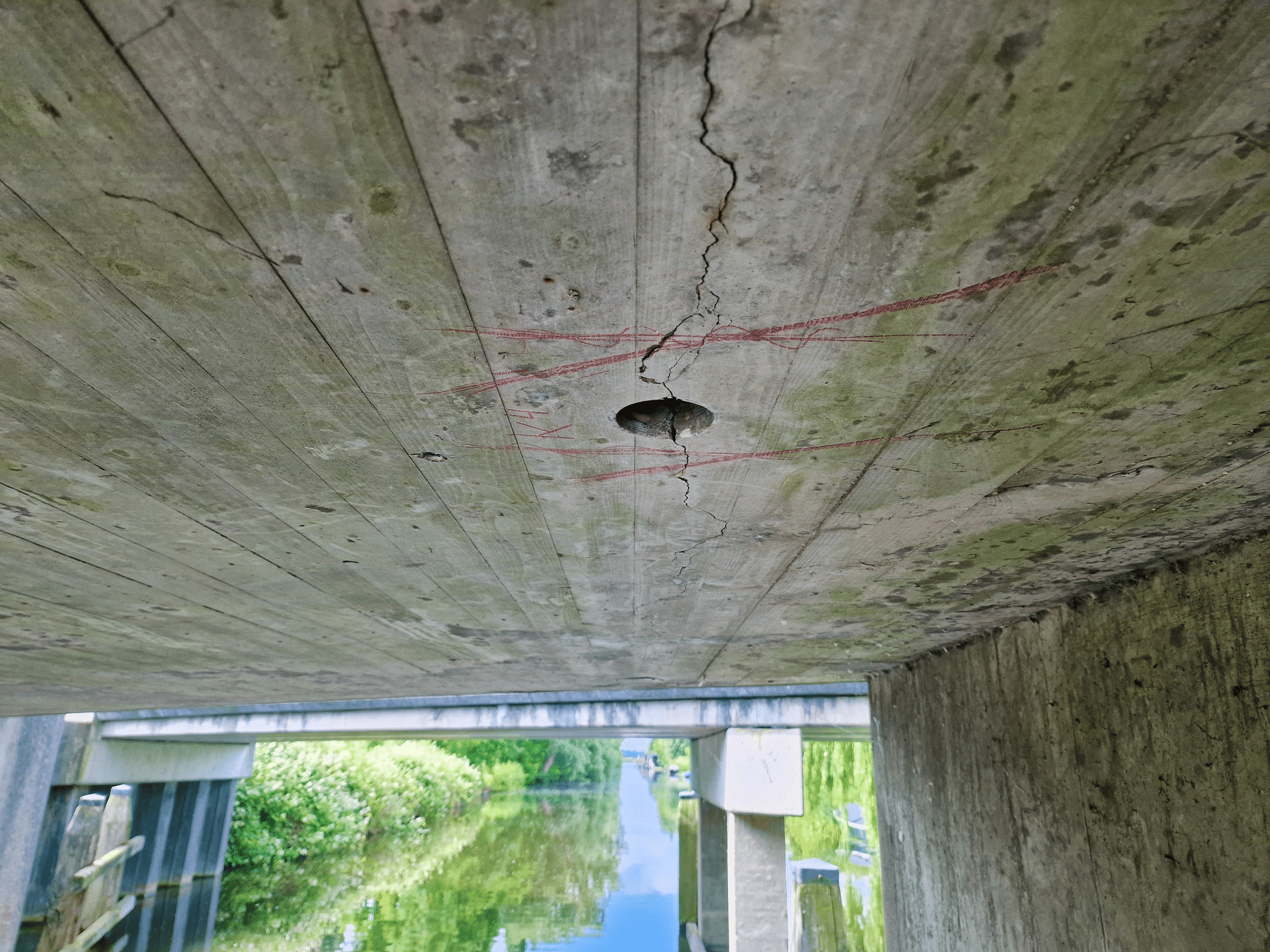
A concrete example is the intersection at Minkeloos. Due to the widening of the A27, the N214 will soon have two lanes at this location, requiring traffic to merge. The existing intersection is too close to this merging point, which would create an unsafe traffic situation. Based on traffic engineering and design advice from Iv, and in consultation with the province and Rijkswaterstaat, it was decided to relocate the intersection. This will improve traffic safety and create space for logical phasing and a design that is easy to implement. The N214 also requires custom solutions underground. At several locations, the road crosses a main transmission pipeline belonging to Gasunie. To prevent road widening from causing unwanted settlement or additional ground pressure on these pipelines, so-called culverts have been designed: structures that function as an underground bridge. This allows the road to safely pass over the pipelines without posing risks to infrastructure of national importance.
Water management also required a smart approach. Ditches and culverts were modified, and water flow was adjusted where necessary. Because the management and ownership of waterways often fall under different jurisdictions and ecological constraints come into play, standard solutions are not sufficient. At Ottoland, some distance from the road, a plot of land managed by Staatsbosbeheer was identified for an integrated water and nature compensation plan that benefits both the province and the local natural environment.
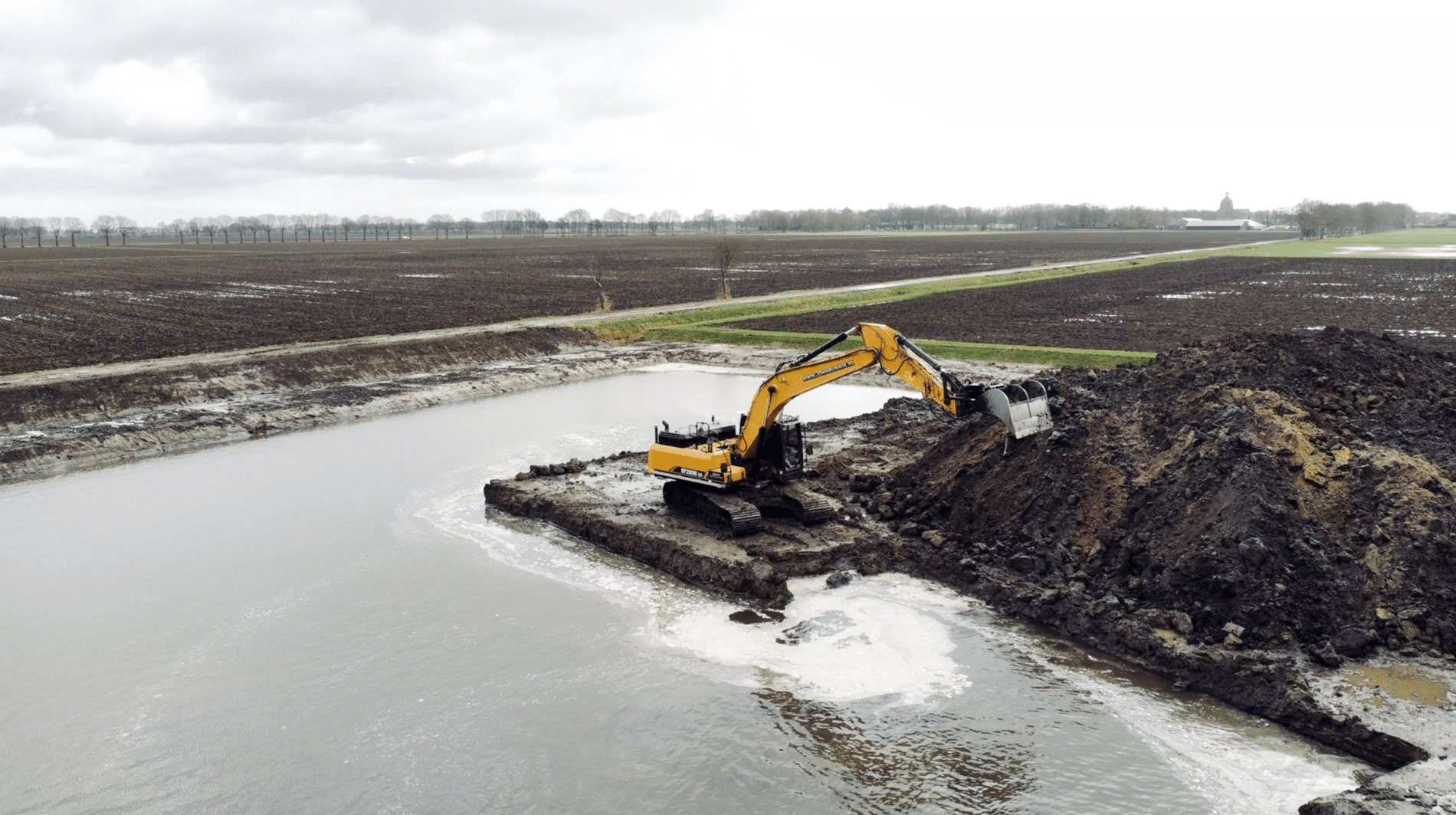
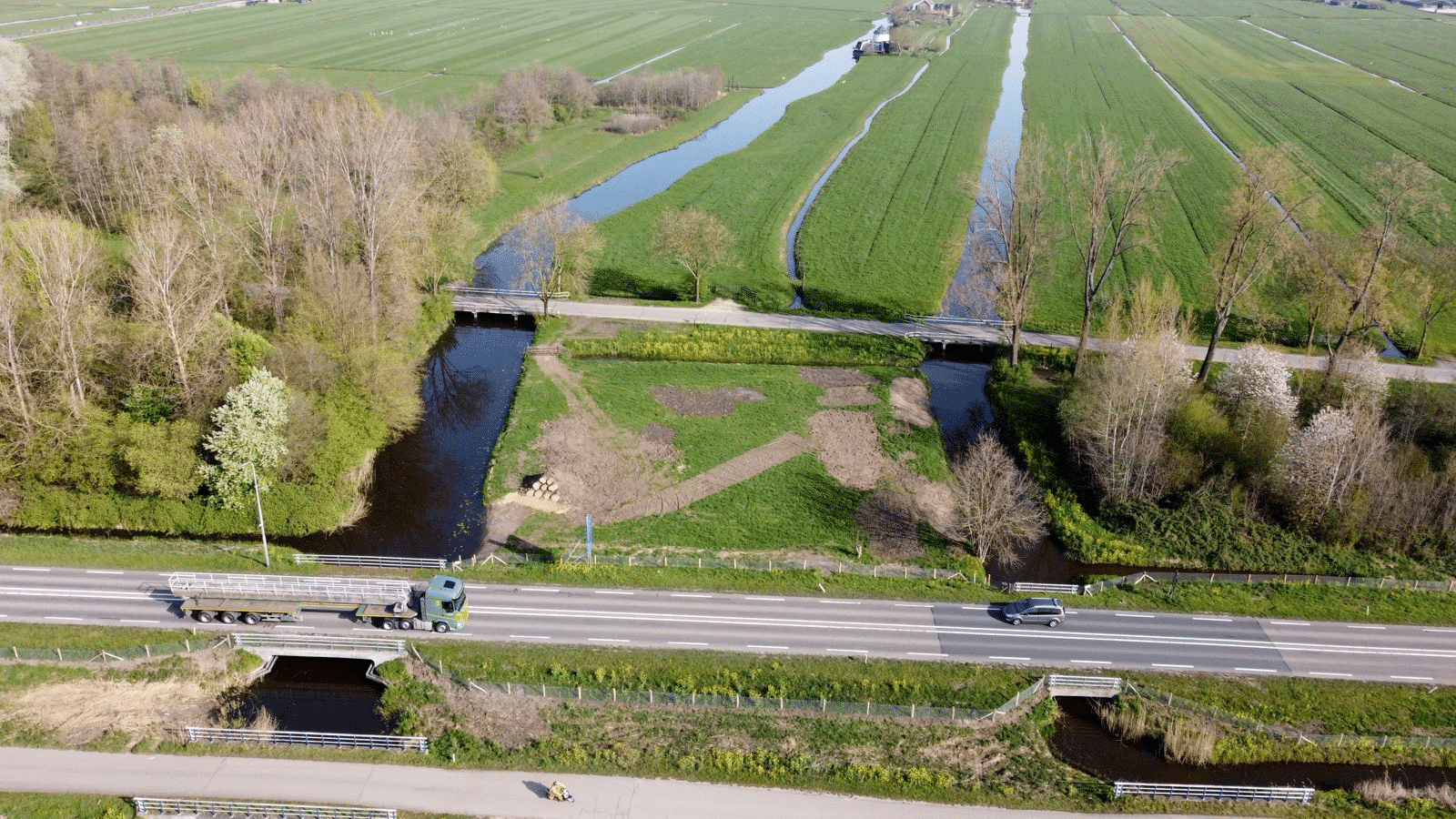
Ecology and nature are fully integrated. A greening and compensation plan was developed in collaboration with ecological consultant VanderHelm. Under this plan, various native trees and shrubs will be planted along the N214 to offset the impact of the project. A varied planting scheme creates a diverse tree structure featuring species such as common ash, black alder, pollarded willows, pedunculate oak, blackthorn, and hawthorn. In addition, the engineering structures (culverts and bridges) will be designed to be otter-friendly and equipped with wildlife crossings, so that otters can safely pass under the N214. Furthermore, walkways will be installed or restored beneath the structures, copses will be planted, natural banks will be restored, and bee hotels will be constructed. Local ecologists, farmers, and landowners are involved to ensure the measures are practically feasible and blend well with the surrounding environment.
In addition to its technical complexity, the project requires careful environmental management. The N214 runs through diverse landscapes and residential and commercial areas, involving the varying interests of residents, road users, municipalities, and management bodies. Iv coordinates with stakeholders in close collaboration with the province and other involved parties. This involves not only providing information but also working together to find feasible solutions that have broad support.
Public information sessions were held at various stages, and digital platforms were used to keep the local community informed about plans and progress. Now that the first phase of implementation is beginning, communication with businesses, villages, and relevant government agencies is being stepped up so that traffic measures and road closures can be coordinated in a timely manner and disruptions can be minimized.
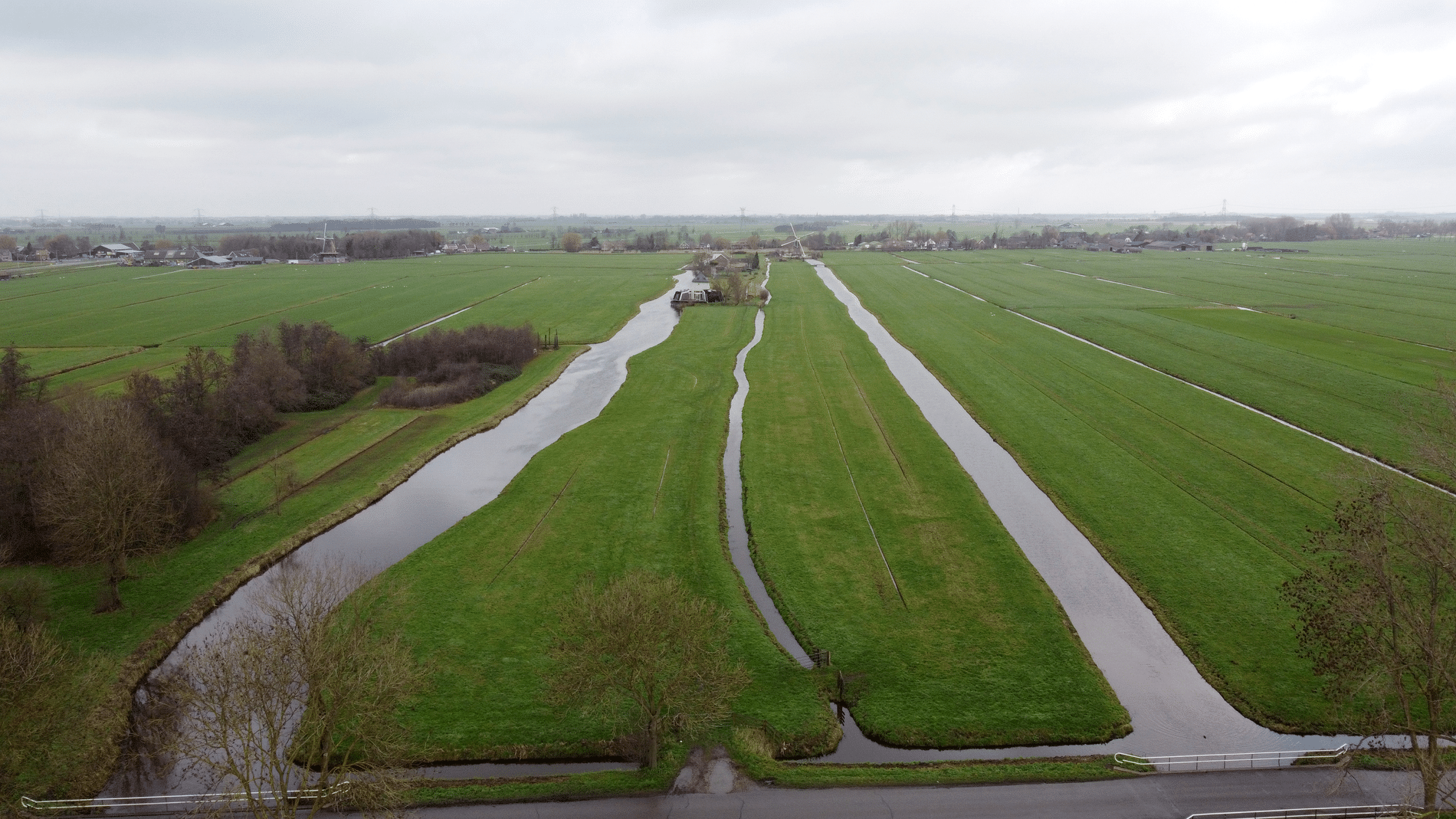
Due to the scale of the project, the work has been divided into four contracts. The start of the ecological work marks an important milestone: for the first time, the results of years of preparation are becoming visible. Implementation is deliberately starting with ecological work so that measures can be taken in a timely manner and later work is not hindered. This work will be followed by major maintenance and improvements to traffic safety through the installation of shoulder paving. Step by step, the N214 is thus evolving into a safer, more accessible, and future-proof provincial highway.