Platform on civil engineering, underground infrastructure, energy, construction equipment & construction machinery
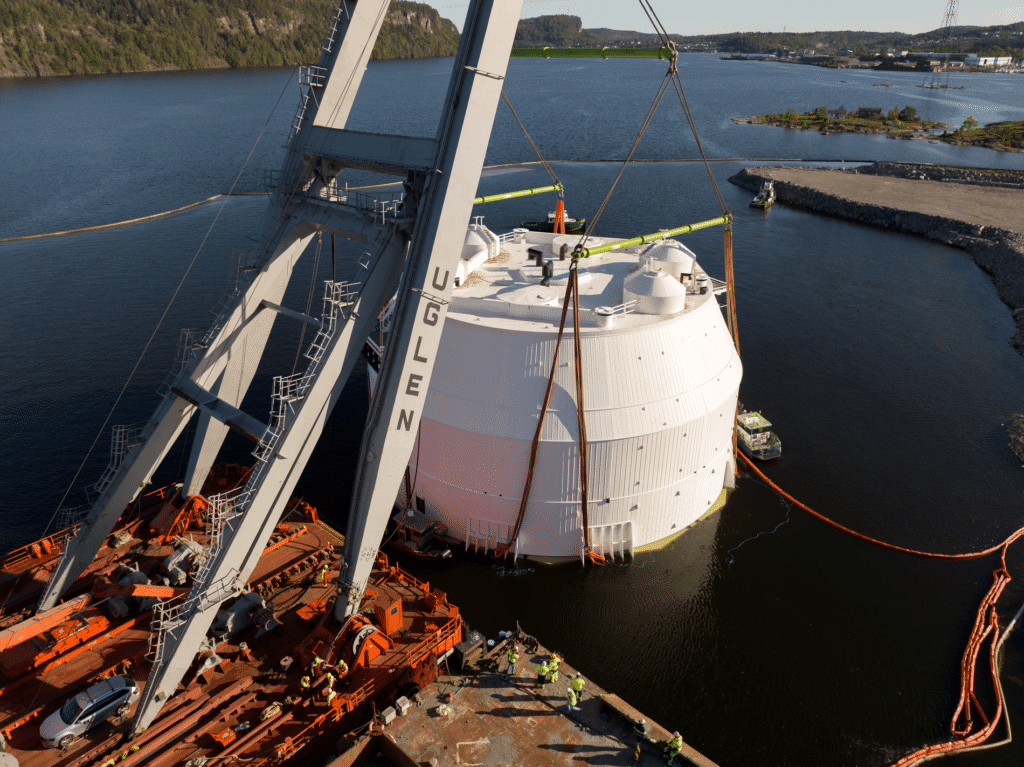
In Norway, Bluegreen built several fully enclosed polyethylene aquaculture systems for FishGlobe. AGRU supplied structural plastic components and piping systems for these projects. The facilities enable controlled fish production under marine operating conditions.
Continuous use in a marine environment places high demands on both materials and design. Saltwater, high UV exposure, extreme temperature fluctuations between day and night, and constant mechanical stress from wave action continuously affect the structure. For large-scale welded structures, the choice of material is therefore a decisive factor in the installation’s service life.
PE 100-RC was selected for use in Norway. This material was developed to provide high resistance to slow crack growth and offers significantly greater robustness under notched loading than conventional HDPE. For large-scale aquaculture structures in the 30,000 m³ class, this provides an important safety margin.
Polyethylene is also resistant to corrosion caused by seawater. Additional protective measures such as coatings, sacrificial anodes, or cathodic corrosion protection are therefore not necessary. For use under the climatic conditions of the Red Sea, the material was also stabilized with UV stabilizers and antioxidants to slow down photo-oxidation and thermal aging.
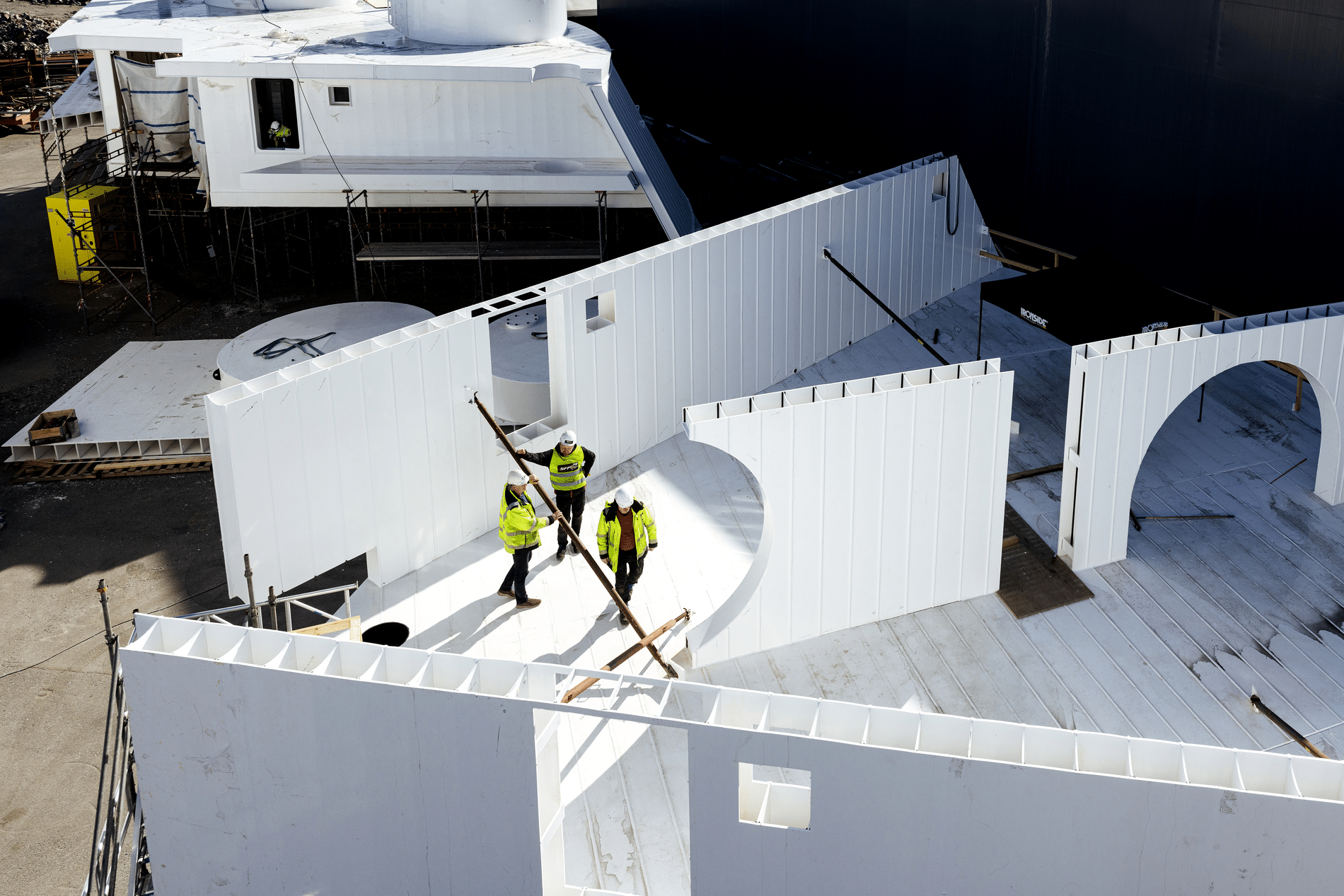
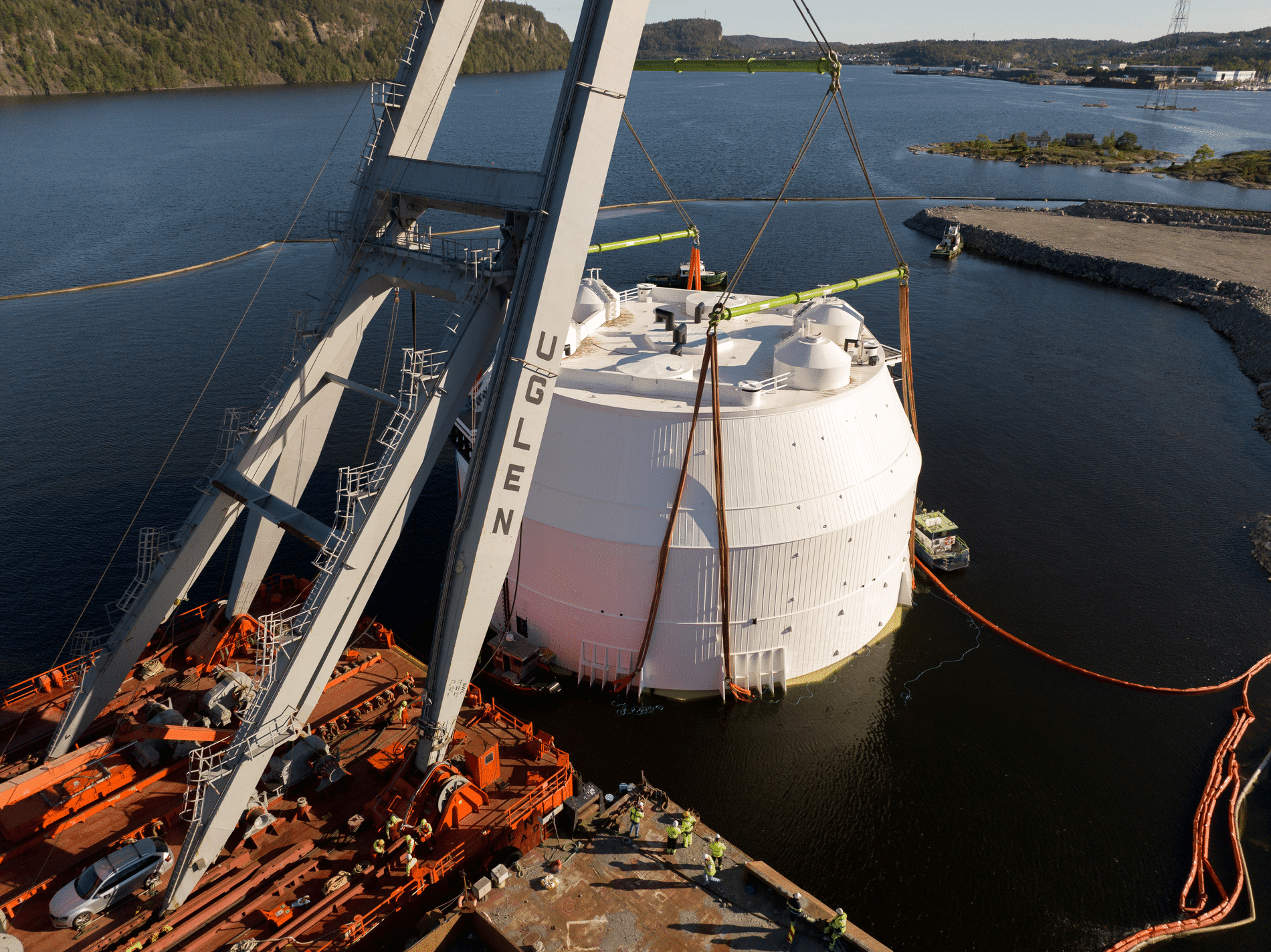
The outer wall of the structures consists of a double-walled, welded sandwich construction made of polyethylene panels. The large-format panels were bent into segments on site and then joined together using butt welding (mirror welding) with heated tools and extrusion welding.
Large-format semi-finished products reduce the total length of the welds and, consequently, the number of joints. The consistent quality of the large-scale welded joints ensures that the joint areas meet the mechanical requirements for offshore use.
For this project, AGRU supplied approximately 600 metric tons of white, highly UV-stabilized PE 100-RC sheets measuring 5 × 2 meters and with thicknesses of up to 50 mm. In addition, the delivery included welding wire and more than 200 linear meters of PE 100-RC pressure pipe (DN 1200) for the intake and discharge of seawater.
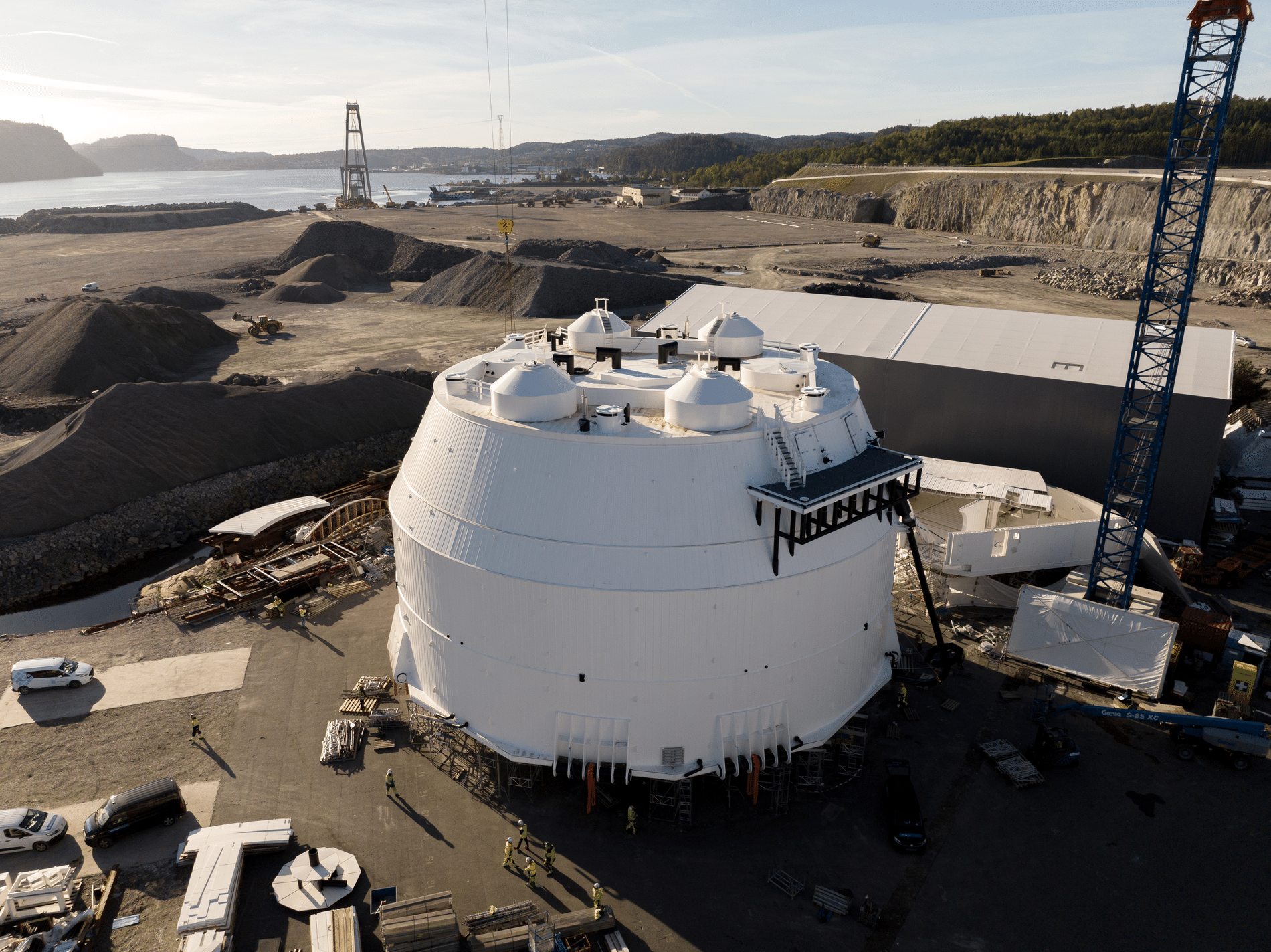
The operational concept of the facilities is both technically and biologically closed. Seawater is drawn in under controlled conditions from a depth of between 45 and 50 meters and then filtered. This limits surface contaminants and the influx of parasites, while at the same time taking advantage of more stable temperature conditions.
Solid components originating from feed residues and feces are collected within the system and discharged in a controlled manner. The smooth PE surfaces simplify cleaning and hygiene management, as marine fouling and microorganisms are less likely to adhere to them. An integrated flow channel ensures even water circulation within the system.
The concept of closed-containment aquaculture was developed by FishGlobe. The aquaculture units with integrated flow channels were custom-built for this project by the industrial partner Bluegreen.
In late September 2025, Bluegreen launched the FishGlobe 3.5K (3,500 m³) and FishGlobe 10K (10,000 m³) units at the Frier Vest site as part of a heavy-lift operation. The units measure 14 meters in height and 23 meters in diameter, and 17 meters in height and 33 meters in diameter, respectively.
After the inspections and tests were completed, the aquaculture units were delivered to an international customer in Saudi Arabia, where they are now operational.
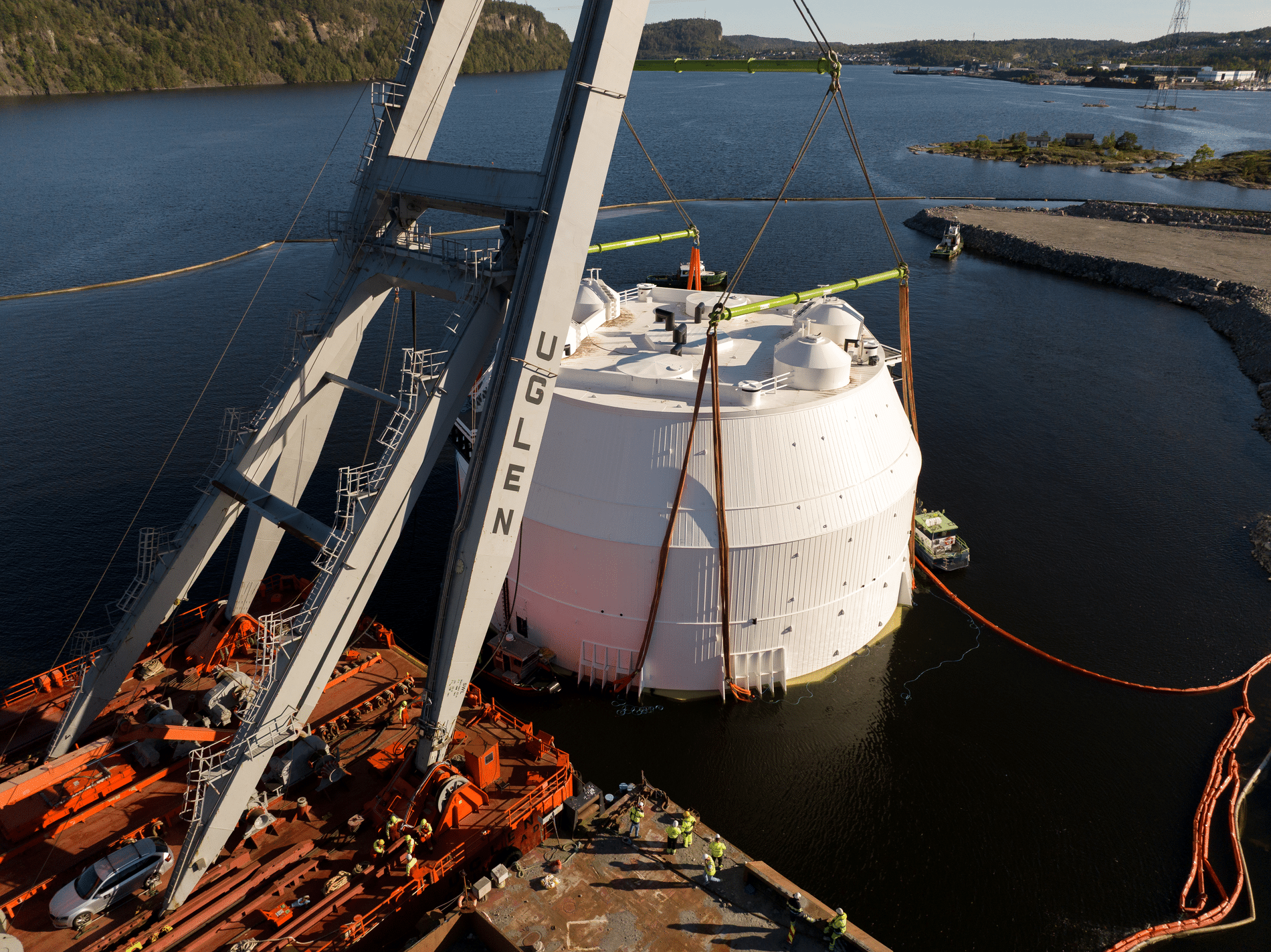
AGRU supported the project’s development as a materials and systems partner. The range of services included suitable materials for plastic semi-finished products and piping components, as well as application-specific advice, welding technology, custom dimensions, and coordinated delivery logistics.
This close integration of services proved to be particularly important under construction site conditions involving crane operations, welding, and limited time windows. AGRU contributed its materials science expertise as early as the planning and design phase and supported the project with targeted technical recommendations.
At the same time, preparations are underway for the largest implementation of the system to date: the FishGlobe 30K, with a volume of 30,000 m³.
“AGRU’s close collaboration and in-depth understanding of the challenges associated with the use of plastic products in marine environments have contributed significantly to the successful completion of the project,” said Albert Lueghamer, Head of the Technical Department at AGRU.