Platform on civil engineering, underground infrastructure, energy, construction equipment & construction machinery
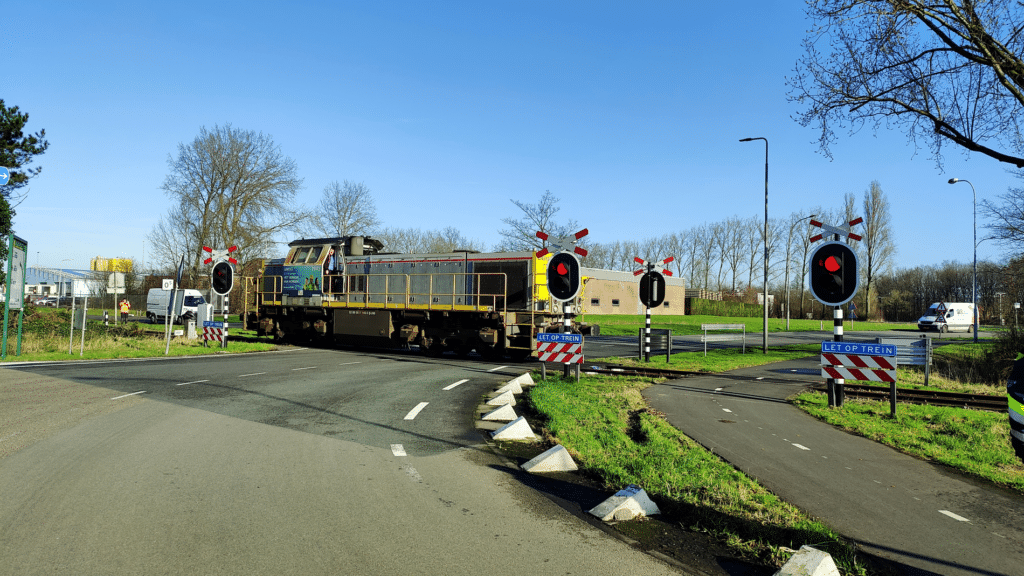
Outdated systems in Terneuzen led to the development of a new railroad crossing control system
The task seemed simple: replace a number of outdated railroad crossing systems in Terneuzen. In practice, however, it turned out to be much more difficult. The existing technology was no longer supported, most of the documentation was missing, parts were barely available anymore, and there was no suitable alternative. The customer had already approached several parties with the request, but without success. “The rail industry suppliers consulted by the customer indicated that they did not have a solution available at the time for railroad crossings off the main line,” explains Maarten van Dis, Rail Project Manager at Pilz. “It is precisely these kinds of challenges that we find interesting.” The solution was not limited to a single project but evolved into a generic level crossing control system for railroad crossings without barriers located off the main track.
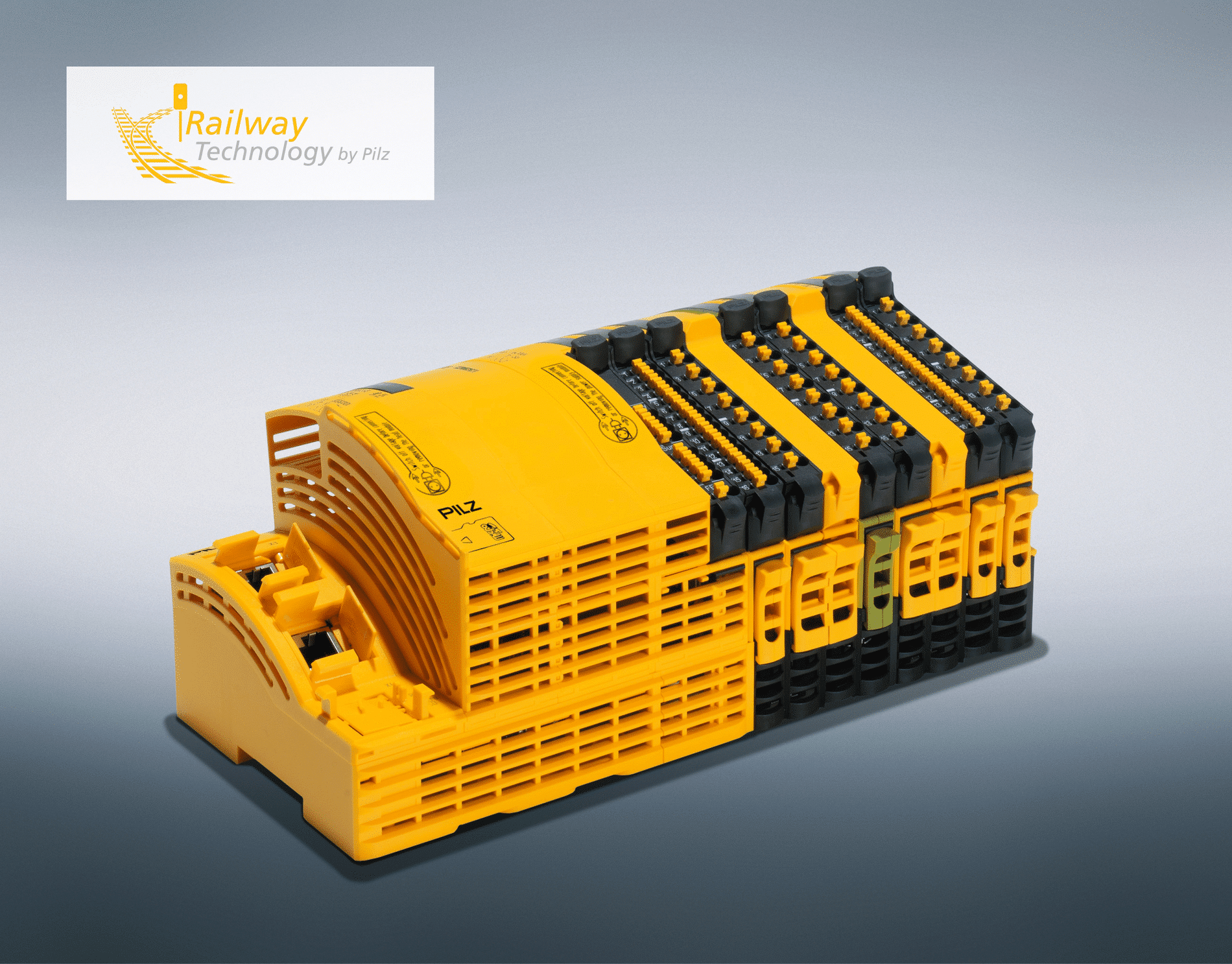
The control system was initially developed as a custom solution for the railroad crossings in Terneuzen. Even during the design phase, Pilz decided to make the solution more widely applicable to railroad crossings without barriers located off the main track.
“Similar systems are in operation at many industrial rail lines, port facilities, and museum railways, and they’re nearing the end of their service life,” Maarten explains. “If you’re going to develop a new control system anyway, you might as well make it generic from the start, so it can be used at other locations as well.”
This led to the development of the PHAOL (Pilz Semi-Automatic Railroad Crossing with Light System): a generic control system for manually operated and semi-automatic railroad crossings without barriers outside the main railway infrastructure.
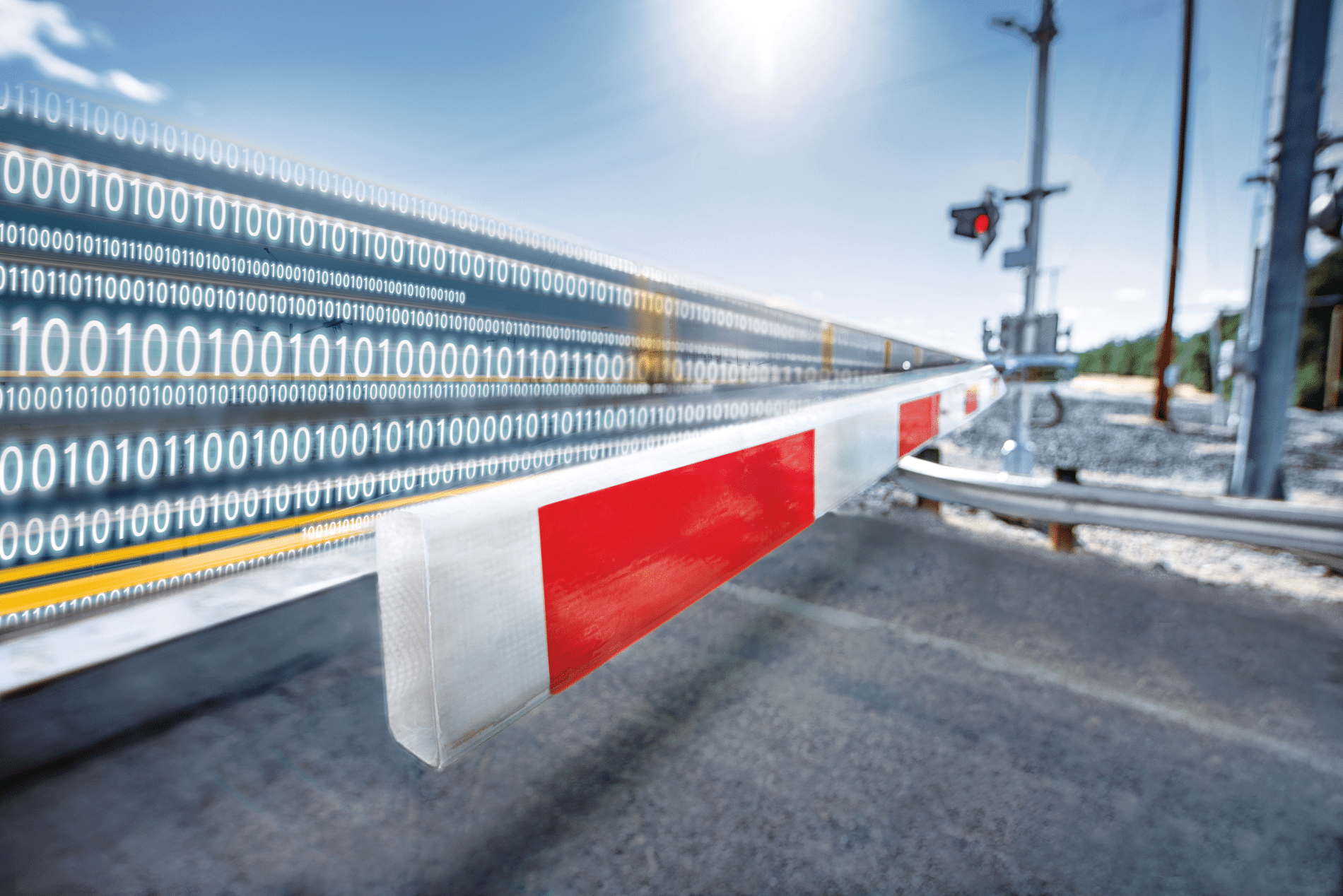
Pilz develops safety solutions for both mainline rail and industrial railways. It was precisely this combination that made it possible to develop a suitable solution for this application. “Different principles apply off the main line than on the main line, but safety remains the top priority,” says Maarten.
According to him, the need for safe solutions is growing. There are still many completely unguarded railroad crossings on the branch lines leading from the main track to industrial sites. At the same time, traffic is increasing. “Rail operators are becoming increasingly uncomfortable with this situation. They no longer want to stand at the railroad crossing with a flag to stop traffic.”
For the PHAOL, Pilz therefore opted for a configurable safety relay. Since this is a less complex railroad crossing, a full PLC control system suitable for railway applications is not necessary. The controller manages the signal lights and monitors the entire process of train registration, passage, and deregistration.
Not only safety, but also maintenance played an important role in the design. Due to the shortage of maintenance personnel, there is a growing need for solutions that quickly identify malfunctions.
Through the Pilz Monitoring Platform, maintenance teams can remotely view the current status of the system. In the event of a malfunction, they receive an immediate notification and can assess what action is needed before a technician arrives on site.
In addition, Pilz made deliberate use of COTS (Commercial Off-The-Shelf) components. As a result, parts are readily available through regular suppliers, and administrators are less dependent on specialized suppliers. The use of LED technology also reduces maintenance requirements.
“We designed the solution to be as open as possible,” says Maarten. “After completing training, maintenance teams can perform many tasks on their own. That makes facility managers less dependent on outside contractors.”
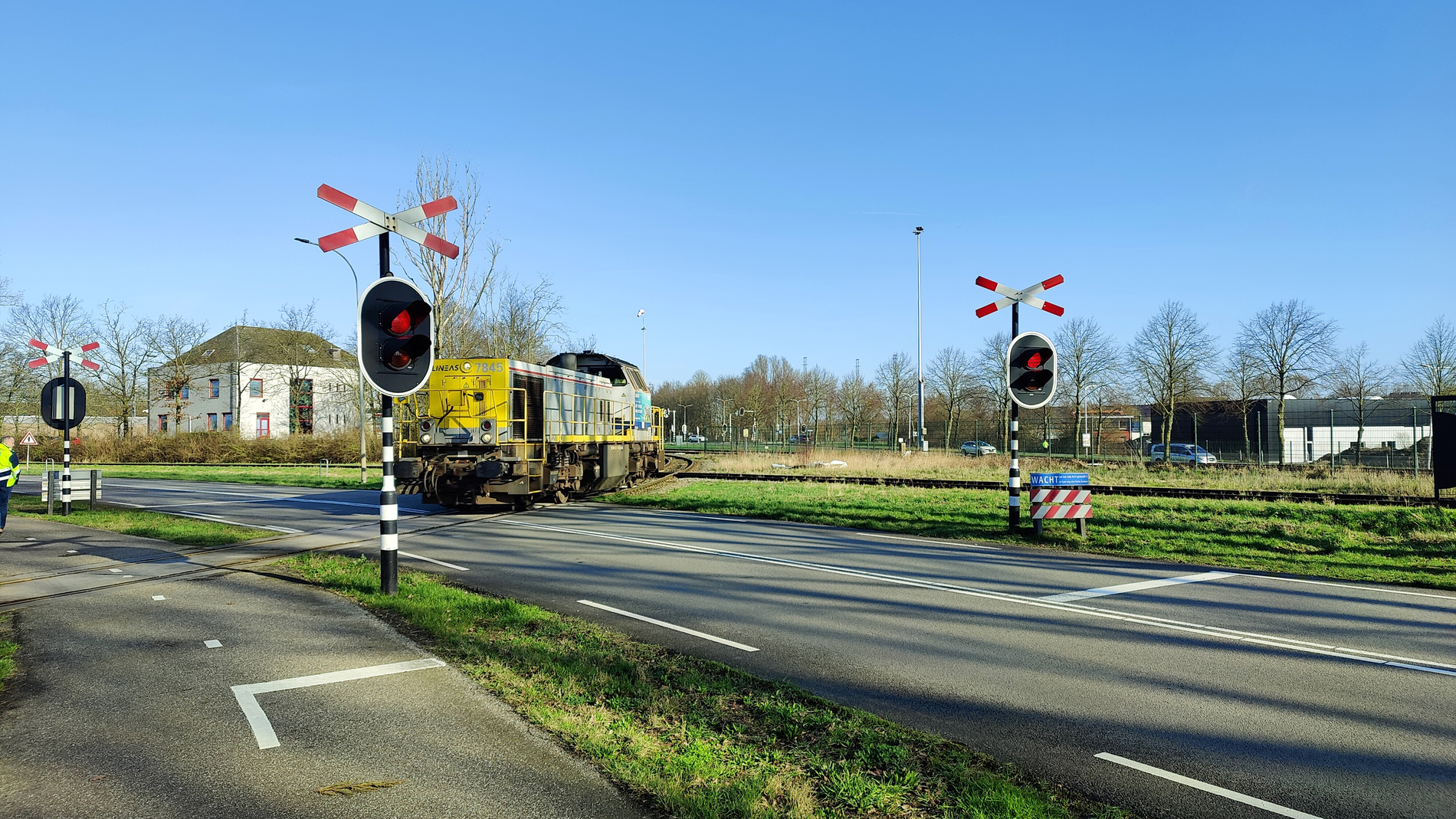
For Maarten, the development of the PHAOL demonstrates above all that safety does not always call for a standard solution. “It’s precisely off the beaten path that you encounter situations that call for a slightly different approach,” he says. “We developed a solution that combines safety, ease of maintenance, and future-proofing, and can be applied at many more locations.” According to Maarten, demand for these types of solutions will only increase in the coming years. Not because the technology is changing, but because operators are increasingly looking for solutions that are both safe and practical to manage.
Neem dan rechtstreeks contact op met Pilz.
 Contact opnemen
Pilz GmbH & Co. KG is a technology leader in safe automation technology. In this field, Pilz is consistently developing into a total supplier with solutions for safety and automation technology. Pilz' goal is to automate machines and plants in such a way that the safety of people, machines and the environment is always guaranteed. Specialized in the infra field Pilz has [...]
Bekijk Bedrijfsprofiel