Platform on civil engineering, underground infrastructure, energy, construction equipment & construction machinery
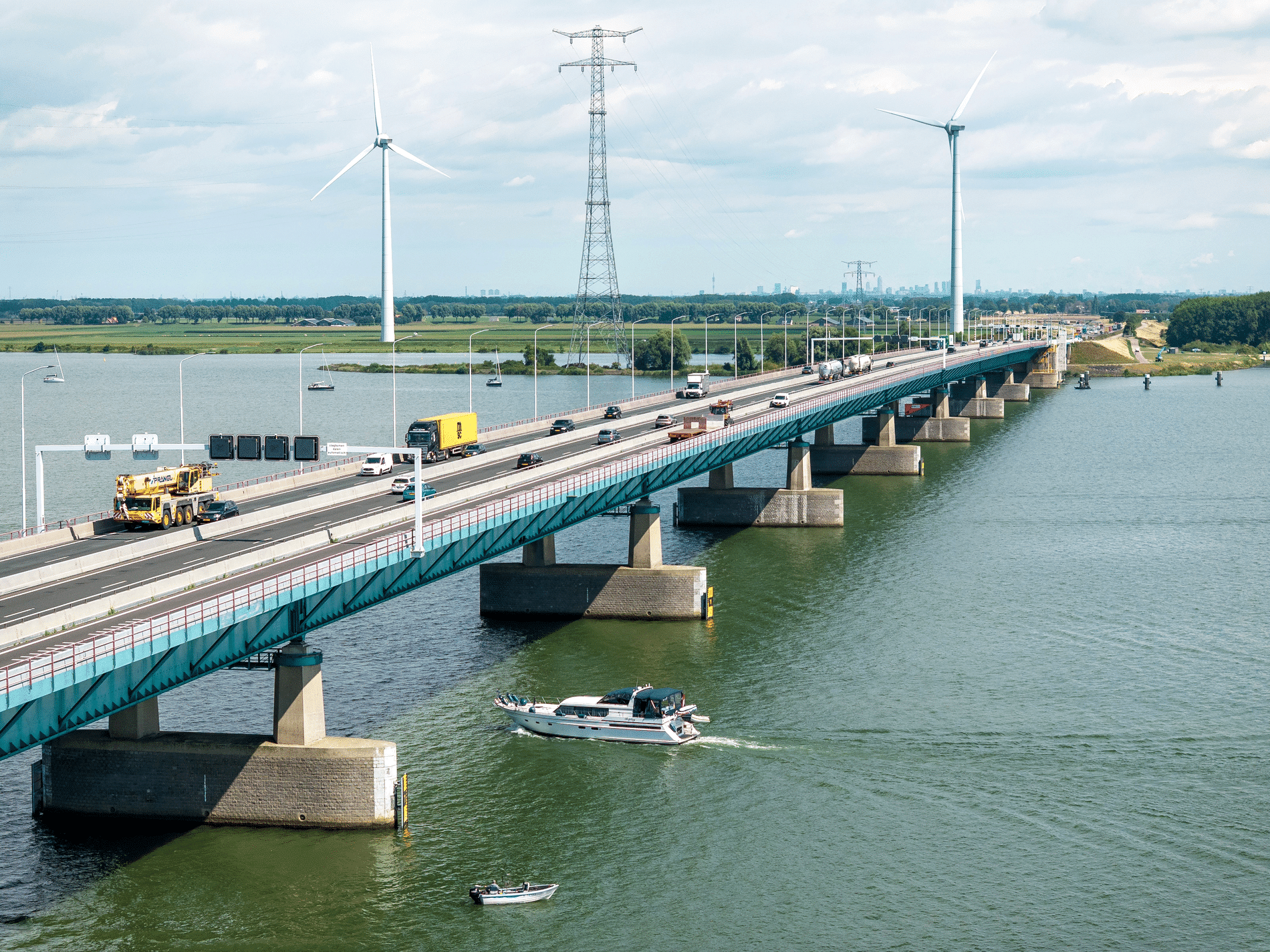
The Netherlands faces a major infrastructure challenge in the coming decades. Bridges, locks, quays, revetments, and other hydraulic engineering structures must be renovated or replaced, while at the same time higher standards are being set for sustainability, service life, and efficiency.
In the infrastructure sector, there’s a lot of talk about concrete, steel, and wood. Less visible, but essential to the lifespan of a structure, are the fasteners that ultimately hold everything together. Stafa specialists Thomas van Leeuwen and Pieter Boermans serve as the bridge between the product and the customer. With their knowledge of fasteners and their applications, they work with clients to determine the right connection for every project.
In civil engineering in particular, fasteners are subjected to harsh conditions. Moisture, rainwater, temperature fluctuations, and road salt place high demands on the fasteners. For this reason, wooden bridges, piers, revetments, and other hydraulic engineering structures frequently use wood-threaded bolts, carriage bolts, studs, nuts, washers, and stainless steel screws. Choosing the right material and the right surface treatment may seem like a minor detail, but it can have a major impact on the service life of a joint.
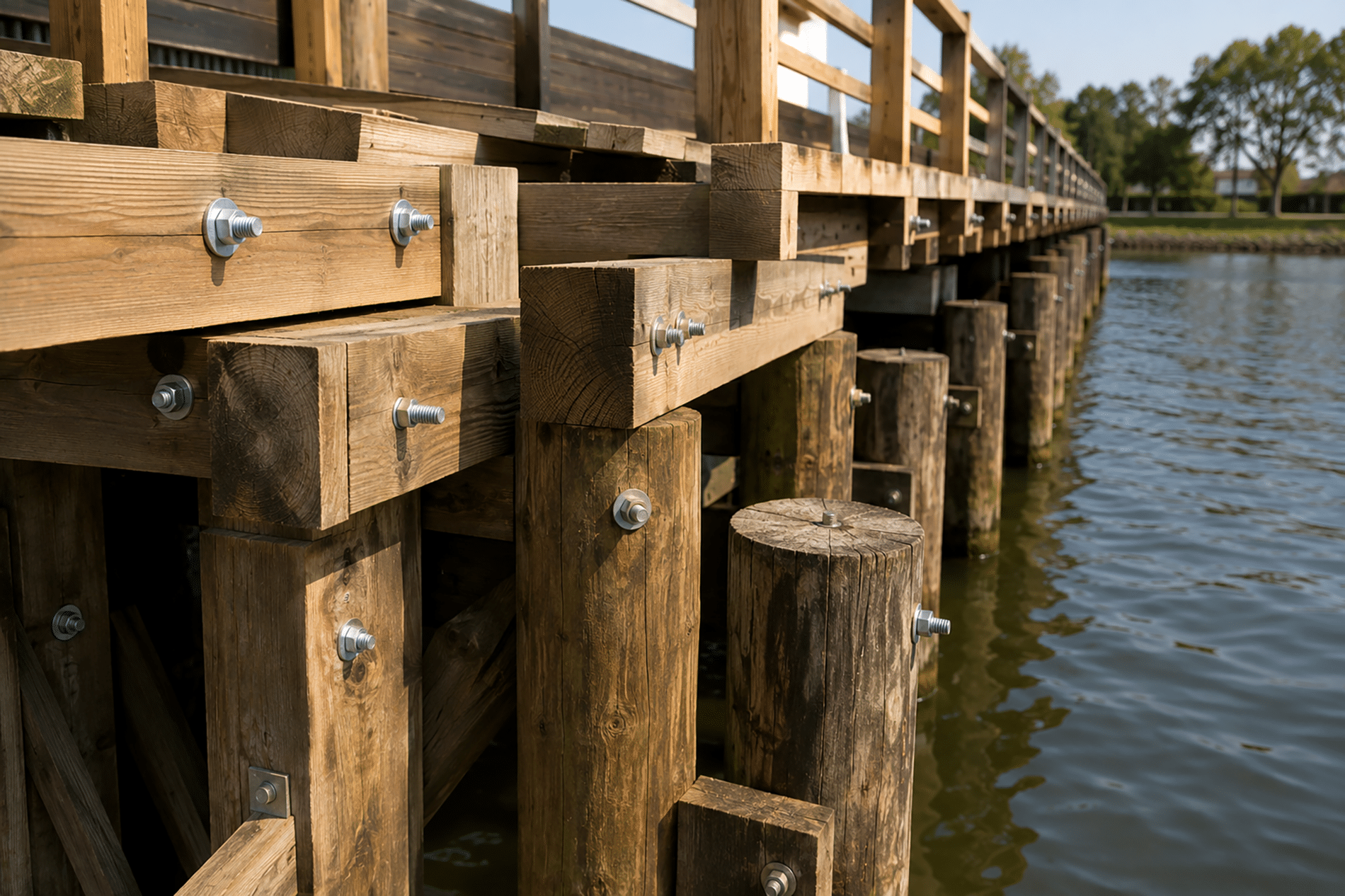
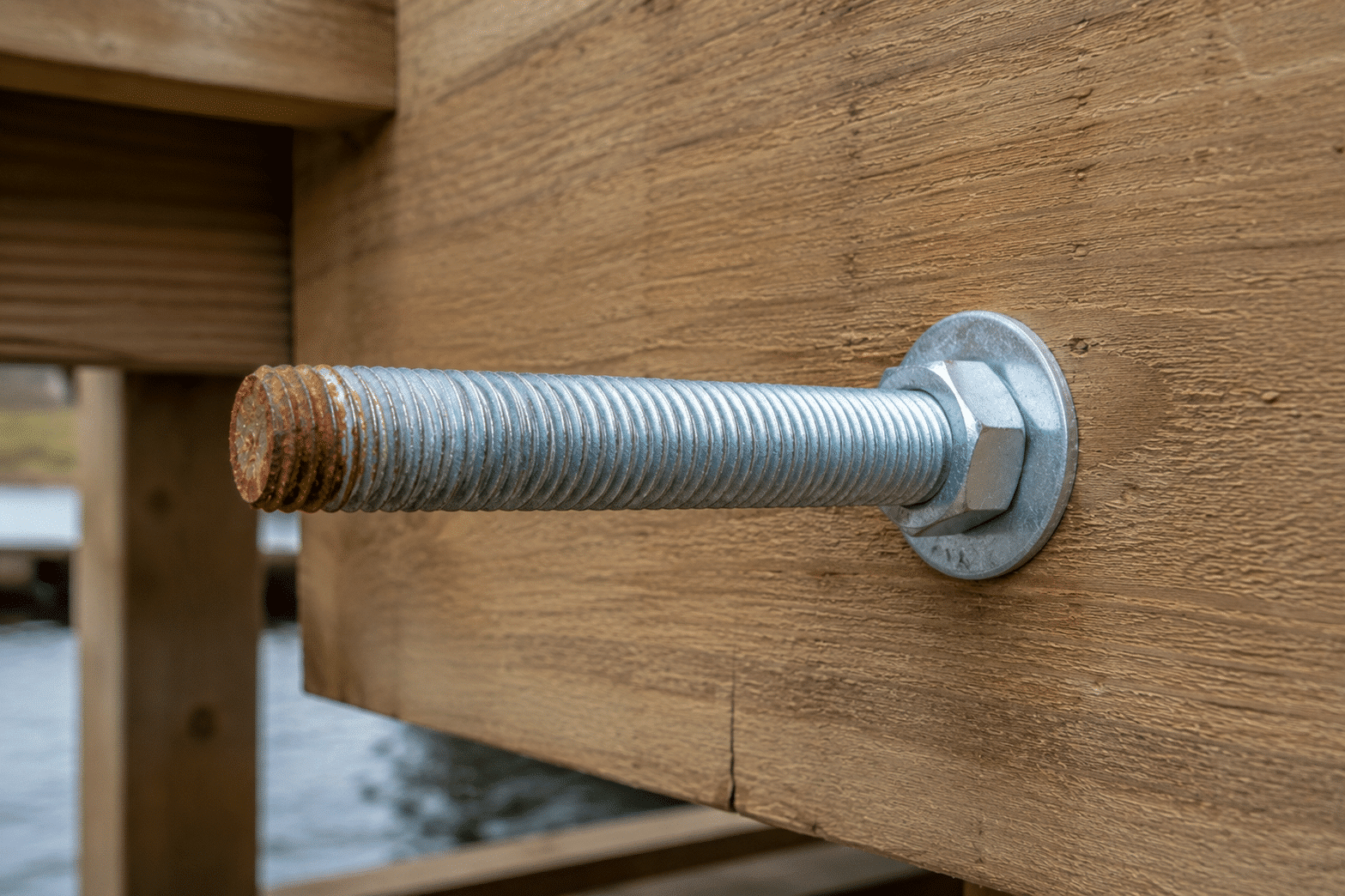
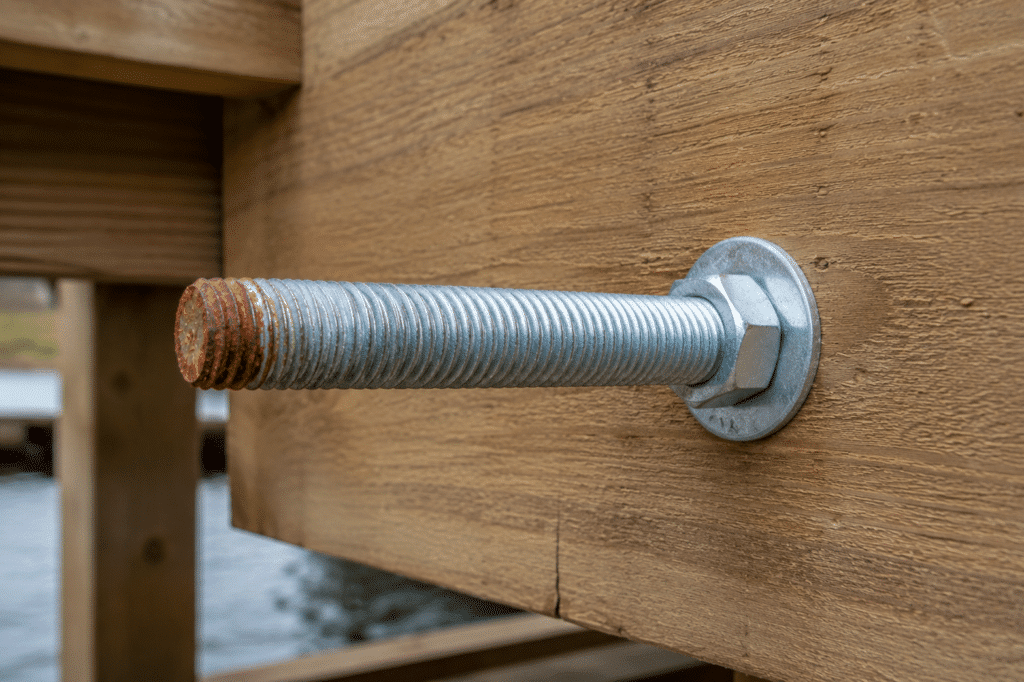
A good example is a hot-dip galvanized threaded rod. “Have you ever seen rust forming on the head of a hot-dip galvanized threaded rod? If so, it’s possible that the threaded rod was cut from a longer piece and the cut was then touched up with zinc spray,” explains Thomas van Leeuwen, product specialist at Stafa. When the stud is cut, the original zinc coating is broken. The head is then often touched up with zinc spray. However, this is not the same as a threaded stud that has been fully hot-dip galvanized to its final length.
With full hot-dip galvanizing, the entire threaded rod, including the ends, is included in the galvanizing process. This creates a durable, metallurgically bonded zinc coating around the product. “That’s precisely where an important difference lies,” adds Pieter Boermans, account manager at Stafa. Stafa keeps standard lengths of fully hot-dip galvanized threaded rods in stock. “This means they don’t have to be cut from longer galvanized threaded rods and then touched up at the ends with zinc spray.”
Especially when used in damp outdoor environments, it is therefore important to ask not only, ‘Is the threaded rod hot-dip galvanized?’ but also, ‘Is the threaded rod fully hot-dip galvanized to its final length?’ A small difference that can be relevant to the corrosion protection and service life of the connection.
Of course, an infrastructure project involves more than just threaded studs. Depending on the structure and environment, various fasteners are required. Stafa offers a wide range of products for timber and hydraulic engineering structures: from hot-dip galvanized wood screws, carriage bolts, and fully hot-dip galvanized threaded studs to stainless steel screws, nuts, washers, and custom fasteners. It’s not just about supplying products. Stafa works with you to determine the right choice of materials, dimensions, surface treatments, and practical applicability. With an extensive inventory and the ability to provide custom solutions, we can meet both standard needs and specific project requirements.
“We like to get involved early on in a new project,” says Thomas. “What’s needed, which design is best suited to the application, and how can we ensure that the right materials are available at the right time?”
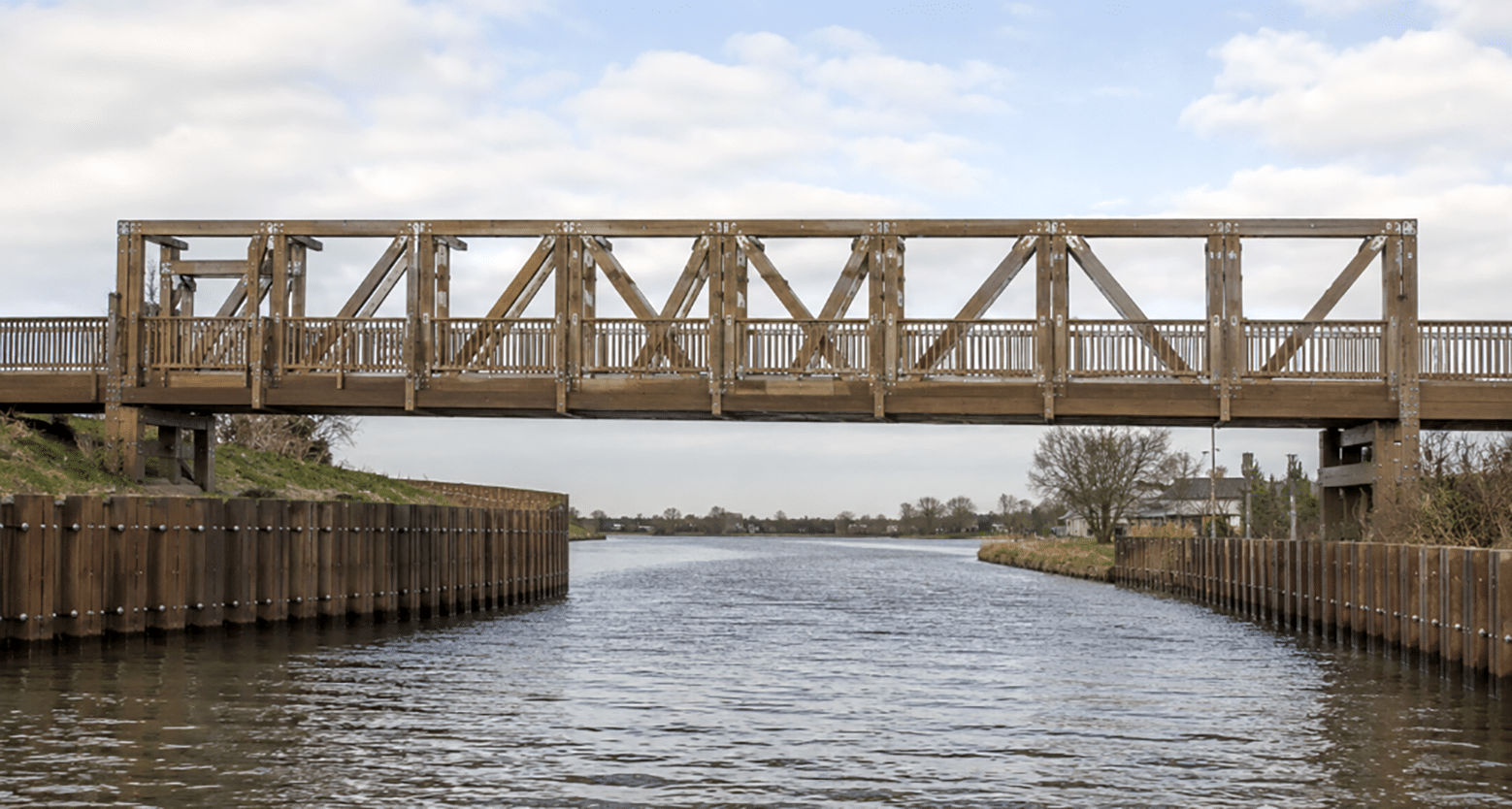
Efficiency is also becoming increasingly important. Any task that can be avoided in advance no longer needs to be done on the construction site. Consider threaded rods that are delivered directly in the correct length and fully hot-dip galvanized. Project-specific packaging, clear labeling, and deliveries organized by project phase can also help minimize search time, extra steps, and errors. Therefore, the cheapest bolt or threaded rod is not automatically the most economical solution. Processing time, availability, maintenance, and service life also ultimately determine the total cost of a connection.
In the coming years, many new, replacement, and renovation projects are planned for the Dutch infrastructure. Whether it’s a wooden bridge, a pier, revetment, sheet pile wall, or other hydraulic engineering structure, reliable connections literally form the foundation. Stafa supplies the fastening materials for every project. “Would you like to partner with us on a new project? Then contact the specialists at Stafa.”