Platform on civil engineering, underground infrastructure, energy, construction equipment & construction machinery
From sustainable infrastructure solutions in hydraulic engineering to innovative applications beyond that field
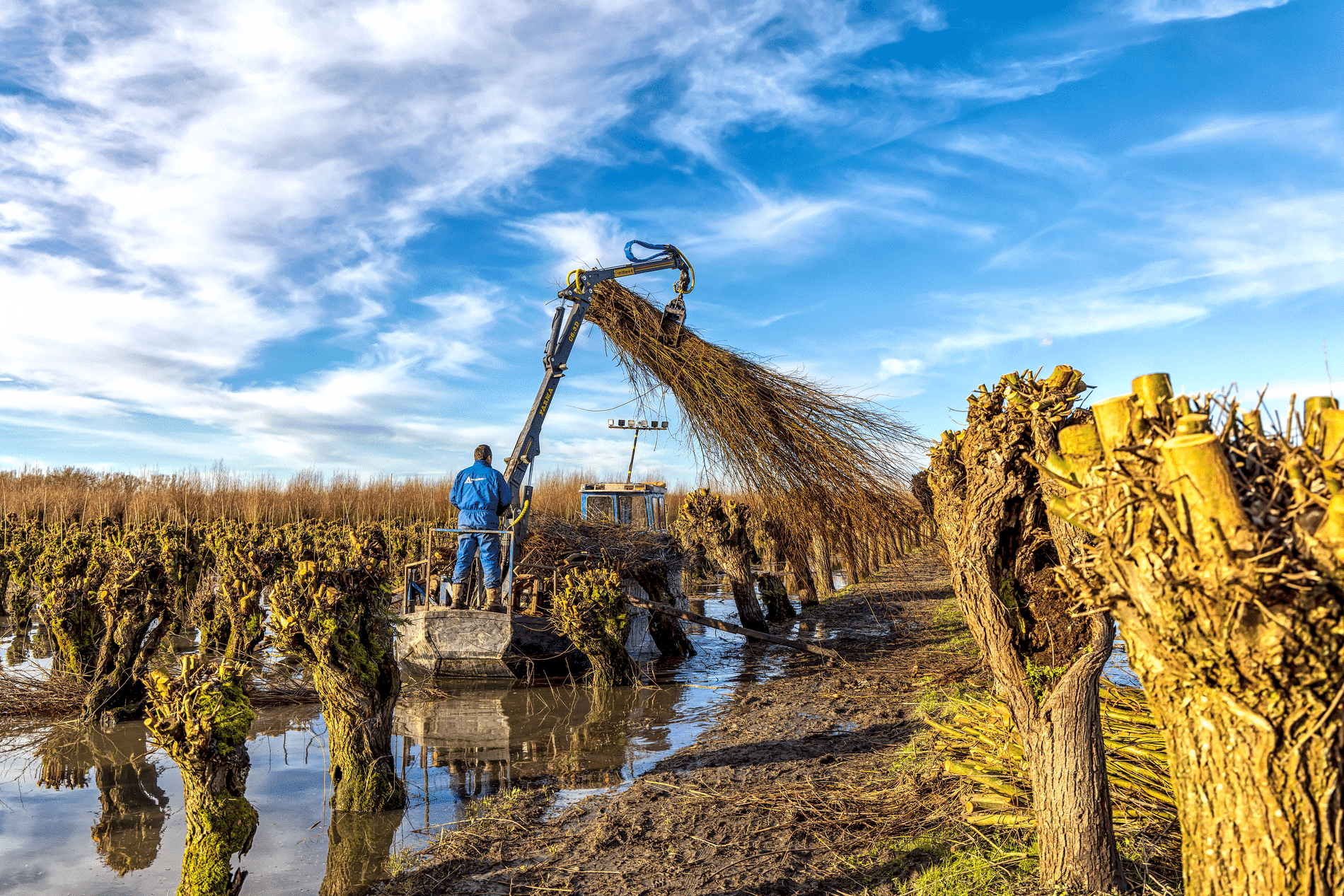
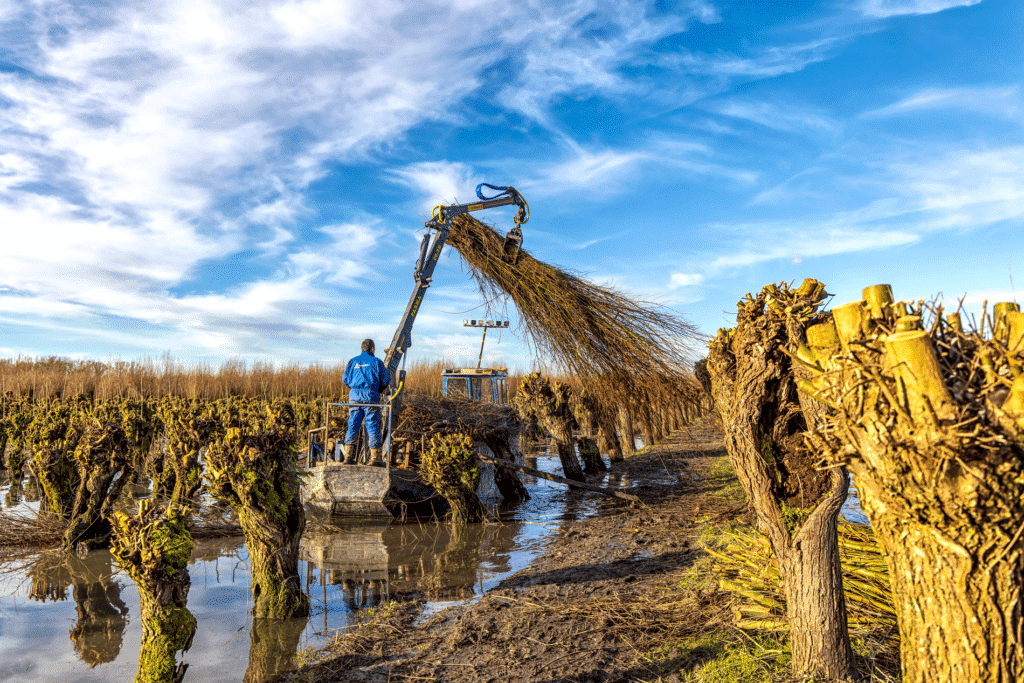
The quintessentially Dutch willow has been a trusted material in Dutch hydraulic engineering for generations. The family-owned company Van Aalsburg has been working with it since its founding and continues to see new possibilities. Not because the willow has changed, but because this natural raw material provides answers to an ever-increasing number of needs. From sustainable infrastructure solutions in hydraulic engineering to innovative applications beyond that: according to Rico Hoskam of Van Aalsburg, the willow is far from having reached its full potential.
“We use traditional techniques and materials that have been around for hundreds of years, but we apply them in a world that is once again seeking natural solutions,” says Rico Hoskam, commercial manager at Van Aalsburg.
For years, the focus was primarily on technical and synthetic solutions. Now, interest is growing in biobased alternatives with a lower environmental impact and a local source. “Willows grow naturally in the Netherlands, absorb CO2 as they grow, sequester it long-term underwater, and also score well on metrics such as the MKI. So it actually makes sense to take another look at the potential of willows.”
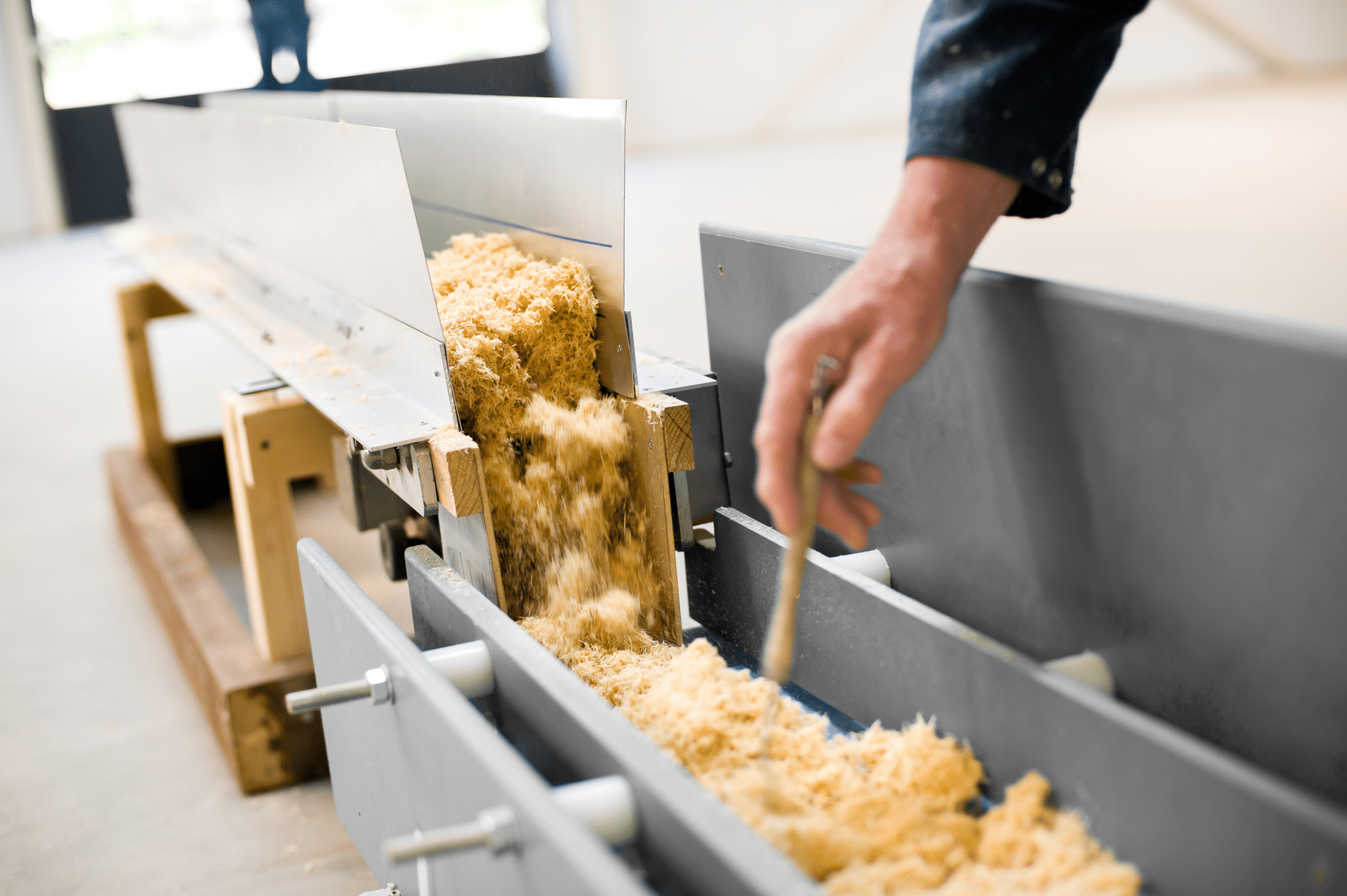
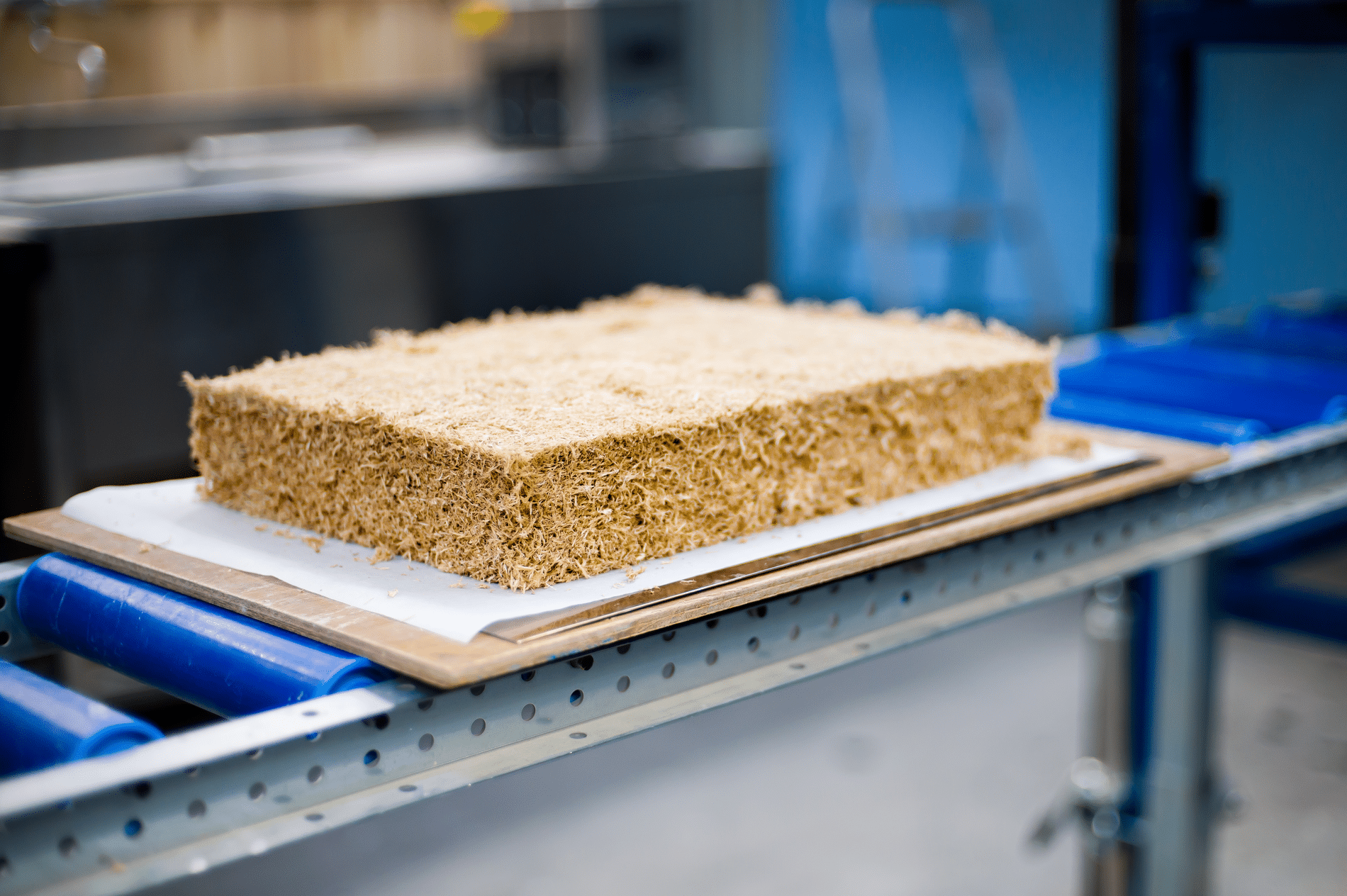
Van Aalsburg now takes a much broader view of the raw material. In addition to zinc pieces, revetments, riprap, and nature-friendly banks, the company is exploring what new products can be created from the same raw material. For example, it is looking into applications in which willow fibers are incorporated into sheet materials and exterior wall cladding.
“The willow is much more than just a branch you use in a hydraulic engineering structure,” says Rico. “We’re learning more and more about all the things you can do with it.” As a result, the focus is shifting from the application to the raw material itself. New possibilities are emerging not only in hydraulic engineering but also beyond it.
According to Rico, it’s not just the materials used that are changing, but also the way projects are approached. “The starting point should be, much more often, to work with nature, rather than working against or depleting that precious natural environment.” That’s precisely where willow fits in well, he says. The material is locally available, regrows quickly, and is a natural part of the landscape in which it’s used.
Still, he also sees a challenge. In competitive bidding, the focus is often still on minimizing maintenance, even though a solution that requires slightly more maintenance may, on balance, be more sustainable. “We want to show that you need to look beyond just maintenance requirements. When you choose a locally grown, renewable raw material, you’re also making a conscious choice for the environment.”
For Rico, one thing is certain: willow has proven itself for centuries in Dutch hydraulic engineering and provides a solid foundation for new applications. “It’s not really a question of why you would use willow,” he concludes. “The question is rather: why wouldn’t you?”
Neem dan rechtstreeks contact op met Van Aalsburg BV.
 Contact opnemen
Van Aalsburg BV is the brushwood trade, in which the craft of the brushworker has been passed on from father to son(s). By now it has grown into a family business with 6 brothers. Renowned in the Netherlands, but also abroad for its knowledge and experience in the field of zinc pieces, corbels and wattles in particular.In addition, Van Aalsburg BV provides braided willow [...]
Bekijk Bedrijfsprofiel