Platform on civil engineering, underground infrastructure, energy, construction equipment & construction machinery
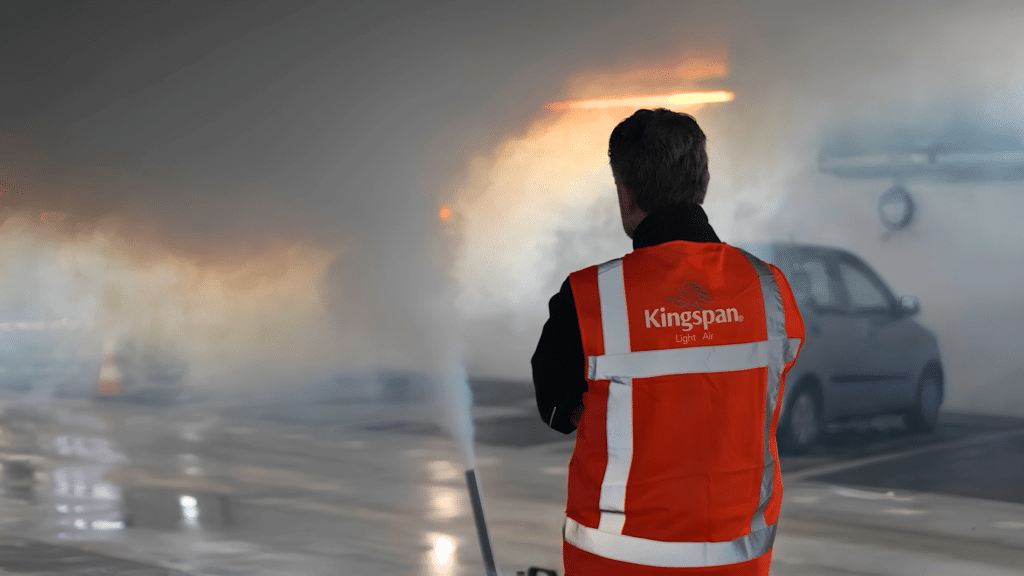
Testing, Maintenance, and Certification
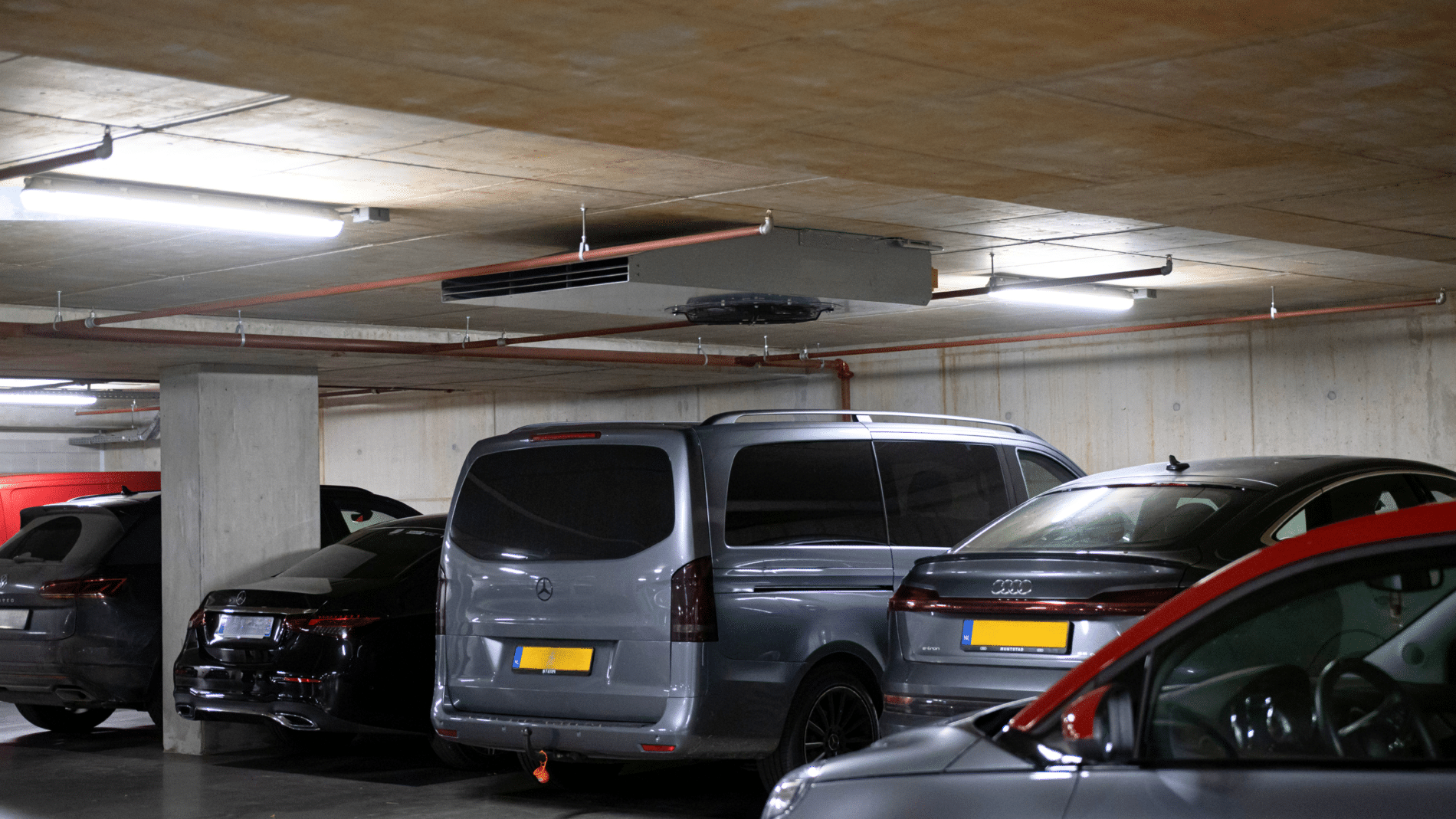
Parking garage ventilation not only ensures the efficient removal of harmful exhaust gases, but can also play a crucial role in fire safety. “A well-designed parking garage ventilation system contributes to a comfortable and safe environment for users and emergency services,” aptly summarizes Stan Veldpaus, Project Advisor for Smoke Control Systems at Kingspan Light + Air. “During normal operation, the ventilation system effectively removes harmful substances such as carbon monoxide, nitrogen oxides, and particulate matter. In the event of a fire, the system also helps control and remove smoke and heat. It also supports the fire department’s response.” Kingspan Light + Air is happy to serve as a knowledge partner in this regard, with the goal of designing the systems correctly and clearly defining the objectives. Furthermore, the company can supply, install, and maintain the appropriate systems.
“When it comes to fire safety, the Building and Living Environment Decree (Bbl) sets out requirements for twelve types of building use,” Stan explains. “From residential buildings and hotels to industrial structures. Parking garages fall under the ‘other use’ category and must, among other things, meet strict requirements for fire compartmentation and escape route lengths.” Fire compartmentation, in particular, regularly poses challenges in this regard, he notes. “Parking garages are often built underground and as compactly as possible, which means they’re frequently low-ceilinged and dark. As a result, smoke and heat can accumulate rapidly in the event of a fire, making it difficult for firefighters to do their jobs effectively. Furthermore, if the compartmentalization fails after 60, 90, or 120 minutes, there is a risk that fire and smoke will spread, structural safety will be compromised, and firefighters will no longer be able to find their way out (properly). Ventilation—and in particular smoke and heat exhaust—can be an important tool in this situation.”
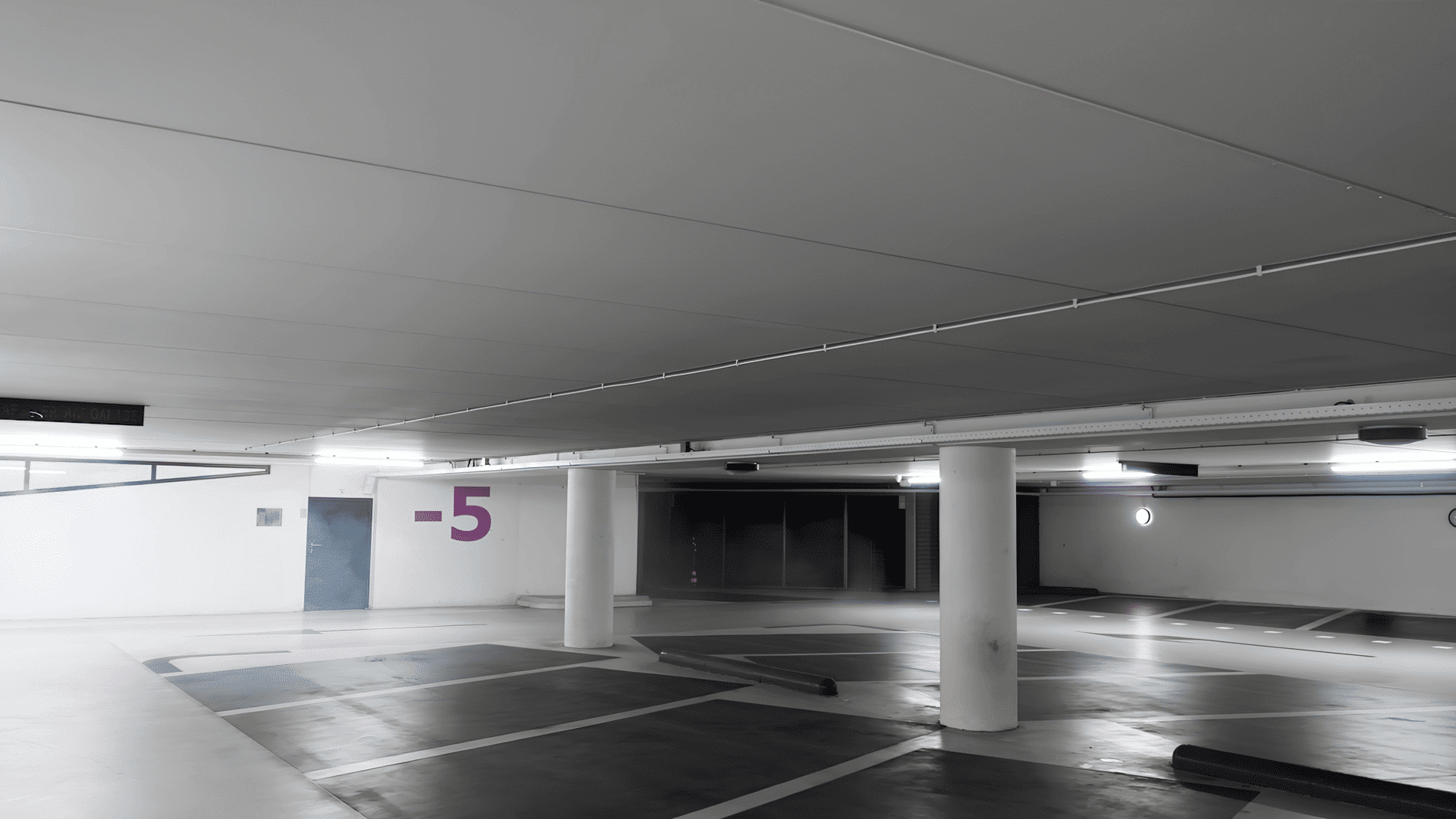
According to the Bbl, smoke and heat exhaust is not (yet) a standard solution. “When a parking garage is divided into fire compartments, additional systems such as sprinklers or a smoke control system are generally not required,” says Stan. “Nevertheless, the combination of ventilation and smoke and heat exhaust is increasingly in demand. For example, by building owners and users, who prefer spacious and well-lit parking garages with unobstructed sight lines and clear routing. This is especially because it enhances their sense of safety, Stan notes. “And emergency services also prefer non-compartmentalized parking garages, where they can reach the location of the fire as quickly as possible with the wind at their backs. To serve the needs of building owners, users, and emergency services alike, we recommend equipping parking garages—on an equal basis—with a smoke control system (RBI) and integrating daily ventilation into it.”
“When a smoke control system is permitted to be used as an equivalent solution, that system forms part of the approved safety level,” Stan explains. “In this case, the system must be accompanied by a certificate of acceptance. The RBI must then be inspected by the building owner every four and eight months. Annual maintenance is also mandatory, in accordance with standards and manufacturer’s specifications. This is followed by a functional test, after which the system, if functioning properly, receives an inspection certificate, similar to the maintenance and annual inspection of a car.”
The inspection certificate for smoke control systems in parking garages has been mandatory since 2012. “However, there are also older buildings in our country that need to be brought into compliance with the inspection certificate,” says Stan. “To make this possible, we first try to determine the purpose of the smoke control system. Is this purpose still relevant, for example, in light of the growing number of electric cars? And does the system (still) comply with the relevant regulatory framework? To this end, smoke tests are conducted regularly—for example, in accordance with the informative annex of NEN 6098 and in collaboration with the certifying bodies—to demonstrate the system’s effectiveness.” As an example, he cites a parking garage built in 2006 in Ubbergen, where Kingspan Light + Air recently replaced all of the control equipment. Subsequently, a smoke test was conducted in collaboration with an inspection agency to successfully demonstrate the required minimum visibility distance in the event of a fire.