Platform on civil engineering, underground infrastructure, energy, construction equipment & construction machinery
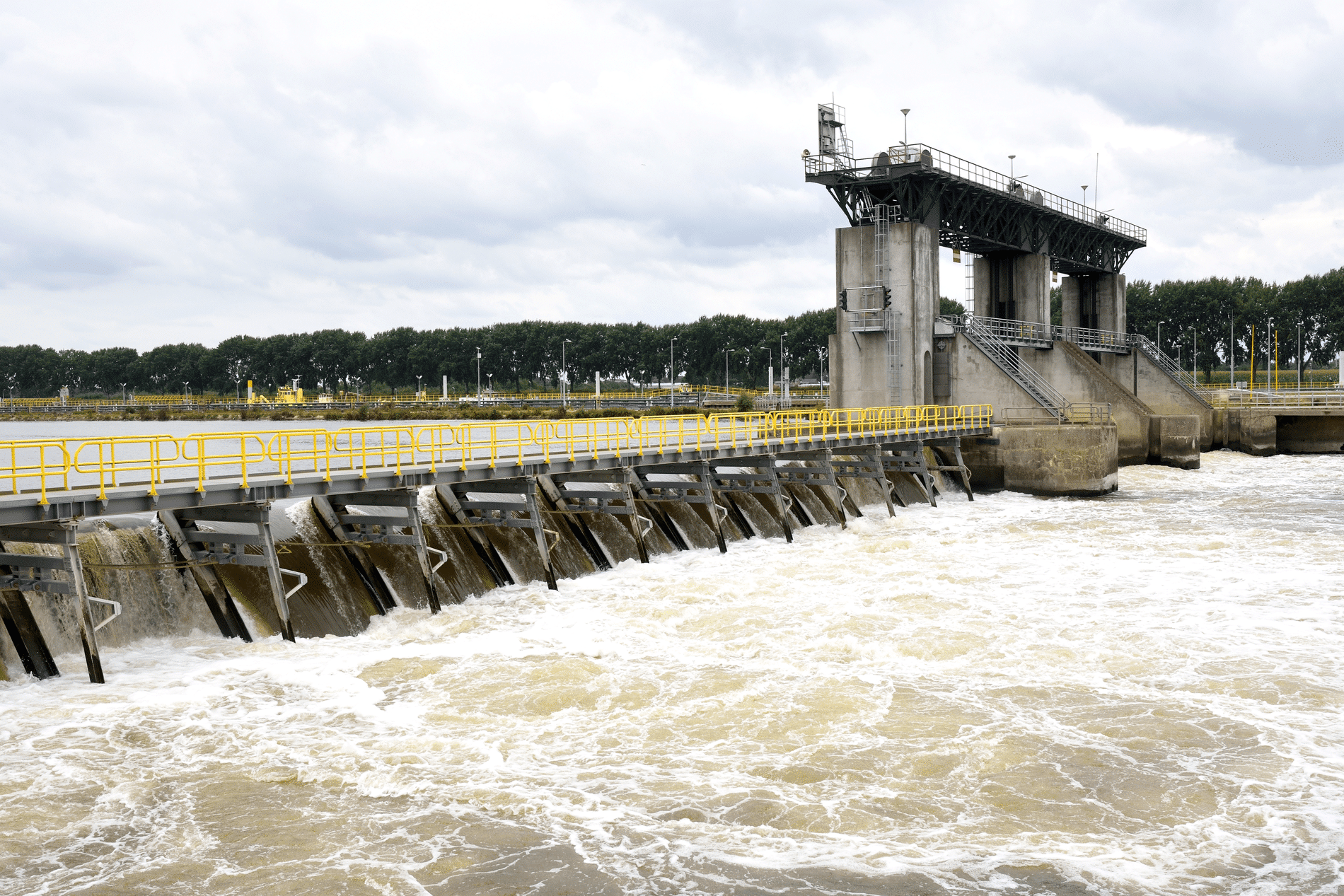
What began as a relatively limited engineering assignment has grown into a major modernization of the hydraulic systems as part of the renovation of the Krammersluizen. As the hydraulics partner within the ZEEKR consortium, Bosch Rexroth is responsible for the hydraulic systems in the project: from the roller doors of the push-boat locks and the swing gates of the yacht locks to the slide gates and the new spillway fish passage.
The challenge lies not only in the scale, but above all in the diversity of the structures and systems. “The original assignment focused on upgrading the hydraulic system in the roll-up doors and overhauling the cylinders,” explains project manager Jan Smits. “As we progressed, it became clear that in several locations, completely replacing the hydraulic power units (HPUs) was the best solution. This not only increases reliability, but also ensures that the systems immediately comply with current safety requirements and machinery directives.”
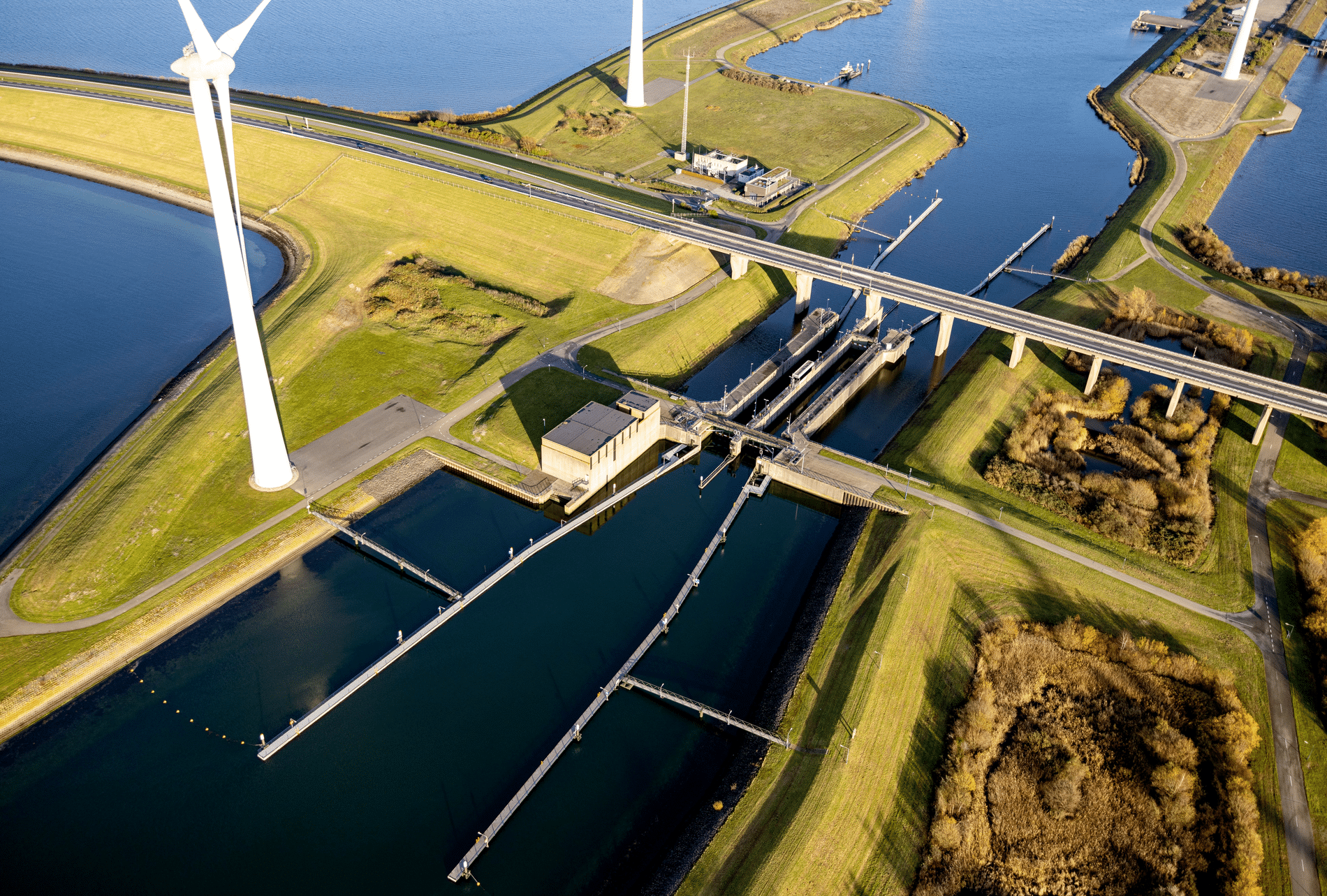
One of the most notable improvements is in the hydraulic drive system for the roller doors of the push-boat locks. As early as the design phase, Bosch Rexroth explored ways to make the doors move faster. “By adding an extra hydraulic circuit and combining functions more intelligently, we can activate the cylinders earlier,” explains Ronald Manders, group leader of application engineering at Bosch Rexroth. “This saves us about twenty seconds per movement.” That may seem modest, but it has a significant impact on overall energy consumption. The shorter operating time means that supporting systems, such as the bubble screen, need to be active for less time. The result is a more energy-efficient overall solution.
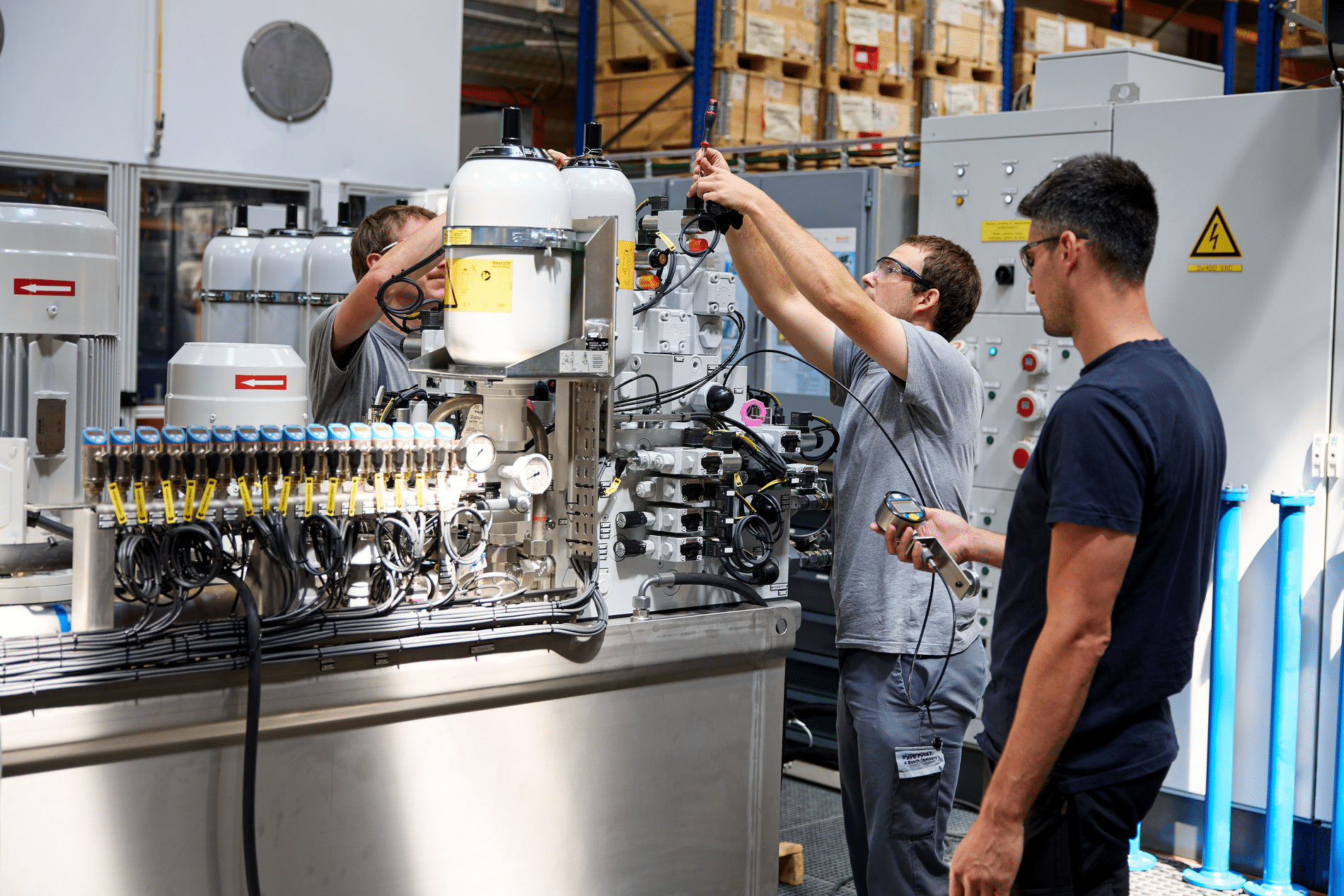
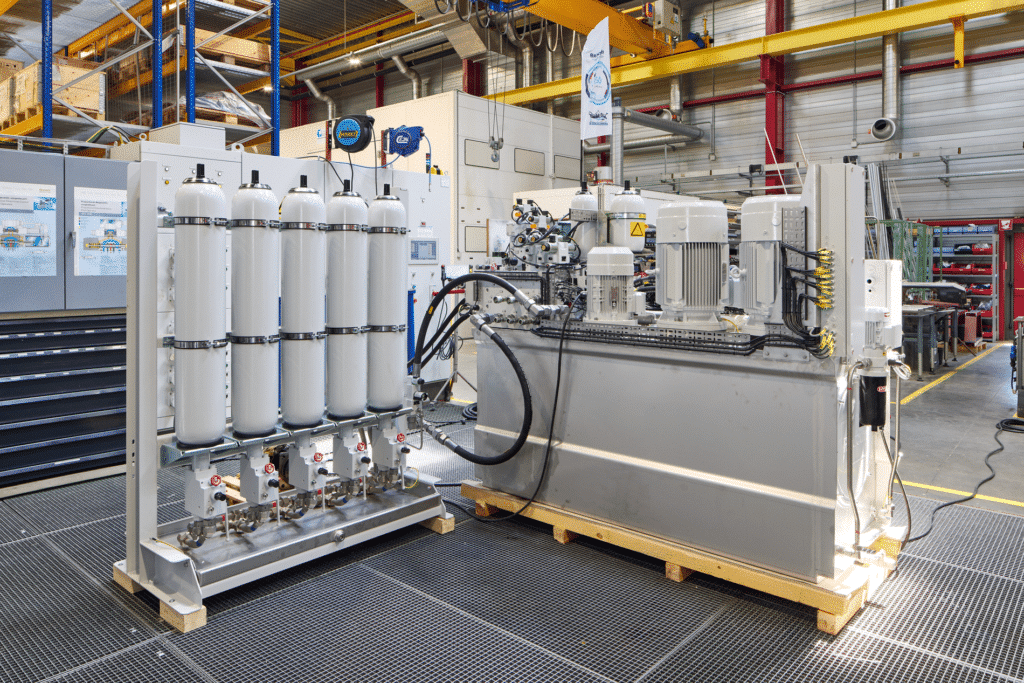
“The entire hydraulic system for the five roll-up doors is being replaced,” says Hans Kastelijn, group leader of design and project engineering at Bosch Rexroth. “New stainless steel pipes, completely new hydraulic power units (HPUs) in accordance with Rijkswaterstaat guidelines, and reconditioned cylinders will ensure a future-proof system capable of withstanding the harsh conditions inside the lock gates.” In addition to improving speed, Bosch Rexroth also took a critical look at the safety of the roller doors“ hydraulic system. ”At the client’s request, various safety features were added to the hydraulic circuit,” explains Marcel van den Hurk, application engineer at Bosch Rexroth. “For example, the system has been modified so that movements can be stopped immediately in an emergency, and the door remains in a safe position when necessary. It also prevents unwanted movements caused by wave action or water pressure.”
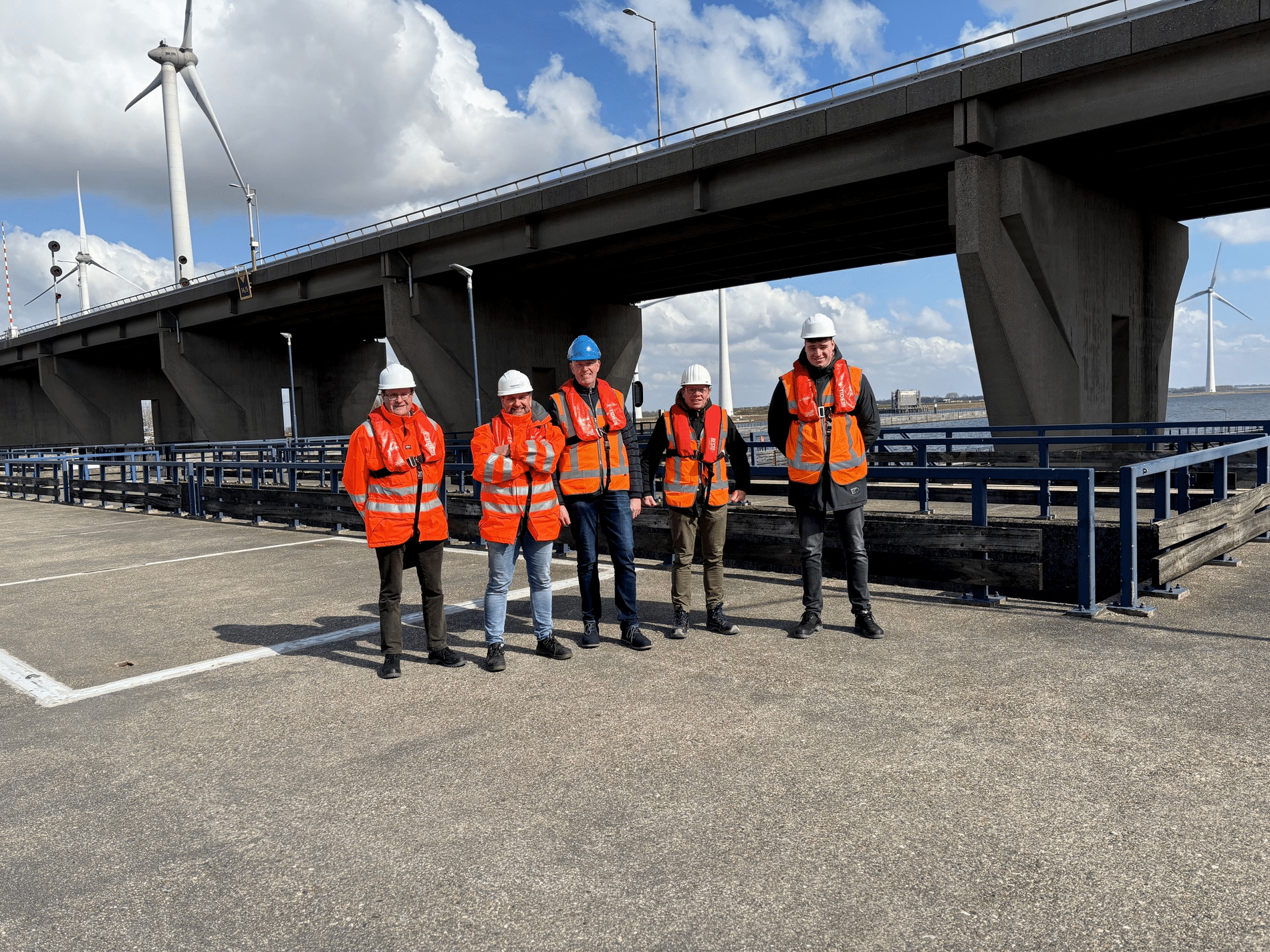
Bosch Rexroth’s scope of work also expanded significantly at the yacht locks. Initially, only components were to be replaced, but on-site inspections made it clear that a complete overhaul of the hydraulic units would provide greater reliability. “With new HPUs, we can test the entire system in advance and eliminate risks such as contamination in existing systems,” said Hans.
The same applies to the ten hydraulic systems for the movable walls, which regulate the water level in the lock chambers. Here, too, entire units and piping are being replaced to ensure that the systems once again fully comply with current standards.
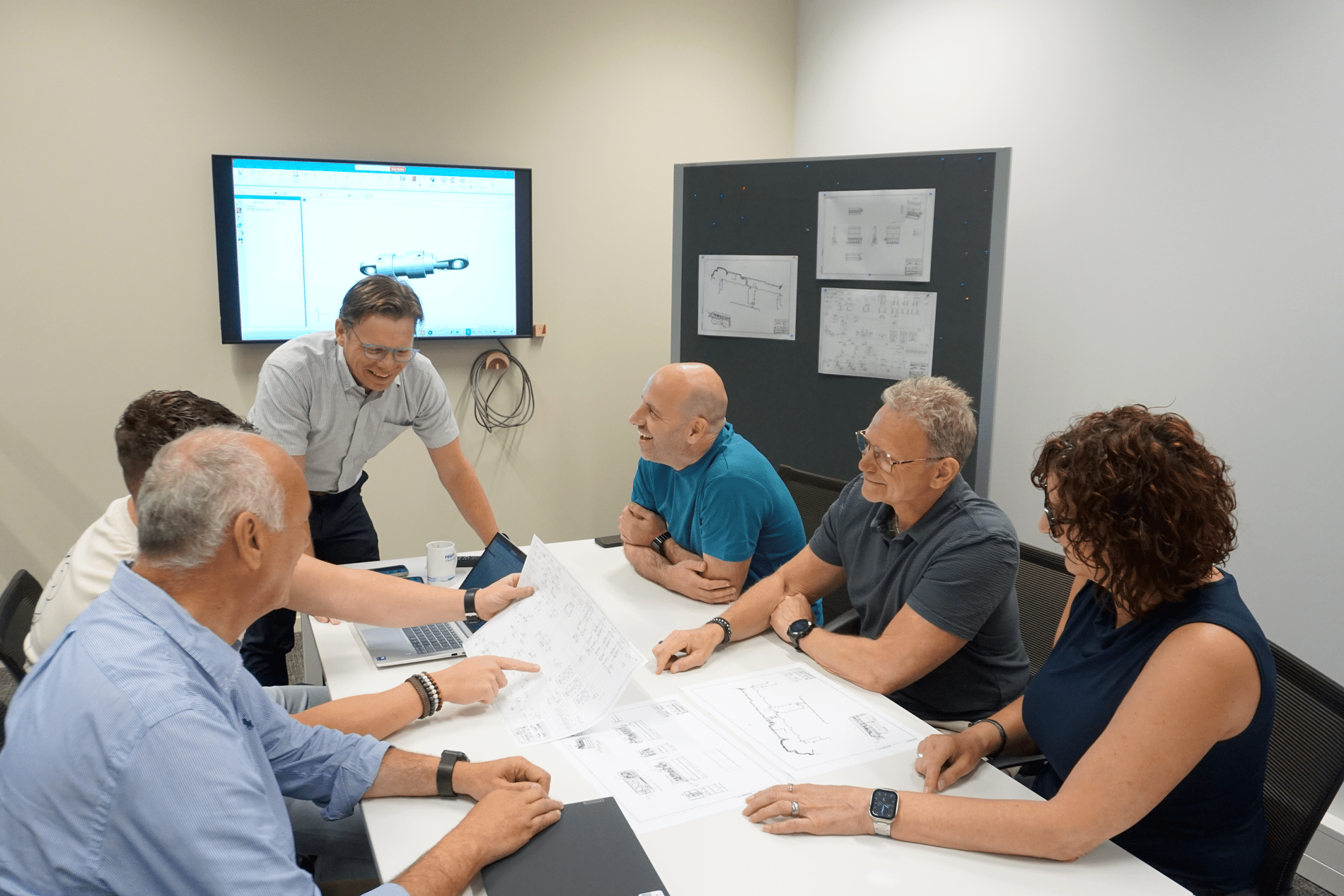
One of Bosch Rexroth’s key strengths is the international collaboration within the company. While Dutch engineers are responsible for project coordination, engineering, and on-site commissioning, colleagues from Belgium and Austria make a significant contribution to production, detailing, and factory acceptance testing. “Thanks to this collaboration, capacity can be scaled up flexibly and knowledge is shared among specialists. Moreover, all parties work closely together within a single BIM environment and from the same project site with consortium partners and Rijkswaterstaat. ”It’s easy to pop into each other’s offices, discuss ideas right away, and improve the design together,“ says Jan, describing the situation in the site office. ”That ensures short lines of communication, a high level of trust, and ultimately better solutions.”
With the first renovation of the rolling gate this summer and work on the yacht locks set to begin in September, the project is now rapidly approaching completion, the gentlemen note. “A project that began with a redesign of the hydraulics in the rolling gate has grown into a large-scale hydraulic modernization that is preparing the entire Krammersluis complex for the future.”
Neem dan rechtstreeks contact op met Bosch Rexroth.
 Contact opnemen
As one of the world’s leading suppliers of drive and control technologies, Bosch Rexroth ensures efficient, powerful, and safe motion in machines and systems of all sizes. The company brings together global application expertise in the market segments of mobile and industrial applications and factory automation. With intelligent components, customized system solutions, engineering, and services, it creates […]
Bekijk Bedrijfsprofiel