Platform on civil engineering, underground infrastructure, energy, construction equipment & construction machinery
From asphalt to biodiversity
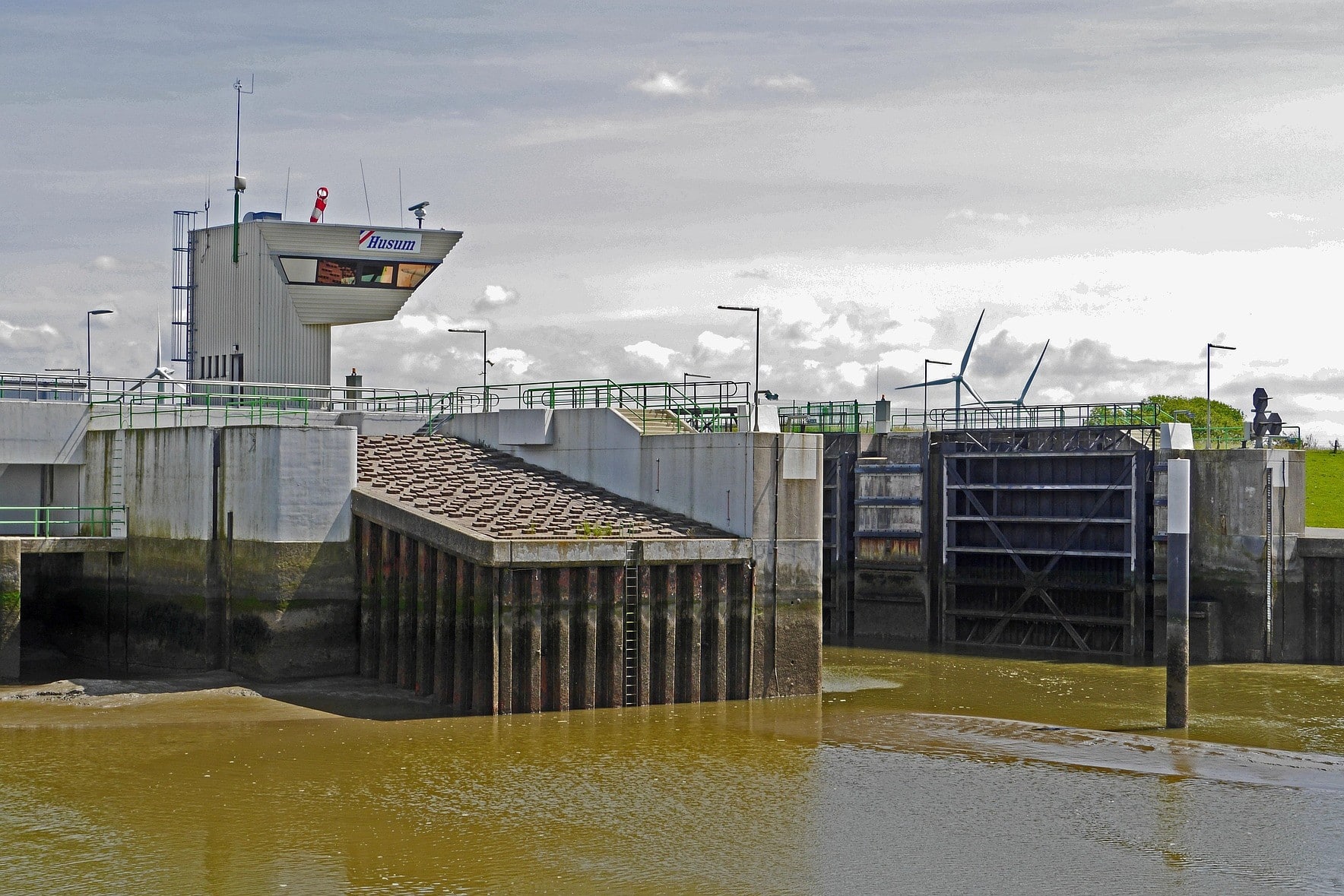
Rijkswaterstaat is primarily associated with civil engineering aspects, such as highways, bridges and locks. But the executive organization of the Ministry of Infrastructure and Water Management also manages thousands of acres of greenery along our highways. That's right, the roadsides. These are primarily supportive of the highway, but are increasingly growing into ‘unexpected’ natural pearls where there is plenty of room for biodiversity.
The Department of Public Works traditionally takes care of concrete, steel and asphalt. But there has been a remarkable shift in recent decades. The organization that keeps the Netherlands accessible does everything possible to protect nature and promote biodiversity. Road verges, once purely functional for lighting, guide rails and road furniture, are now seen as valuable green corridors that contribute to biodiversity.
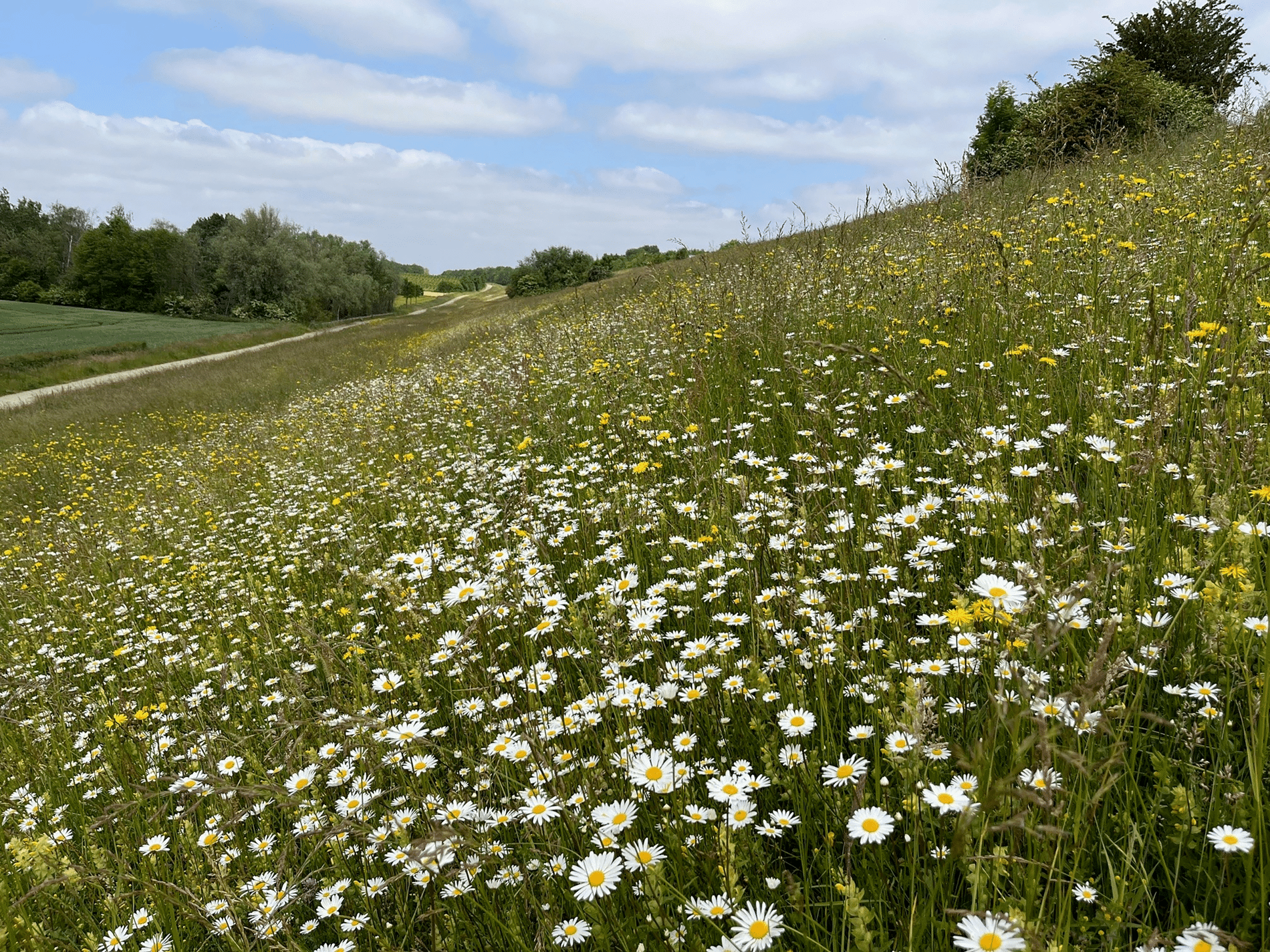
Nowhere is this transformation more visible than in Limburg. The southern landscape differs greatly from the rest of the Netherlands, with the highest concentration of biodiversity in the roadsides. Ancient pollarded trees and other monumental species are found here, testifying to a rich natural heritage. “Every ten years we carry out an extensive vegetation mapping, which forms the basis for a careful management regime,” says Koen Krowinkel, landscape and nature consultant at Rijkswaterstaat.
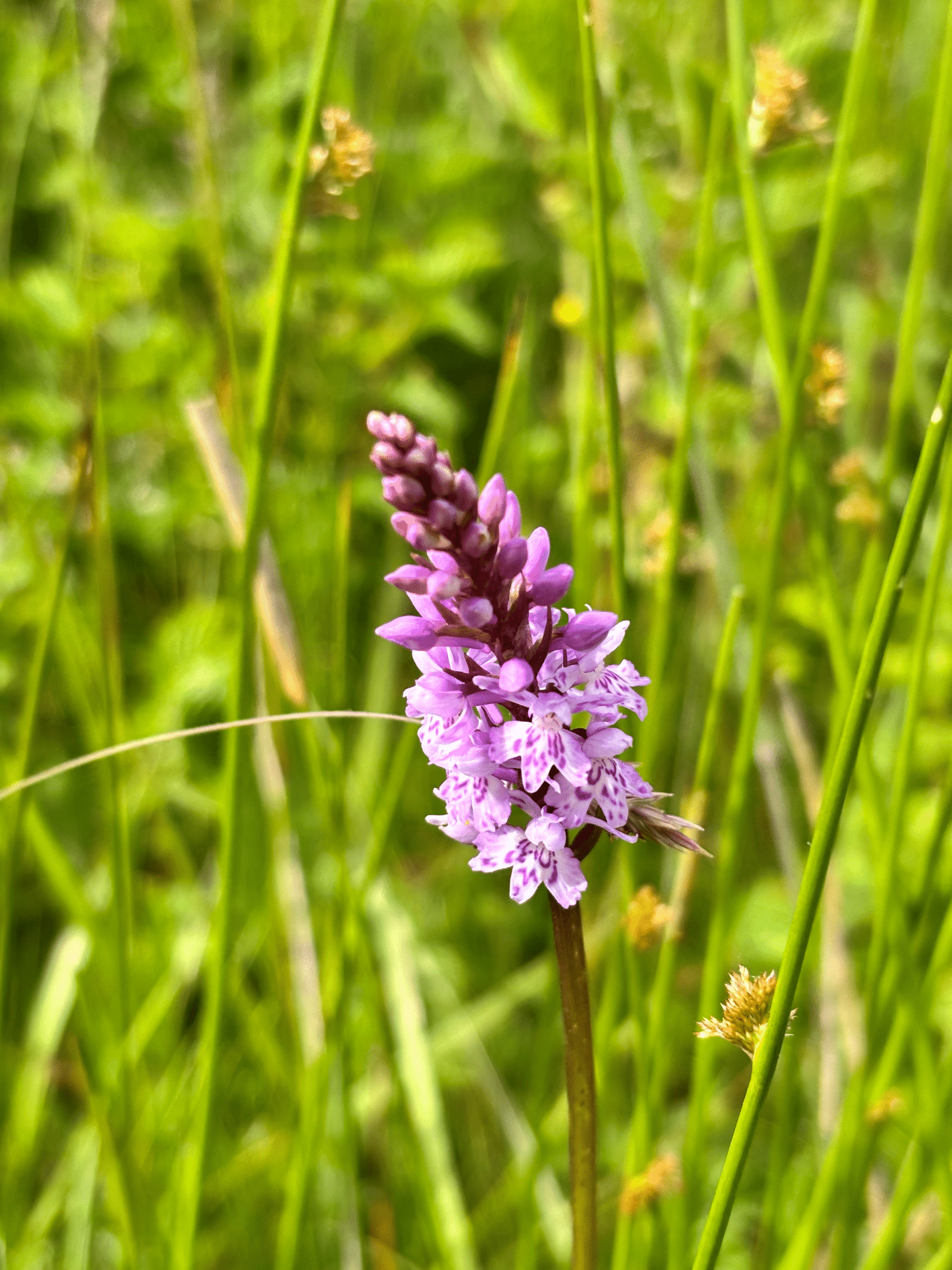
According to Krowinkel, roadside management has undergone a true metamorphosis, particularly in recent decades. “For example, we consciously choose to mow verges less frequently and especially to dispose of the grass clippings at the right time. So not just before seed setting.” This approach is bearing fruit. A good example is the flowering orchids along the A76. “We didn't sow them. They got there by themselves. That is also our approach: nature has to do its own work.”
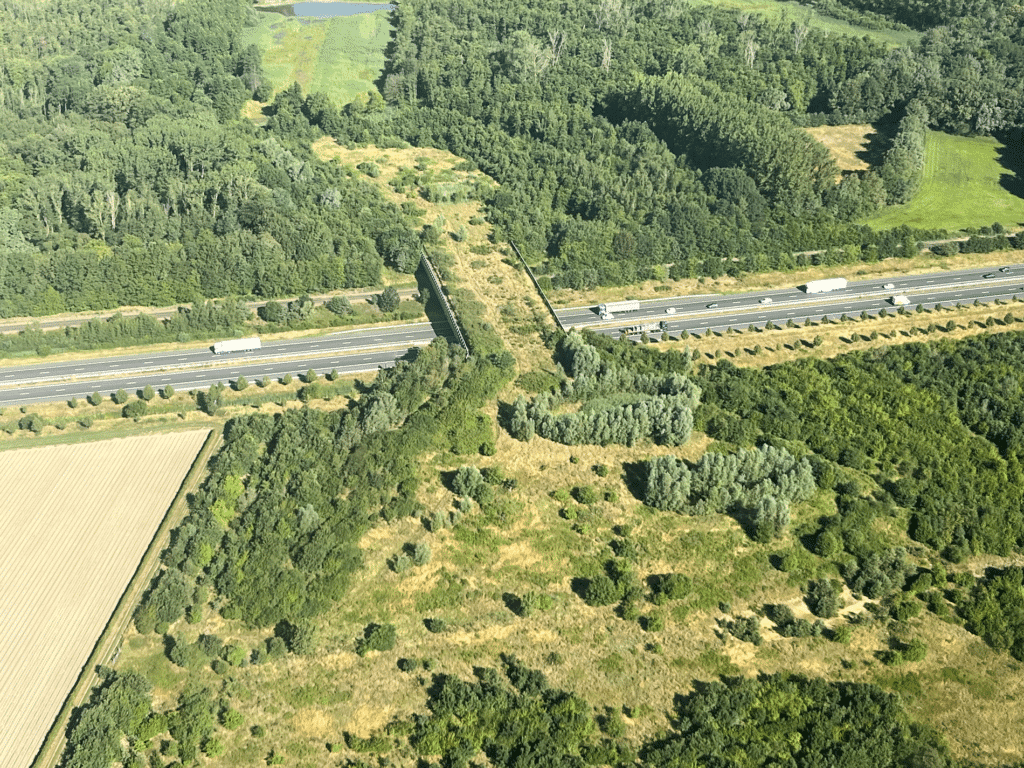
Highways cut through the landscape, but the Department of Public Works is working hard to restore ecological connections. Fauna passages over and wildlife tunnels under highways, deer inlets, and even ropes for squirrels on portals, the arsenal of facilities is diverse. “Faunarasters guide animals safely to these passages, which serves not only wildlife but also road safety. A collision with a deer at 100 kilometers per hour is comparable to a serious accident,” Krowinkel gives as an example.
“A fauna passage is like a banquet for wildlife,” Krowinkel says enthusiastically. Monitoring confirms that it is frequently used. Still, there are challenges. “We are sometimes thwarted. Citizens who close passages with nail mats and barbed wire. A shame, but it does happen. And that should be said.” Fighting invasive exotic species, such as Japanese knotweed, is also a day job for the Department of Public Works. “These aggressive growers threaten native flora and require a consistent approach.”
To most motorists, this green revolution remains invisible. Those driving along the highway are rarely aware of the natural richness in the roadsides. But it is precisely this inconspicuous presence that makes Rijkswaterstaat's work so valuable. Without much fuss, the organization contributes to a more biodiverse Netherlands. Roadsides grow into unexpected natural pearls, a green network that runs across the Netherlands and proves that even along the asphalt there is room for biodiversity. So is Rijkswaterstaat.