Platform on civil engineering, underground infrastructure, energy, construction equipment & construction machinery
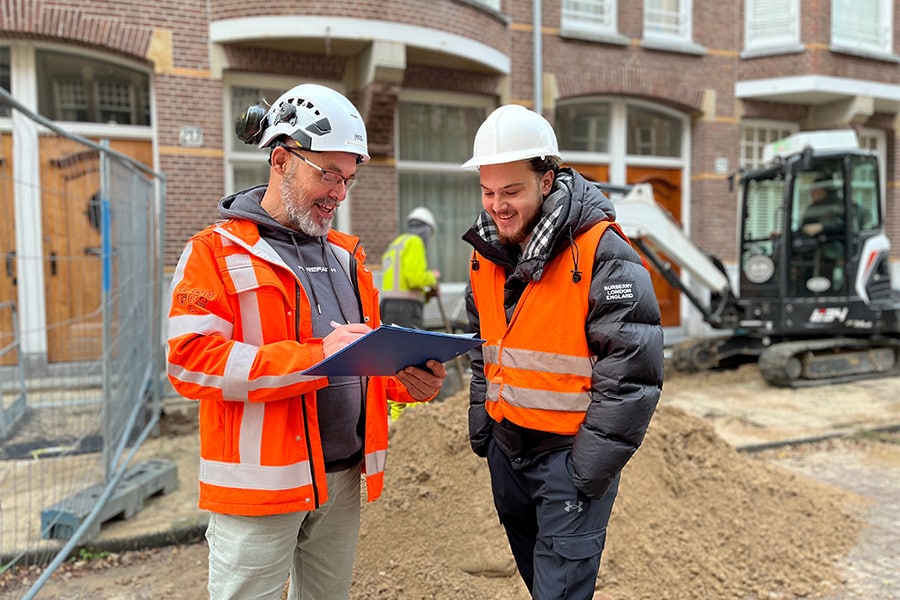
The housing shortage calls for rapid and large-scale construction projects. This often means building in locations that we previously ignored: old industrial sites, contaminated areas, or places where underground infrastructure is already dense. This brings with it the necessary additional complexity. Because as soon as you start digging, there are a lot of legal obligations and safety risks to consider.
Before a single shovel hits the ground, it must be clear what is present in the soil, says Bert van den Rozenberg of Aboma. “This is not only stipulated in the Working Conditions Act, but is also essential for the safety of employees. Yet in practice, we notice that too little attention is paid to this. In the civil engineering and infrastructure sector, knowledge about soil contamination is usually available, but for construction companies, earthmoving is only a small part of their total work package. As a result, the risk is regularly underestimated.”
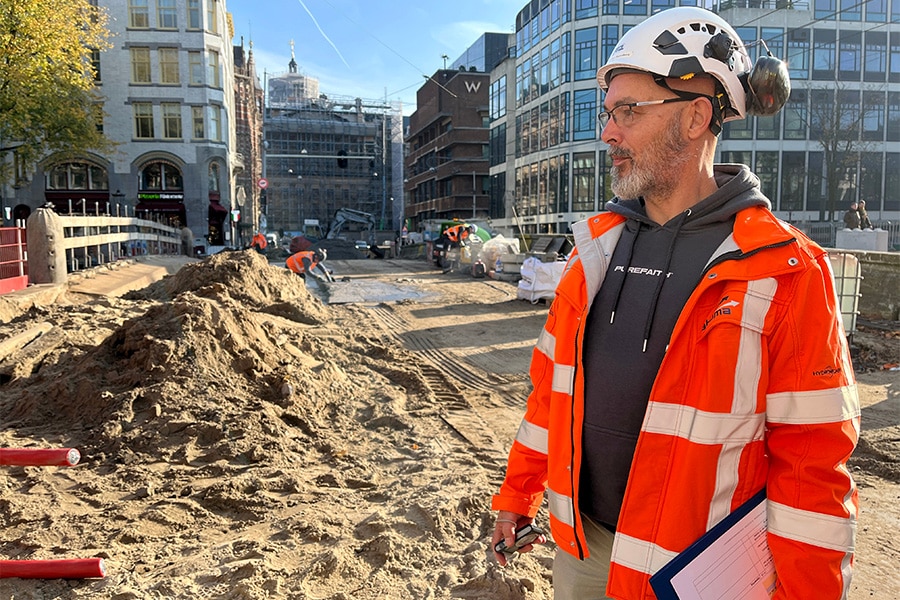
Nevertheless, this knowledge is essential, emphasizes Harry Spies of Aboma. “Anyone working in contaminated soil must know exactly what measures are needed to protect employees. Many hazardous substances in the soil are not immediately noticeable. Health damage sometimes only manifests itself 20 to 30 years later. Think of lead that accumulates in the body, or benzene, where even prolonged exposure to low concentrations can be harmful.” In addition to contamination, there are often many cables and pipes in the subsurface. “The energy transition is creating a busy underground environment, where new infrastructure often has to cut through existing, sometimes contaminated soil. This requires accurate research and specialist knowledge.”
In the case of special risks, such as working in contaminated soil, a health and safety plan is mandatory, says Spies. “This always applies, regardless of the size of the project. The plan identifies risks and sets out control measures.” Rozenberg adds: “In addition, daily supervision by a Competent Project Manager (DLP) is mandatory, and a safety expert must be called in. This requires expertise that not every construction company has in-house. At Aboma, we offer support at every step of the process if desired: from drawing up the plan to kick-off meetings at the site and guidance throughout the entire project.”
Many construction companies fear that working in contaminated soil will lead to high costs, Rozenberg knows from experience. “Yet the responsibility and financing often lie with the initiator, not with the contractor who ultimately digs the sewer,” he says. With an expert such as Aboma who thinks along with you, draws up the health and safety plan, and provides guidance during implementation, the process turns out to be clearer and safer than expected. And it is possible to build smartly and safely, even in difficult locations.