Platform on civil engineering, underground infrastructure, energy, construction equipment & construction machinery

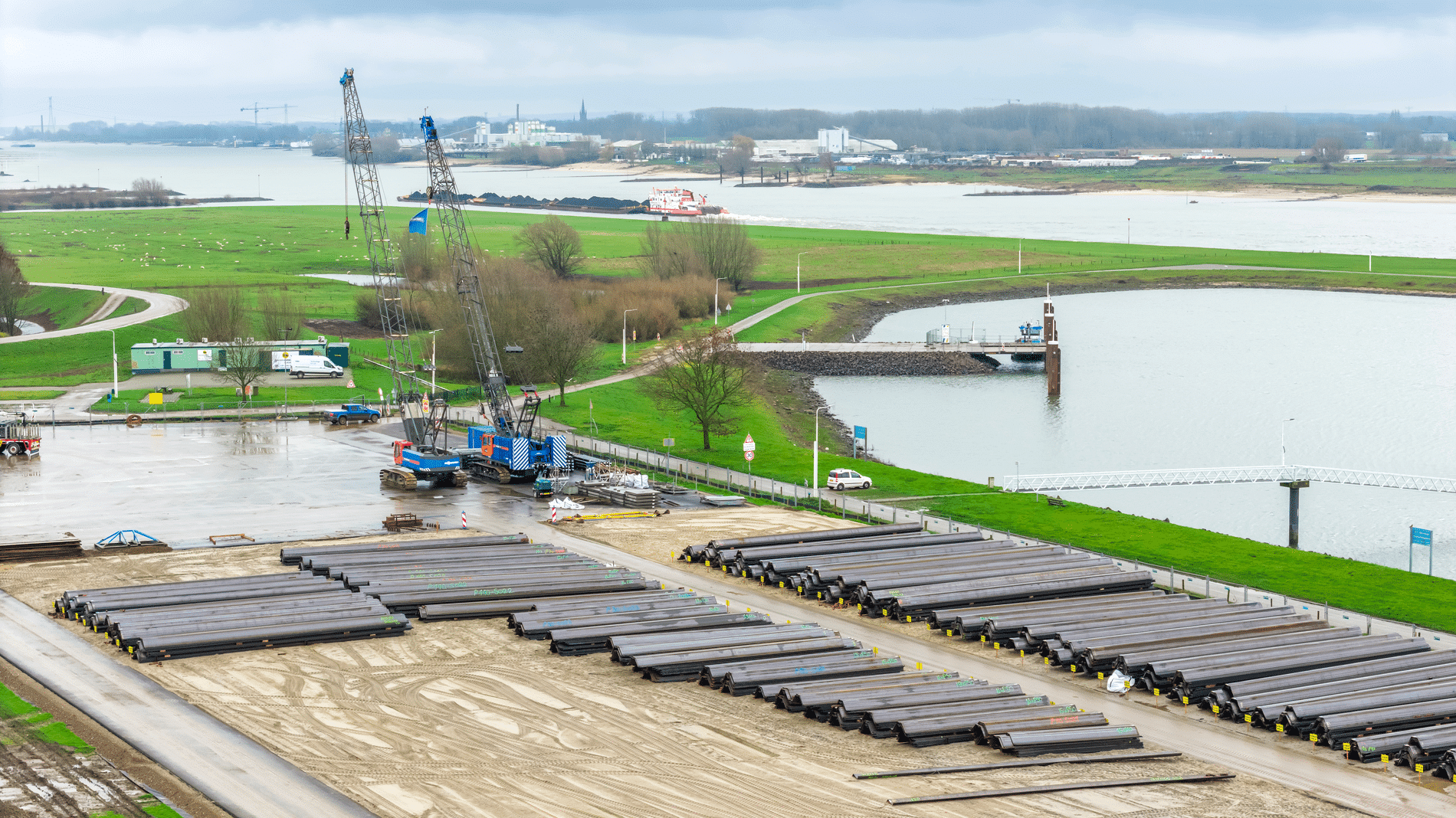
Cortenoever, a floodplain area of over 285 hectares between Brummen and Zutphen, is a special piece of the Netherlands in the inner bend of a strongly curved IJssel River. Over time, the river has meandered outward, slowly silting up the ancient creeks and channels. As a result, biodiversity has declined. In order to make the area ecologically flourish again for the environment, a so-called ecological optimization is taking place. It is rightly an integral project that unites three goals, those of Natura2000, the Gelderland Nature Network and the European Water Framework Directive.

Although the centuries-old creeks and channels of the IJssel have slowly silted up, their markings are still visible. "The course of the IJssel through the centuries can therefore be beautifully reflected in the landscape," says Koen Akkers, technical manager at the province of Gelderland. "By deepening the creeks and gullies again, more water will flow into the floodplains during high water in the IJssel and the water will also stay longer. The flora and fauna will benefit from this. An important objective under the European Water Framework Directive. Here we combine that with the conversion of agricultural plots into nature plots and the planting of about 10 hectares of forest from the Natura 2000 objectives and the Gelderland nature network that aims to connect and strengthen nature areas."

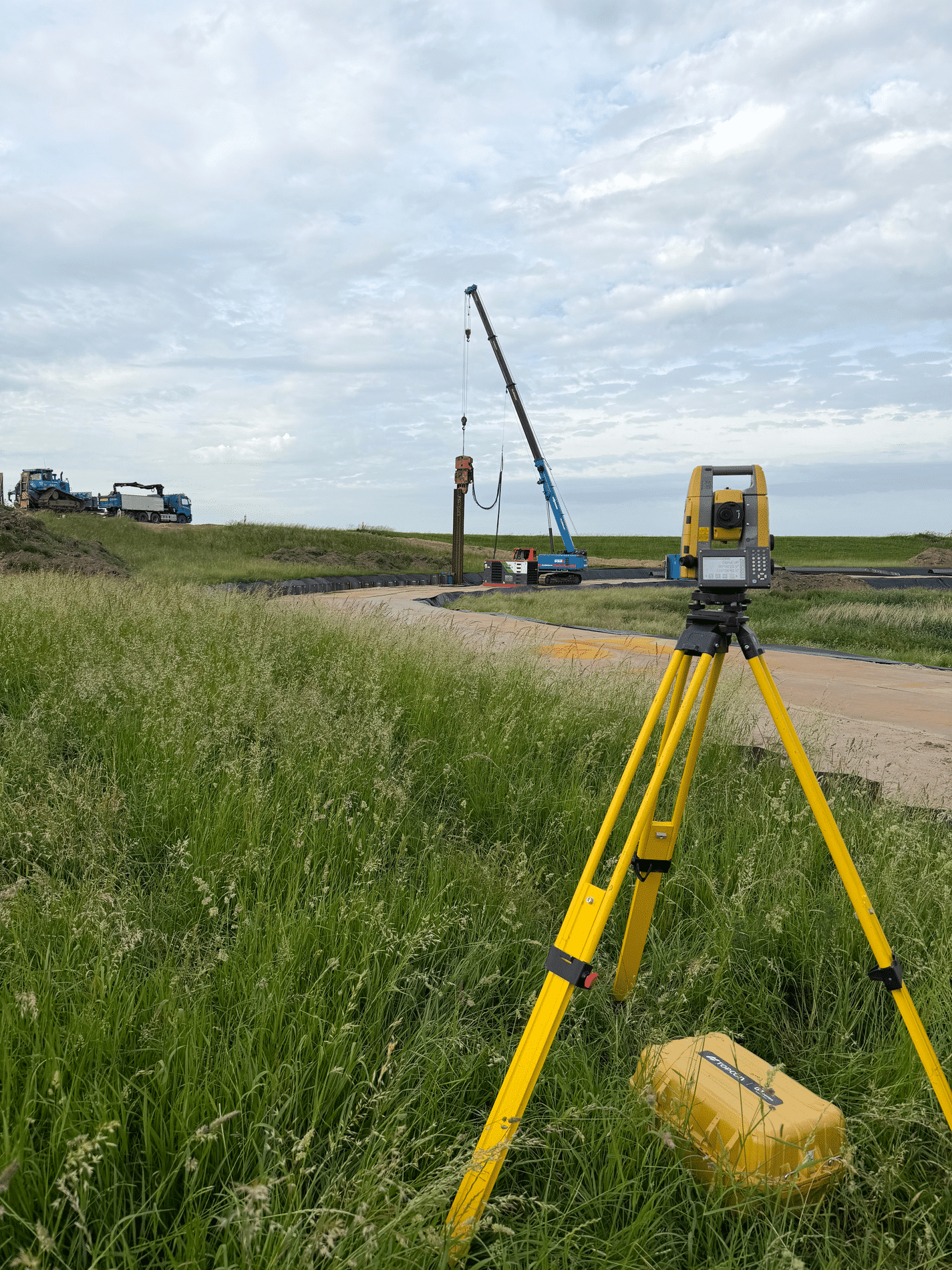
After a preparation process of many years, the project was awarded to contractor Van den Herik Sliedrecht in November 2021. "Last spring we carried out the necessary preparatory work prior to the breeding season, such as taking preventive ecological measures and soil and explosives surveys. Starting in June, we began excavating the creeks and gullies, following the ancient relief," explains Auke Koppelaar, project engineer at Van den Herik. "In total, some 100,000 m3 Soil will be excavated and transported by means of a transfer pontoon on the water. For each type of soil it is examined where it can be used in the best possible way elsewhere, for example on other projects that are being carried out simultaneously. For example, clay soil was applied at the LIFE demonstration field in Brummen, a unique collaboration between an infrastructure project and agriculture. This is a demo project for more resilient soil for climate adaptation and mitigation. A great example of high-quality and circular application of released clay soil. The planning is to deliver the project by the end of this year, but we are experiencing quite a bit of low water. It is looking for opportunities to still meet the schedule."

Van den Herik is dyed-in-the-wool as a hydraulic engineer, but the ecological optimization of Cortenoever represents a special project for the family business as well. "It really is a unique piece of the Netherlands with many stakeholders, varying conditions due to high and low water and many natural values that you have to take into account," says Koppelaar. "Implementation of such a project is therefore only possible by identifying all these different interfaces in the preparation phase in order to manage them properly during implementation. In doing so, use was made of the large amount of knowledge within Van den Herik, gained from years of experience implementing multidisciplinary projects. Furthermore, it is a matter of relieving the environment, which several years ago had to deal with implementation work of a large dike conversion, as much as possible. During implementation, we activate and involve the surrounding area in the work. For example, we have already organized a walk, where various experts from their fields, such as ecology and archaeology, explained to interested parties what is going on in the area and what makes the area so special. Furthermore, active use is made of the Bouwapp and a monthly newsletter is published. There is also a lot of coordination with the Forestry Commission as the owner of the plots of land on which the project is being carried out."
In addition to excavating the gullies and creeks, 10 acres of forest will be planted in the floodplain. "The goal is to develop a larger forest core, which is unique in Dutch floodplains," Akkers knows. "It may seem contradictory, because forest has an impounding effect and holds back water runoff during periods of high water. That, in turn, is detrimental to the load on the dikes. But, through the careful selection of tree species - an alternating hardwood forest with oaks and ash elms and in the lower parts a softwood forest with willows - combined with the excavation of the gullies, a better flow is achieved. A fine example of optimal synergy between different objectives."